
Best Athletic Shoes for Pronation 2026: Neutral and Stability Guide
Disclosure: We may earn a commission when you buy through links on this page, at no extra cost to you. As an Amazon Associate I earn from qualifying purchases. Learn more

Best athletic shoes for pronation: understand neutral versus stability shoes, check your wear pattern and compare popular running and walking models.
Pronation is the natural inward roll of the foot as it lands and pushes off. Most people pronate a little, some roll more, and a few barely roll at all. The best athletic shoes for pronation depend on where you sit on that range, which is why this guide covers both neutral and stability shoes.
The product table lists neutral and supportive models from brands known for running and walking shoes. Use the sections below to decide which kind of shoe fits your stride.



Who Should Think About Pronation
Anyone buying running, walking or gym shoes can benefit from knowing their foot type. Normal pronation works well in neutral shoes. People who roll inward more often prefer stability shoes, and people who roll outward (underpronation) usually do best in soft, neutral shoes. A running store gait check or a look at the wear on your old shoes can give you a hint.
Choosing the Best Athletic Shoes for Pronation: Shoe Categories Compared
Neutral shoes
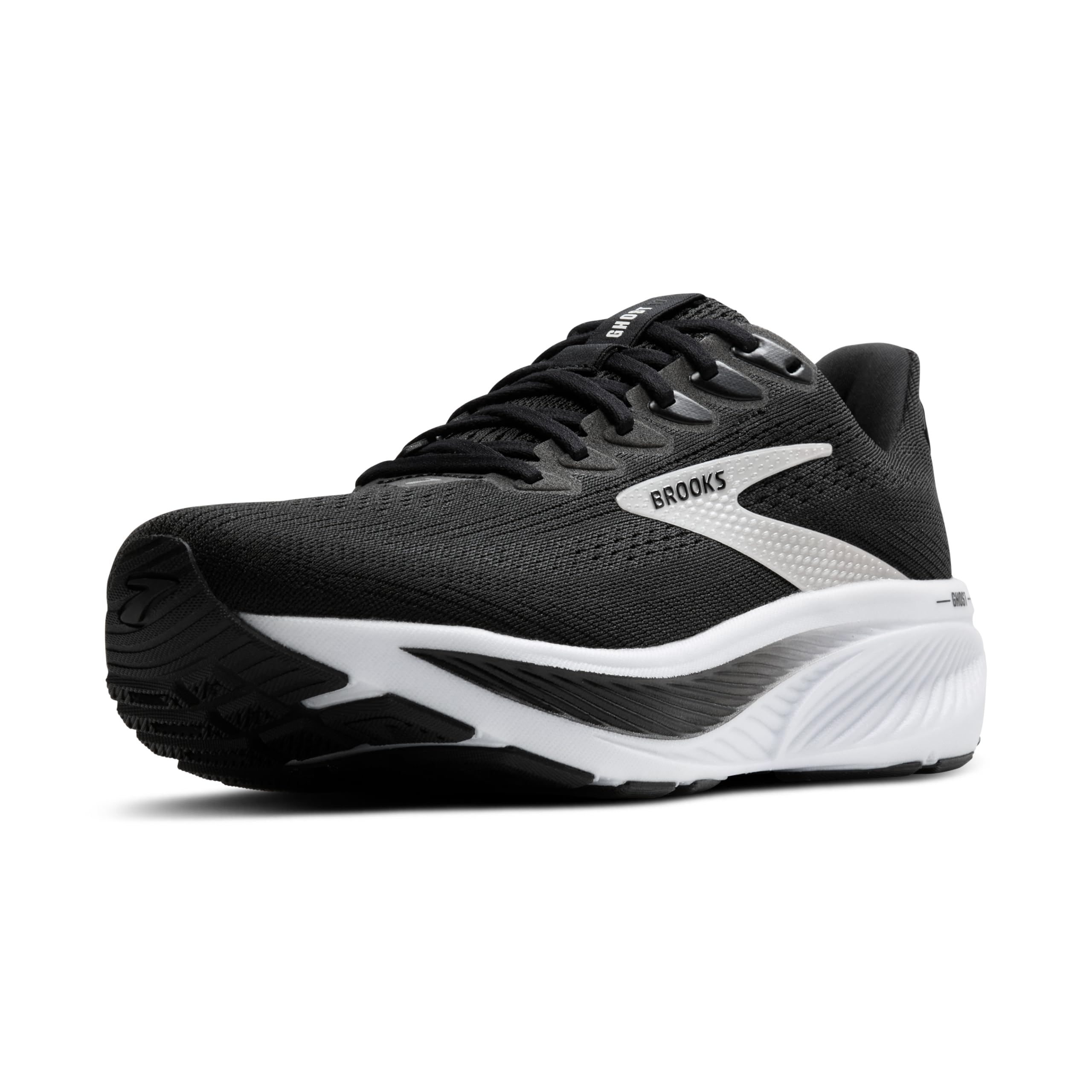
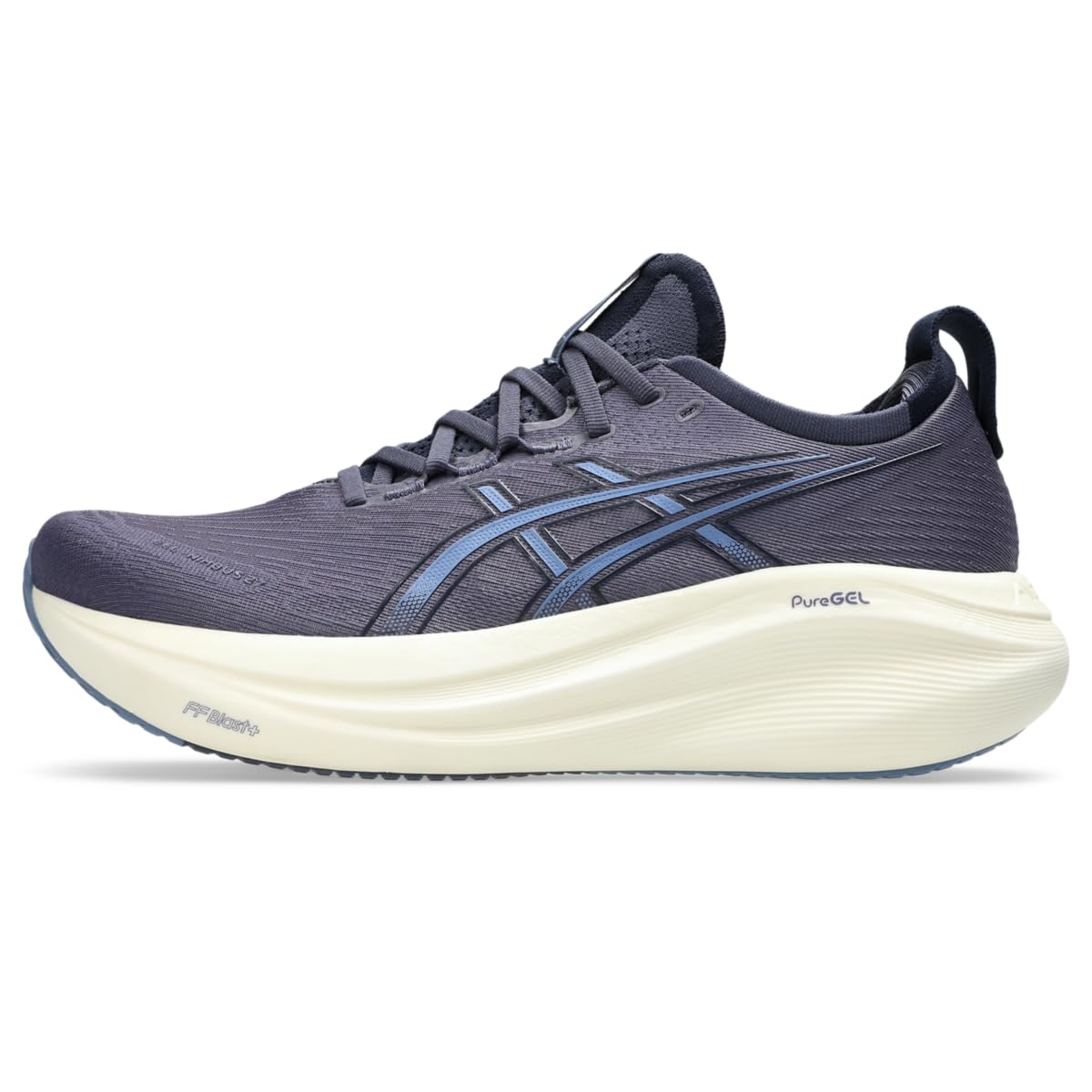
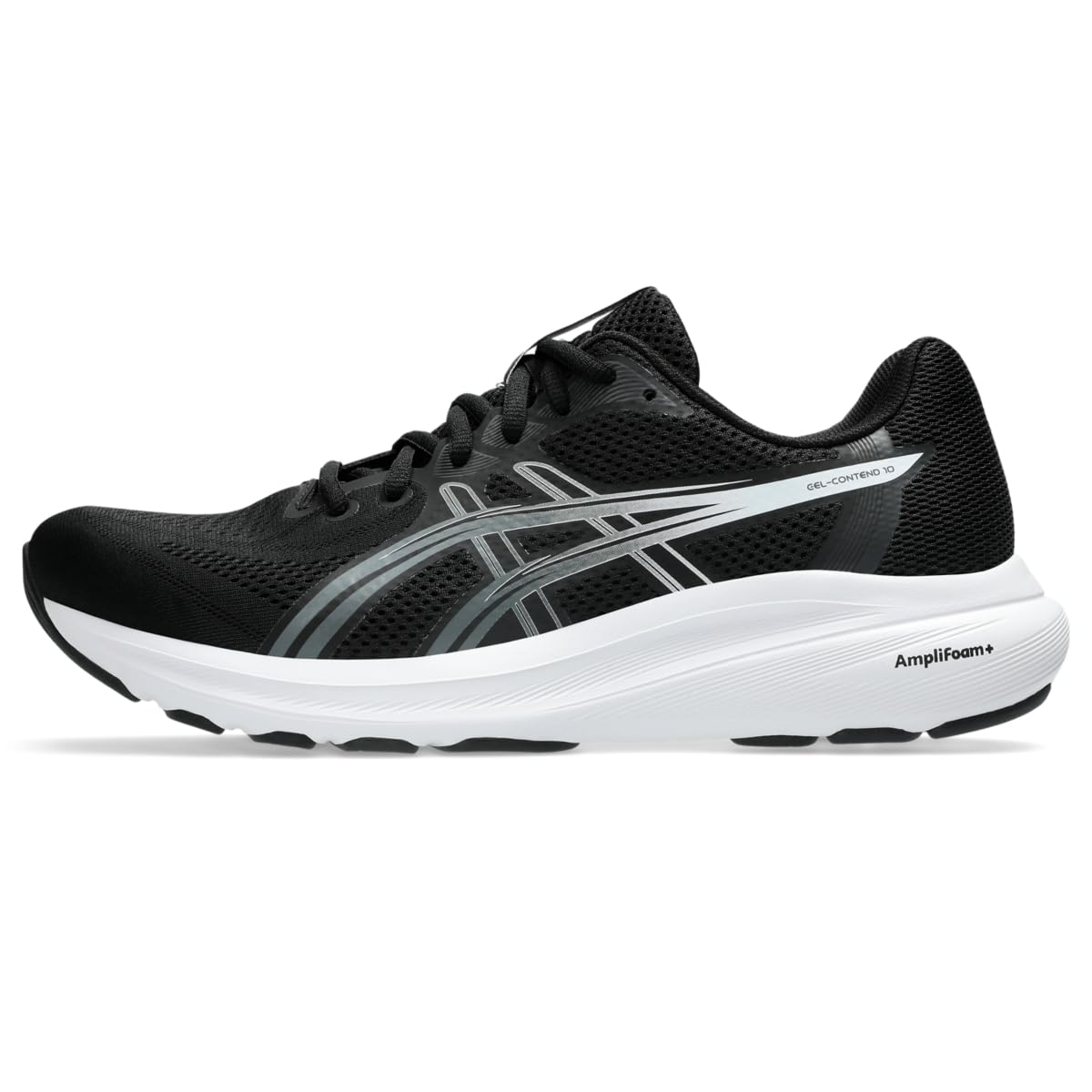
Neutral shoes such as the Brooks Ghost, the ASICS Nimbus or the ASICS Gel-Contend focus on cushioning and a smooth ride, with no extra correction.
Stability shoes
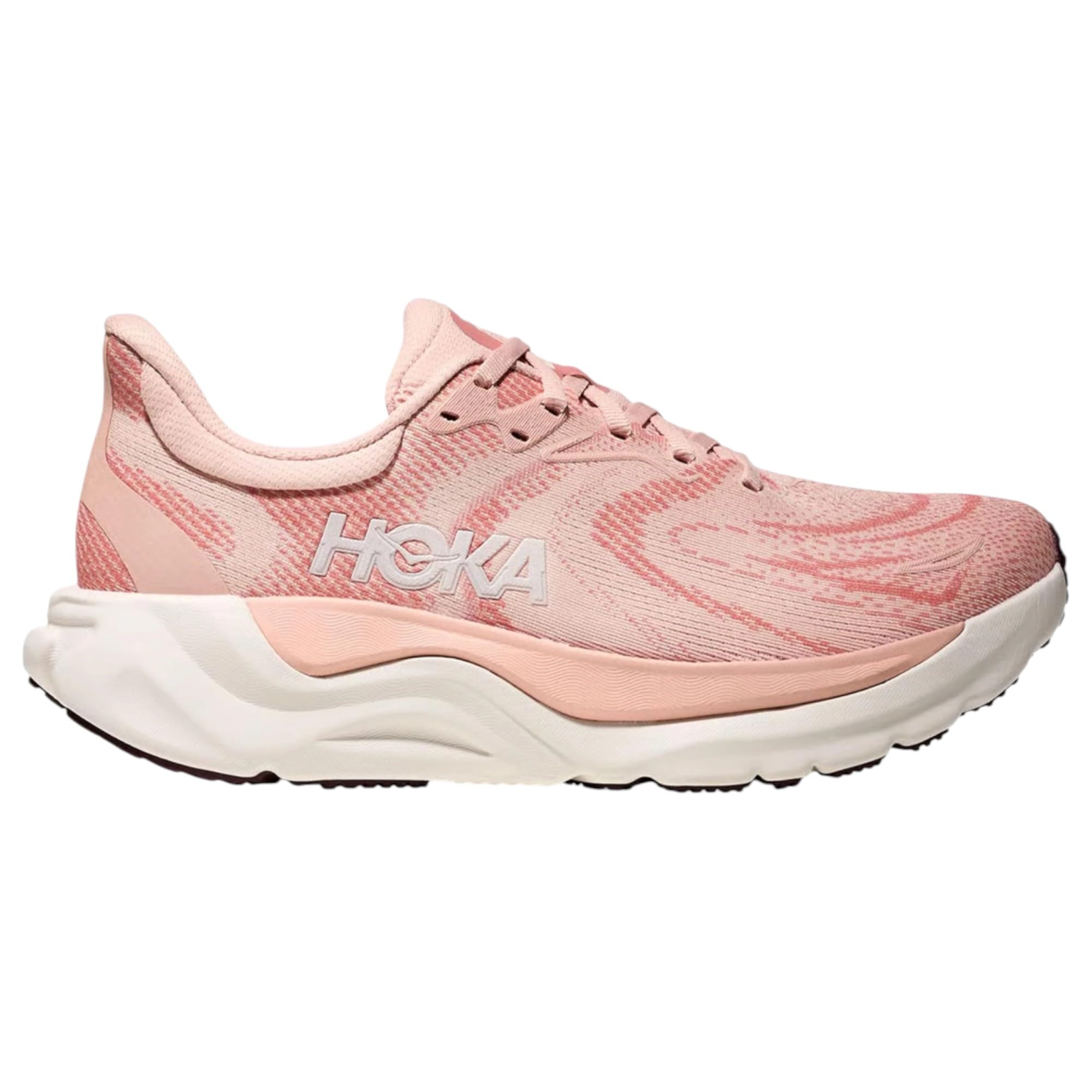
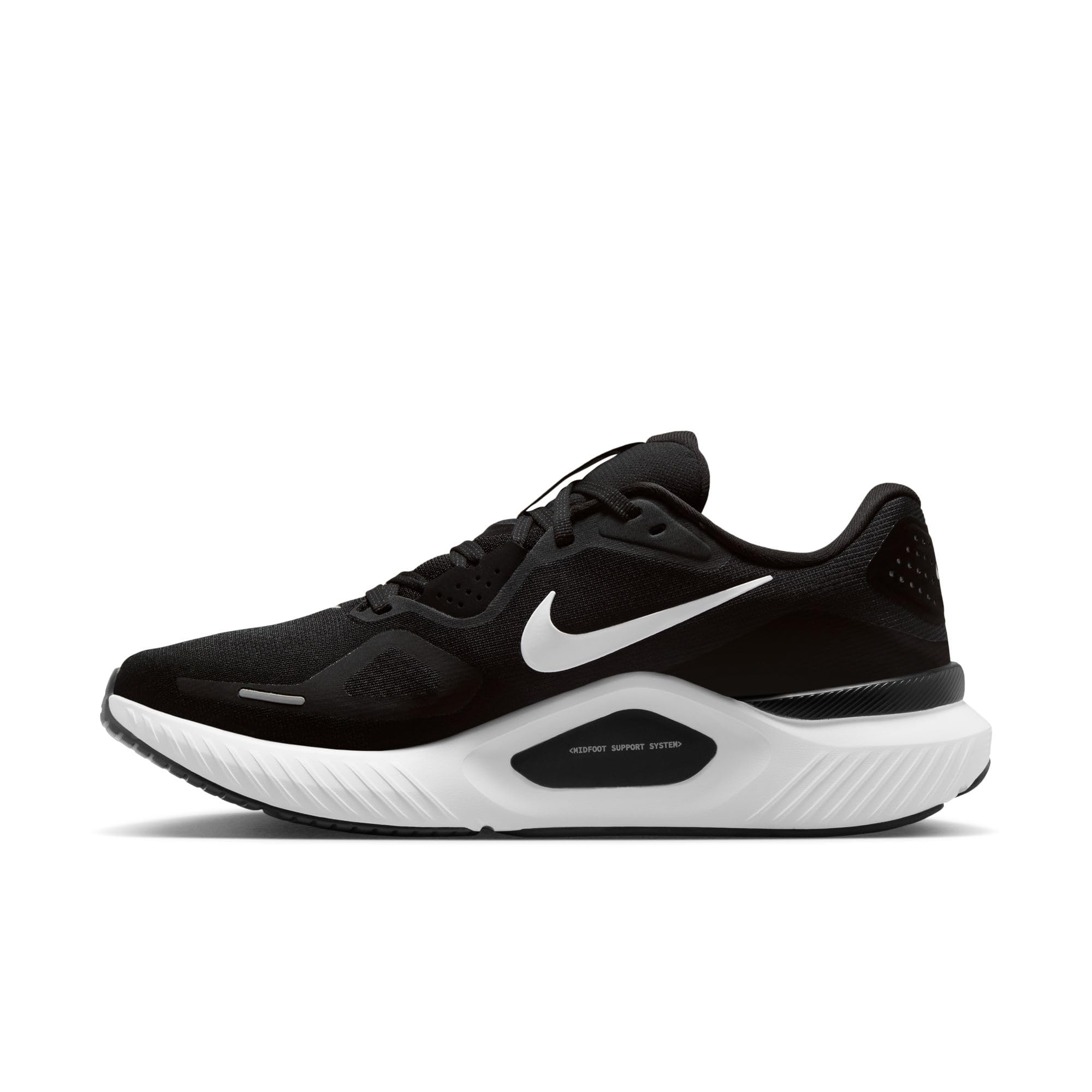
Models like the Brooks Adrenaline GTS and Addiction GTS, the Saucony Guide, the Hoka Arahi and the Nike Structure add guide rails or medial support to steady the foot.
Cushioned support shoes
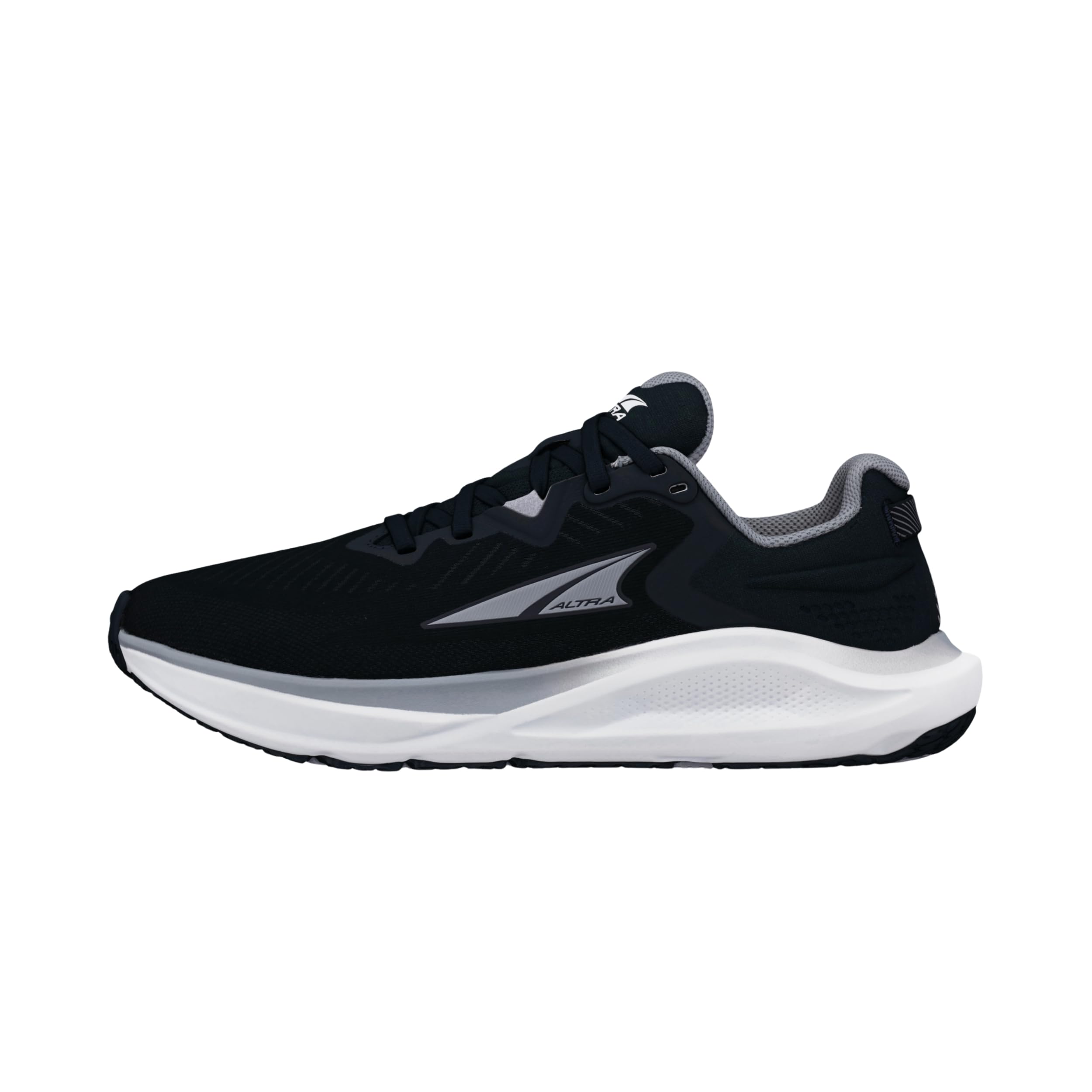
Some designs, such as the Altra Paradigm, combine soft foam with an embedded support frame, for people who want comfort and stability together.
Key Features to Compare
- Level of support, from light to firm
- Midsole softness and heel to toe drop
- Width options for a secure midfoot
- Weight, breathability and outsole grip
Spending Across Tiers
Lower priced neutral shoes cover basic walking and light runs. Mid priced models add better foam and sturdier support. Premium trainers use softer, more durable foams and refined upper designs. Last season's version of a popular shoe often costs less and feels very similar.
Care and Warning Signs
Replace shoes when the midsole feels flat, the heel wears unevenly or you notice new aches. If you have ongoing foot, knee or hip pain, speak with a clinician or podiatrist.
Mistakes to Avoid
- Assuming everyone needs a stability shoe.
- Buying a size that is too short.
- Ignoring comfort in favor of a label.
- Keeping worn shoes too long.
Sizing and Fit Checklist
- Try shoes in the afternoon, with the socks you use for exercise.
- Leave about a thumb's width in front of the longest toe.
- Check that the heel stays put and the arch feels supported, not poked.
- Jog or walk fast in the store, and try stairs or a slope if you can.
Many brands offer narrow, wide and extra wide sizes in the same model. A secure midfoot makes any pronation control feature work better, so do not ignore width.
Walking, Running and Gym Use
Walkers usually prefer a firmer heel and a smooth rocker, while runners benefit from lighter, more responsive foam. Gym users who lift or take classes often choose flatter, wider cross trainers with firm heels, not highly cushioned running shoes. If you do all three, a stability running shoe is often the best compromise for daily use.
Typical Specs by Shoe Type
Neutral trainers usually weigh 8 to 10 ounces for a women's size 8, with a heel to toe drop between 4 and 10 mm and a heel stack of 28 to 35 mm. Stability shoes run a little heavier, about 9 to 12 ounces, and use a drop of 8 to 12 mm. Medium width is standard, and wide and narrow sizes are common in the big brands. Prices usually range from about 70 to 180 dollars depending on foam and materials.
Wet foot check at home
Wet your foot, step on a sheet of paper or a dark towel and look at the print. A nearly full print points to a low arch and more inward roll, a print with a thin band suggests a high arch and less roll, and a moderate curve fits a neutral arch. This is only a rough guide, so try shoes and trust comfort.
When to Replace Your Shoes
Runners usually replace shoes after about 300 to 500 miles. Walkers often get more. Signs include a flat feeling midsole, uneven heel wear, creases in the foam and new aches in your knees or feet.
Matching Pronation to Shoe Choice
If your foot rolls in slightly and you feel steady in neutral shoes, there is no need to change. If you roll in a lot or feel unstable, stability shoes can help. If you roll out, choose a soft neutral shoe. If you are unsure, shop at a running store where staff can watch you jog, or try a neutral and a stability model on the same route and compare how your feet and knees feel.
Changing shoes over time
Feet change with age, injuries and weight, so a model that suited you years ago may not suit you now. Recheck your choice every couple of years or whenever you notice new aches.
Related Guides
Compare more in best shoes for pronation, best running shoes for pronation and best athletic shoes for overpronation. For general picks, see best athletic shoes.
Frequently Asked Questions
What is normal pronation?
A slight inward roll that helps absorb impact. It is normal and does not always need a special shoe.
How do I know if I overpronate?
Signs include heavy wear on the inside of your shoes and a collapsing arch in photos or videos of your stride. A gait check can give a clearer answer.
Do neutral shoes work for most people?
Many runners do well in neutral shoes. Pick stability if you feel you need extra control.
Can I use these shoes for walking?
Yes. Many running models are also popular for walking and standing.
Should I rotate two pairs?
Yes. Rotating lets foam recover between wears and often extends the life of both pairs.
Final Thoughts
Match the shoe to your stride rather than to a trend, and try a few models. Compare options in the product table, and the best athletic shoes for pronation will be the ones that feel stable and comfortable mile after mile.


