
Best Athletic Shoes for Overpronation 2026: Stability Shoe Guide
Disclosure: We may earn a commission when you buy through links on this page, at no extra cost to you. As an Amazon Associate I earn from qualifying purchases. Learn more

Best athletic shoes for overpronation: how stability and motion control shoes work, what to compare, and which models runners and walkers commonly choose.
When the foot rolls inward more than usual on landing, many runners and walkers look for extra stability. The best athletic shoes for overpronation add guidance features, such as firmer midsole sections or guide rails, that help keep the foot moving in a steadier line.
The product table lists current stability models from brands that build them. This guide explains the shoe types, the features that matter and how to check the fit.
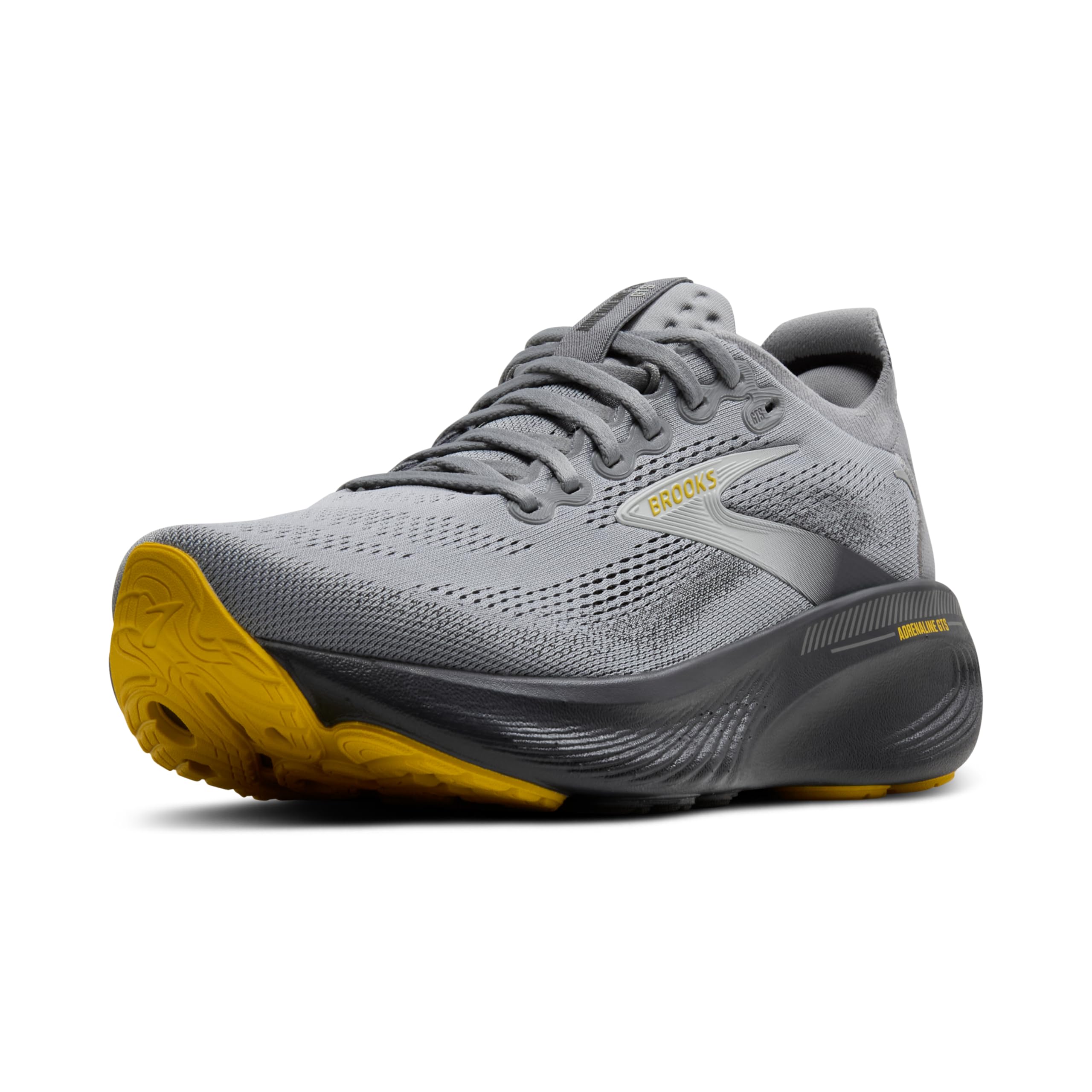
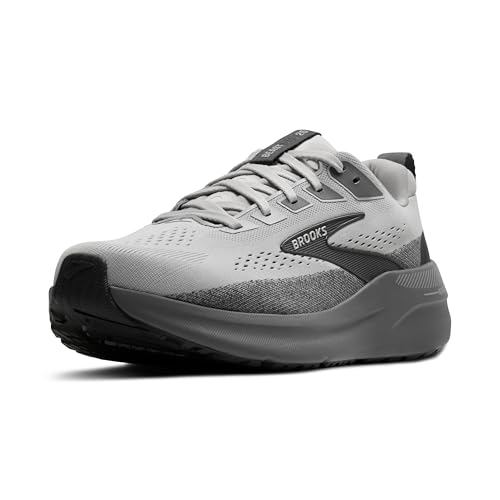

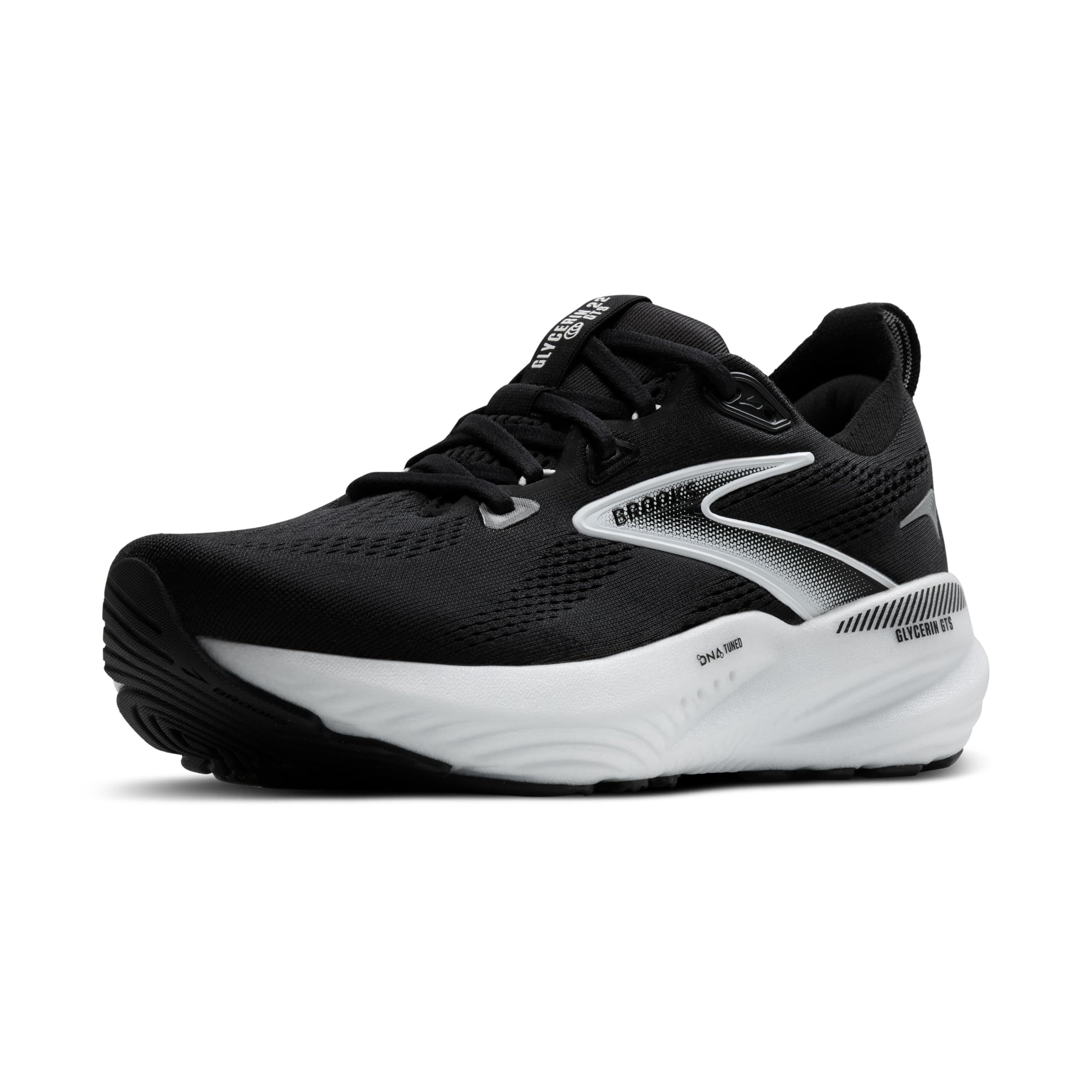
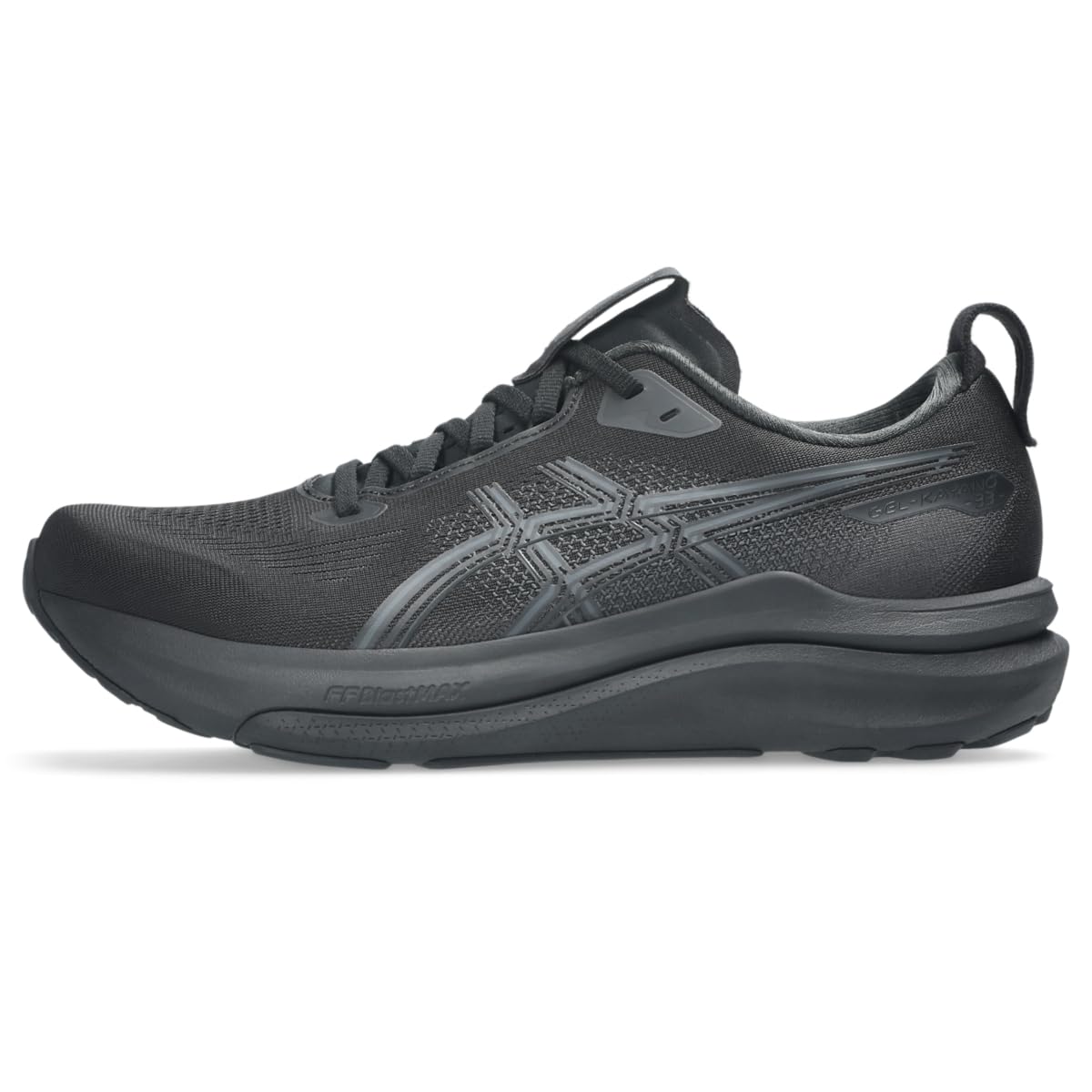
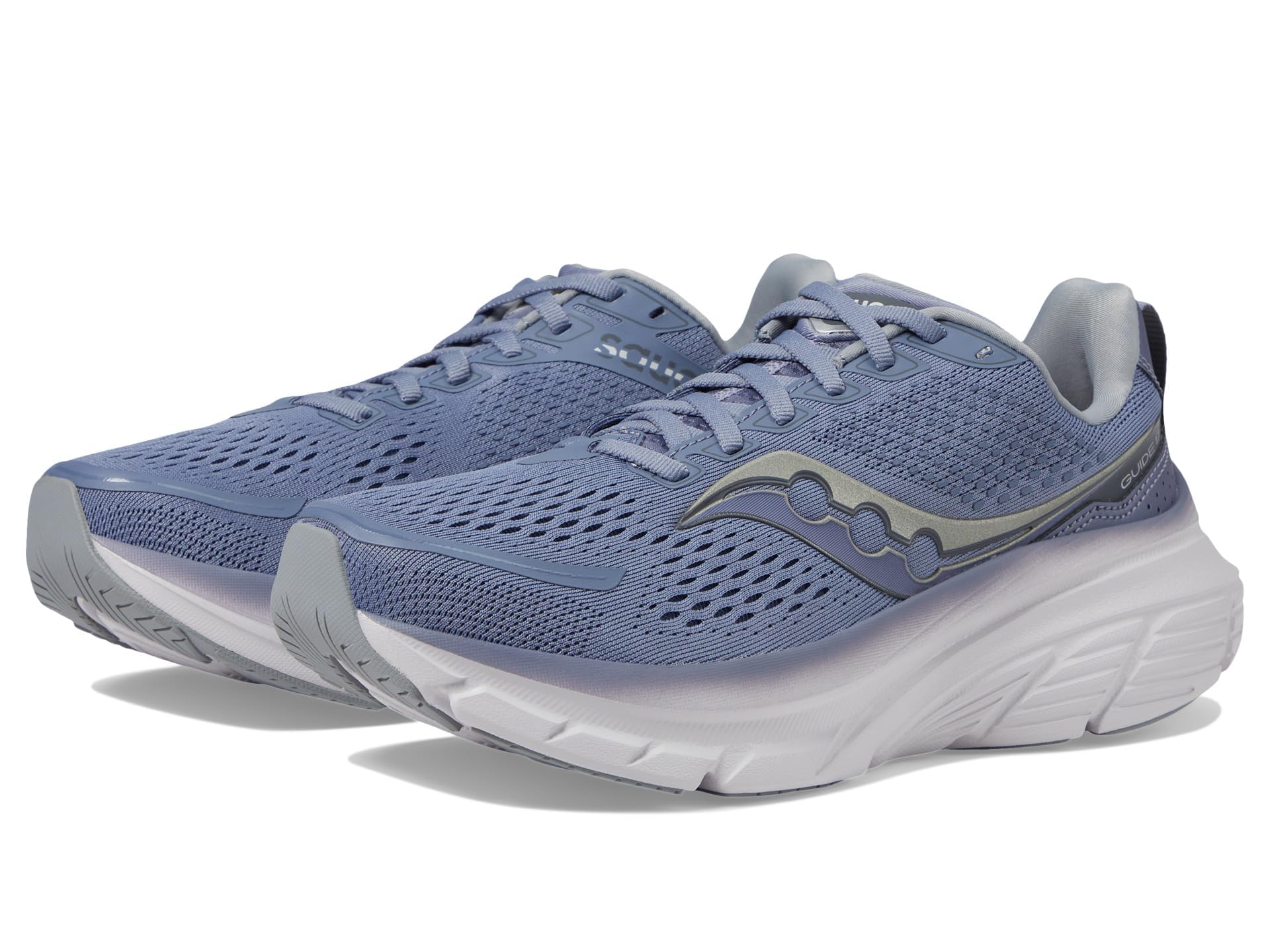
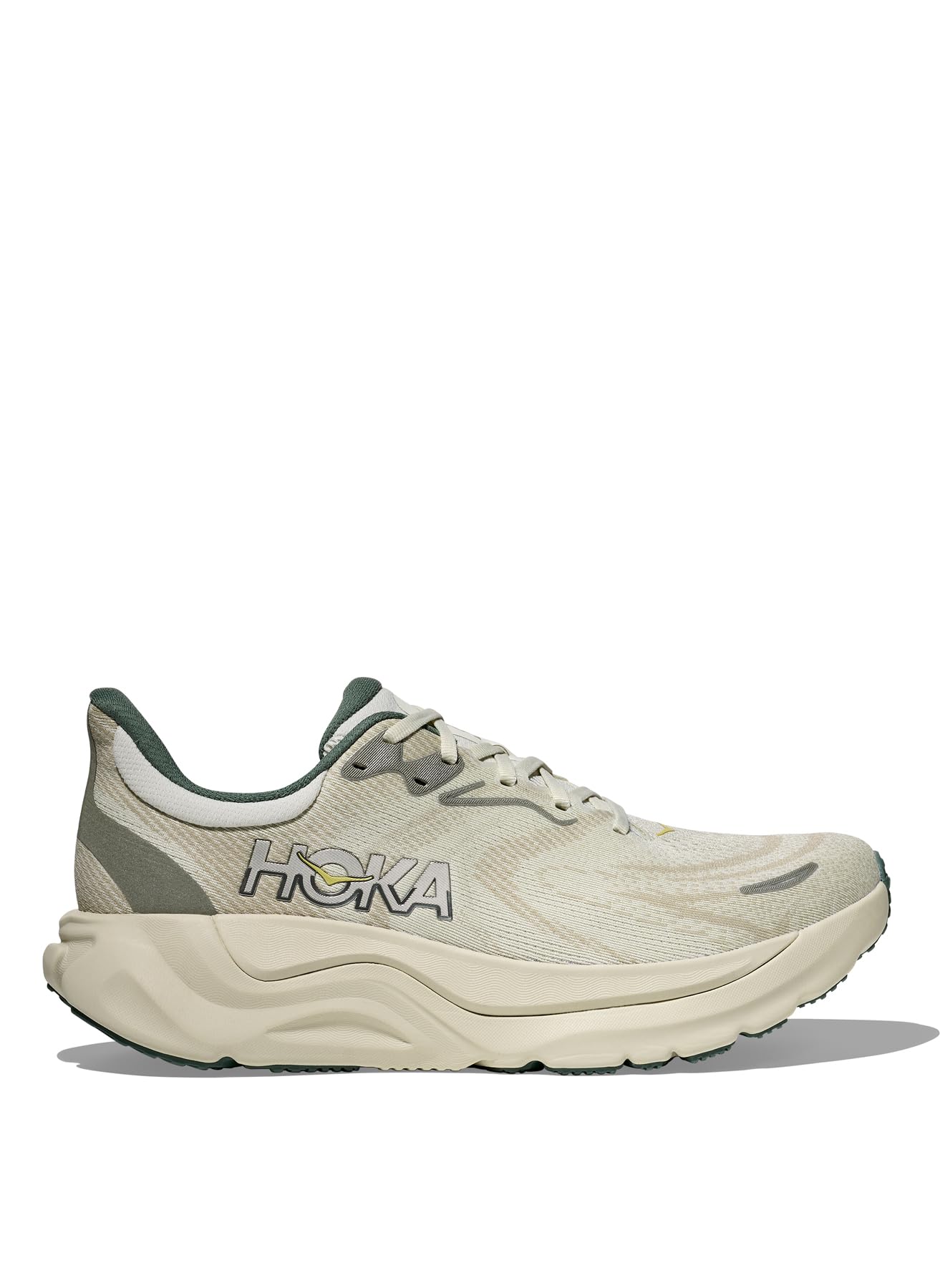

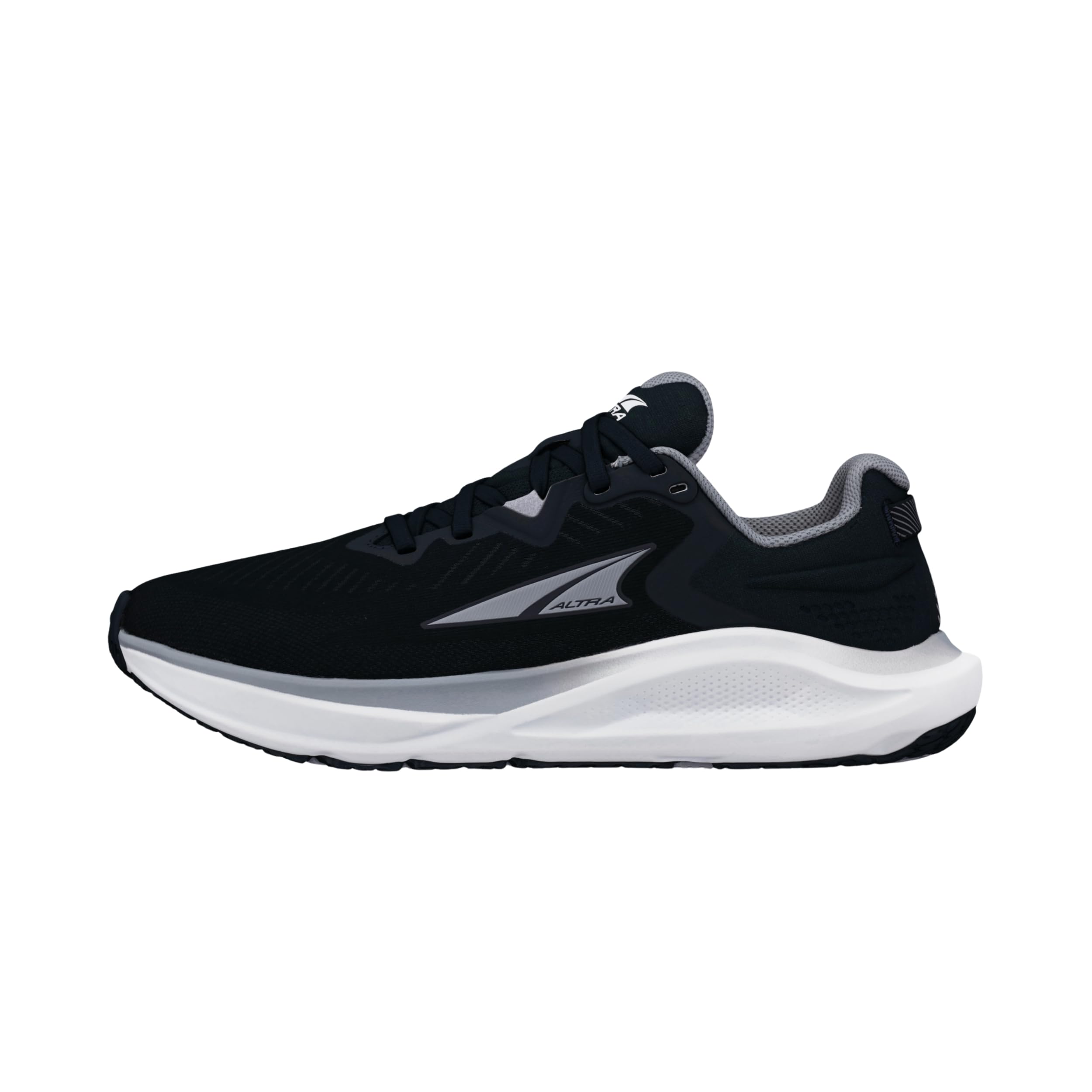
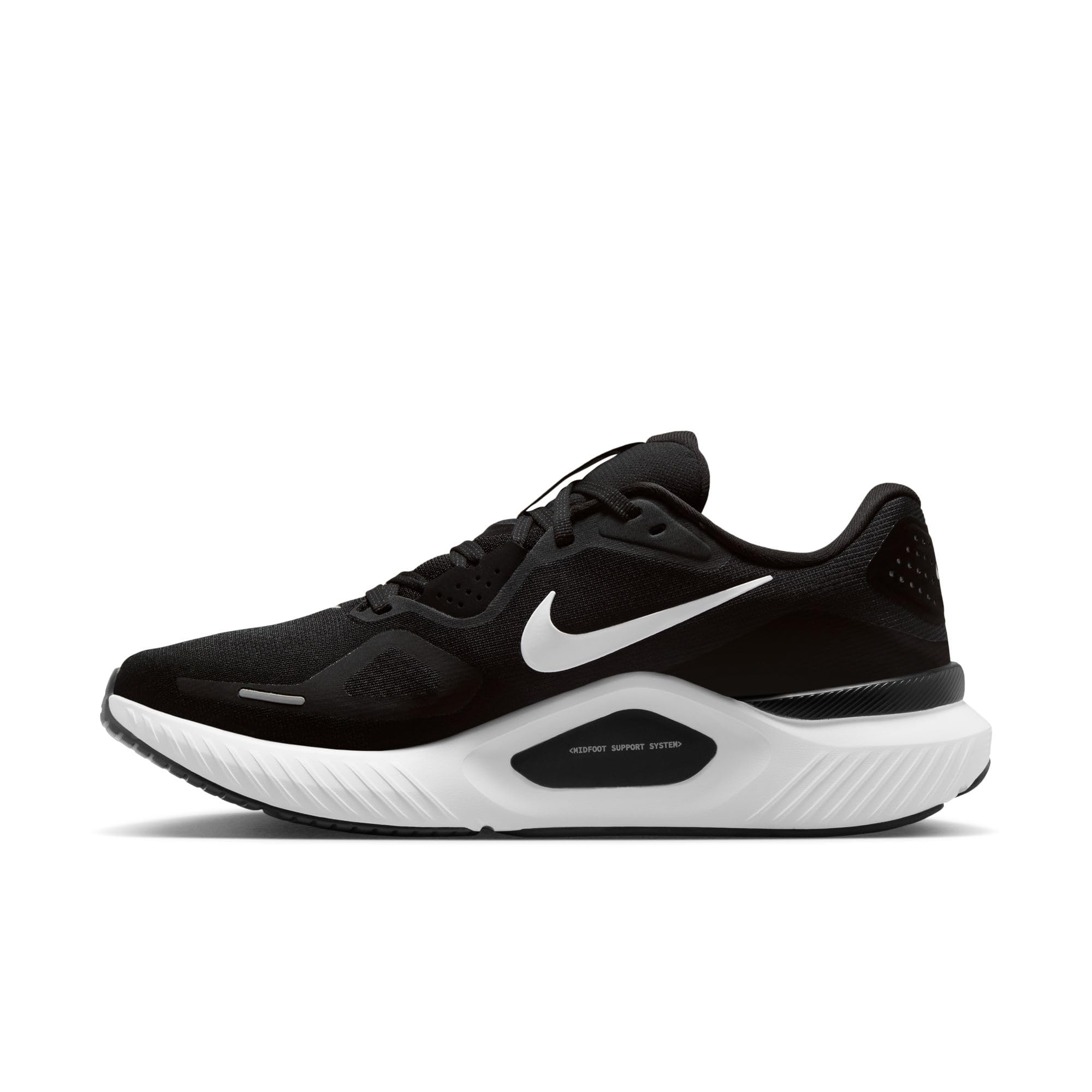
Who Should Choose the Best Athletic Shoes for Overpronation
Stability shoes suit people whose arches collapse inward, whose old shoes wear down faster on the inner edge, or who feel their ankles roll in. Neutral shoes may feel fine for others. A running store gait check or a quick look at the wear pattern on your old shoes can help you decide.
Stability Shoe Types Compared
Guide rail and support frame shoes
These use side rails or a supportive frame to limit extra movement while staying fairly flexible. Models like the Brooks Adrenaline and Beast lines follow this approach.
Firm medial post shoes
A denser foam wedge under the arch side resists inward roll. Many ASICS and Saucony stability shoes use this design.
Cushioned stability shoes
Models such as the Glycerin GTS and Hoka Arahi add soft foam on top of the support, which suits longer easy miles.
Key Features to Compare
- Level of support: mild, moderate or high
- Cushioning softness and heel to toe drop
- Width options, since stable shoes need a secure midfoot
- Weight and breathability for your climate
Fit and Care Tips
Try shoes in the afternoon, when feet are slightly larger, and wear your usual socks. Replace running shoes when the midsole feels flat or the tread wears smooth. If you have ongoing foot, knee or hip pain, talk with a clinician or podiatrist instead of relying on shoes alone.
How to Tell What Your Foot Does
Three quick checks give you a rough idea. First, look at the wear pattern on an old pair: heavy wear along the inside of the heel and forefoot suggests inward roll. Second, check your arch in a wet footprint check on paper, since a flat print often goes with a flatter arch. Third, ask a running store to watch you jog on a treadmill.
None of these is a medical diagnosis, but together they point you toward neutral or stability shoes. If you have recurring pain, a podiatrist can offer proper advice.
Budget and Value
Older stability models often sell at lower prices once a new version arrives, and the changes between versions are usually small. Premium stability trainers add softer foam and better materials, while lower priced options keep the guide rails and firm medial support that matter most. Spend more when you run often, since shoes with better foam keep their feel longer.
Common Mistakes to Avoid
- Choosing a stability shoe only because of the label, without trying the fit.
- Buying too short a size, which can make any shoe feel unstable.
- Keeping shoes long after the midsole has flattened.
- Expecting shoes alone to fix pain that needs professional advice.
Typical Specs of Stability Shoes
Most stability running shoes weigh about 9 to 11 ounces for a women's size 8 and 10 to 13 ounces for a men's size 10. Heel to toe drop usually sits between 8 and 12 mm, which keeps the Achilles relaxed and helps the guide system work. Midsole stack heights range from moderate, around 28 to 32 mm at the heel, to maximum cushion models above 35 mm. Medium width is standard, and many models also come in wide and extra wide sizes.
How much support is enough
Light support suits people whose arches only flatten a little. Moderate support, such as the Adrenaline or Guide families, covers most buyers. High support or motion control, such as the Beast, suits heavier runners or those who roll in a lot. More support is not always better: too much can feel rigid, so start at the lowest level that feels steady.
Walking and standing with stability shoes
Because the guide features stay active during walking, many people also wear stability shoes for long days on their feet. Choose a roomier fit with extra toe depth if your feet swell.
Price Tiers and Value
Current stability models from major brands cost roughly 110 to 180 dollars. Older versions, which are often nearly identical, can drop to 70 to 120 dollars. Entry stability walkers and trainers from value brands sit around 50 to 80 dollars. Spend more if you run regularly, since better foams keep their support for more miles.
Trying Stability Shoes Safely
Switch gradually if you are moving from neutral to stability shoes. Wear the new pair for short walks or easy runs for the first week, then alternate with the old pair. If a guide rail presses on the arch or the inside of the foot feels pinched, try a different model rather than forcing it. Stability should feel like gentle support, not a wedge under the foot.
Related Guides
Compare more options in best shoes for overpronation, best running shoes for overpronation and best athletic shoes for pronation. For general picks, see best athletic shoes.
Frequently Asked Questions
Do I need stability shoes if my feet roll in?
Not always. Mild pronation is normal, and many people do well in neutral shoes. Stability shoes can feel more secure if you notice rolling, uneven wear or discomfort in neutral models.
Are stability shoes heavier?
They can be slightly heavier or firmer than neutral shoes, but modern designs are much lighter than older motion control shoes.
Can I use stability shoes for walking and standing?
Yes. Many stability models are marketed for running and walking, and the extra support can feel steady on long days.
When should I replace them?
Most running shoes last a few hundred miles. Replace them when cushioning feels dead or the outsole shows heavy, uneven wear.
Will stability shoes fix pain?
Shoes can add comfort, but they do not treat medical problems. Speak with a podiatrist or doctor about recurring pain.
Final Thoughts
Match the amount of support to how your foot actually moves, keep the width comfortable and replace shoes on time. Compare models in the product table, and you can narrow down the best athletic shoes for overpronation for your routine with confidence.


