
Best Asics Running Shoes for Women: Fit, Cushioning and Support
Disclosure: We may earn a commission when you buy through links on this page, at no extra cost to you. As an Amazon Associate I earn from qualifying purchases. Learn more

Fit, cushioning, and gait support matter most. See how to choose the best asics running shoes for women, from daily trainers to stability models.
Shopping for the best asics running shoes for women can feel confusing, because every option promises the best experience and few explain the trade-offs. This guide focuses on what matters for your feet, your routes, and your budget, so you can choose with confidence.
Use the product table for a quick overview of the main options, then read the sections below to judge fit, cushioning, and support.

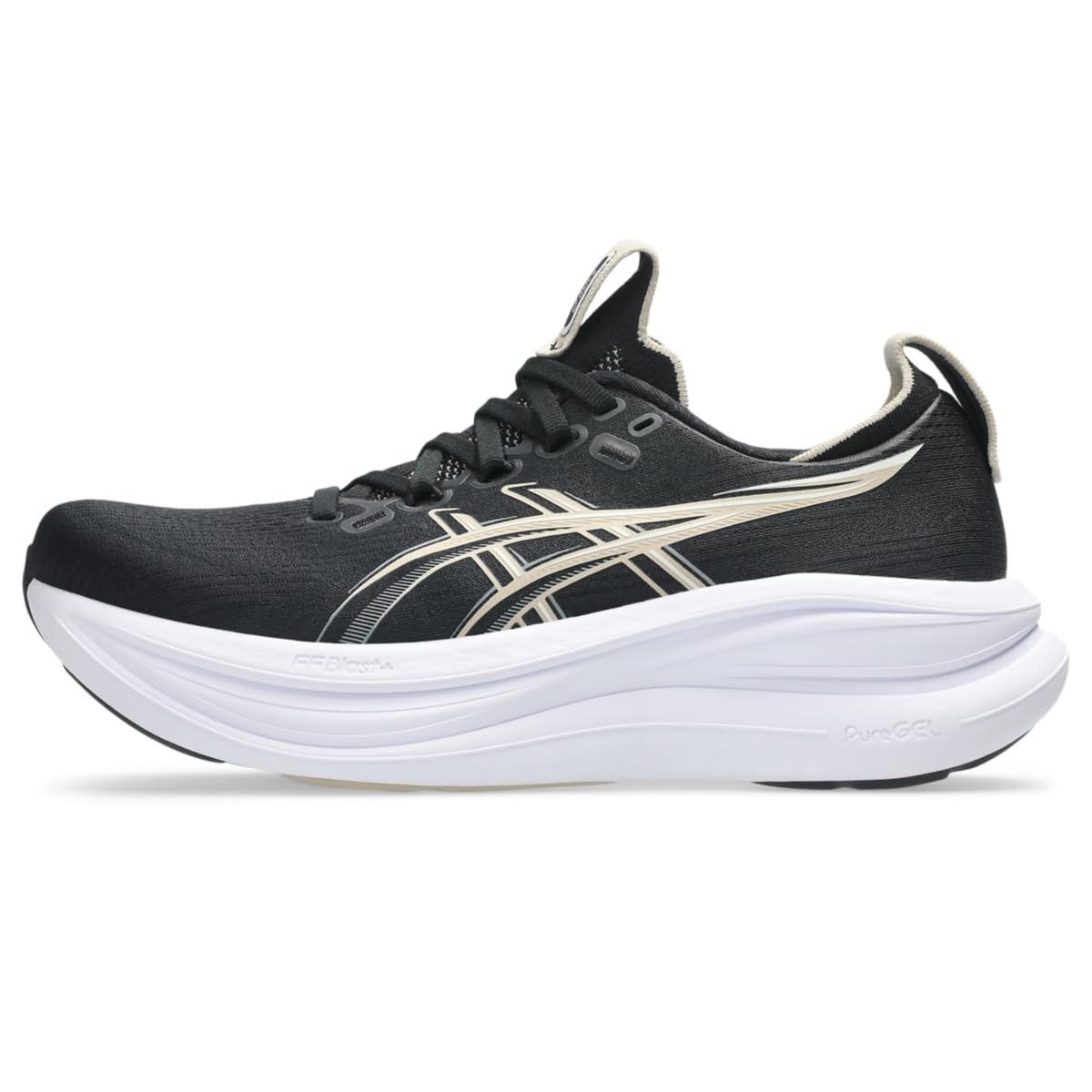


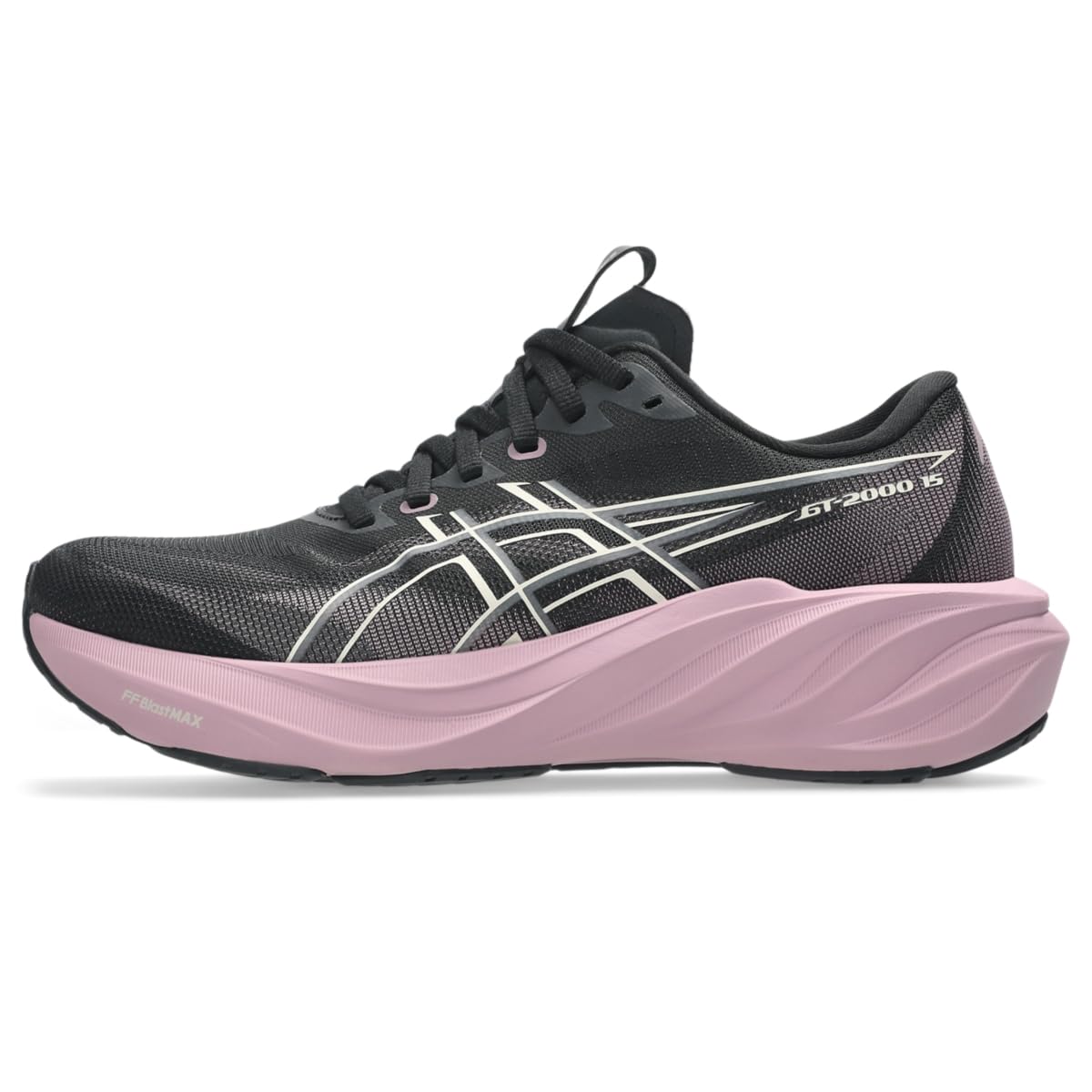
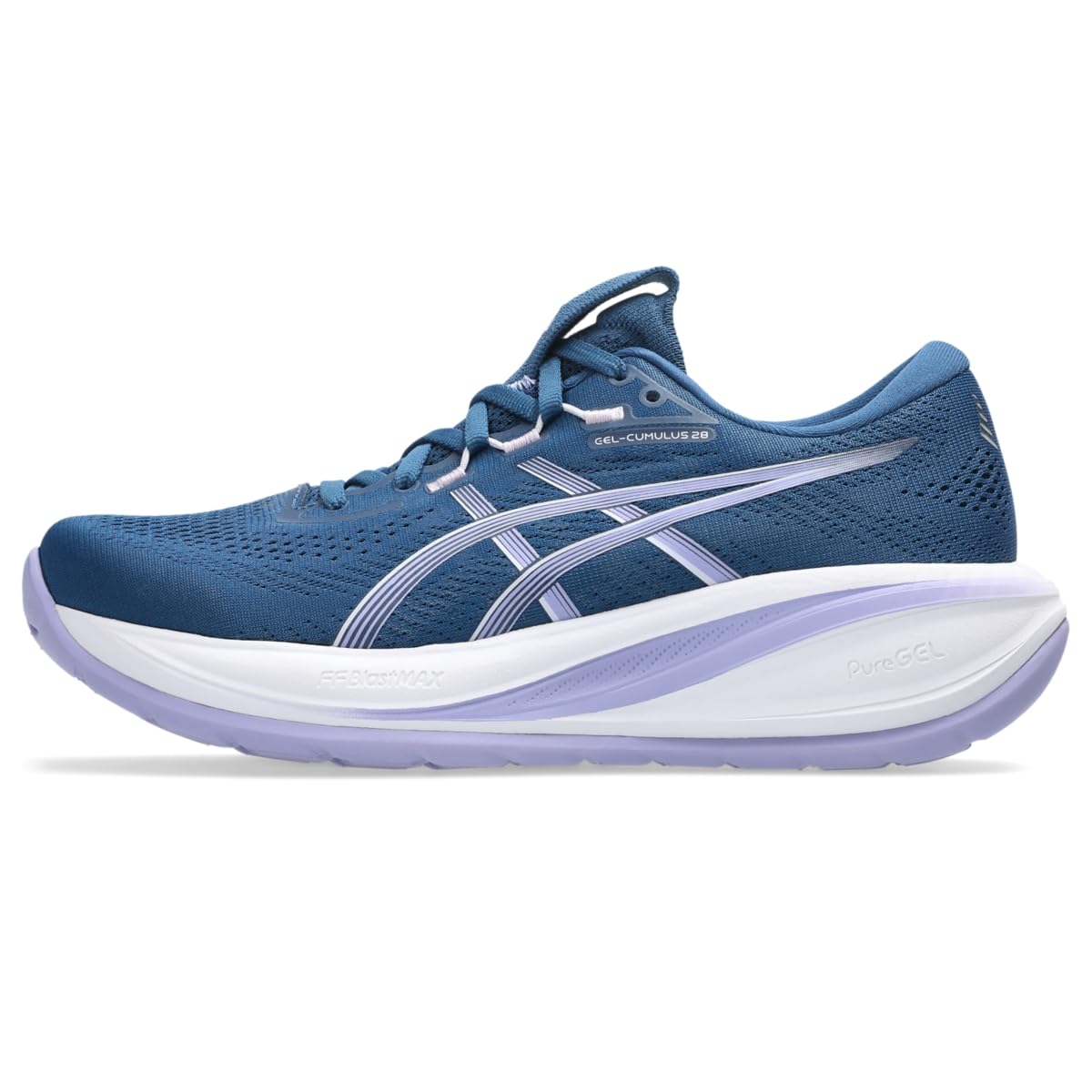

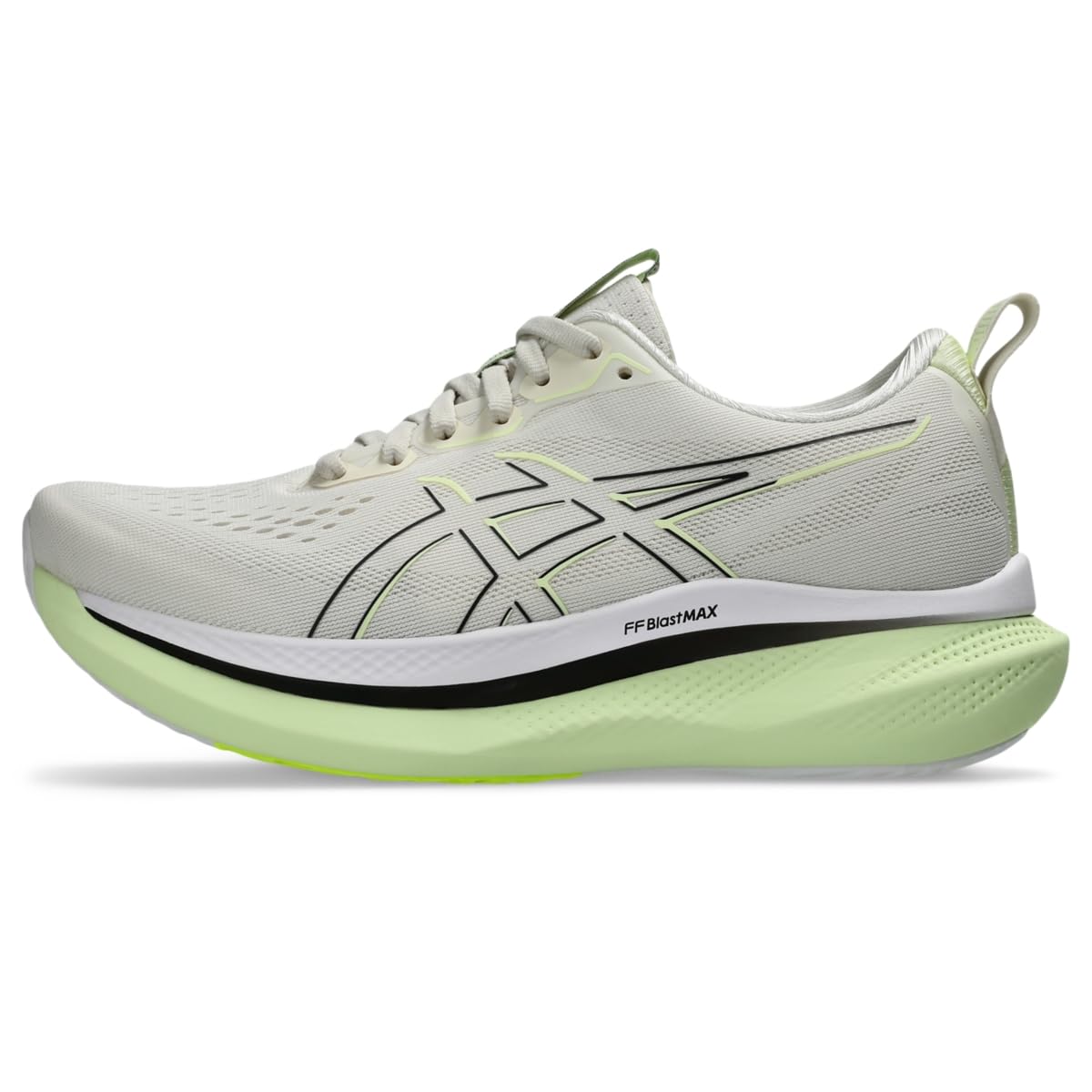


Who Should Use This Guide
Women runners, from beginners building a routine to experienced runners logging daily miles, need shoes that fit their feet and match their gait. Foot shape, arch height, and running surface all matter: a shoe that suits a neutral runner on roads may feel wrong for a runner who overpronates on trails. Start from your feet and your routes, not from a color or a trend.
Before you compare models, write down your main use, your budget range, and the one feature you will not compromise on. That short list filters out most options quickly.
Key Features of the Best Asics Running Shoes for Women
Fit Shaped for Women Runners
Women specific fits often use a narrower heel, a different arch placement, and a shorter overall length than unisex models, though individual feet vary widely. Try shoes later in the day, wear your running socks, and check that toes can wiggle without the heel slipping. A good fit prevents blisters and black toenails more reliably than any cushioning technology.
Cushioning for Daily Miles
Cushioning absorbs impact and keeps legs fresher on longer runs, but too much soft foam can feel unstable for some runners. Think about your longest regular run and your body weight, and choose cushioning that still feels supportive at the end of that run. Rotate two pairs if you run most days, so foam has time to recover between runs.
Stability for Your Gait
Runners who overpronate, where the foot rolls inward, often benefit from stability features that guide the foot, while neutral runners usually prefer a neutral shoe. A running shop gait check, or a video of your feet while running, can help you decide. If you have persistent pain, swelling, numbness, or a foot injury, talk with a clinician before choosing a stability shoe as a fix.
Breathability for Warm Runs
Mesh uppers that breathe well keep feet cooler and drier on warm days, which reduces blister risk. In wet or cold conditions, a more closed upper or a water resistant model may suit better. Balance breathability against durability, because very light mesh can wear faster at the toes or where the foot flexes.
Durability and When to Replace
Running shoes gradually lose cushioning and support, often before the outsole looks worn. Track your mileage, and notice new aches, uneven wear, or a flattened feel underfoot. Most runners replace road shoes after several hundred miles, though weight, surface, and gait change that figure. Replacing on time protects knees, feet, and running enjoyment.
Types Compared
Road shoes suit pavement and treadmill running with smooth cushioning, trail shoes add grip and protection for uneven ground, and racing shoes trade durability for lightness on race day. Stability shoes guide overpronation, neutral shoes suit a natural gait, and cushioned shoes prioritize comfort for long, easy miles. Match the shoe to your main surface first.
Judge each type against your own routine rather than an ideal user. A type that wins for a high-mileage runner may be overkill for someone who jogs twice a week.
Common Mistakes to Avoid
Buying a size too small, choosing a stability shoe without knowing your gait, ignoring sock choice, and running in worn out shoes are common errors. Another mistake is breaking in new shoes on a long run or race day. Wear new shoes for short runs first, and keep your old pair until the new pair proves comfortable.
Setup and Everyday Care
Untie laces before removing shoes, air them after runs, and avoid machine washing unless the maker allows it. Rotate pairs to let foam recover, and store shoes away from direct heat. Clean mud gently, check laces and insoles regularly, and replace insoles if they compress or slip.
For related choices, see the guides to best running shoes, best asics running shoes, and best asics shoes for women, which use the same approach and help you compare nearby options.
If most of your runs are off-road, the best trail running shoes for women guide covers that choice.
Budget Tiers in Plain Terms
Budget running shoes cover short, easy runs and beginners well, with reliable comfort for modest mileage. Midrange shoes add better cushioning, durability, breathability, and support for regular runners logging several runs a week. Premium shoes offer advanced cushioning and lighter builds for high mileage runners and racers. Match the tier to your weekly mileage, not to your ambition alone.
A Closer Look at Everyday Use
Think about your running life across seasons. A shoe that feels perfect in cool weather may feel hot in summer, and a shoe that grips dry pavement may slip on wet leaves. Summer runs call for breathable uppers and moisture-wicking socks, while winter runs call for more coverage.
Consider your training cycle too. Base-building weeks need reliable cushioning for high mileage, while race preparation weeks need shoes you trust at faster paces. Rotating two pairs helps with both. New knee, ankle, or foot discomfort after a shoe change deserves attention, and persistent pain, swelling, or numbness should prompt a visit to your doctor rather than a new shoe purchase.
Keep a simple log of mileage, surfaces, and comfort. That record turns vague feelings about worn shoes into a clear replacement decision.
Frequently Asked Questions
How should women running shoes fit?
They should fit snug at the heel and midfoot with room for toes to wiggle, and about a thumb width between your longest toe and the shoe front. Try them later in the day with running socks, and walk and jog in them before buying. If your heel slips or toes feel cramped, try another size or width rather than hoping the shoe will stretch.
Do I need a stability shoe or a neutral shoe?
It depends on your gait: runners whose feet roll inward noticeably often benefit from stability features, while neutral runners usually prefer neutral shoes. A gait check at a running shop or a video of your running can help. If you have persistent foot, ankle, or knee pain, talk with a clinician, because a shoe alone may not address the cause.
How often should I replace running shoes?
Most road running shoes last several hundred miles before cushioning and support fade, though the exact figure varies with weight, surface, and gait. Watch for new aches, uneven wear, or a flat feeling underfoot. Tracking mileage in a simple log helps you replace shoes before worn cushioning causes problems.
Can I use road running shoes on trails?
Light, dry trails are fine in road shoes, but muddy, rocky, or steep trails call for trail shoes with deeper grip and toe protection. Road shoe soles can slip on wet rock and roots, and their mesh can tear on rough ground. Choose trail shoes if trails are a regular part of your routine, not an occasional detour.
Are women specific running shoes really different?
Women specific models often differ in last shape, heel width, and cushioning tuning, but the best shoe is the one that fits your individual foot. Some women prefer unisex models, and that is fine. Judge by fit, comfort, and gait support rather than by the label, and try several options before deciding.
Final Thoughts
Use the product table to narrow the options, use this guide to judge features, and trust a choice that fits your budget, your routine, and your comfort. Keep that focus, and the best asics running shoes for women will serve you well for a long time.


