
Best Asics Running Shoes for Men: Types, Fit and Cushioning
Disclosure: We may earn a commission when you buy through links on this page, at no extra cost to you. As an Amazon Associate I earn from qualifying purchases. Learn more

Learn how to match cushioning and support to your stride when choosing the best asics running shoes for men, with fit tips and common mistakes.
Asics makes running shoes for almost every kind of male runner, from lightweight racers to heavily cushioned daily trainers. Picking the right pair starts with how your foot lands and how far you run each week. This guide to the best asics running shoes for men explains the main shoe types, the fit details that matter, and the mistakes that lead to returns.
Use the product table to compare options, then use the sections below to decide which type fits your routine.
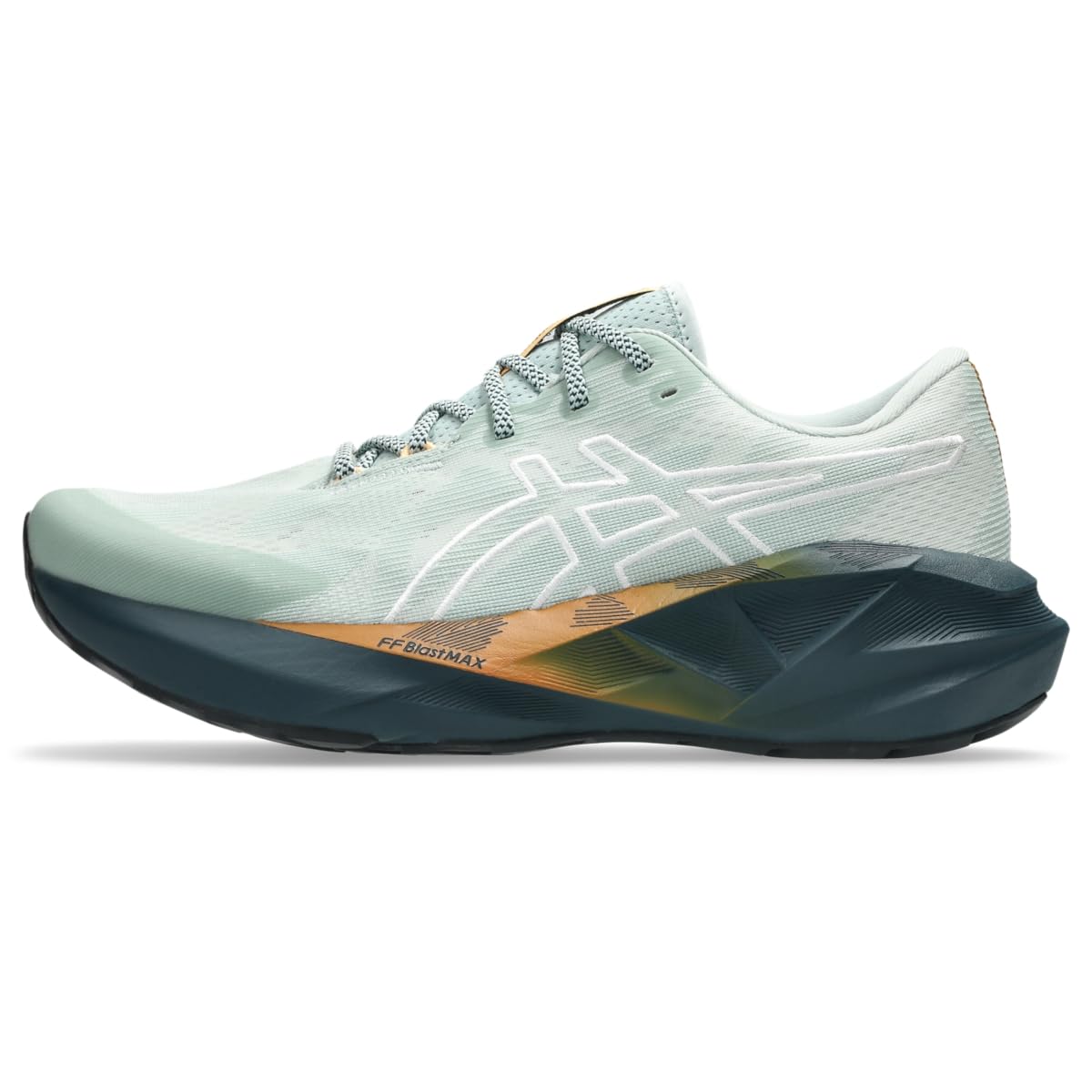
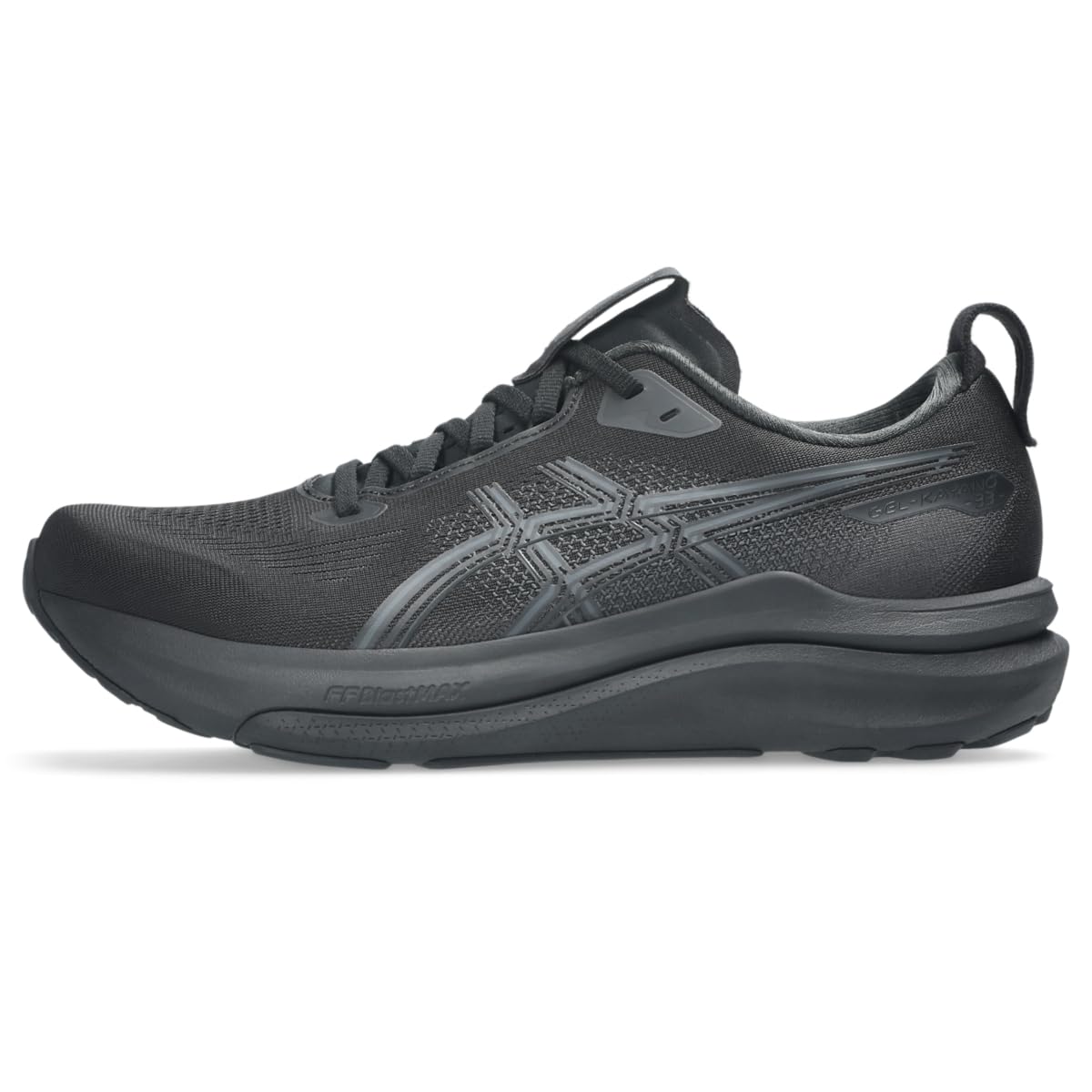
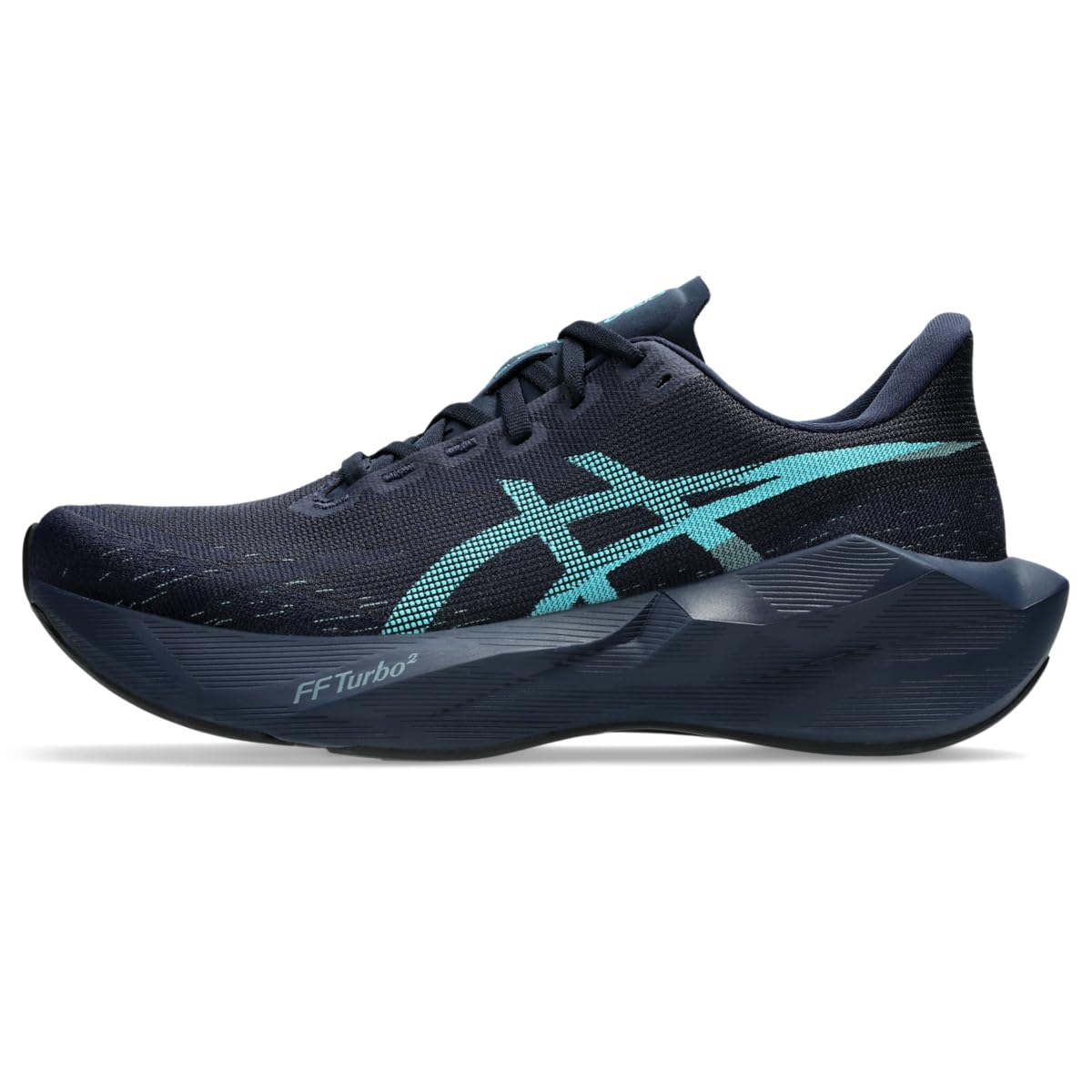
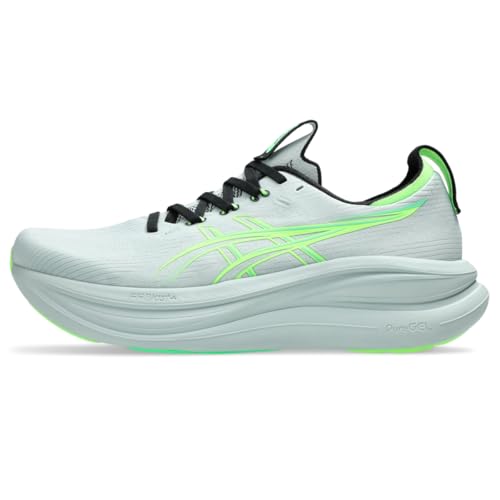

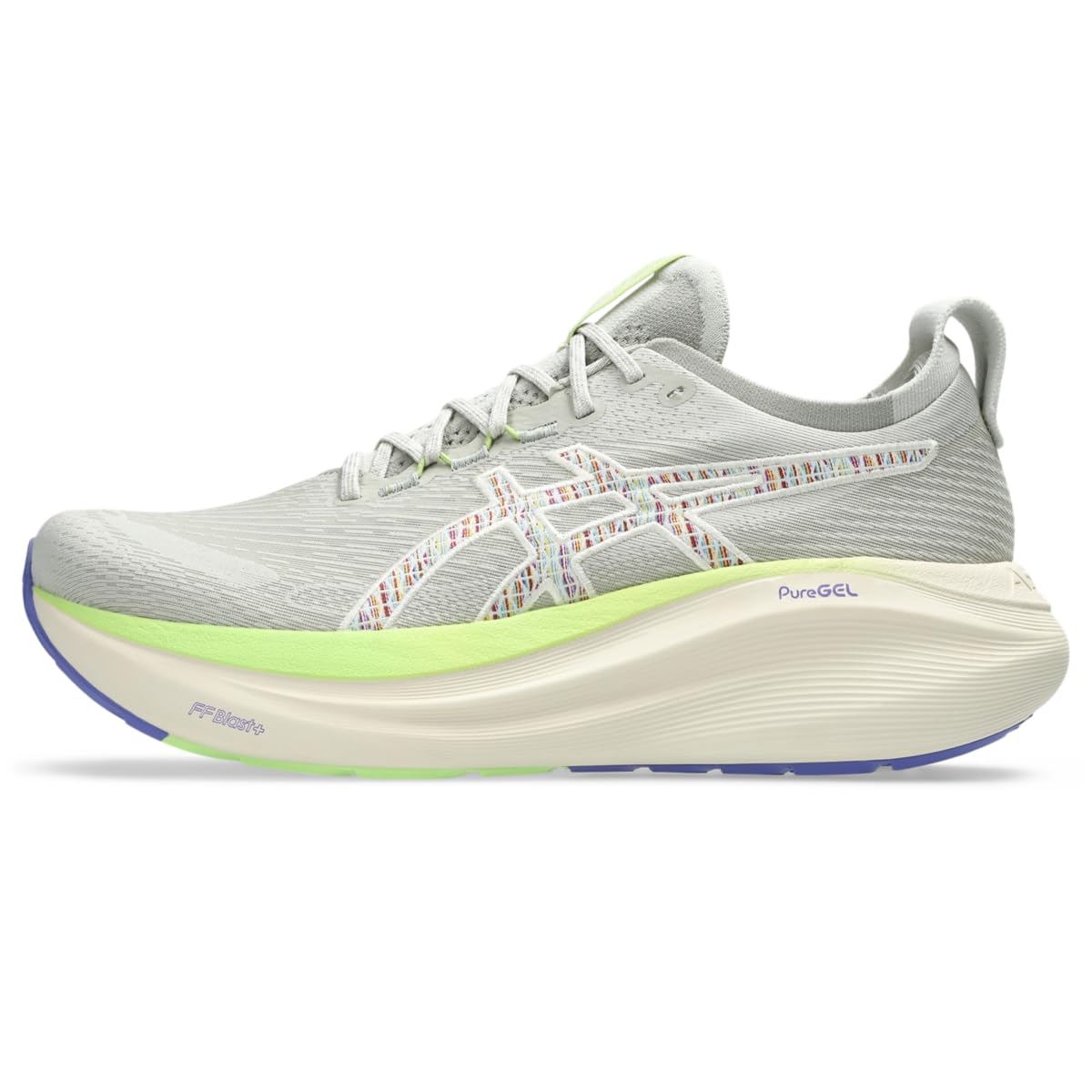
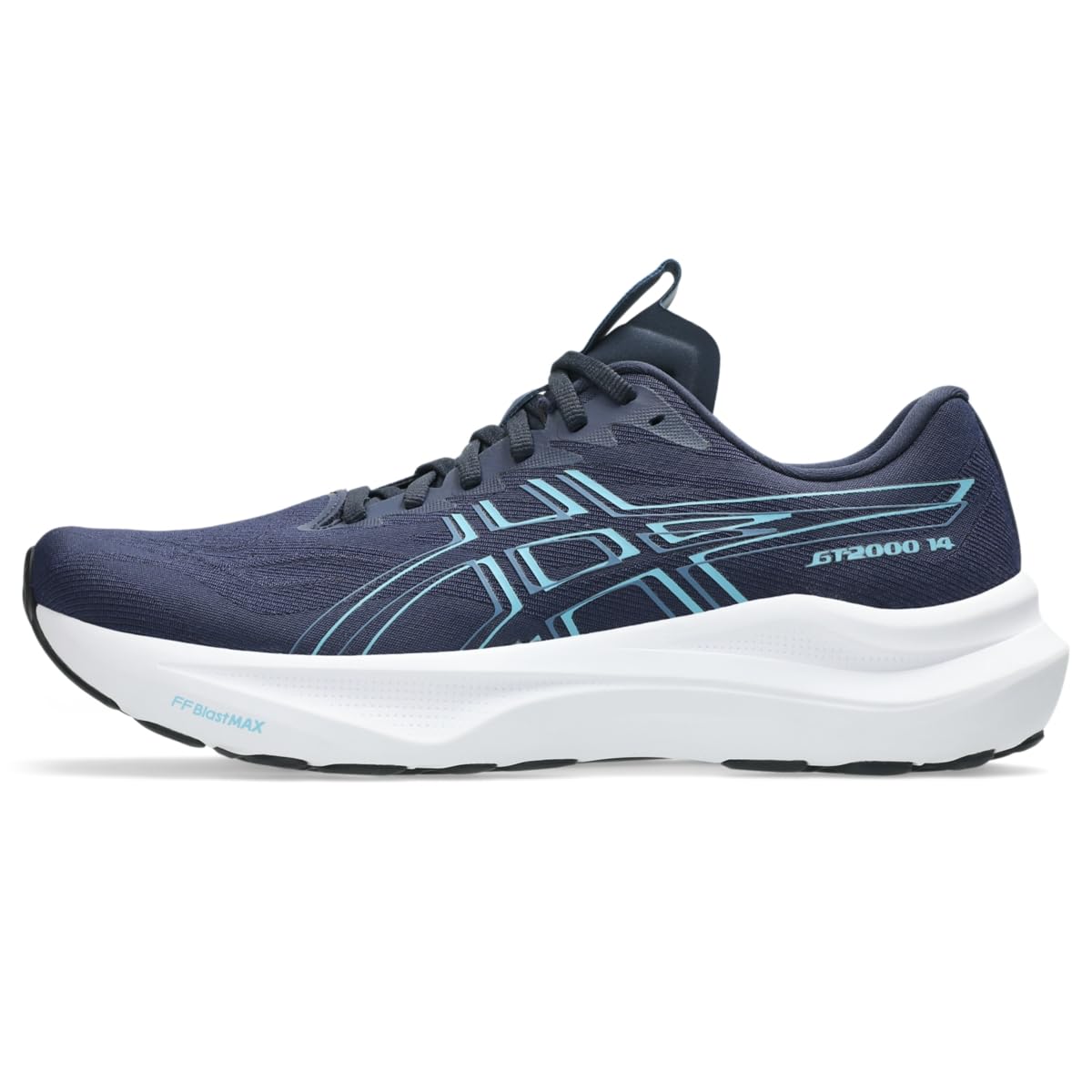

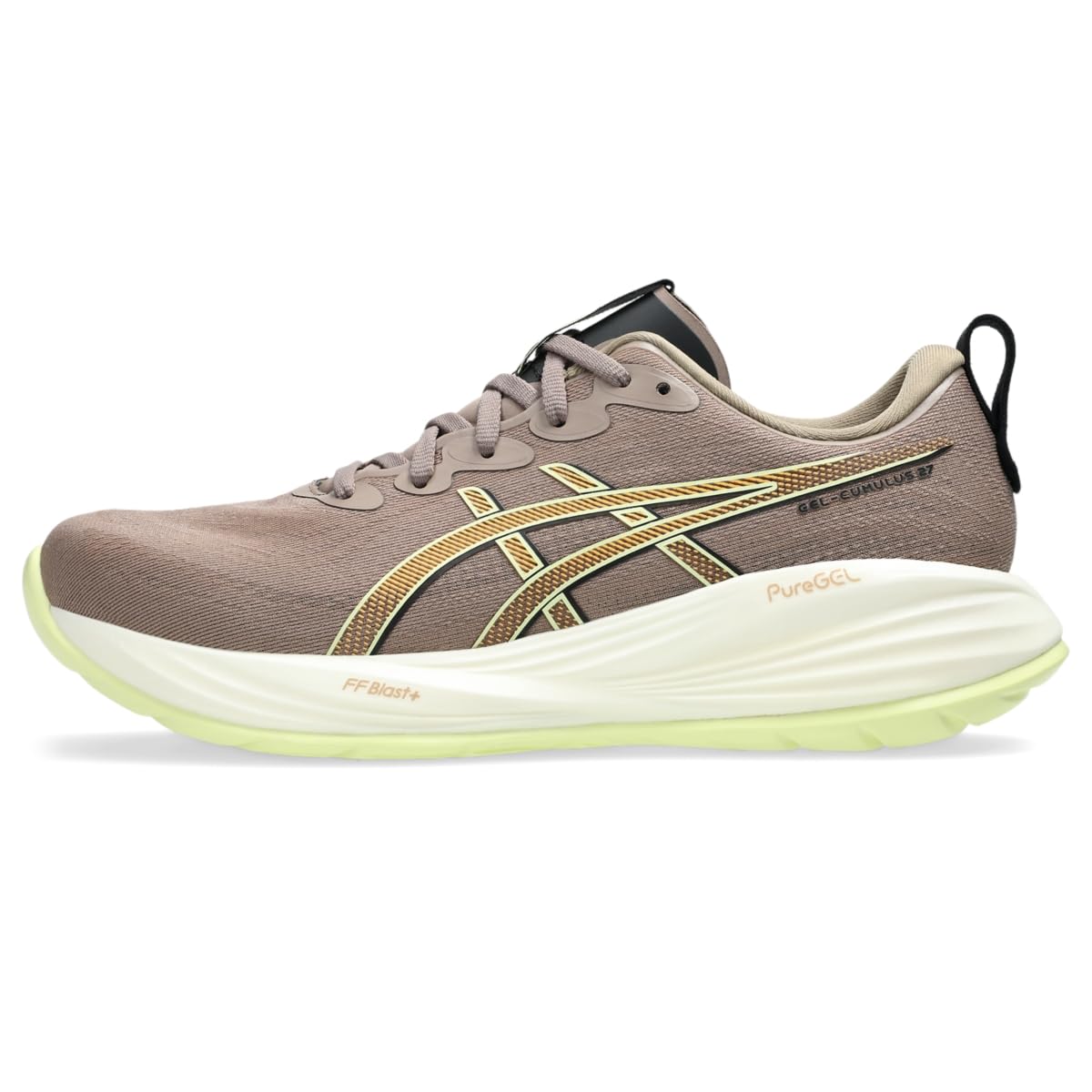
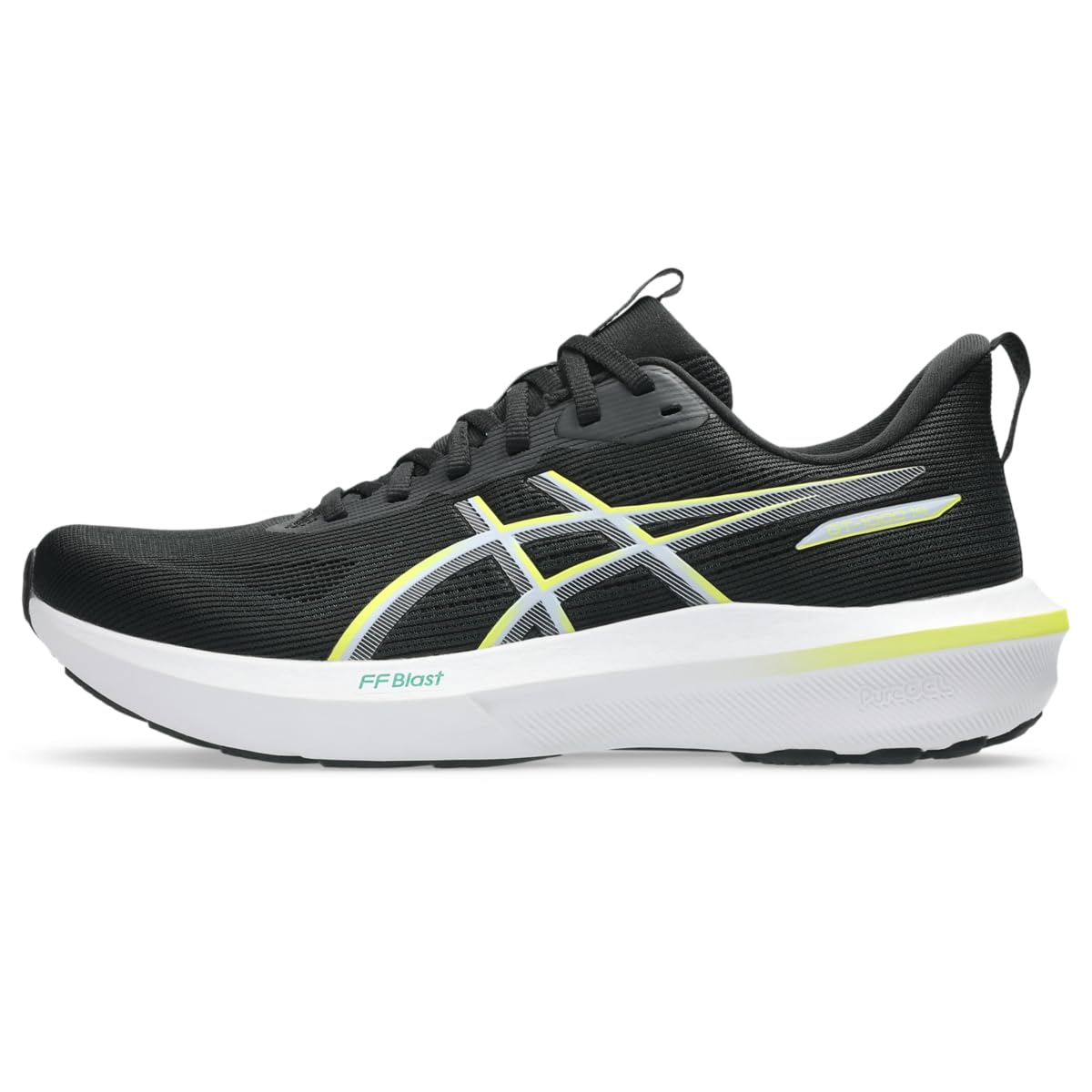
Who These Shoes Suit
These shoes suit men who run regularly on roads, treadmills, or paved paths and want cushioning, support, and durability matched to their stride. They also suit men who are building a base for a first 5K or 10K, because Asics offers forgiving, well-cushioned options that are easy on the legs.
Heavier runners often prefer a tall midsole and a wider base, while lighter runners may like a more flexible, responsive feel. Trail runners and track sprinters need different shoes, so look at dedicated models for those jobs.
Types Compared
Neutral cushioned shoes
Made for runners whose feet roll evenly, these shoes put soft foam under the heel and forefoot. They suit easy daily miles, long runs, and recovery days, and they are the most common choice for men with a normal arch.
Stability shoes
Stability models add a firmer section on the inner side of the midsole or a wider platform for feet that roll inward. Many men who feel knee or arch fatigue late in a run do better in this type.
Lightweight tempo shoes
These shoes cut weight and cushioning to feel closer to the road. They are good for intervals, race day, and quick tempo runs, but most men want a softer pair for the bulk of their mileage.
Max-cushion shoes
With the tallest midsoles, max-cushion trainers protect tired legs on long runs and for men who run on hard pavement most days. They are heavier, but many runners accept that for the comfort.
What to Compare in the Best Asics Running Shoes for Men
- Cushioning feel: soft and plush, balanced, or firm and fast. Think about how you feel after 45 minutes, not just in the first mile.
- Support: neutral for even footstrikes, stability for inward roll.
- Outsole: solid rubber at the heel and forefoot lasts longer on rough pavement and grips better when wet.
- Fit and width: many models come in regular and wide widths. A snug heel and a roomy toe box prevent blisters.
- Weight and drop: a lighter shoe feels quicker, while a higher drop can ease strain on the Achilles and calf.
When two shoes look alike, comfort and fit decide. Price usually follows cushioning and technology, so expect to spend roughly $100 to $180 for a quality daily trainer.
How to Choose Step by Step
- Pick your main use: easy miles, long runs, speed work, or a mix.
- Decide whether you need neutral or stability support. Worn soles on old shoes can hint at how you land, and a running store can check your gait.
- Try shoes in the afternoon with your running socks, leaving a thumb's width in front of the longest toe.
- Walk and jog a little to check the heel hold and the arch feel.
- Pick the pair that disappears on your foot, not the one with the loudest color.
Matching Shoes to Your Running Week
Most men get the best results from one reliable daily trainer for easy and medium runs. If you run three or four times a week, a single well-cushioned neutral or stability pair is usually enough. Add a second shoe when your mileage grows: a softer pair for long runs, or a lighter pair for faster sessions.
Heavier runners should pay attention to midsole durability, because foam compresses faster under more weight. Runners who log most miles on a treadmill can choose a lighter, more breathable upper, while those who run in cold rain may prefer a denser upper and a grippy outsole. If you run in the dark, look for reflective details on the upper.
Everyday Use and Care
Break new shoes in over a few short runs, and keep them for running instead of daily wear so the foam lasts. Replace them after roughly 300 to 500 miles, or sooner if the midsole feels flat, the tread is worn through, or new aches appear.
Rotating two pairs gives the foam time to recover between runs and often makes both last longer. Air dry wet shoes away from heat, and never put them in a dryer.
Common Mistakes to Avoid
- Choosing by color or by a favorite athlete instead of fit.
- Buying your dress shoe size without checking the running fit.
- Picking stability shoes you do not need, which can feel stiff.
- Judging cushioning in a store instead of on a run.
- Waiting too long to replace worn shoes.
Related Buying Guides
To compare across brands, see the best running shoes guide or the broader best asics running shoes roundup. Men who prefer another brand can read about the best nike running shoes for men, and larger runners can check the guides for overweight men and large men.
Frequently Asked Questions
How do I know if I need stability shoes?
Look at wear on old shoes and, if possible, get a gait check at a running shop, because inward rolling is hard to judge on your own. Stability shoes help some runners, but they can feel firm and restrictive for runners who do not need them.
How often should I replace running shoes?
Replace shoes when cushioning feels flat, the outsole is worn through in key areas, or new aches appear after runs that used to feel fine. Mileage guides vary, so feel and wear matter more than a fixed number.
Should I buy a half size larger?
Many runners choose a half size up from dress shoes to leave room for feet that swell during a run. Check that the heel stays secure and the toes do not press the front on downhills.
Are Asics shoes good for wide feet?
Some models come in wide widths, so check the width options for the exact model rather than assuming the whole range fits wide feet. A wide fit should feel roomy across the forefoot without the heel slipping.
When should I seek advice about pain?
Seek advice from a clinician if pain is sharp, persistent, or worsening, or if you notice swelling, numbness, or weakness. A shoe can support comfort, but it does not replace professional assessment.
Final Thoughts
Choosing the best asics running shoes for men comes down to matching the shoe type to how you run and how often. Compare a short list in the product table, check the fit with your running socks, and give new shoes a few easy runs before a long one. If you have ongoing foot or joint pain, talk with your doctor before you decide.


