
Best Asics Shoes for Women: Types, Fit and Care Guide
Disclosure: We may earn a commission when you buy through links on this page, at no extra cost to you. As an Amazon Associate I earn from qualifying purchases. Learn more

Match cushioning, support, and fit to how you walk, jog, or train. Learn how to choose the best asics shoes for women, from running to lifestyle.
Asics makes shoes for running, walking, training, and everyday wear, so the right pair depends on how you plan to use it. This guide to the best asics shoes for women explains the main shoe types, the features that decide comfort, and the fit checks that prevent returns.
Use the product table to compare options, then read the sections below to match a shoe to your routine.

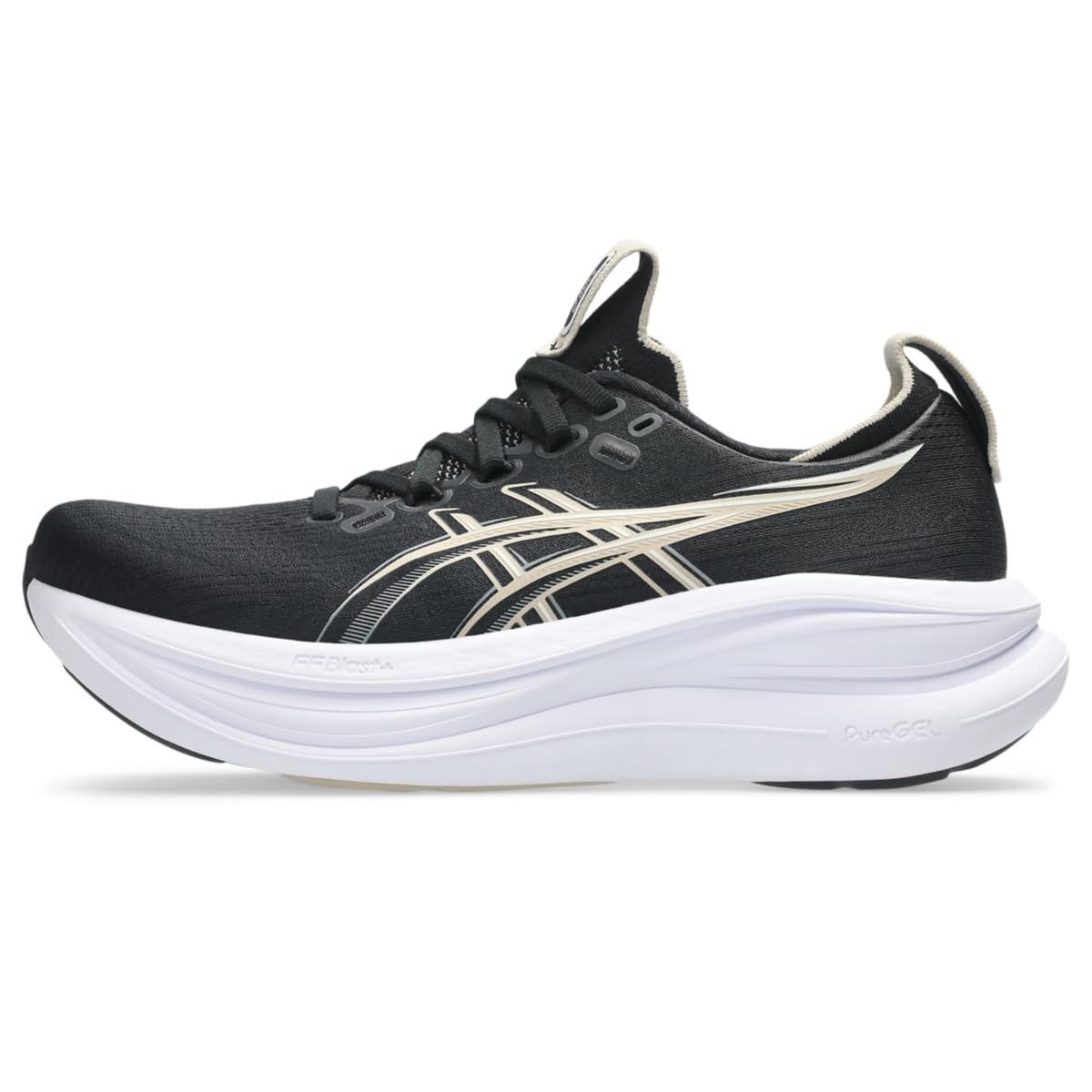


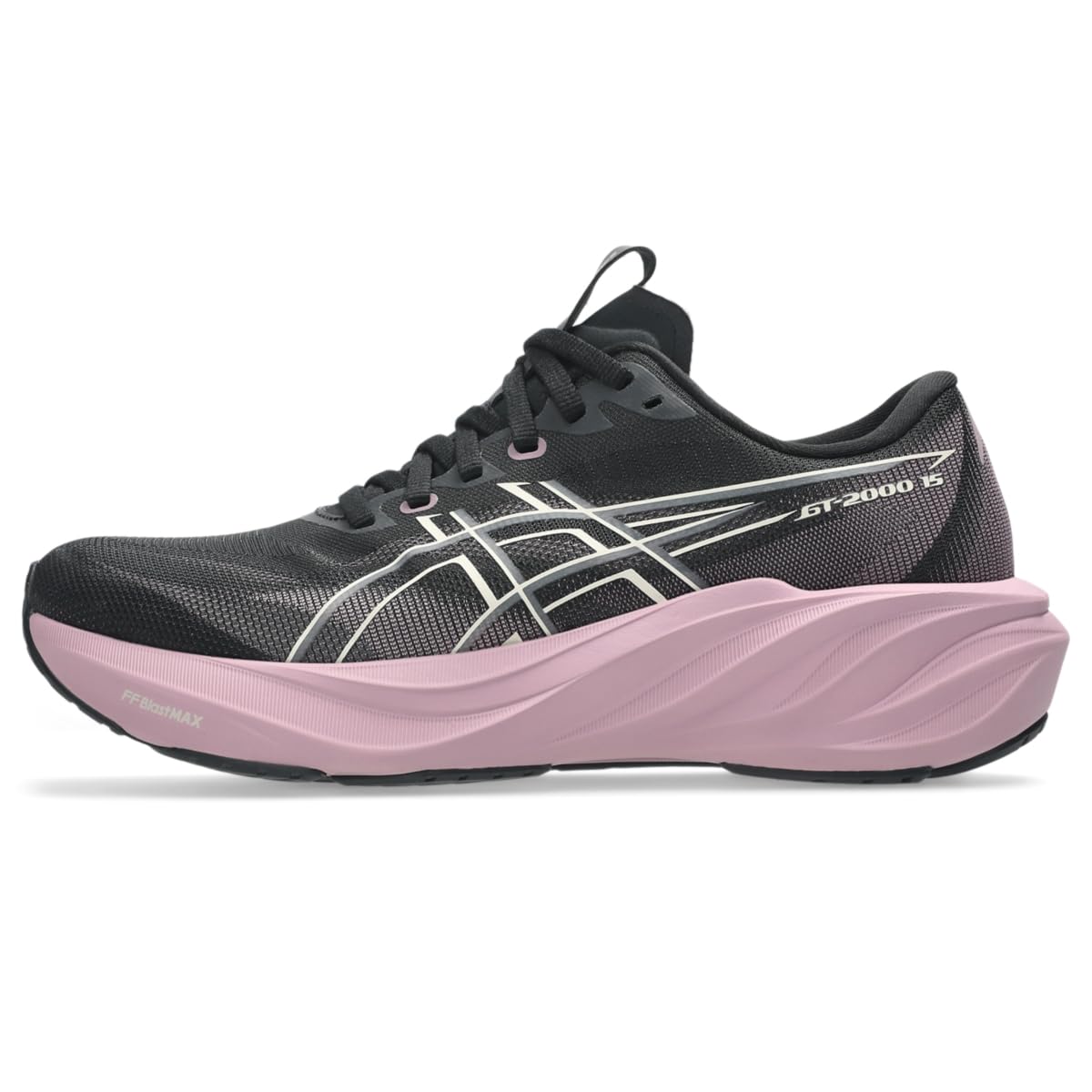
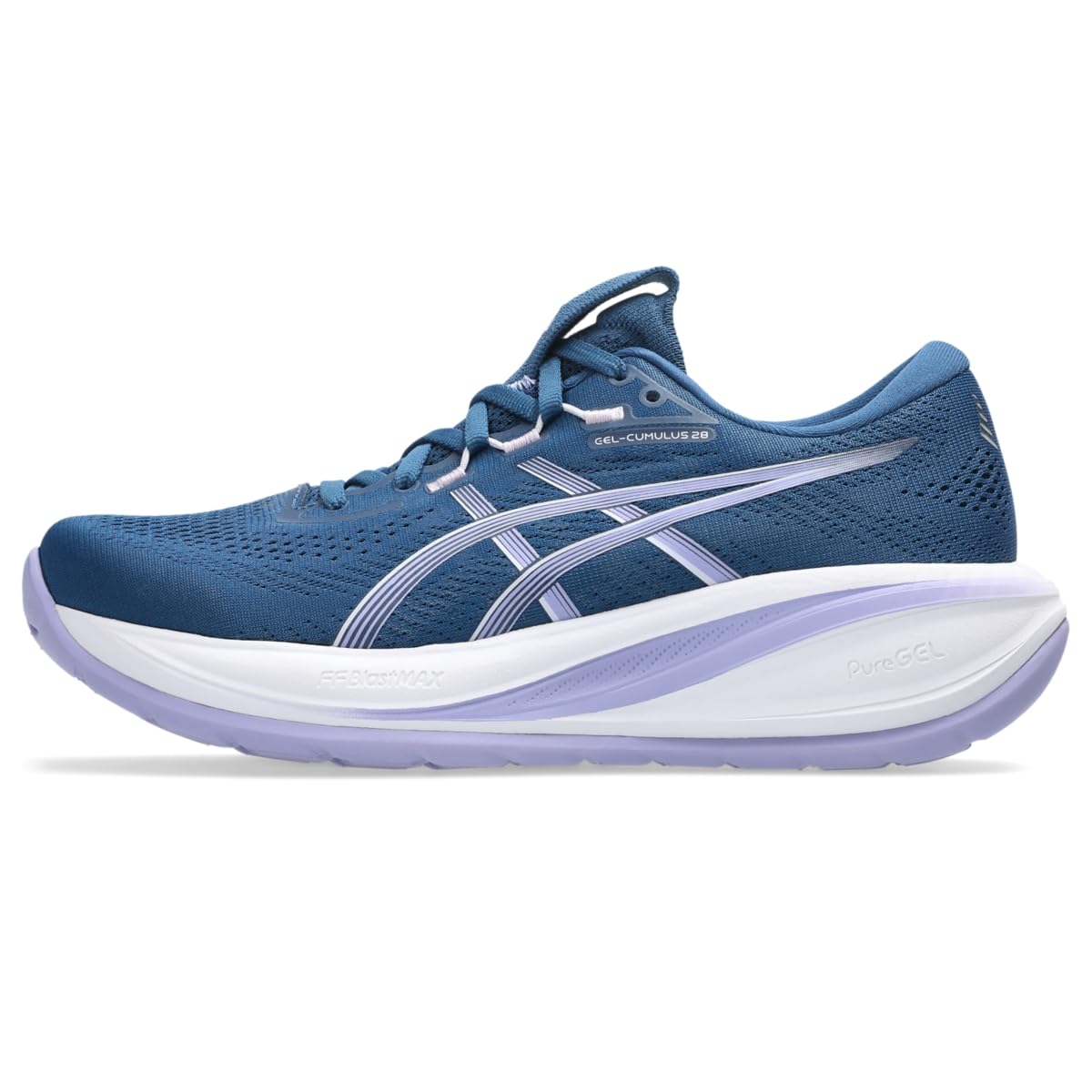

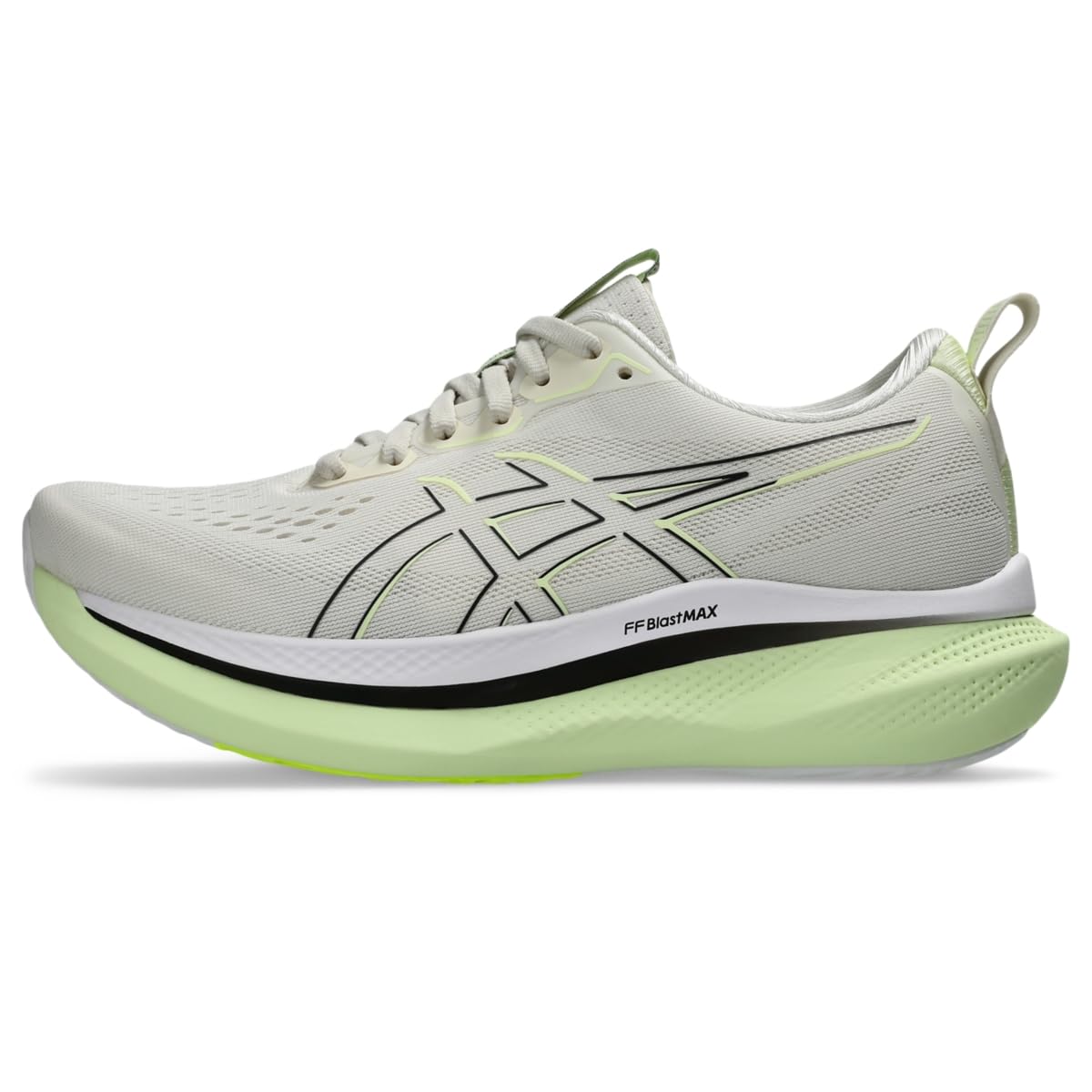


Who These Shoes Suit
These shoes suit women who walk, jog, work out, or spend long days on their feet and want cushioning that is easy on joints. They also suit women who prefer an athletic look for errands and travel. If you play a court sport or hike rough trails, look for shoes built for that activity instead.
Types of Asics Shoes for Women
Running shoes
Built for repeated impact, running shoes offer soft midsoles, breathable mesh, and a smooth heel-to-toe ride. They work well for jogging, gym cardio, and walking, and they come in neutral and stability versions.
Walking shoes
Walking shoes flex at the ball of the foot, hold the heel firmly, and focus on all-day comfort over speed. They suit commutes, travel, and long days of errands.
Training shoes
Training shoes add a flatter, steadier base for gym classes and strength work. They give up some cushioning to feel more stable during side-to-side movement.
Lifestyle sneakers
Retro-style sneakers favor looks and casual comfort. They are fine for light walking, but they offer less support for long distances than running or walking models.
Key Features of the Best Asics Shoes for Women
- Cushioning: gel and foam soften impact differently. Choose a soft landing for easy miles, or a firmer feel for a responsive step.
- Support: neutral shoes suit a natural stride, while stability shoes guide feet that roll inward.
- Fit and width: women's models often have a narrower heel. Check for wide options if your forefoot feels pinched.
- Outsole grip: rubber with a clear tread pattern helps on wet pavement and gym floors.
- Breathability: mesh keeps feet cooler in warm weather, while denser uppers add structure in the cold.
Matching a Shoe to Your Week
Most women get the best results from one main pair for their most frequent activity. If you walk or jog three or four times a week, a cushioned running shoe handles both. If you spend most of your day on your feet at work, a walking shoe with a steady heel and a flexible forefoot is easier on legs and lower back.
If you take group fitness classes or lift weights, a training shoe with a flatter base feels more stable than a soft running shoe. Keep running and training pairs separate, because soft foam can feel wobbly under heavy lifts. Travelers often like a lightweight, breathable pair that packs well and works with both walking tours and airport days.
Fit and Trying Them On
Try shoes in the afternoon with the socks you normally wear, and walk or jog briefly to check heel hold and toe room. Leave about a thumb's width in front of the longest toe. If one foot is larger, fit the larger one.
Break new shoes in with shorter outings first. Sharp pain or numbness early on is a sign to try another size or model.
Care and Lasting Use
Air shoes after workouts and rotate pairs when you can, so the foam recovers. Clean mud from the outsole, and wash uppers only as the maker advises. Replace shoes when the cushioning feels flat, the tread is smooth, or one side of the heel wears much faster than the other.
Common Mistakes to Avoid
- Buying only by color or price and skipping the fit check.
- Using lifestyle sneakers for long runs or all-day standing.
- Choosing stability shoes you do not need.
- Wearing shoes long past their useful life.
Related Guides
To compare by activity, see the best walking shoes for women and best jogging shoes for women guides. For more Asics options, read the best asics running shoes for women and best asics walking shoes for women guides.
Frequently Asked Questions
What should I check first when choosing Asics shoes?
Start with how you will use them: walking, jogging, gym work, or daily wear. That decides which cushioning and support level fits best.
How do I get the right size?
Measure your foot, try shoes in the afternoon, and make sure the heel stays seated while your toes can spread. Sizes vary between models, so do not rely on the number alone.
Are running shoes fine for walking?
Yes. Cushioned running shoes are popular for walking, though a dedicated walking shoe may feel steadier for long days.
How often should I replace them?
Many people replace running and walking shoes after roughly 300 to 500 miles, or sooner if the cushioning feels flat or new aches appear.
Do I need stability shoes?
Only if your feet roll inward noticeably. A gait check at a running shop can help. If you have lasting foot pain, talk with a doctor.
Final Thoughts
The best asics shoes for women are the ones that fit well and match what you do most. Compare the options in the product table, check the fit with your usual socks, and replace worn pairs on time.


