
Best Affordable Running Shoes for Women 2026: Guide
Disclosure: We may earn a commission when you buy through links on this page, at no extra cost to you. As an Amazon Associate I earn from qualifying purchases. Learn more

Find affordable running shoes for women that balance cushioning, fit, and durability, with tips on gait, sizing, and injury aware buying before you buy.
Running should feel freeing, not painful, and the right shoes play a large part in that feeling. If you want the best affordable running shoes for women, fit and cushioning matter more than brand hype. The comparison table below gives a quick overview, while this guide explains how to choose shoes that support your stride without overspending.
Women running shoes differ from generic models in shape and sometimes in cushioning, since foot shape and typical build differ. A shoe that fits well in the shop can still fail after ten kilometres if cushioning collapses or the toe box pinches. This guide focuses on fit checks and wear patterns that predict comfort over time.


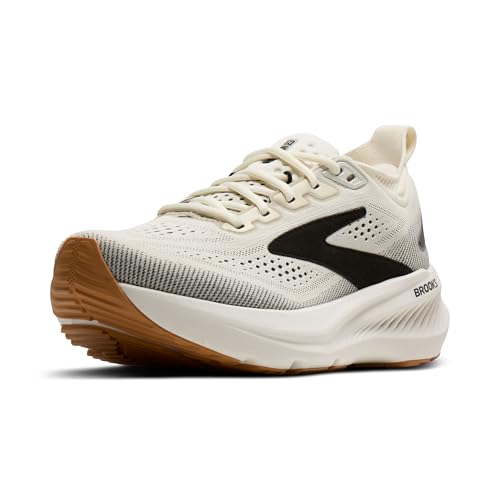

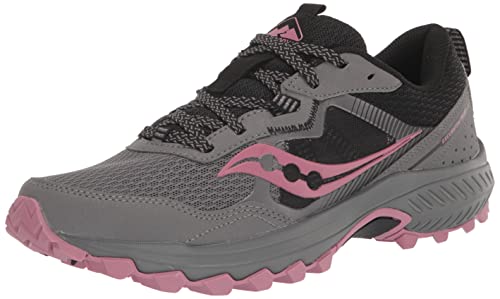

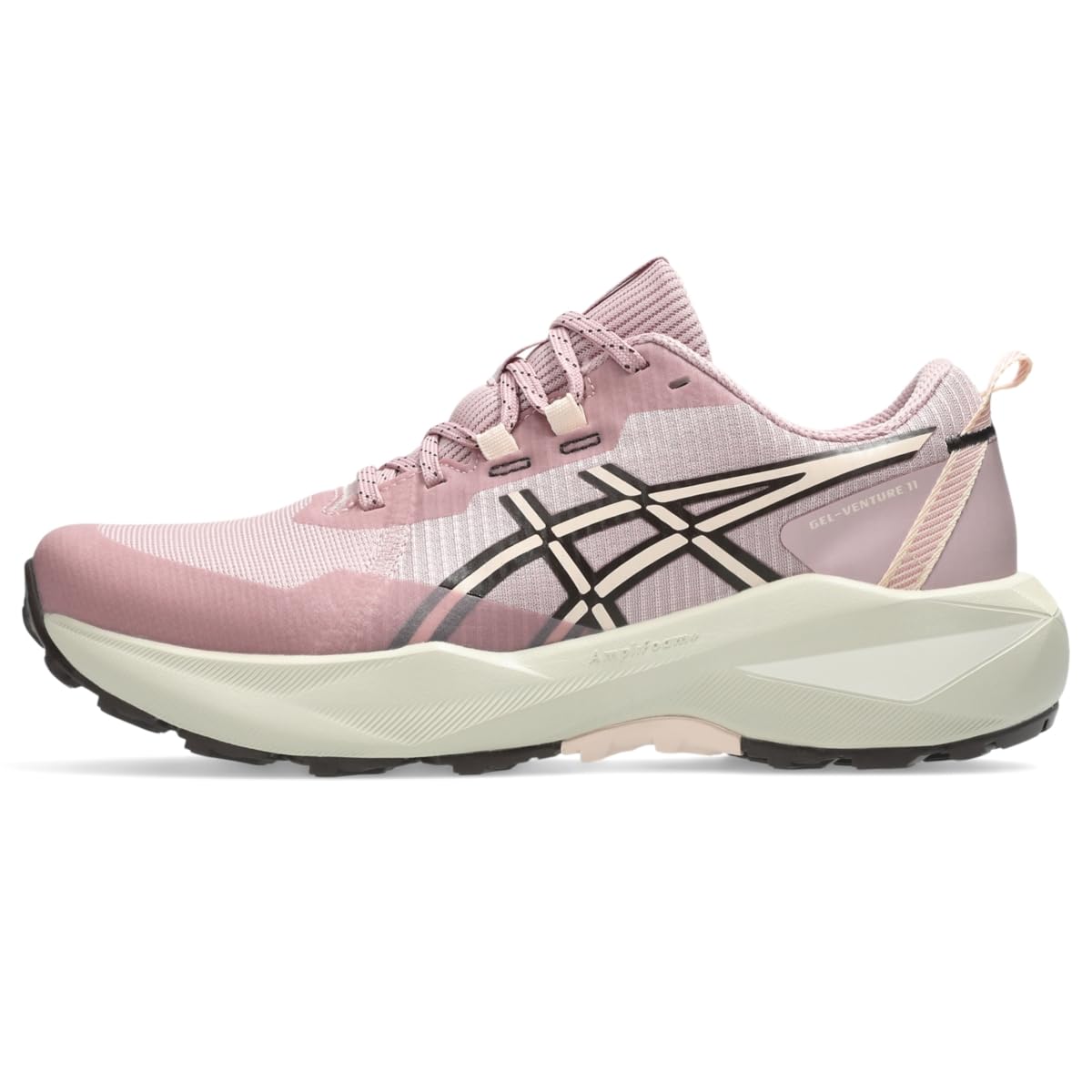
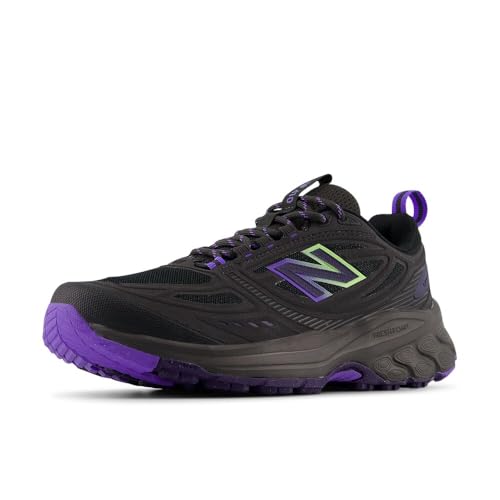
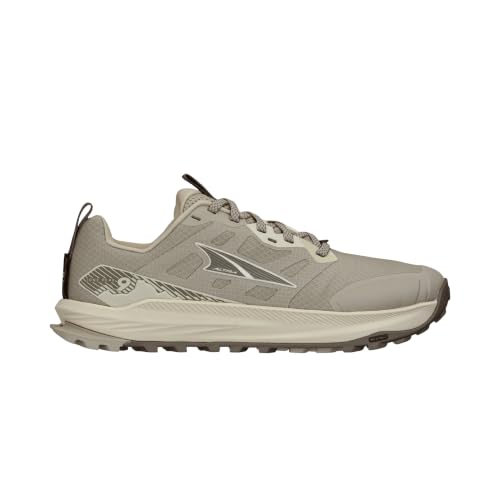
Who Should Buy Them
These shoes suit women who run regularly for fitness, from beginners building a habit to experienced runners on a budget. They are ideal for road running and treadmill training. If you run trails, race competitively, or have a diagnosed foot condition, specialised shoes or professional advice may help more. For everyday road miles, affordable running shoes can perform very well.
Key Features to Compare
Compare running shoes on the features that decide comfort, support, and durability mile after mile.
- Cushioning type. Soft foam absorbs impact, while firmer foam feels responsive and lasts longer, so balance comfort with durability.
- Fit and toe box. Enough room for toes to spread prevents blisters and black toenails, especially on longer runs.
- Support level. Neutral shoes suit many runners, while stability shoes help feet that roll inward noticeably.
- Weight. Lighter shoes feel faster, but very light models may sacrifice cushioning and durability.
- Outsole durability. Rubber coverage in high wear areas extends life, especially for heel strikers.
Types and Options
Running shoes come in a few categories, and matching category to your stride matters more than colour.
- Neutral cushioned shoes. Soft, balanced shoes for runners with a fairly neutral gait.
- Stability shoes. Added support for runners whose feet roll inward more than average.
- Lightweight tempo shoes. Faster, lighter shoes for speed sessions and shorter races.
- Maximum cushion shoes. Thick, soft midsoles for runners who prioritise impact comfort.
How to Choose the Right One
Shop in the afternoon when feet are slightly swollen, as they are during runs, and wear your running socks. Leave a thumb width of space ahead of your longest toe, and check that the heel stays put without slipping. Run briefly in the shop or on a treadmill when possible, since walking alone hides many fit problems. Notice pressure on the sides of the forefoot, which worsens with distance.
Think about your typical distance and surface. Longer runs need more cushioning and a roomier toe box, while short runs forgive firmer shoes. The product table above lets you compare cushioning and support side by side. Rotate two pairs when possible, since alternating shoes reduces repetitive stress and extends each pair life.
For a related guide, see best running shoes. For a related guide, see best affordable running shoes. For a related guide, see best trail running shoes for women. For a related guide, see best nike running shoes women. For a related guide, see best walking and running shoes for women.
Budget and Long Term Value
Good affordable running shoes for women often cost from about $60 to $120, with excellent options in that range. Higher prices can bring lighter foams and longer lasting cushioning, but mid priced shoes from established running brands often perform well. Replace shoes roughly every 500 to 800 kilometres, or sooner if cushioning feels flat or pain appears.
Everyday Use and Care
Let shoes dry naturally after wet runs, stuffing them with newspaper to hold shape. Avoid tumble drying, which damages foam and adhesives. Clean mud gently and store shoes in a cool, dry place. Track mileage roughly, since worn shoes look fine long after cushioning has faded. Retire shoes that lean, crease deeply, or cause new aches.
Mistakes to Avoid
- Buying shoes a size too small because they look neat.
- Choosing fashion colours over fit and support needs.
- Running in worn out shoes because they still look acceptable.
- Ignoring gait and buying stability shoes when neutral shoes suit better, or the reverse.
Getting the Most From Your Choice
Building running mileage safely matters more than shoe technology, so increase distance gradually and listen to your body. Follow a gentle progression, include rest days, and vary surfaces when possible to reduce repetitive stress. Strength work for hips and calves supports running form and reduces injury risk over time. Shoes help, but patient training builds the durable fitness that keeps running enjoyable for years.
Think about running across seasons, because heat, rain, and cold change footwear needs and care. Breathable shoes suit summer, while water resistant options help wet months, though no road shoe stays fully dry in heavy rain. Rotate pairs when possible, letting foam recover between runs and extending each pair life. Seasonal awareness keeps running comfortable rather than a battle against weather.
Questions to Ask Before You Order
Before ordering, get a gait sense from a running shop or your wear patterns, measure feet in the afternoon, and check return policies for test runs. Ask about cushioning durability, toe box room, and support level for your stride. These checks ensure shoes that feel good in the shop still feel good at kilometre fifteen.
- Does fit leave room for toes during long runs?
- Is support level right for my gait pattern?
- Will cushioning last through my weekly mileage?
- Can I test run and return if fit fails?
Long Term Value
When you judge long term value, look beyond the purchase price to how running shoes holds up under daily use. Foam durability and outsole rubber decide whether cushioning lasts through training miles or collapses early. A product that needs frequent replacement or repair quickly costs more than a slightly pricier alternative that lasts. Check warranty length, availability of spare parts, and how easily the item can be cleaned or serviced at home. These practical details decide whether a budget buy stays a bargain or becomes a repeated expense over the years you own it.
Total cost includes replacement pairs every training cycle, and planning for those costs avoids surprises. Mileage based replacement is a real running cost, so budget per kilometre rather than per purchase alone. Set aside a small amount for upkeep from the start, and compare that total against the next price tier rather than judging the sticker alone. Often the middle option costs less over three years than the cheapest one, because it avoids early replacement and performs better throughout its life.
Know when to upgrade rather than repair. If cushioning feels flat, the shoe leans, or new aches appear that were absent before, replacement makes sense. Until then, regular care and timely small fixes extend life considerably. A thoughtful owner gets far more value from a mid priced running shoes than a careless owner gets from a premium one, so habits matter as much as hardware.
- Check warranty length and spare part availability before buying.
- Budget for upkeep costs from the first year, not as an afterthought.
- Compare total ownership cost across price tiers, not sticker price alone.
Frequently Asked Questions
How should running shoes fit?
Running shoes should leave about a thumb width ahead of your longest toe, with a snug heel and room for toes to spread. The midfoot should feel secure without pressure. Try them in the afternoon with running socks, and jog briefly before deciding. A shoe that pinches in the shop will only feel worse after several kilometres.
Do I need stability shoes?
Stability shoes help runners whose feet roll inward noticeably, which a running shop gait check can reveal. Many runners do well in neutral shoes, and unnecessary stability can feel intrusive. If you are unsure, get a gait assessment or start with a neutral cushioned shoe and watch for inner wear patterns and discomfort.
When should I replace running shoes?
Most running shoes last roughly 500 to 800 kilometres, depending on weight, surface, and foam type. Replace them sooner if cushioning feels flat, the shoe leans, or new aches appear that were absent before. Heavier runners and road runners may wear shoes faster than lighter trail runners.
Can I run in walking shoes?
Walking shoes lack the cushioning and stride design running needs, especially for impact absorption and toe off. Short jogs may feel fine, but regular running in walking shoes raises discomfort and injury risk. If you run regularly, invest in shoes designed for running, even at an affordable price.
What warning signs should I watch for?
Sharp or lasting pain, swelling, numbness, colour change, or pain that alters your stride all deserve attention. Stop and rest, and talk with your clinician or a sports professional if symptoms persist, worsen, or follow an injury. Shoes support comfort, but they do not replace professional care for foot or leg problems.
Final Thoughts
The best affordable running shoes for women are the ones that fit your feet, suit your gait, and keep cushioning through your miles. Test fit in the afternoon, favour comfort over looks, and replace shoes before they fail. Good shoes make running feel like freedom, which is the whole point.


