
Best Altra Road Running Shoes 2026
Disclosure: We may earn a commission when you buy through links on this page, at no extra cost to you. As an Amazon Associate I earn from qualifying purchases. Learn more

Wide toe box, level platform and a roomy fit: how to choose the best altra road running shoes for your mileage and pace.
Runners who want room for their toes and a natural, level feel often land on Altra, and the best altra road running shoes search usually starts with one question: which model matches your mileage and pace? The comparison table below gives a quick side by side view of the main choices. This guide explains the design ideas behind the brand, so you can judge each model by fit and ride rather than by marketing claims.
Altra road shoes share two signature ideas: a foot shaped toe box that lets toes spread, and a balanced platform with no heel to toe drop. Those ideas suit runners who dislike cramped forefoots or steep drops, but they also change how the shoe feels on the first few runs. Understanding that change before you buy prevents most sizing and comfort surprises.

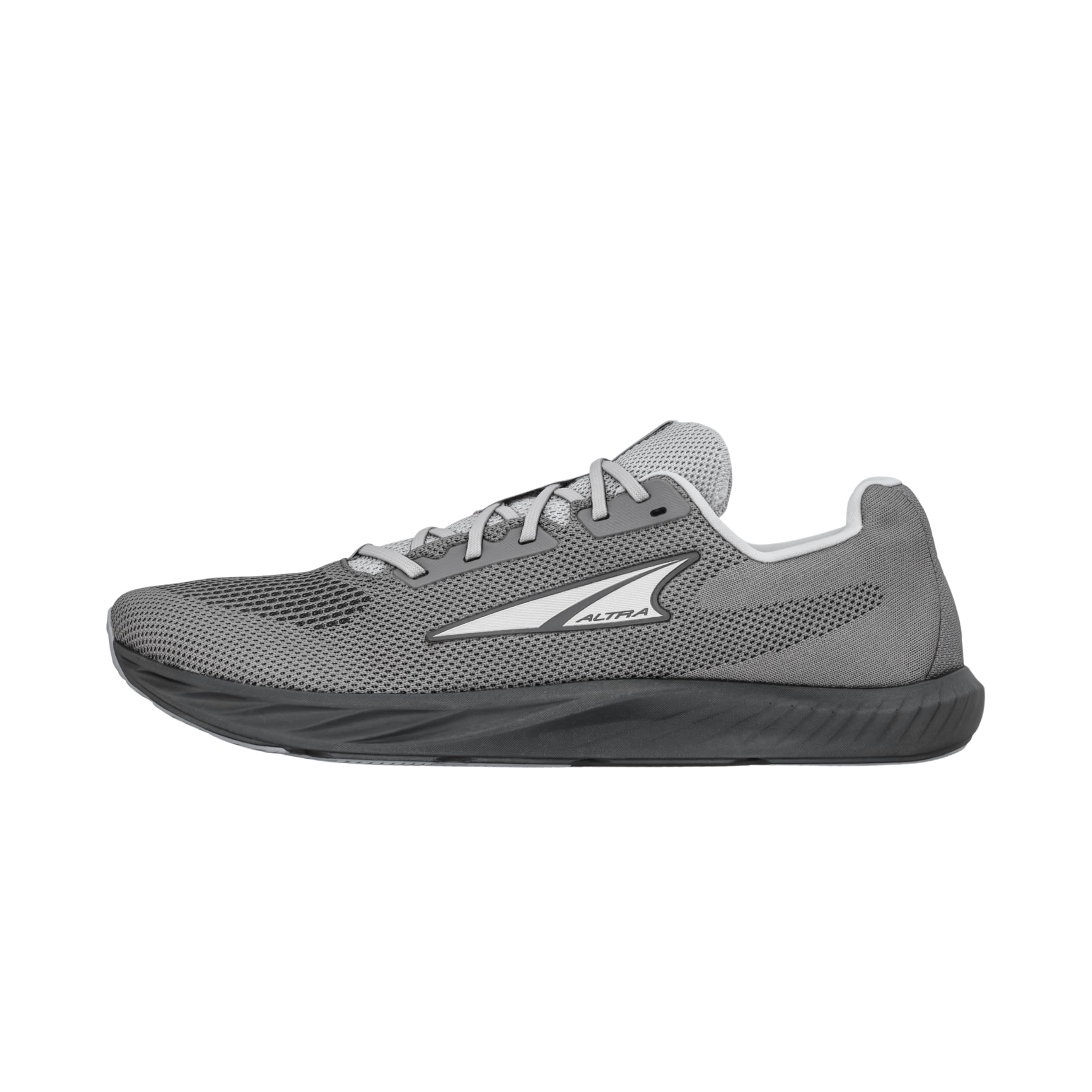
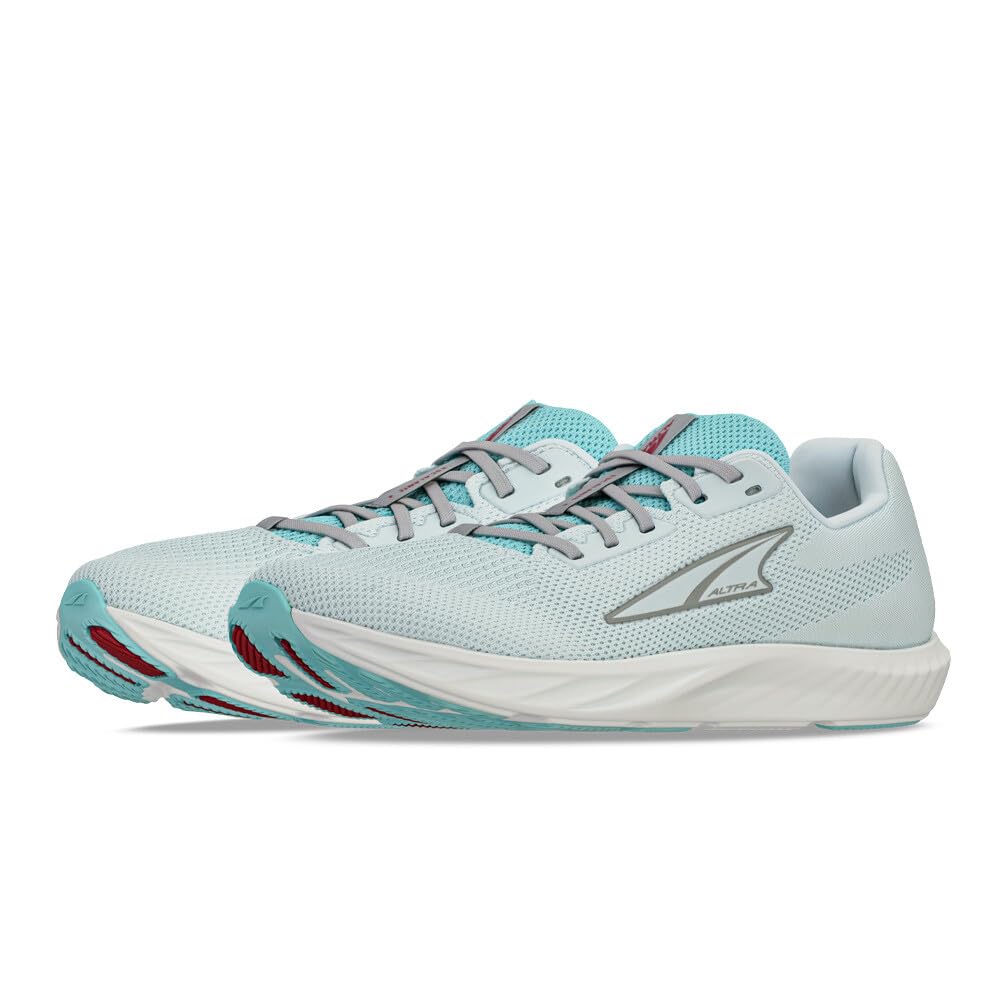

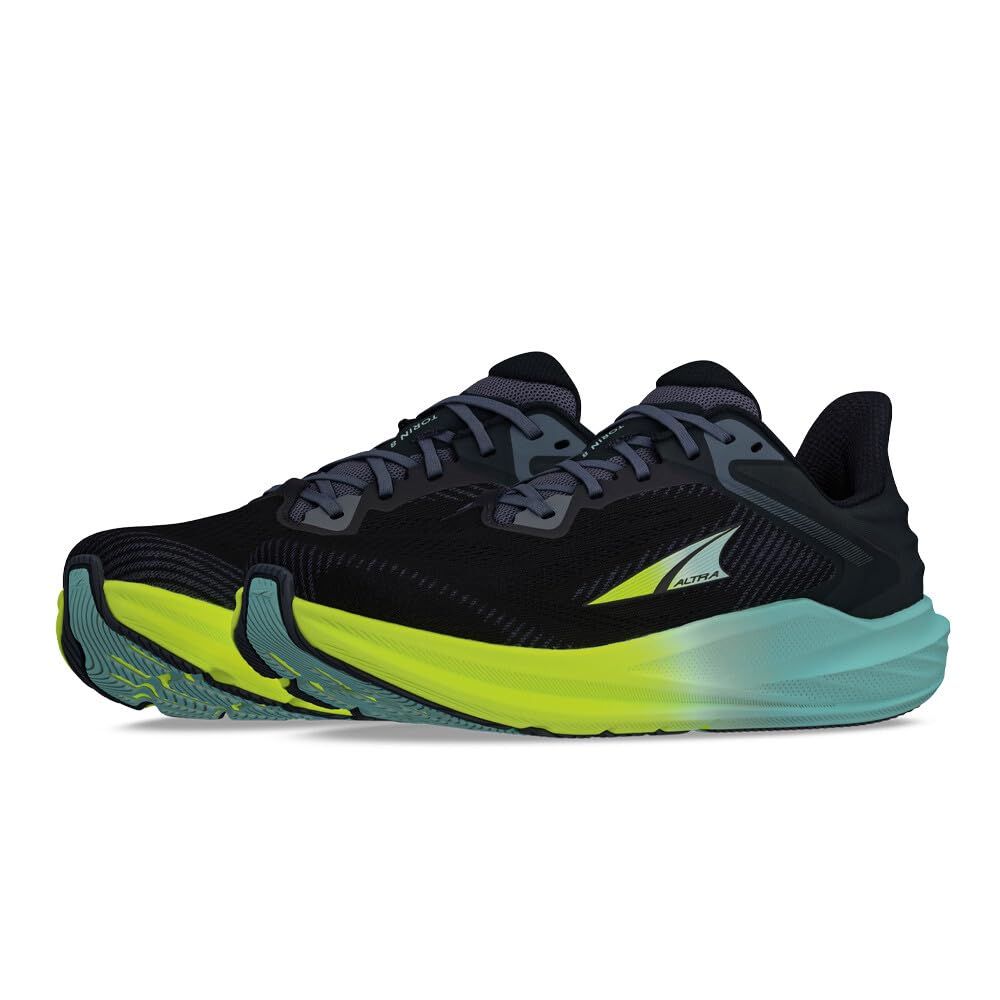
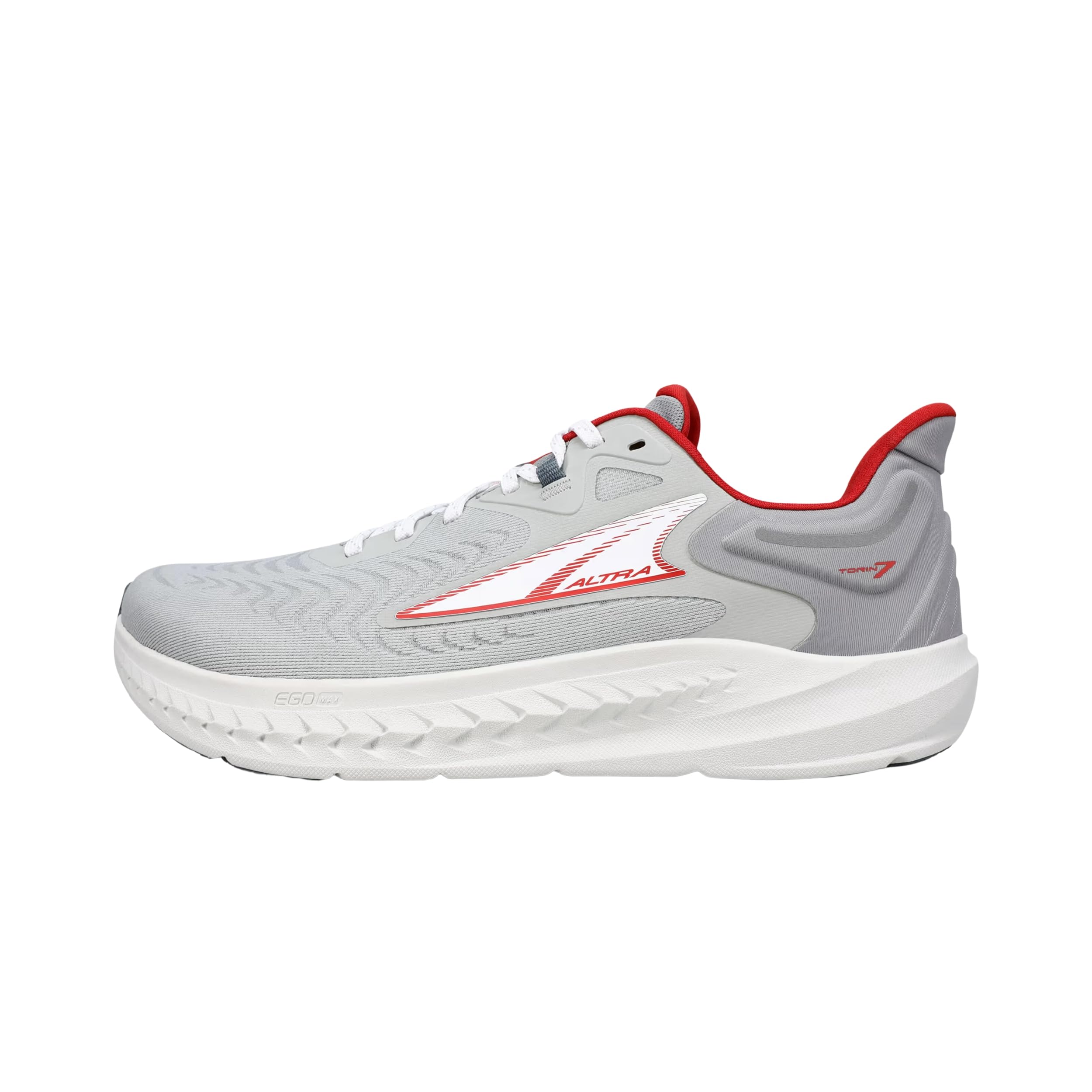
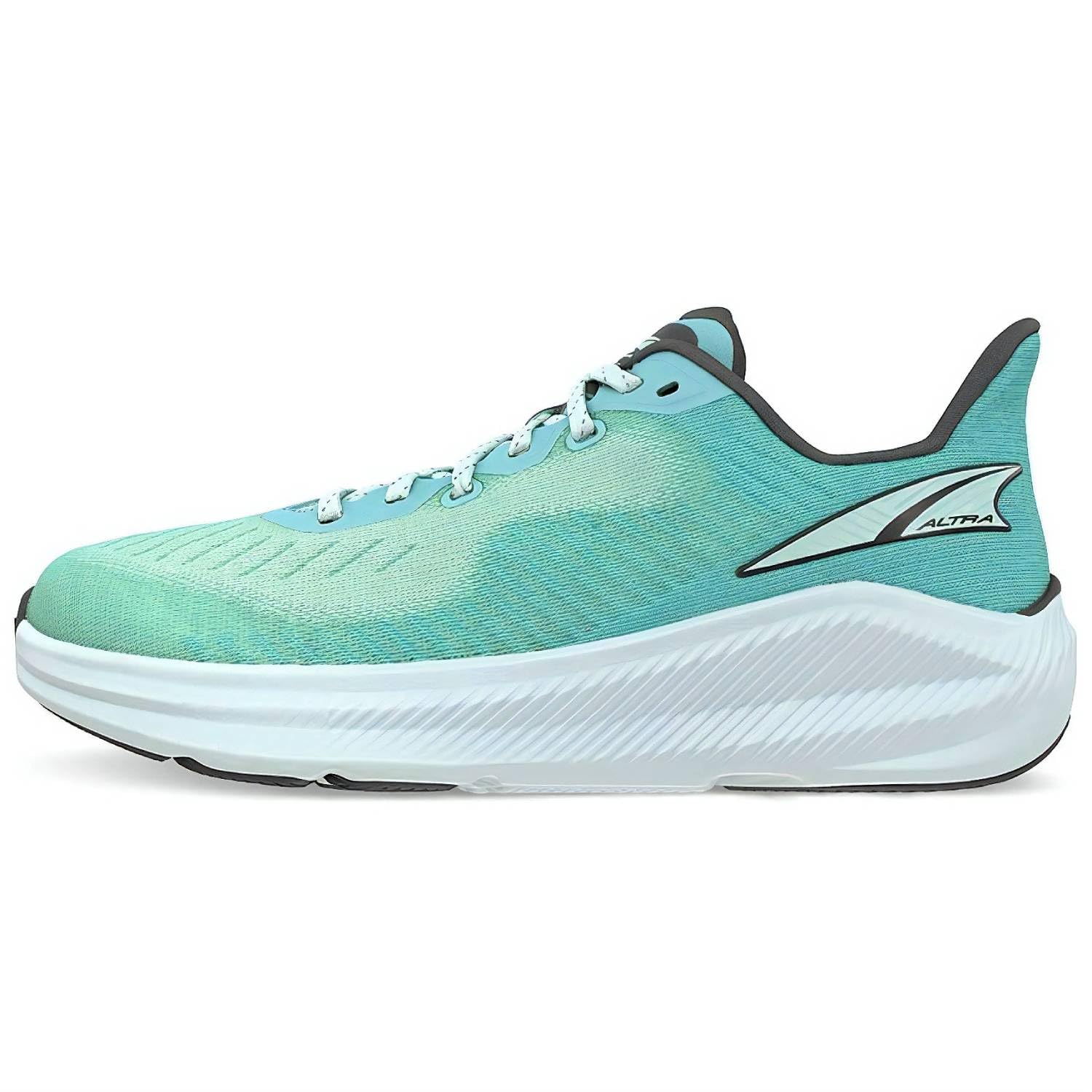

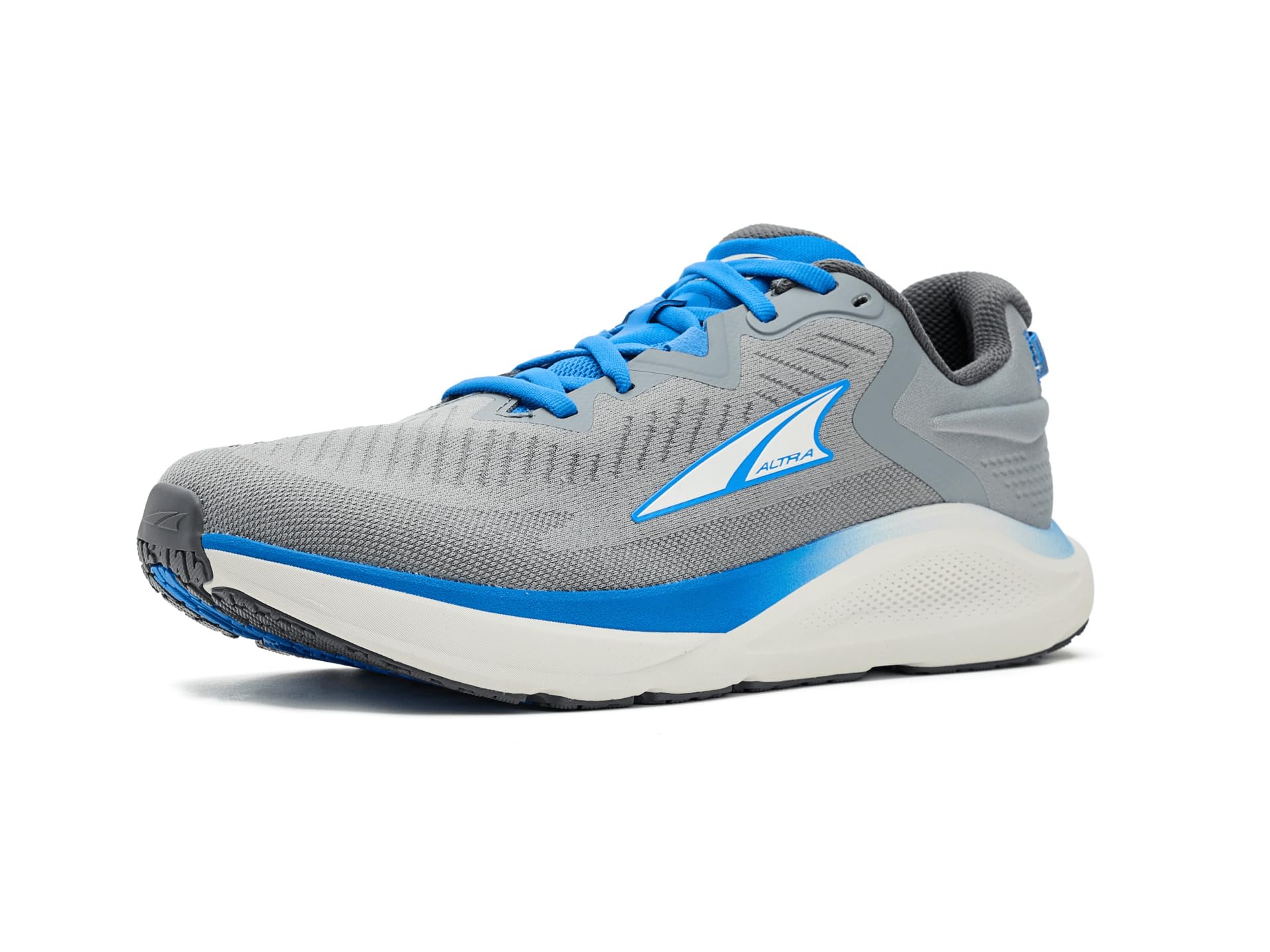
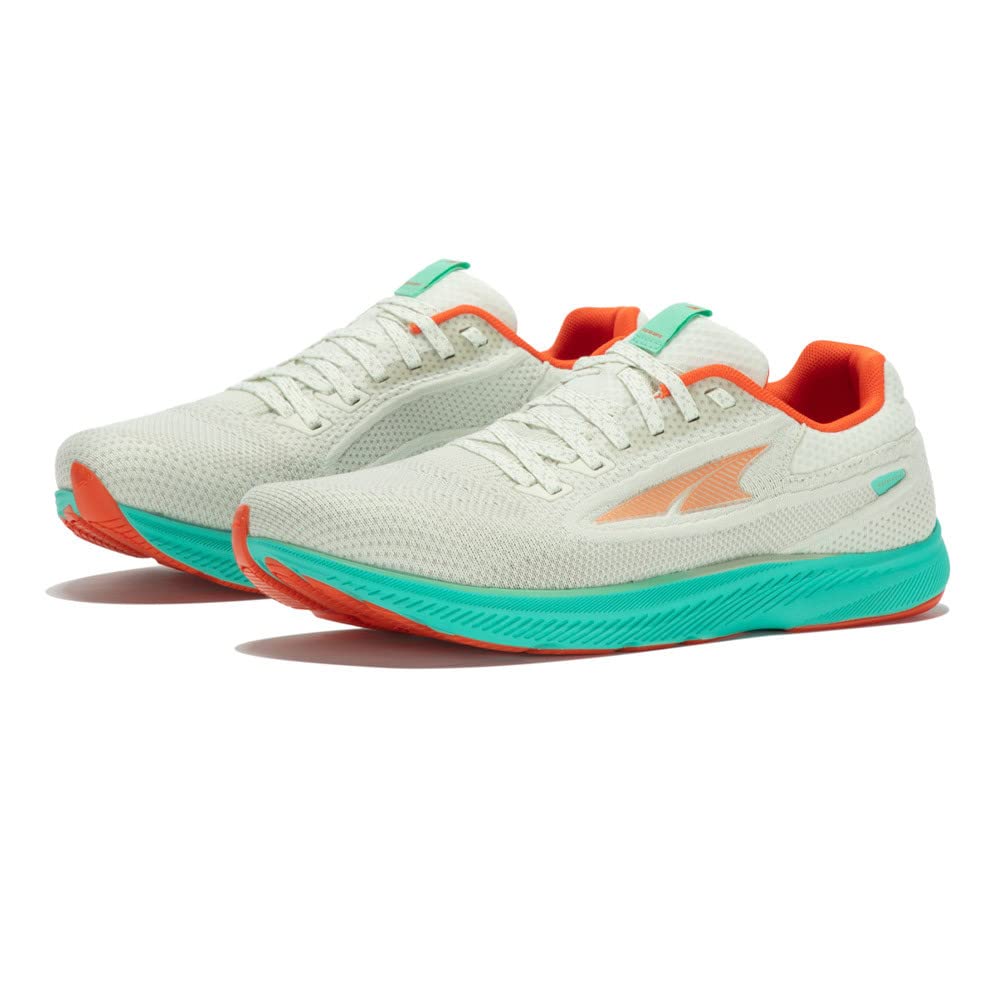
Who Should Buy Altra Road Shoes
Altra road shoes suit runners with wider forefeet, runners who splay their toes, and anyone who has felt squeezed by tapered toe boxes. They also suit runners who prefer a level platform and want to feel the ground more directly underfoot. If you are moving from a high drop shoe, plan a gradual transition so your calves and Achilles adjust to the flatter geometry.
They are less ideal if you want a very firm, race day plate feel or maximum heel cushioning for heel striking at high mileage. Altra does offer more cushioned models, but the brand philosophy stays closer to natural movement than to a heavily rockered, propulsive ride. Knowing that preference in advance saves you from buying a shoe built for a different running style, as covered in best running shoes.
Key Features: Toe Box, Drop, and Cushion
The foot shaped toe box is the most noticeable feature. It gives toes room to spread on landing, which many runners find more comfortable over long distances. It also changes sizing: some runners stay in their usual size, while others go down half a size because the extra forefoot volume makes the shoe feel longer.
Zero drop means the heel and forefoot sit at the same height. This encourages a midfoot landing and can reduce the feeling of being pushed forward. Cushion levels range from light and responsive to thick and protective, so match the stack to your weekly mileage and the surfaces you run on most.
Fit and Sizing Guidance
Start with your usual running size and check the fit in the afternoon, when feet are slightly swollen. Your toes should have room to wiggle without the heel slipping. The midfoot should feel secure without pressure, and the laces should close without a gap or a bulge. If the heel slips, try a different lacing pattern before changing size.
Width matters more than length for many Altra buyers. The standard fit is already roomy in the forefoot, and some models add a slim or original fit option. If you have narrow feet, a slim fit model may hold your foot better, while wider feet usually suit the original fit. Always check the specific model fit description, since it varies across the range, as covered in best running shoes for road running.
Road Feel, Durability, and Rotation
On the road, Altra shoes tend to feel stable and grounded rather than bouncy. The foam is protective without feeling mushy, and the outsole rubber is placed where road runners wear shoes most. Durability is generally good for daily trainers, though lighter models wear faster if used for very high mileage or rough surfaces.
Many runners rotate two pairs: a cushioned trainer for long runs and a lighter model for faster sessions. Rotation extends the life of both pairs and gives your feet varied stimulus. Replace shoes when the foam feels flat, the outsole is worn through in key spots, or new aches appear that track with shoe age.
Common Mistakes to Avoid
The biggest mistake is switching to zero drop too quickly. Even if the shoes feel comfortable on a short run, your calves and Achilles need time to adapt. Increase Altra mileage gradually over several weeks and keep your old shoes in rotation during the transition.
Another common error is choosing purely by cushion thickness. More foam is not always better if it dulls ground feel or changes your stride. Check how the shoe feels at your normal pace, not just walking around a shop, and pay attention to how your feet feel in the final miles of a run, as covered in best altra running shoes.
A Closer Look Before You Order
Before ordering, check whether the model you want uses the original, standard, or slim fit, since Altra fit names change how the shoe holds your foot. A runner with narrow feet may swim in an original fit model yet feel secure in a slim fit version of a similar shoe. Reading the fit description for the exact model, rather than assuming all Altra shoes fit alike, prevents most sizing disappointments and returns.
Consider your sock choice during the transition to zero drop, since sock thickness changes internal volume and toe room. A thicker sock can make a roomy toe box feel snug, while a thin sock can leave extra space that causes the foot to slide. Test new shoes with the socks you will run in, and keep sock choice consistent while your calves and Achilles adapt to the flatter platform.
Plan your first month with new Altra shoes deliberately, mixing them with your previous shoes rather than switching all mileage at once. A gradual plan might start with short easy runs in the new shoes and longer runs in familiar shoes, increasing Altra mileage weekly. This patience pays off, since a rushed transition often causes calf soreness that runners blame on the shoe rather than the change itself.
Pay attention to surface choice during the transition too, since soft surfaces are kinder to adapting calves than hard roads. Grass, trails, and tracks reduce impact while your lower legs adjust, while long road runs demand more from the Achilles early on. Mixing surfaces during the first weeks makes the adjustment smoother and more enjoyable.
Finally, keep a simple log of how your feet and legs feel after runs in the new shoes, noting any hotspots, soreness, or fatigue. Patterns in that log reveal whether an issue is fit, transition pace, or simply a model that does not suit you. Runners who track these details make better decisions about sizing, rotation, and when to try a different model.
If you want to compare nearby choices, see best road running shoes for men and best road running shoes for women before you settle on one pair.
Frequently Asked Questions
Do Altra road shoes run true to size?
Most runners find Altra road shoes true to size, though the roomy toe box can make some models feel slightly long. Start with your usual running size and check toe wiggle room and heel hold. If you are between sizes, try both if possible, since fit varies a little between models and cushion levels.
How long does it take to adjust to zero drop?
Most runners need two to four weeks of gradual use, starting with short runs and mixing in their previous shoes. Calf tightness is common early on and usually fades as the lower leg adapts. If pain persists or sharpens, reduce mileage in the new shoes and talk with a clinician or running coach about your transition plan.
Are Altra road shoes good for marathon training?
Yes, for runners who like a roomy toe box and a level platform, the more cushioned Altra road models work well for high mileage training. Choose a model with enough foam for your longest runs and rotate a lighter pair for speed work. Pay attention to how your feet feel late in long runs, since that is when fit issues show up.
Can I use Altra road shoes for walking?
Yes, many people use them for walking because the wide toe box and level platform feel natural all day. The same fit rules apply: room for toes, secure midfoot, and no heel slip. For all day walking, a more cushioned model usually feels better than a light, minimal option.
How do I know when to replace them?
Replace road shoes when the midsole foam feels compressed and less responsive, the outsole shows heavy wear, or the upper no longer holds your foot securely. Mileage is only a rough guide, since weight, surface, and gait all affect wear. New, unexplained foot or leg soreness can also signal that a pair is past its best.
Final Thoughts
The best Altra road shoe for you is the one that fits your foot shape, matches your mileage, and feels natural at your normal pace. Use the product table above to narrow the field, then judge fit and ride on a real run rather than on paper specs alone. The best altra road running shoes are the ones that fit your foot and your weekly mileage.
Give the zero drop platform a fair, gradual trial, and do not be afraid to try a different model if the first one does not suit you. With the right fit, Altra road shoes can be a comfortable daily partner for many miles. In short, choosing the right best altra road running shoes comes down to matching the guidance above to your own needs and routine.


