Best and Quietest Generators by Budget: Smart Picks for 2026
Disclosure: We may earn a commission when you buy through links on this page, at no extra cost to you. As an Amazon Associate I earn from qualifying purchases. Learn more
Compare the best and quietest generators by budget with a clear guide to noise levels, wattage, fuel choices, and safety features for home backup use.
Generator prices range from a few hundred dollars to several thousand, and the quietest models often sit at the higher end of that range. Paying more does not help if the extra power, outlets, or runtime do not match your actual loads. This guide shows where your money makes a real difference when you shop for best and quietest generators, tier by tier.
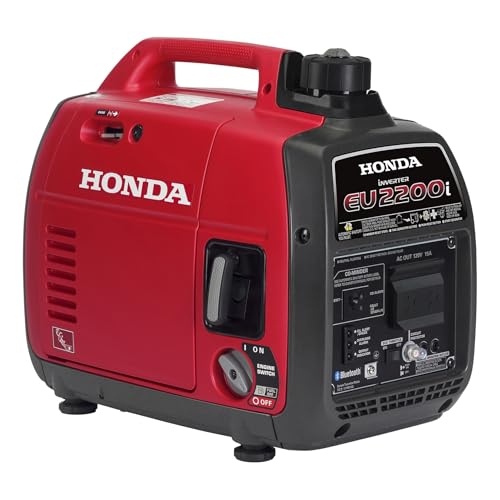
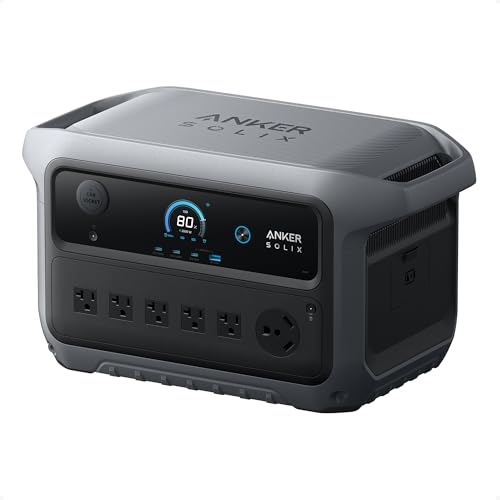
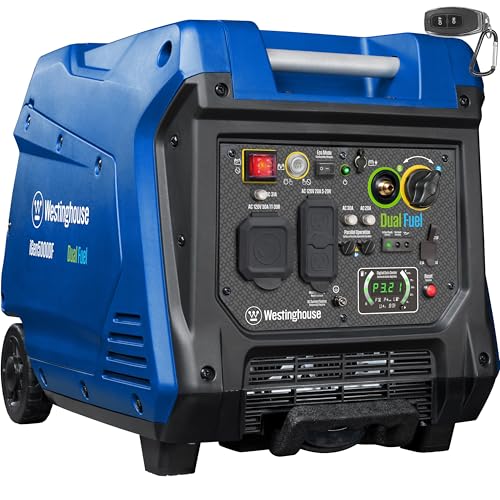
Start with the comparison table below to line up noise ratings, wattage, and fuel types, then use the budget sections here to decide which tier fits your home, campsite, or job needs.




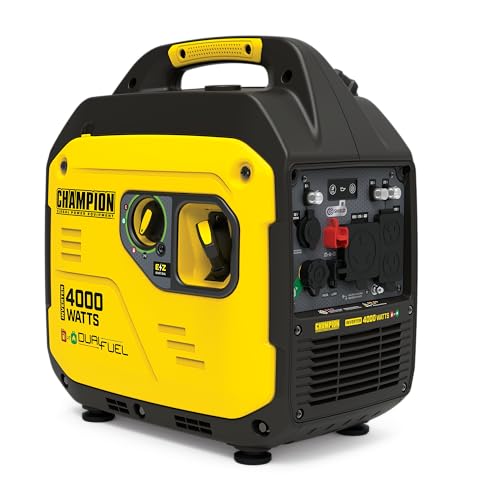


Choosing the Best and Quietest Generators by Budget
Budget Buyers: Power for the Essentials
If your goal is to keep a refrigerator cold, charge phones, and run a few lights during a short outage, a smaller inverter model in the budget tier can be enough. Prioritize a low noise rating measured at partial load, at least two standard outlets, and a fuel tank that gives you an overnight run without constant refills. Accept trade offs such as fewer outlets and no electric start. What you should not accept is a missing carbon monoxide shutoff or unclear wattage ratings, because both affect safe daily use.
Midrange Buyers: The Whole Home Middle Ground
Most households land here because this tier adds meaningful comfort without the cost of a large standby unit. Look for dual fuel flexibility, an electric start, a data display that shows runtime and load, and enough running watts for a refrigerator, a sump pump, and a small air conditioner in rotation. Noise control also improves at this level, with better mufflers and enclosures that keep sound closer to normal conversation at a distance. For many readers comparing options in the product table above, this is the tier where value and quiet operation meet.
Premium Buyers: Long Runtime and Clean Power
Premium spending pays off when you need long runtime, very clean power for sensitive electronics, or the ability to run larger loads for days. Expect larger fuel tanks or battery capacity, parallel capability on some inverter models, remote start, and stronger warranties. Solar power stations with LiFePO4 batteries also sit in this tier and run silently indoors, though they store limited energy compared with fuel models. Choose this tier for medical equipment backup, frequent outages, or regular work use where downtime costs you money.
What Your Money Gets You at Each Price Tier
Budget Tier: What to Expect
At around $300 to $600, expect a compact portable or small inverter generator with roughly 1,800 to 2,500 running watts. Typical features include a pull start, a modest tank, and basic overload protection. Sound levels are often quoted around the high 50s to low 60s in decibels at partial load, which is quiet for this class but still noticeable nearby. This tier suits camping, tailgating, and short home outages where you rotate a few essential loads rather than powering everything at once.
Midrange Tier: The Sweet Spot for Most Buyers
At around $600 to $1,200, you gain 3,000 to 5,000 running watts on many models, dual fuel options, electric start, and longer runtime per tank. Enclosures and inverter technology keep noise down while the engine adjusts speed to match load. You also see more useful outlets, including a 30 amp outlet for an RV or a transfer switch connection. For readers who want the best backup generators for a typical house without a permanent install, this tier covers the essentials plus a few comforts.
Premium Tier: When Spending More Pays Off
Above around $1,200, and far higher for standby units, you pay for capacity, automation, and durability. That can mean 7,000 running watts or more, automatic start during an outage, and weatherproof enclosures built for permanent placement. Our guide to the best automatic generators explains how hands free start works. Sound insulation improves as well, though a large engine under heavy load will never be silent. Buy this tier when outages are long, loads are big, or someone at home depends on powered medical devices.
Features Worth Paying For and Ones to Skip
Generator Type: Portable, Inverter, Standby, and Solar Power Station
Portable conventional models cost less and deliver raw power, but they are louder and produce less stable power. Inverter generators adjust engine speed to load, so they run quieter, use less fuel, and give cleaner power that suits laptops and modern appliances. Standby units install permanently and start on their own. Solar power stations store energy in a battery, run silently, and work indoors, but they need sun or grid power to recharge. Match the type to where and how often you will use it.
Noise Level in Decibels
Noise ratings only help if you read the fine print. Makers usually quote sound at 25 percent load from a set distance, often 23 feet, so a generator under heavy load will sound louder in real use. Many campgrounds and neighborhoods expect quiet hours and may limit generator use at night. If low sound is your top priority, our guide to the best and quietest portable generators focuses on models built for travel and close neighbors. Place any fuel generator at least 20 feet from your home with the exhaust pointing away.
Wattage: Running Watts Versus Starting Watts
Running watts are what a generator can deliver steadily, while starting watts cover the brief surge when a motor starts. Add up the running watts of everything you plan to power at once, then check the largest motor surge. A refrigerator might run at about 150 watts but surge far higher at startup, a sump pump can need around 800 to 1,300 running watts, and a small window air conditioner often needs about 1,000 watts or more. Leave headroom of about 20 percent so the engine is not straining at full load all night.
Runtime and Fuel Efficiency
Runtime claims depend on load, so compare hours at 25 percent and 50 percent load rather than the biggest number on the box. Inverter models stretch fuel further at light loads because the engine slows down. Dual fuel models can run on gasoline or propane, and propane stores longer and burns cleaner, though it gives slightly less power. For a planned outage kit, our guide to the best emergency generator covers storage and rotation basics. Always store fuel safely outdoors and never refuel a hot engine.
Long Term Costs to Factor In
The purchase price is only part of ownership. Budget for oil changes, air filters, spark plugs, and fresh fuel or fuel stabilizer each season. Add the cost of a heavy duty outdoor rated extension cord set or a professionally installed transfer switch if you plan to power home circuits. Battery based stations avoid fuel costs but may need a battery replacement after years of heavy cycling. Warranty length matters too, because control boards and inverter parts can be costly out of warranty. Our roundup of the best rated generators can help you weigh owner satisfaction alongside price.
One practical habit saves many owners from a failed start during a storm. Run the generator under a modest load for about 20 minutes once a month, check the oil, and note the date on a tag tied to the handle. That simple routine keeps fuel moving, charges start batteries on models that have them, and reminds you to rotate stored gasoline before it goes stale.
Frequently Asked Questions
What size generator do I need to power a house?
You need about 3,000 to 5,000 running watts for essentials only, and 7,500 or more to run larger loads such as central air. List the items you truly need during an outage, add their running watts, and include motor surge for the largest one. A licensed electrician can confirm circuit needs and size a transfer switch safely for your panel.
How long can a quiet generator run continuously?
Many portable models run about 8 to 12 hours on one tank at partial load before they need fuel and a short rest. Check oil levels during long outages, because some engines burn oil slowly over time. Battery stations run only until the stored charge is gone. Follow the manual for service intervals, and never run a fuel generator in a garage or near open windows.
Can a generator run a refrigerator?
Yes, almost any modern generator can run a refrigerator because the steady draw is modest. The challenge is the startup surge, which can be several times the running watts for a second or two. Choose a model with enough starting watts, start the refrigerator first, and add other loads one at a time so you do not trip the overload protection.
Inverter or conventional: which is better?
An inverter model is better for most home and camping use because it is quieter, more fuel efficient, and safer for sensitive electronics. A conventional model can make sense for a work site where tools are the main load, noise is less of a concern, and the lower purchase price matters more than power quality. Your loads and your neighbors should decide, not the sticker alone.
Do I need a transfer switch?
You need a transfer switch if you want to power hardwired home circuits safely through your panel. It prevents dangerous backfeed into utility lines, which can injure line workers and damage your equipment. If you only plug appliances directly into the generator with rated cords, a switch is optional. Have a licensed electrician install any switch and obtain local permits where required.
Our Verdict
Decide by load, noise, and runtime, in that order. Size the generator for the surge of your largest motor, pick the quietest type your budget allows, and confirm the tank or battery lasts through the night. Then compare your finalists in the comparison table above and choose the best and quietest generators option that fits your home and your budget. Keep carbon monoxide safety nonnegotiable: run fuel models outdoors, far from windows, with a working CO shutoff and alarms inside your home.