Best and Quietest Portable Generators 2026 Guide
Disclosure: We may earn a commission when you buy through links on this page, at no extra cost to you. As an Amazon Associate I earn from qualifying purchases. Learn more
Quiet portable generators for home backup, camping and worksites: inverter models, wattage, fuel, runtime and key safety rules.
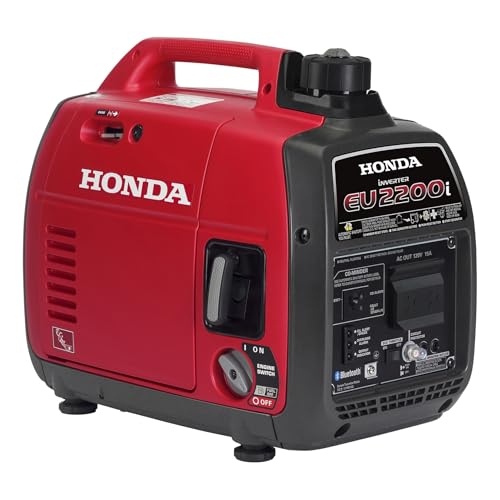
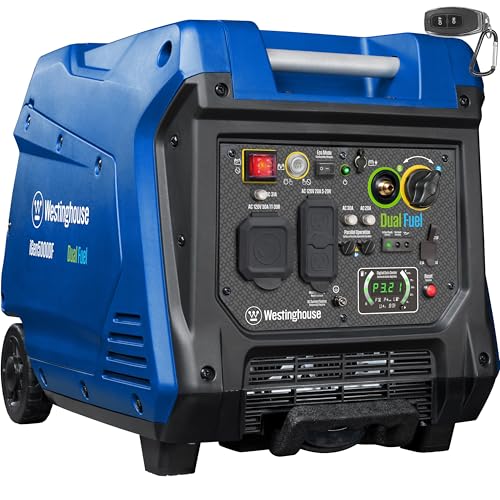
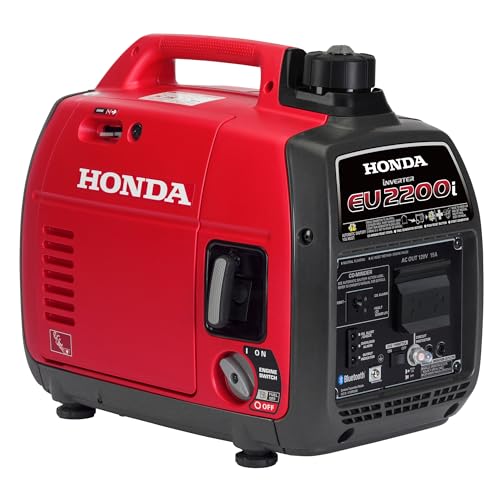
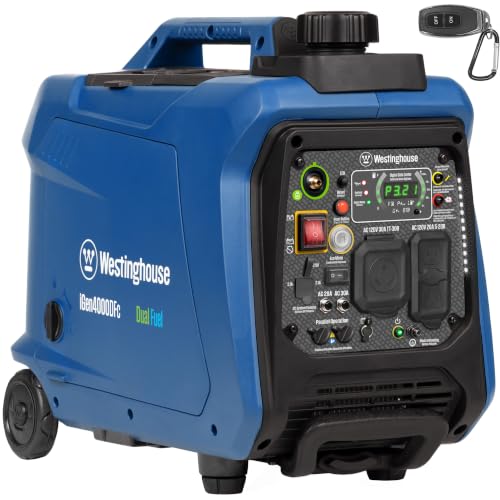
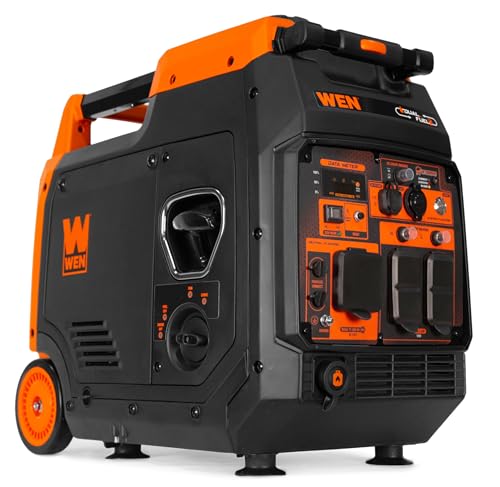
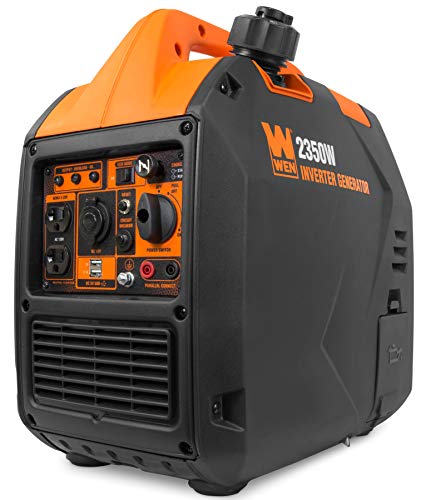
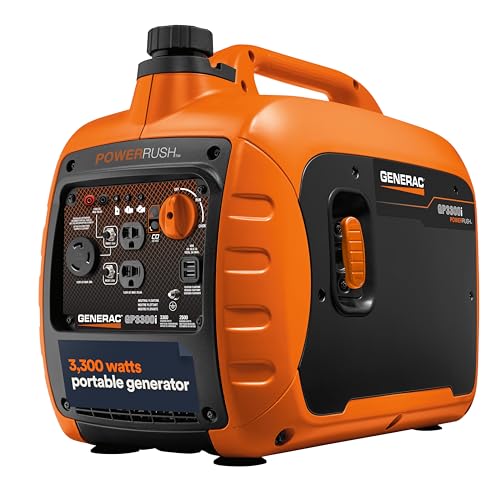
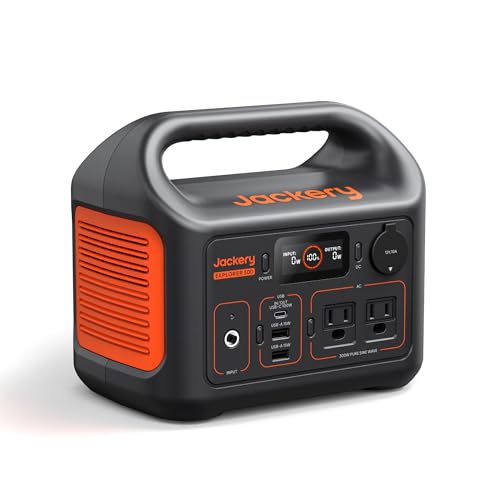
A quiet generator changes how you feel about backup power: instead of a roaring machine dominating the yard, you get a low hum that neighbors tolerate and campers barely notice. The best and quietest portable generators use inverter technology and careful engineering to keep noise down while delivering usable power. The comparison table below shows the range, and this guide explains how to choose wattage and fuel wisely.
Noise ratings are measured under specific conditions, so treat them as comparisons rather than promises for your yard. Distance, surfaces, and load all change perceived noise, and a generator that is quiet at quarter load may grow louder as demand rises. Plan placement and power needs together, and put safety first.



Who Should Buy Quiet Portable Generators
For Home Backup
Home backup buyers need enough power for essentials such as refrigeration, lighting, phones, and perhaps a furnace fan during outages. An inverter generator with clean power also suits sensitive electronics better than a conventional generator. Size the generator for essentials first, and accept that running a whole house needs a much larger, professionally installed system.
For Camping and Outdoor Life
Campers need light weight, low noise, and enough power for lights, phones, and small appliances. A quiet inverter generator respects campsite neighbors and site rules, many of which limit generator hours and noise. Check campsite rules before buying, since some sites restrict generators entirely or to certain hours.
For Worksites and Events
Worksites and events need reliable power for tools, lighting, and sound, often far from mains electricity. Noise matters here too, especially for events and residential area work, where complaints can stop work. Balance wattage, runtime, and noise, and consider parallel capability, which lets two smaller generators combine for larger loads.
Key Features to Compare
Inverter Versus Conventional
Inverter generators produce cleaner, more stable power and adjust engine speed to load, which reduces noise and fuel use at light loads. Conventional generators run at constant speed and tend to be louder and less suitable for sensitive electronics. For quiet operation and electronics safety, inverter models are usually worth the extra cost.
Wattage: Running and Starting
Running watts describe continuous power, while starting watts cover the brief surge when motors start, such as refrigerators and air conditioners. Add up running watts for everything you will run together, then check the largest starting surge. A generator that covers running watts but not starting surges will trip when a motor starts.
Fuel Type, Runtime, and Noise
Gasoline generators are common and portable, propane stores longer and burns cleaner, and dual fuel models offer flexibility during outages. Runtime depends on tank size and load, with eco modes extending runtime at light loads. Noise falls with distance, so place the generator away from living areas and neighbors, while keeping it outdoors and never inside.
Outlets, Parallel Capability, and Portability
Check outlet types for your appliances, including standard household outlets, USB charging, and any twist lock or RV outlets you need. Parallel capability lets two compatible generators combine output for larger loads, which suits buyers whose needs may grow. Weight, wheels, and handles decide whether one person can move the generator safely.
Safety Rules That Matter Most
Carbon Monoxide Kills
Never run a generator indoors, in a garage, or near open windows, doors, or vents, even with doors open. Carbon monoxide is colorless and odorless, and it can build to dangerous levels quickly in enclosed spaces. Place the generator well away from the house, point exhaust away from buildings, and install battery powered carbon monoxide alarms in living areas.
Electrical Safety and Transfer Switches
Never plug a generator directly into a household outlet, a practice called backfeeding, since it can electrocute utility workers and damage equipment. Use extension cords rated for outdoor use and the load, or have a qualified electrician install a transfer switch for connecting to house circuits. Keep the generator dry, ground it as instructed, and let it cool before refueling.
A Final Check Before You Order
Size Power, Plan Placement, Stay Safe
List essential appliances with running and starting watts, choose fuel and runtime for your outage patterns, and plan an outdoor placement far from windows. Confirm local noise rules and campsite rules if relevant. The product table above helps you compare, but safe placement and correct wattage matter more than any single feature.
Making the Most of Your Choice
Maintenance for Reliable Starts
Generators fail most often when needed after months of storage, so run yours briefly every month or two and keep fuel fresh with stabilizer where recommended. Check oil levels, air filters, and spark plugs on the maker schedule, and store the generator dry and covered. A short maintenance routine ensures the generator starts during an outage, when it matters most.
Fuel Storage and Safety
Store fuel in approved containers away from living areas and ignition sources, and never store large quantities indoors. Rotate stored fuel regularly, since stale gasoline causes starting problems and engine deposits. Label containers clearly, keep them out of reach of children, and follow local rules for fuel storage quantities.
Neighbors and Noise Etiquette
Even a quiet generator annoys neighbors at night, so agree on reasonable running hours and place the generator as far from neighboring windows as safety allows. A simple conversation before an outage builds goodwill, and limiting overnight running to essentials shows consideration. During extended outages, shared schedules help whole streets cope better.
Before You Buy: A Quick Recap
Sizing for Real Outages
Real outages rarely match neat plans, so build a margin into your wattage calculation for a forgotten appliance or a motor surge. Prioritize refrigeration, lighting, communications, and medical devices, and accept that luxury loads wait. A written outage plan listing what runs, in what order, prevents overload trips when the power actually fails.
Storing a Generator Between Uses
Store a generator in a dry, ventilated space with fuel stabilized or drained according to the maker's guidance, and run it periodically to keep seals and carburetors healthy. Cover it against dust but allow airflow, and keep it accessible rather than buried behind stored items. A generator you can reach and start quickly is the one that helps during an outage.
For a related option, our guide to best and quietest generators looks at how that choice compares for everyday use and value.
You may also find our guide to best portable electric generators helpful, since it covers a closely related option with different strengths.
Frequently Asked Questions
How quiet are inverter generators?
Inverter generators are noticeably quieter than conventional models, especially at light loads, because the engine slows when demand falls. Noise still rises with load and falls with distance, so placement matters as much as the rating. Compare ratings measured under similar conditions, and expect real world noise to vary with load, surface, and surroundings.
What size generator do I need for home backup?
Add the running watts of essentials you will run together, such as a refrigerator, lights, phones, and a furnace fan, then check the largest motor starting surge. A small inverter generator covers essentials, while whole house backup needs a much larger stationary system. Prioritize essentials rather than trying to power everything at once.
Can a portable generator power sensitive electronics?
Inverter generators produce cleaner power with stable voltage and frequency, making them safer for laptops, phones, and modern appliances. Conventional generators can produce rougher power that risks sensitive electronics. If electronics matter to you, choose an inverter model and avoid overloading it.
Is it safe to run a generator in a garage with the door open?
No, never run a generator in a garage, even with the door open, since carbon monoxide can still build to dangerous levels. Always run generators outdoors, well away from windows, doors, and vents, with exhaust pointing away from buildings. Install carbon monoxide alarms indoors as an added safeguard.
Gasoline or propane: which fuel is better?
Gasoline offers wide availability and easy refueling, while propane stores longer without degrading and burns cleaner. Dual fuel models give flexibility during extended outages when one fuel runs short. Choose based on storage, availability in your area, and how long you expect outages to last.
Final Thoughts
The best and quietest portable generators are the ones that deliver the wattage you need, at a noise level your household and neighbors can live with, operated safely outdoors. Use the product table above to compare inverter models, fuel, and runtime, then plan placement and electrical safety before the first outage. Quiet, safe power is worth far more than raw watts alone.