Best Emergency Generator: Which One Fits the Way You Use It?
Disclosure: We may earn a commission when you buy through links on this page, at no extra cost to you. As an Amazon Associate I earn from qualifying purchases. Learn more

The best emergency generator depends on your outages: power stations, inverter, dual fuel and standby options matched to real homes.
When a storm knocks out power, a generator keeps the refrigerator cold, the sump pump running, phones charged and, in some homes, the furnace or air conditioner working. But the right backup power for a studio apartment is very different from what a family needs to run a well pump in a rural home. The best emergency generator for you depends on how you plan to use it: a few essentials for a day, the whole house for a week, or quiet indoor safe power for medical devices and electronics.
This guide matches generator types to real situations rather than naming one winner. You will see which options suit small spaces, frequent outages, harsh weather and first time owners, which features to compare, the mistakes that cause dangerous or disappointing setups and simple maintenance habits that keep a generator ready when you need it.



Who Should Buy Which Emergency Generators?
Emergency power comes in four main forms: conventional portable generators, inverter generators, home standby generators and battery based portable power stations, sometimes called solar generators. Each one fits a different home, budget and outage pattern.
Before choosing, list what you must power during an outage, how long outages usually last where you live and where the unit can safely operate. Fuel burning generators must always run outdoors, far from windows, doors and vents, because their exhaust contains carbon monoxide. Battery power stations can run indoors.
For Small Spaces and Easy Storage
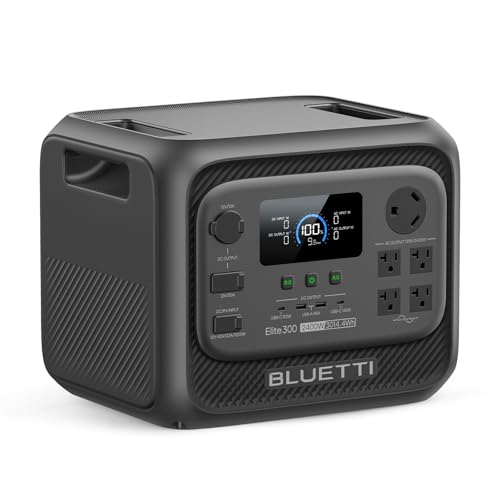
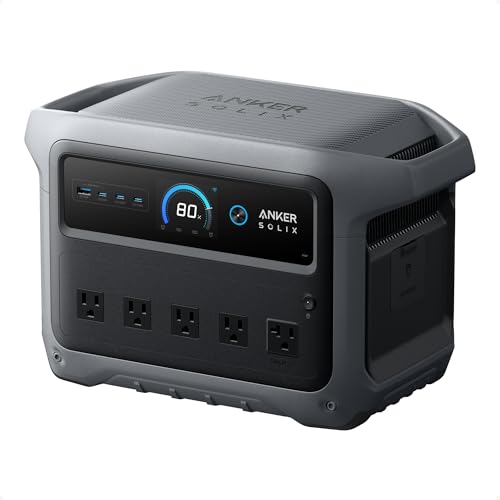
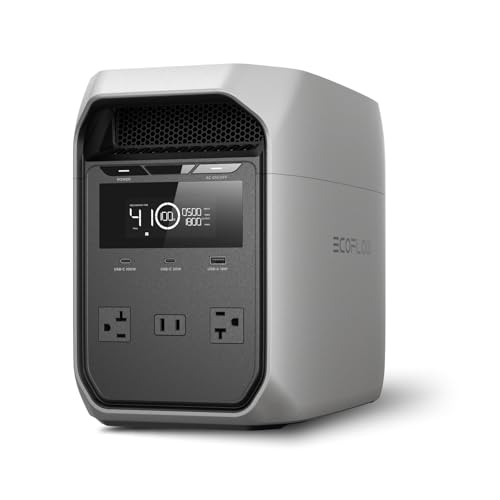
Apartment dwellers, condo owners and anyone without outdoor space should look first at portable power stations. Models like the EcoFlow Delta 3 Classic, Anker SOLIX C1000 Gen 2 and BLUETTI units store electricity in lithium batteries and run indoors silently, powering phones, laptops, lights, a router, a CPAP machine or a small refrigerator for limited periods.
Capacity is measured in watt hours. A 1,000 watt hour unit can run a 100 watt load for roughly eight to nine hours after conversion losses. Many power stations recharge from wall outlets, car chargers or solar panels, which helps during multi day outages.
Small inverter generators are another compact option for homes with a balcony or yard, since they are lighter and quieter than conventional generators. Store fuel safely and run them only outdoors in a well ventilated area.
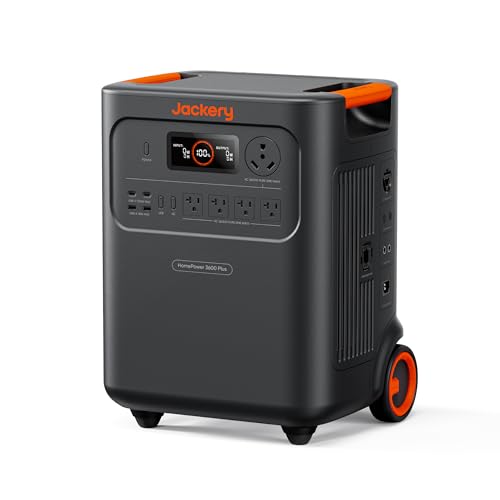
Expandable power stations, such as large home backup models with add on batteries, can scale from a few essentials to several days of fridge and lighting power. They cost more per watt hour than fuel generators, but they need no fuel storage, produce no exhaust and are ready the moment the lights go out.
For Frequent or Serious Users
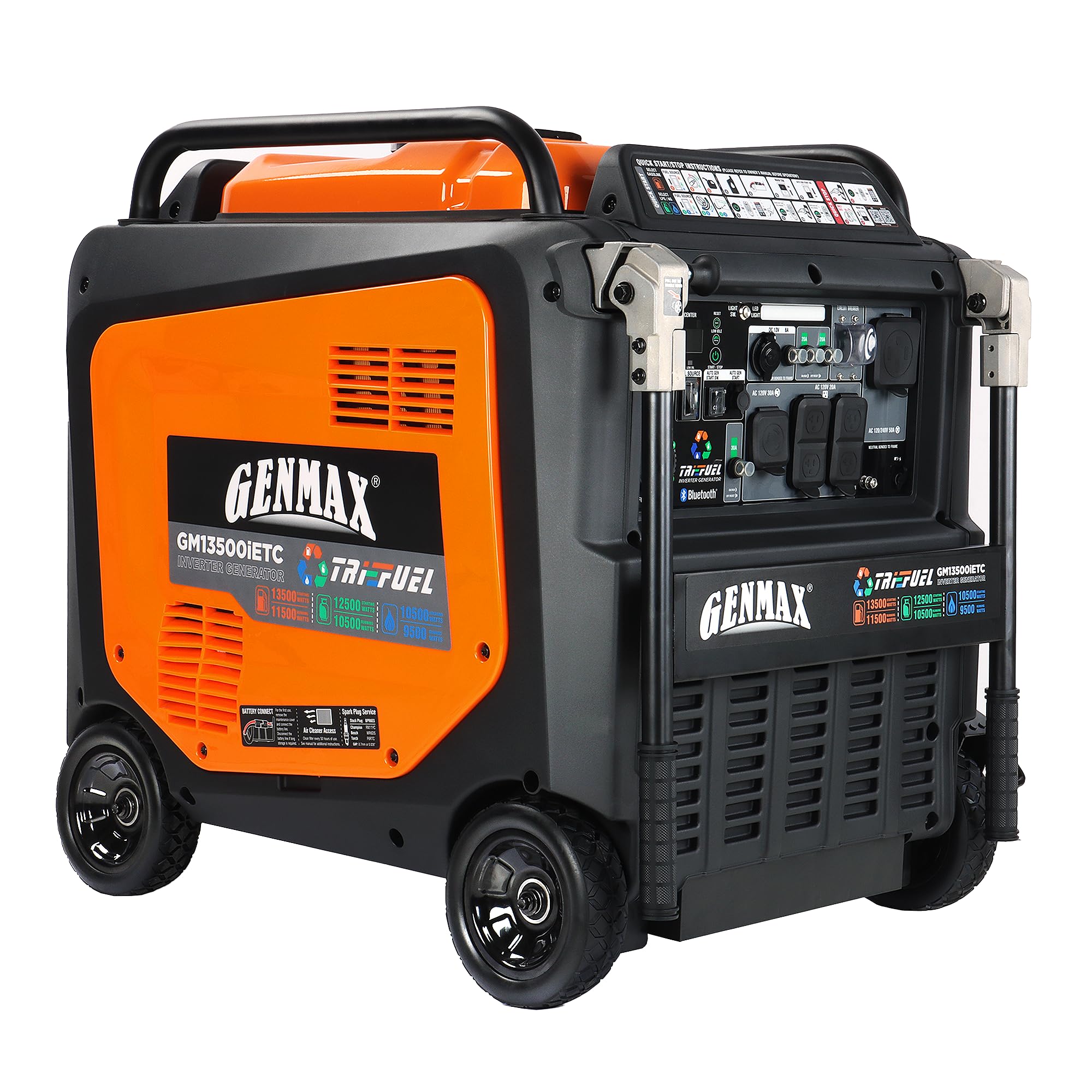
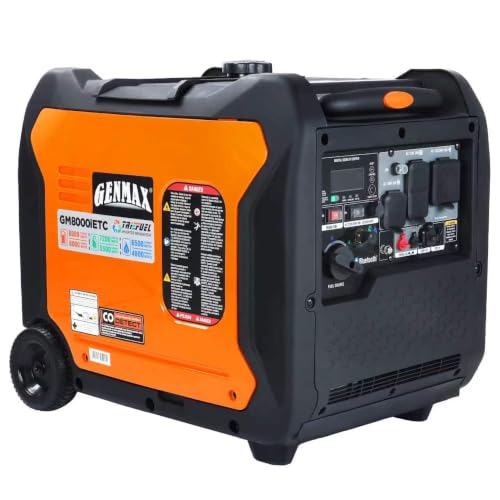
If you live where outages are common or long, such as hurricane zones or rural areas with fragile power lines, you need more capacity. Large dual fuel or tri fuel portable generators in the 9,000 to 14,500 peak watt range, such as Westinghouse home backup models, can run refrigerators, well pumps, sump pumps, lights and even some central air systems through a transfer switch.
Whole home standby generators, installed permanently and connected to natural gas or propane, start automatically when the power fails. They cost more and require professional installation but remove the need to refuel or connect cords during a storm.
Serious users should plan fuel storage, a transfer switch or interlock installed by a licensed electrician and a regular maintenance schedule. These steps make a large generator safe and practical during long emergencies.
Parallel capable inverter generators offer another path: two smaller units linked with a parallel kit deliver more combined power while staying easier to move and store than one large generator. This setup suits homeowners who want flexibility for both home backup and RV or camping trips.
For Bad Weather and Tough Conditions
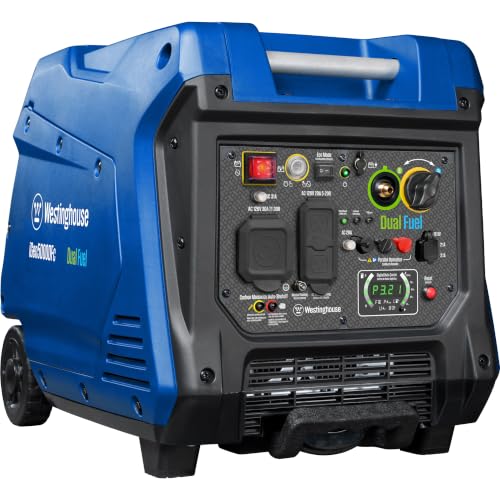
Storms bring rain, wind and cold, which affect generator choice. Electric start and remote start models save you from pulling a recoil cord in freezing weather. Dual fuel or tri fuel generators let you switch to propane or natural gas when gasoline is scarce after a disaster, and propane stores much longer than gasoline.
Never run a generator in a garage, basement or enclosed porch, even with the door open. Use a generator tent or cover designed for operation in wet weather, keep the unit on a dry surface and use heavy duty outdoor extension cords. Built in CO sensors that shut the generator off when carbon monoxide builds up add an important safety layer.
Cold climates add their own challenges. Gasoline engines can be hard to start below freezing, so electric start, fresh fuel and the correct winter oil weight make a real difference. Propane pressure drops in severe cold, so keep spare tanks and check the manual for cold weather guidance.
For Weekend Beginners
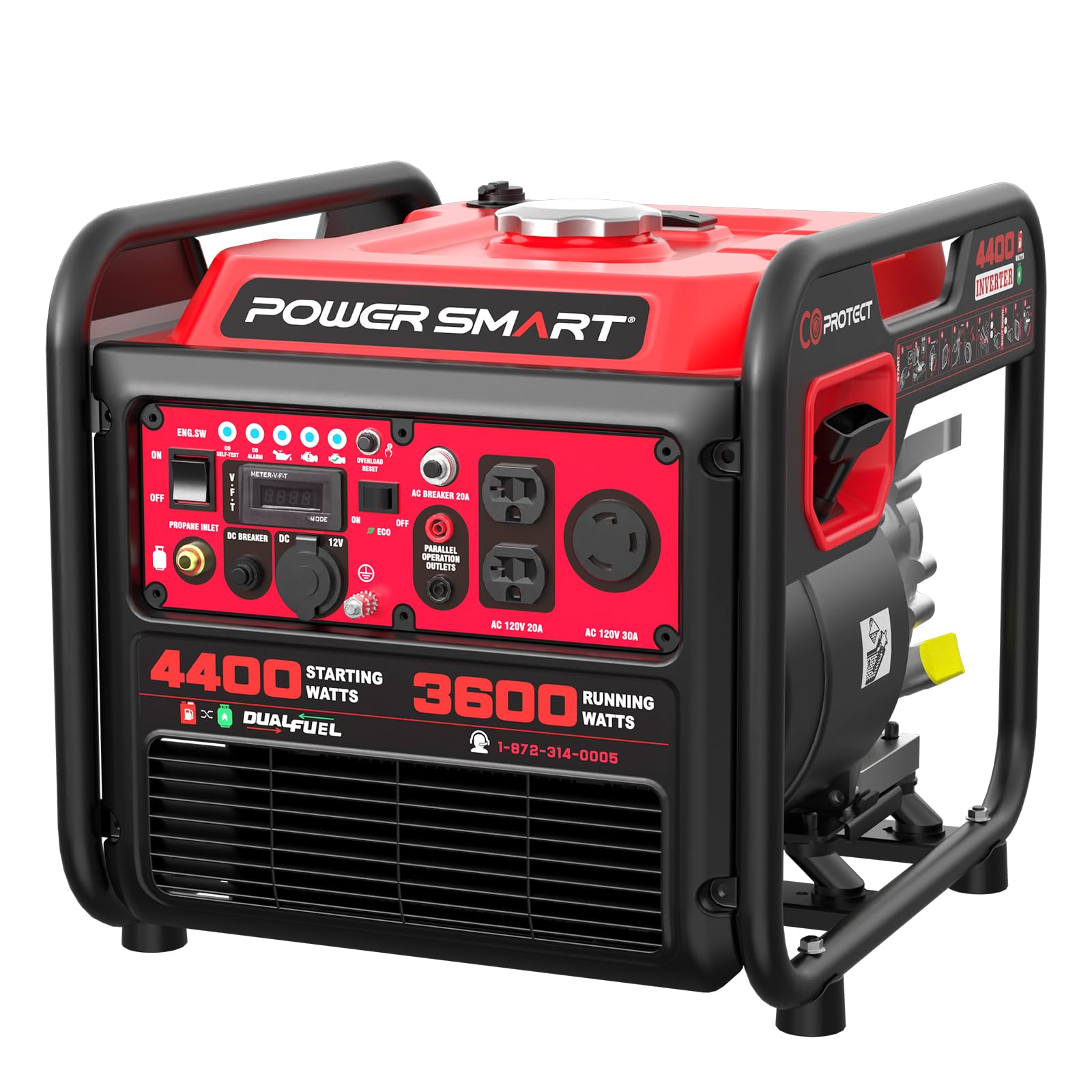
If you are new to generators and want occasional backup for essentials, start with an inverter generator in the 4,000 to 5,000 peak watt range or a mid sized power station. These handle a refrigerator, lights, phones and a few small appliances, and inverter models produce clean power for electronics.
Choose a model with electric start, a CO shutoff sensor, clear outlets and a simple control panel. Practice starting and running the generator before storm season so you are comfortable with the process when you actually need it.
Keep a simple outage kit with the generator: heavy duty extension cords, a funnel, stabilized fuel or full propane tanks, spare oil, the manual and a flashlight. Having everything in one place turns a stressful night into a quick, safe setup.
Key Features to Compare in the Best Emergency Generator
Once you know which type suits your situation, compare these features. They decide how much you can power, how safely and for how long.
Transfer Switch and Home Connection
A transfer switch connects a generator to your home's electrical panel safely, letting you power hardwired circuits like a furnace, well pump or kitchen circuits. It also prevents backfeeding, which can injure utility workers and damage equipment. Never plug a generator into a wall outlet.
Many portable generators are "transfer switch ready," with a 30 amp or 50 amp outlet for a generator inlet box. Installation requires a licensed electrician and may require a permit. If you skip a transfer switch, use heavy duty extension cords to plug appliances directly into the generator.
Manual transfer switches let you choose which circuits to power, which helps match your generator's capacity to priorities like the refrigerator, furnace fan and a few lights. Automatic transfer switches, common with standby generators, detect an outage and switch over without any action from you.
Generator Type (Portable, Inverter, Standby, Solar Power Station)
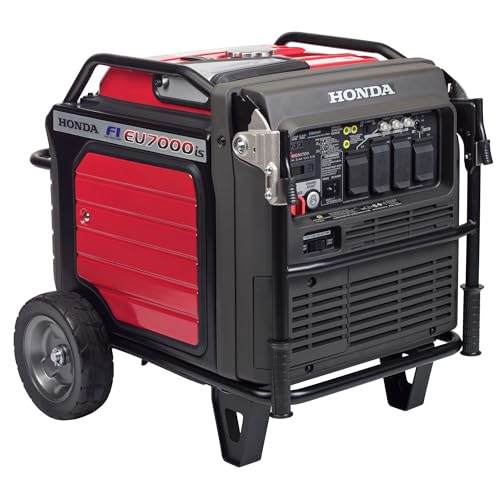
Conventional portable generators deliver the most watts for the money but run louder and produce power less suited to sensitive electronics. Inverter generators are quieter, more fuel efficient and produce clean power with low total harmonic distortion, which is safer for computers and modern appliances.
Standby generators are permanently installed and start automatically. Portable power stations store energy in batteries, run silently indoors and pair with solar panels, but they have limited capacity compared with fuel generators. Many households combine a power station for indoor essentials with a fuel generator for larger loads.
Noise is worth comparing, especially in neighborhoods with close houses. Inverter generators often run noticeably quieter than open frame models at partial load, which matters during multi day outages when generators run overnight.
Wattage: Running vs Starting Watts
Running watts are the continuous power a generator can supply, while starting or peak watts cover the brief surge motors need when they start, such as refrigerators, sump pumps and air conditioners. Add the running watts of everything you want to power at once, then make sure the generator can handle the largest starting surge.
As a rough guide, a refrigerator needs around 700 to 800 running watts with a higher start up surge, a sump pump around 800 to 1,000 watts and a window air conditioner several hundred to over 1,000 watts. Check the labels on your appliances for exact figures, and leave headroom rather than running a generator at its limit.
Writing a simple power plan helps. List your essential appliances, note their running and starting watts and decide which ones can run in rotation, such as running the microwave only while the sump pump is off. This approach lets a mid sized generator cover more of your home.
Fuel Type (Gasoline, Propane, Dual Fuel, Natural Gas, Solar)
Gasoline is widely available but degrades within months unless treated with stabilizer, and it can be hard to buy after major storms. Propane stores for years, burns cleaner and is easy to keep in tanks, though it produces slightly less power. Dual fuel generators run on either, and tri fuel models add natural gas for homes with a gas line.
Solar power stations recharge from panels, providing fuel free backup during long outages if you have enough sun. Choose the fuel you can store safely and access reliably during emergencies.
Plan how much fuel you need. A mid sized generator at half load may burn several gallons of gasoline per day, so a multi day outage requires safe storage of a meaningful amount of fuel in approved containers, kept away from living spaces and heat sources.
Common Mistakes to Avoid When Buying Emergency Generators
- Running a generator indoors or in a garage. Carbon monoxide can build up quickly and is deadly; always run fuel generators outdoors, far from openings.
- Underestimating wattage. Forgetting starting watts leads to tripped breakers and appliances that will not start.
- Backfeeding through a wall outlet. This is dangerous and illegal; use a transfer switch or plug appliances directly into the generator.
- Storing untreated gasoline. Old fuel gums up carburetors; use stabilizer or choose propane.
- Skipping maintenance. A generator that sits unused for a year may not start when the power goes out.
Care and Maintenance Tips
Run your generator every month or two for about 15 to 20 minutes under a light load to keep the engine lubricated and the battery charged. Change the oil after the break in period and then according to the manual, and replace air filters and spark plugs as recommended.
Store gasoline with stabilizer and rotate it every few months, or run the carburetor dry before long storage. Keep propane tanks upright outdoors. For power stations, keep the battery charged between 50 and 80 percent during storage and top it up every few months. Keep cords, adapters and a carbon monoxide alarm for your home ready before storm season.
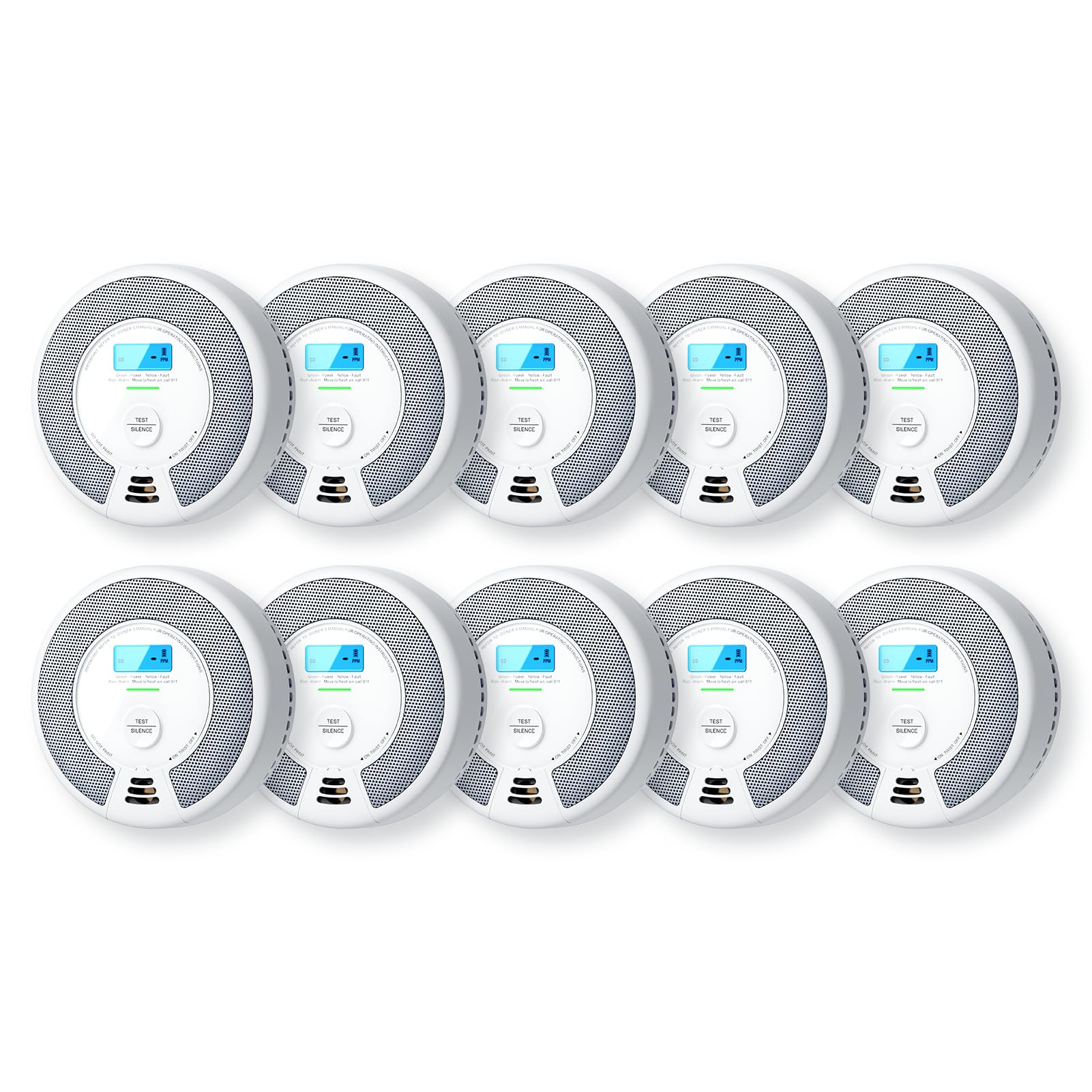
Install battery operated or battery backup carbon monoxide alarms on every level of your home, since they protect your family if exhaust drifts toward the house during an outage. Place the generator at least 20 feet from the home with the exhaust pointed away from doors and windows, following the maker's guidance.
Emergency Generators: Your Questions Answered
Inverter or conventional: which is better?
Inverter generators are better for most homes that power electronics, since they produce clean power, run quieter and use less fuel. Conventional generators deliver more watts for the money, which suits powering large loads like well pumps or central air through a transfer switch. Many large home backup generators now offer inverter technology at a higher price.
Can a generator run a refrigerator?
Yes, most generators of around 2,000 running watts or more can run a standard refrigerator, as long as they handle the start up surge. Inverter generators and large power stations can also run refrigerators for a time. Running the refrigerator in cycles and keeping the door closed helps conserve fuel or battery capacity.
A full freezer stays cold longer than a half empty one, so keeping it stocked and closed reduces how often you need to run the generator.
What size generator do I need to power a house?
To run essentials like a refrigerator, lights, phones, a sump pump and a few small appliances, a generator with roughly 5,000 to 7,500 running watts is often enough. To power most of a home, including a well pump and central air, you may need 10,000 to 15,000 watts or a whole home standby generator. Add up your actual appliance wattages to be sure.
How long can an emergency generator run continuously?
Runtime depends on fuel tank size, load and fuel type. Many portable generators run about 8 to 12 hours on a full tank of gasoline at half load, and longer on a large propane tank. Standby generators on natural gas can run for days. Follow the manual for refueling safely and for maximum continuous run times.
Do I need a transfer switch?
You need a transfer switch or interlock kit to power hardwired circuits like a furnace, well pump or built in lights safely. Without one, you can still power appliances by plugging them directly into the generator with heavy duty extension cords. Have a licensed electrician install any transfer switch, following local codes.
Our Verdict
The best emergency generator is the one sized and fueled for your actual outages. Apartment dwellers and indoor medical needs fit portable power stations, beginners do well with a mid sized inverter generator with a CO sensor, and frequent or long outages call for a large dual fuel or tri fuel home backup generator with a transfer switch. Whatever you choose, run fuel generators outdoors only and keep up with maintenance.
For more backup power options, see our guides to the best portable generator, the best inverter generators, the best dual fuel inverter portable generator, the best generators for emergencies and the best quiet generator for the money. Then compare current prices in the product table above.