Best Backup Generators: A Buying Guide for 2026
Disclosure: We may earn a commission when you buy through links on this page, at no extra cost to you. As an Amazon Associate I earn from qualifying purchases. Learn more
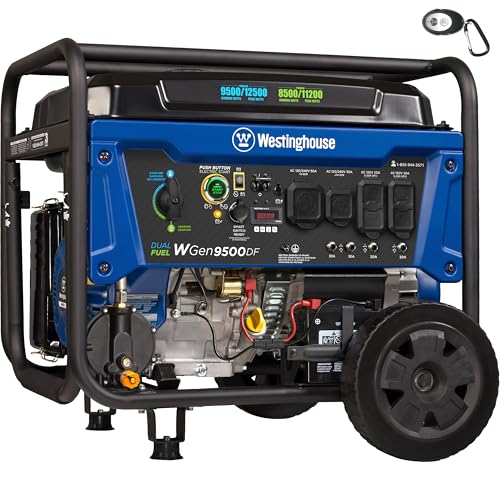
Compare the best backup generators by type, fuel, wattage, and noise, plus the safety steps and sizing math to settle before the next outage.
When the grid goes down, the clock starts ticking on a warming refrigerator, a silent sump pump, and a furnace that will not fire. Finding the best backup generators for your home has less to do with the biggest watt number on the box and more to do with your load list, your fuel plan, and how the unit connects to the house. This guide walks through the types, the sizing math, and the safety rules so you can choose with confidence.
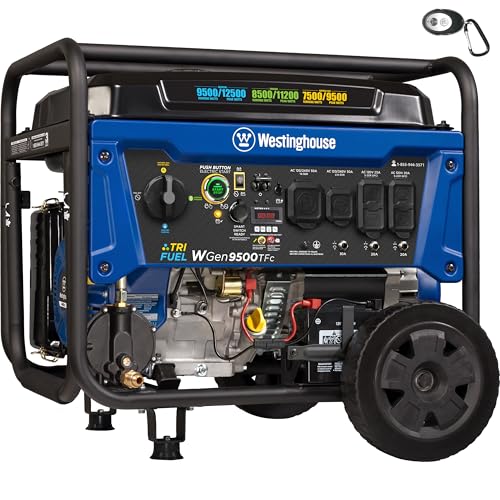
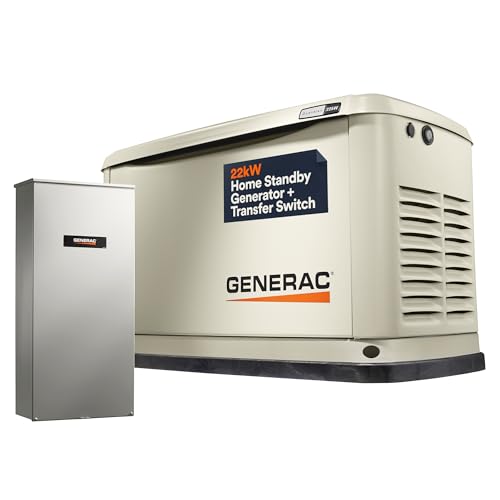
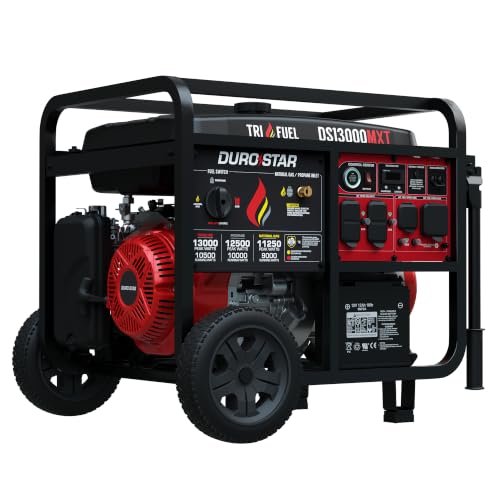
You will learn how running watts differ from starting watts, why inverter models protect sensitive electronics, and what each price band realistically buys. The product table gathers the key options side by side so the sections that follow are easier to follow.




Safety First: Placement and Connection Rules That Protect Your Household
A generator engine produces carbon monoxide, a gas you cannot see or smell that can be deadly very quickly. Run every fuel powered generator outdoors only, never inside a house, a garage, a basement, or a covered porch, and never near an open window. Place it at least 20 feet from doors, windows, and vents with the exhaust pointed away from the building, and follow any greater distance your manual requires. Keep working carbon monoxide alarms on every level of the home as a backstop, and if an alarm sounds or anyone feels dizzy or nauseous, get outside and call emergency services.
Never connect a generator to your home wiring by plugging it into a wall or dryer outlet. That practice, called backfeeding, can send power out onto utility lines and electrocute line workers, and it can start fires inside your walls. The only safe connection is a transfer switch or a breaker interlock installed by a qualified electrician, which isolates your panel from the grid while the generator feeds selected circuits. Extension cords are a limited alternative for portable units: use only heavy gauge outdoor rated cords, power one appliance per cord where possible, and never run a cord under a rug or pinch it in a doorway.
Fuel and heat demand equal respect. Never refuel a hot or running engine, because spilled gasoline on a hot muffler can ignite; shut the unit down and let it cool first. Store gasoline outside living space in approved containers, away from the generator, water heaters, and every other ignition source. After an outage, let the generator cool completely before you cover it or wheel it back into storage, since a hot exhaust can melt covers and ignite stored materials nearby.
What Your Money Gets You at Each Price Band
Advertised roundups of the best rated generators rarely match your actual load list, so it helps to think in bands instead. Each band below buys a different level of coverage, noise, and automation, and the jump between bands is mostly about comfort rather than basic survival.
Keeping the Essentials Alive: Under About $1,000
This band covers conventional portable generators with about 3,500 to 5,500 running watts, enough for a refrigerator, a sump pump, lights, phone charging, and a few fans. Expect manual or recoil starting, a steel frame, and noise levels that carry down the street. There is no automation here: you wheel the unit out, start it, and manage cords yourself. For households that lose power a few times a year for a few hours, this band solves the real problems at the lowest cost.
Quieter Power for Modern Electronics: About $1,000 to $2,500
Spending more buys inverter technology, which produces cleaner power that is safe for laptops, TVs, and modern furnace controls, along with much lower noise. Many models in this band offer electric start, parallel capability so two smaller units can combine, and dual fuel operation that runs on gasoline or propane. Runtime stretches longer because inverter engines slow down when the load drops. This is the band most suburban households land in, because it balances quiet operation, safe power, and a price that still feels reasonable.
Automatic Whole Home Standby: About $5,000 to $12,000 Installed
Standby generators are permanently installed beside the house, connect to natural gas or a large propane tank, and start on their own within seconds of an outage. The installed price includes the unit, a concrete pad, gas plumbing, and the transfer switch work, which is why it climbs so far past the portable bands. You gain whole home coverage, including central air conditioning, with no cords and no refueling trips. The tradeoff is cost, a fixed location, and professional maintenance, so this band suits long outages, medical needs, and homes in storm prone regions.
How to Choose the Best Backup Generators: Buying Guide
Work through the factors below in order: type, wattage, noise, features, fuel, storage capacity for power stations, and runtime. Settling each one against your own load list is what separates a generator that merely starts from one that actually carries your home through a long outage.
Generator Type: Portable, Inverter, Standby, or Solar Power Station
Portable conventional generators deliver the most watts per dollar and suit construction style loads and basic home essentials. Inverter generators wrap the engine around electronics that clean up the power, so they run quieter and protect sensitive devices. Standby units are fixed appliances that trade portability for full automation. Solar power stations are large rechargeable batteries with outlets; they make no power on their own, but they run silently indoors and recharge from panels or a wall outlet, which suits apartments and short outages.
Wattage: Running Watts Versus Starting Watts
Every motor driven appliance draws a brief surge when it starts, often two to three times its steady draw. Add up the running watts of everything you plan to power at once, then add the largest single starting surge on top; your generator needs a running rating above the first number and a starting rating above the second. Maker figures are maximums under ideal conditions, so leave about 20 percent of headroom rather than planning to run at the redline for hours.
| Appliance | Running watts | Starting watts |
| Refrigerator | about 150 to 200 | about 800 to 1,200 |
| Sump pump, half horsepower | about 800 to 1,050 | about 1,300 to 2,100 |
| Furnace blower | about 300 to 600 | about 800 to 1,200 |
| Well pump, half horsepower | about 1,000 | about 2,100 to 3,000 |
| Window air conditioner | about 900 to 1,400 | about 1,800 to 2,800 |
Treat the table as a planning estimate, because the label on your own appliance is the number that counts. A home with a well pump and a furnace blower usually lands in the 5,000 to 7,500 running watt range once surges are included.
Noise Level in Decibels
Conventional portables often measure in the low to mid 70s dBA at a working distance, roughly vacuum cleaner loud, while inverter models at light load can sit in the 50s. Sound drops as distance grows, so placement on the far side of the yard matters as much as the rating itself. Check local noise ordinances and any campground or neighborhood rules about nighttime running before you buy, because a unit you cannot legally run after dark solves only half the outage. Ratings are also measured at partial load, so expect the real number to rise when the engine works hard.
Portability and Safety Features
Look for a carbon monoxide shutoff sensor that stops the engine when gas builds up around the unit; it is a backstop, never a license to run the machine in a tight space. Low oil shutoff protects the engine from the most common cause of seizure. Electric start matters more than it sounds at 2 in the morning in the rain, and it usually comes with a battery you must keep charged. Wheels and folding handles decide whether one person can move a 150 pound machine across a wet lawn, so match the frame to whoever will actually deploy it.
Fuel Type: Gasoline, Propane, Dual Fuel, Natural Gas, or Solar
Gasoline is sold everywhere and delivers full rated watts, but it degrades in storage within months and stations may be closed or crowded during a regional outage. Propane stores for years without degrading and burns cleaner, though engines typically produce slightly fewer watts on it and you swap tanks as they empty. Dual fuel models let you start on gasoline and stretch supply with propane, a flexibility many owners value. Natural gas feeds standby units endlessly from the utility line, while solar stations sidestep fuel entirely and depend on stored charge plus sunshine.
Battery Capacity and Solar Input for Power Stations
Power station capacity is measured in watt hours: a 2,000 watt hour station can run a 150 watt refrigerator for roughly 10 to 12 hours once conversion losses are counted. Lithium iron phosphate batteries, labeled LiFePO4, tolerate far more charge cycles than older lithium chemistries, which matters for a device that may serve a decade. Solar input is rated in watts, and real panel output in winter sun or partial shade falls well short of the box figure, so plan recharge times generously. These stations shine for lights, phones, laptops, and similar devices, but they cannot start a well pump or run central air.
Runtime and Fuel Efficiency
Runtime claims are quoted at 25 or 50 percent load, so a generator advertised at 12 hours may deliver closer to 7 or 8 hours when it is actually working hard. Bigger tanks extend runtime but add weight and stale fuel risk. Inverter models stretch fuel further at light loads because the engine idles down, while conventional engines run at one speed regardless. The practical move is to size the unit so your typical outage load sits near half its rating, which balances runtime, noise, and engine wear.
Types of Backup Generators
Inverter Generators
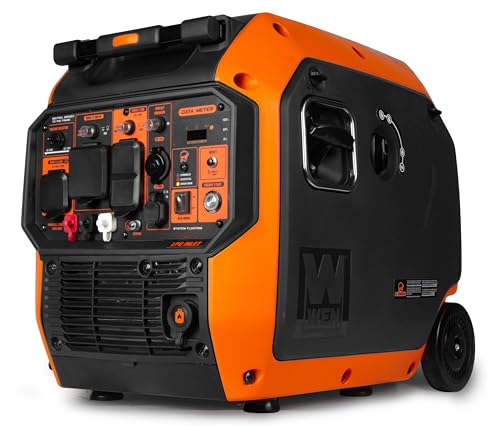
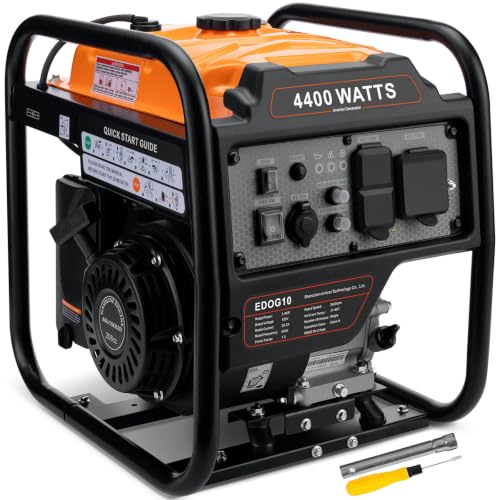
Inverter models generate raw power, convert it to direct current, then invert it back to clean alternating current with very low distortion. That clean output is why they are the default choice around computers and modern appliances, and their engines vary speed with load, cutting noise and fuel use. They cost more per watt and top out at lower outputs than conventional frames. Buyers comparing the best inverter generators for home backup should weigh open frame designs, which are cheaper and louder, against enclosed designs built for quiet.
Dual Fuel Generators
Dual fuel generators run on gasoline or propane with a selector switch and a hose connection for a standard grill sized tank or a larger cylinder. Propane keeps indefinitely in the tank, so the machine is ready after months of sitting, and many owners run gasoline first and save propane for the long tail of an outage. Output drops modestly on propane, which your sizing math should reflect. This type suits households that already store propane for grilling or heating and want one less fuel to rotate.
Home Standby Generators
Standby generators are the fixed, automatic end of the market, wired through a transfer switch and fueled by natural gas or propane. They exercise themselves weekly, report faults, and restore power whether you are home or away, which protects pipes, food, and sump pumps during vacations. The appeal of the best automatic generators is exactly that independence, but installation requires permits, a pad, and licensed gas and electrical work. Plan on professional installation and an annual service visit as part of ownership.
Portable Generators
Portable generators are the versatile workhorses: a frame, an engine, outlets, and wheels, ready to serve a house one weekend and a job site or tailgate the next. They are the cheapest path to real wattage and the easiest to lend, store, or replace. The costs are noise, manual setup in bad weather, and cord management unless you add a transfer switch and inlet box. Shoppers weighing the best portable backup generators should check outlet variety, including a 240 volt receptacle, because that single feature decides whether a transfer switch setup is even possible later.
Backup Generators for Specific Needs
Best Solar Backup Generators
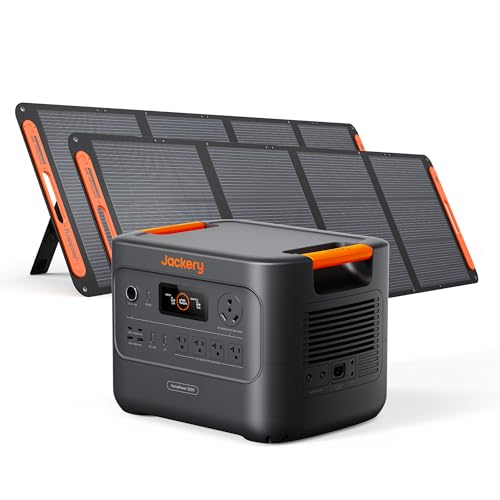
The best solar backup generators are really battery power stations paired with folding solar panels, and their strengths are silence, zero exhaust, and indoor safety. They fit renters, apartment dwellers, and anyone whose outage plan is a refrigerator, lights, phones, and small electronics rather than pumps and air conditioning. If you rely on powered medical equipment, ask your doctor and the equipment maker what backup you need. Judge stations on usable watt hours, solar input watts, and whether capacity expands with add on battery packs. Go in clear eyed about limits: a cloudy three day outage can outlast the stored energy, so treat solar stations as one layer of a plan rather than a full replacement for fuel.
How to Make Your Backup Generator Last Longer
- Run the generator about once a month under a real load for roughly 20 minutes, which keeps seals lubricated, the battery charged, and stale fuel moving through the carburetor.
- Add fuel stabilizer to stored gasoline and rotate your cans every few months, because degraded fuel is the leading cause of a generator that will not start when it is needed.
- Change the oil on the schedule in the manual, including the early first change after break in, and check the level before every run during a long outage.
- Keep a spare spark plug, air filter, and a quart of the correct oil beside the machine, since stores sell out quickly during regional storms.
- Store the unit cool and dry only after it has fully cooled, and cover it loosely so condensation does not collect under a sealed tarp.
- For standby systems, keep the weekly automatic exercise enabled and book the annual professional service, because missed valve and filter checks shorten engine life.
Backup Generators: Your Questions Answered
What size generator do I need to power a house?
Size follows your circuit list, not your square footage, because a small home with a well pump can need more watts than a large home on city water. List the appliances you truly need, total their running watts, and add the largest starting surge. Many households land between 5,000 and 7,500 running watts. Load management stretches a smaller unit further: stagger motor starts, and let a transfer switch shed the air conditioner while the well pump runs.
Do I need a transfer switch for a backup generator?
A transfer switch is not legally required to run a portable generator with extension cords, but it is required for any connection into your home panel. Beyond safety, it buys convenience: one heavy cord to an outdoor inlet box replaces a web of cords through a cracked door. Most jurisdictions require a permit and inspection for the installation, and the electrician will confirm your panel has room for the interlock or switch. Budget the switch work into the generator price from the start.
Inverter or conventional generator: which is better?
Choose based on what you will power and where you will run it. A conventional engine spins at one constant speed to hold electrical frequency, which is why it stays loud even when it powers a single lamp. Inverter models vary engine speed with load, so they sip fuel and run quietly at the partial loads most outages involve. If your list is pumps, lights, and a fridge in a rural yard, conventional value wins; near bedrooms and electronics, inverter is worth it.
How long can a backup generator run continuously?
Most portable generators can run for days during a long outage if you manage them like an engine, not an appliance. Check the oil level at least once a day, since many small engines consume oil slowly under load, and shut down for every refuel and oil top up. Give the unit a cool down rest during multi day events when loads allow. Standby systems are built for longer continuous duty and monitor themselves, but they still need their oil and filter schedule respected.
Can a backup generator run a refrigerator?
Yes, almost any generator over about 2,000 starting watts can start and run a modern refrigerator, which draws roughly 150 to 200 running watts. The bigger question is what else shares the circuit when the compressor kicks on. Food safety sets the deadline: a closed refrigerator keeps food cold for about 4 hours without power, and a full freezer for about 48 hours, so starting the generator promptly matters more than its size. Keep doors shut between checks to stretch those hours.
The Bottom Line
Choosing well comes down to three things: an honest load list with starting surges included, a fuel you can actually store and replenish, and a connection method that keeps your family and utility crews safe. Match the type to your housing situation, respect the placement rules every single run, and keep up the small maintenance habits that make the machine start on the worst day of the year. When you are ready, compare the best backup generators in the product table above against your numbers and pick the size that covers your essentials with headroom to spare.