
Best All Round Mountain Bike 2026: A Practical Buying Guide
Disclosure: We may earn a commission when you buy through links on this page, at no extra cost to you. As an Amazon Associate I earn from qualifying purchases. Learn more

Choosing the best all round mountain bike: types, key features, budgets and care tips for riders who want one bike for mixed terrain.
A bike that climbs well, descends with confidence and still feels comfortable on a long day out is what most trail riders actually want. The best all round mountain bike is not the one with the longest travel or the lightest frame, but the one that balances climbing, descending and comfort for the trails you ride most.
This guide explains the main bike types, the features that decide how a bike rides, what different budgets buy and how to look after your bike. Use the product table above to compare current options once you know which type suits you.

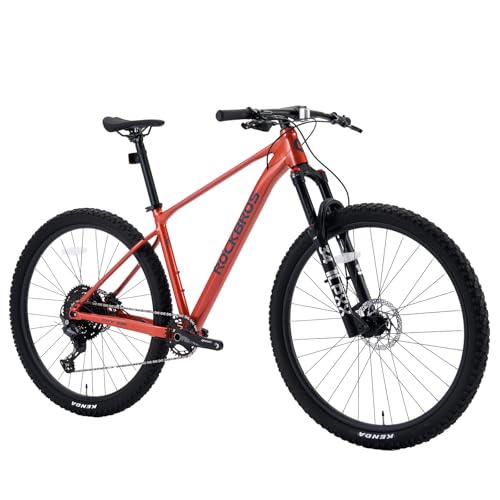

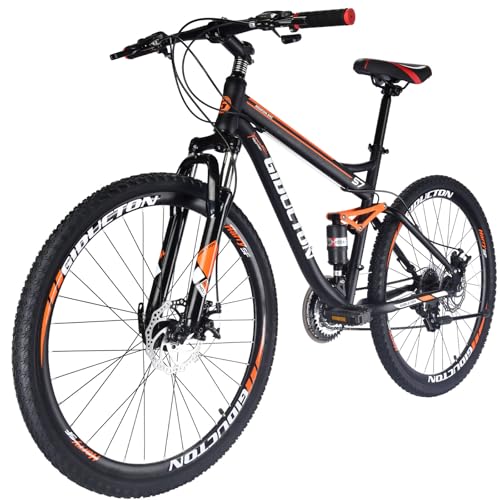

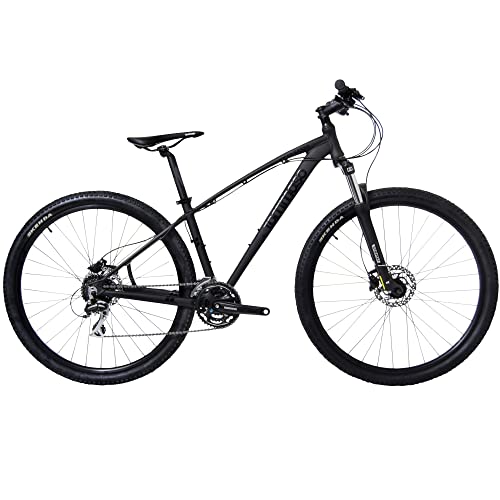
Who Should Buy an All Round Mountain Bike
Returning Riders
If you are coming back to riding after some years, you need a forgiving bike that rebuilds confidence without demanding expert skills. A mid travel trail bike with a comfortable position fits well. Get the size right, ask a shop to set up the suspension, and build fitness gradually on familiar trails. For a closer look at one version of this bike, see our guide to the best all round trail mountain bike.
Trail Center Regulars
Graded trails, small jumps and varied surfaces week after week reward durability, brake quality and wheel strength more than the lightest frame. A mid travel bike with sturdy parts suits this routine. Good tires matter here, and our guide to the best all round mountain bike tyre explains how to choose them.
Long Ride Explorers
Long days call for efficiency on climbs, comfort for hours in the saddle and reliability far from a shop. A lighter trail bike with a wide gear range and a comfortable saddle fits this use. Carry basic tools, a spare tube and a pump, because remote trails punish poor preparation.
Types of All Round Mountain Bikes
Trail Hardtails
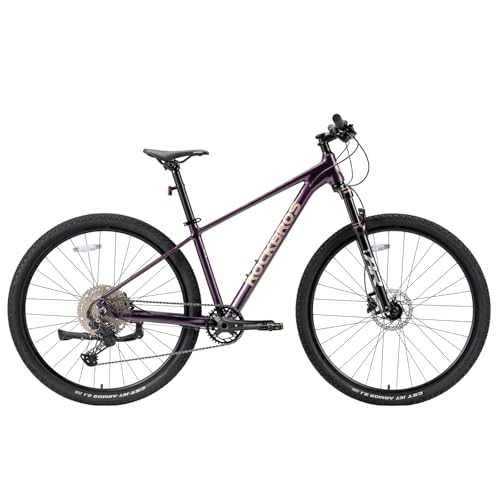
A trail hardtail is simple, light and efficient for flowing singletrack and moderate terrain. Without rear suspension it teaches good line choice and keeps maintenance low. It suits riders who enjoy a direct feel and do not ride very rough descents often. Our guide to the best all round hardtail mountain bike covers this type in depth.
Mid Travel Trail Bikes
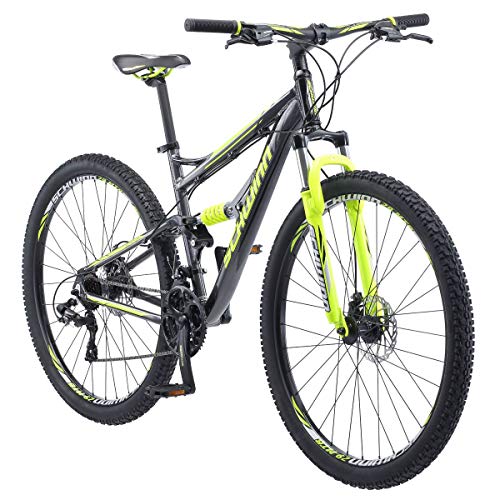
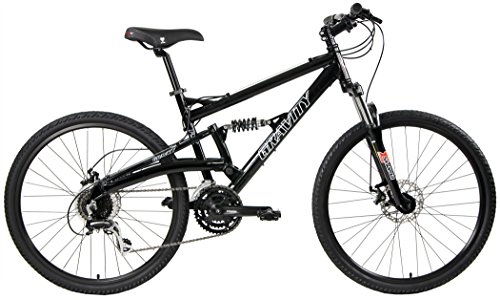
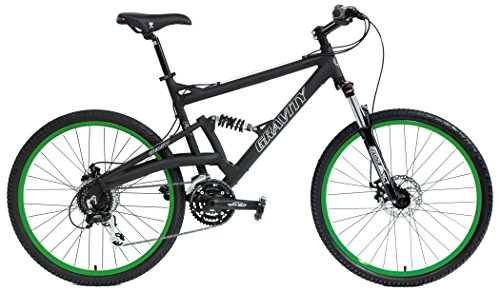
A mid travel full suspension bike smooths roots, rocks and small drops while still climbing well enough for a long day. This is the heart of the all round category, balancing comfort, grip and efficiency. Suspension setup matters, so learn the basic sag and rebound settings.
Longer Travel Full Suspension Bikes
Longer travel bikes lean toward rougher trails and bigger features, with geometry that stays stable at speed. They weigh more and need more care, but they open up steeper terrain. If your local trails include long descents, the extra capability is worth the weight. See also the best all mountain bike.
Key Features to Compare
Geometry and Confidence
Geometry shapes how a bike feels. A longer, slacker bike feels stable on descents, while a shorter, steeper bike feels nimble on climbs and tight corners. For an all round bike, look for a balanced position that is neither stretched on climbs nor twitchy on descents.
Suspension Setup
Suspension only helps if it is set for your weight and riding style. Check sag, rebound and lockout options, and have a shop help with the first setup if you are new to suspension. A well set mid travel bike often rides better than a long travel bike left on factory settings.
Drivetrain and Brakes
A wide gear range helps on steep climbs and fast road links, while hydraulic disc brakes give reliable stopping in mud and rain. Check rotor size and pad availability, because a bike ridden weekly needs new pads and occasional bleeding.
Tires and Wheels
Tires affect grip, rolling speed and puncture resistance more than many other parts. A versatile tread with a tough casing suits mixed terrain, and a tubeless setup reduces pinch flats. Wheel strength matters for heavier riders and rough trails, so check spoke count and rim width.
What Your Money Gets You
At about $500 to $1,200, you can expect solid basics: an aluminum frame, a front suspension fork, hydraulic or entry level brakes and a reliable drivetrain. This tier suits riders who want value and do not need premium finishes.
At about $1,200 to $2,200, you gain better suspension, tubeless ready wheels, a dropper post and a wider gear range. This tier suits regular riders who will notice the difference every week and is often the sweet spot.
At about $2,200 to $3,500, you pay for lighter frames, refined suspension and the longest expected life. Before paying this much, confirm that the extra features match how you ride, not just your wish list.
Care, Maintenance and Common Mistakes
Wash mud off after rides, lubricate the chain when it looks dry, and check bolts, spokes and brake pads regularly. Suspension needs periodic service, and a neglected fork or shock gradually loses performance. Keep a simple log of service dates if you ride often.
A common mistake is choosing a bike by suspension travel alone, ignoring geometry and fit, which shape the ride far more. Another is riding a new bike hard before checking bolt torque and tire pressure. Always wear a helmet, and seek medical care promptly after a crash with a blow to the head, persistent pain, weakness or numbness.
Frequently Asked Questions
What is the difference between all round and all around mountain bikes?
The terms describe the same idea: one versatile bike for mixed terrain rather than a specialist machine. Guides and makers use the two spellings interchangeably, so focus on geometry, travel and fit.
How much travel is right for an all round bike?
Mid travel, about 120 to 150 mm, usually suits an all round bike, covering flowing trails, roots, rocks and moderate descents without excessive weight. Shorter travel feels more efficient on climbs, while longer travel suits steeper, rougher terrain.
Should I buy a hardtail or full suspension?
Choose a hardtail for lower cost, simpler care and efficient climbing on smoother trails. Choose full suspension for more comfort and grip on rougher trails and longer descents. Your local terrain and maintenance appetite should decide.
What size frame do I need?
Start with the maker size chart for your height and inseam, then check reach and standover clearance. A frame that feels cramped or stretched on a short ride will feel worse after hours. Stem length and saddle position can fine tune the fit, but they cannot rescue the wrong size.
What should I check before ordering?
Check frame size and geometry, suspension travel, wheel and tire choice, gear range and brake quality. Confirm warranty and parts availability, and whether a local shop can service the suspension and drivetrain.
Final Thoughts
Match the bike type to your trails, get the size right, and spend on the fork, brakes and tires first. Compare your shortlist in the product table above, and the best all round mountain bike for you will be the one that improves the sections of your local loop where you now climb slowly or feel least confident.

