
Best Amateur Mountain Bike 2026: Buying Guide
Disclosure: We may earn a commission when you buy through links on this page, at no extra cost to you. As an Amazon Associate I earn from qualifying purchases. Learn more

What the best amateur mountain bike needs: a right size aluminum frame, hydraulic brakes, sensible suspension and room to upgrade later.
Your first seasons on dirt should be about learning lines, building fitness, and having fun, not fighting a bike that fits badly or brakes poorly. The search for the best amateur mountain bike gets easier once you focus on fit, braking, and tires before anything fancy.
This guide walks through the choices that matter for newer riders, from hardtail versus full suspension to wheel size and gearing. Look at the comparison table below for the main types, then use the buying guide to match a bike to your local trails and budget.
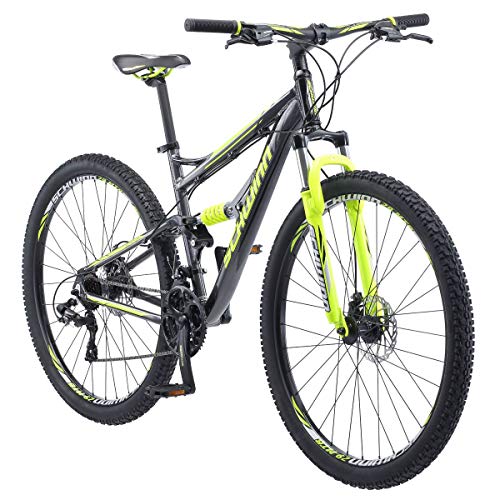
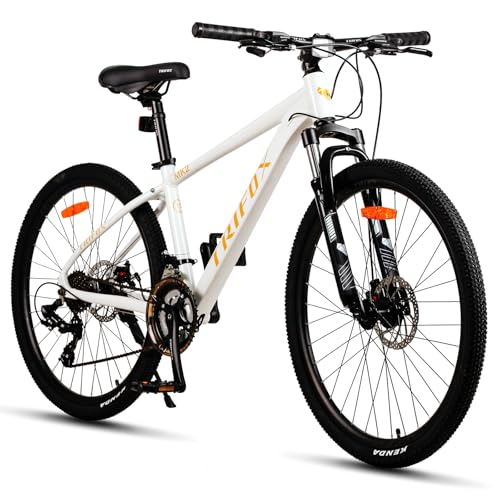
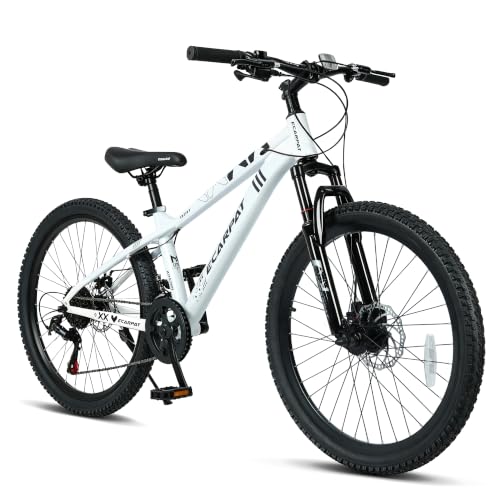

What to Look for at a Glance
Rather than naming specific models, this section describes three price and capability tiers. Use them to judge any bike you find in a shop or online against what riders at your level actually need.
Core Tier: Trail Hardtail
The best all around tier for an amateur is a modern trail hardtail with an aluminum frame, a single front chainring drivetrain, hydraulic disc brakes, and a suspension fork with about 120 mm of travel. This setup is simple to maintain, light enough to climb, and confident on moderate descents. Expect to pay around $900 to $1,500 in this tier.
The main limit is comfort on rough ground, because the rear wheel has no suspension. Good tire choice and correct pressure solve much of that. For most riders on green and blue trails, this tier delivers the best mix of price, reliability, and room to grow.
Value Tier
Value tier bikes, around $500 to $900, are hardtails with simpler forks, wider range value drivetrains, and either hydraulic or strong mechanical disc brakes. They suit riders who ride once a week on smoother trails and want a real mountain bike without a big commitment. Weight is higher and parts wear a little faster, but the basics are sound.
Check that the frame has standard parts, such as a replaceable derailleur hanger and common wheel sizes, so repairs stay cheap. Avoid bikes with fake suspension styling or no name brakes. A plain, honest hardtail from this tier teaches skills better than a heavy dual suspension look alike.
Upgrade Tier
The upgrade tier, around $1,800 to $3,000, adds either a high end hardtail with a dropper post and tubeless wheels or an entry level full suspension bike with modern geometry. These bikes descend with far more control and comfort, and they hold up to harder riding as your skills grow.
The trade off is upkeep. Suspension pivots, shocks, and dropper posts need periodic service, and replacement parts cost more. Choose this tier if your local trails are rocky or steep, or if you know you will ride several times a week for years.
How to Choose an Amateur Mountain Bike: Buying Guide
Bike Type and Riding Style
Cross country bikes favor light weight and climbing, trail bikes balance climbing and descending, and enduro bikes favor steep descents at the cost of weight. As an amateur, a trail bike is the safest middle ground for mixed local riding. It will not punish you on climbs, and it stays calm when a descent gets loose or rocky.
Be honest about your trails. If your riding is mostly smooth park paths and gentle forest tracks, a lighter cross country hardtail feels faster and needs less care. If you dream of bike park days, say so now, because that goal changes the fork, brakes, and tires you should prioritize. Our guide to the best bike for mountain biking can help you sort riding styles before you shop.
Frame Material and Geometry
Aluminum is the right frame material for most amateurs. It is light, stiff, affordable, and tolerant of small crashes. Steel feels smooth and repairs easily but weighs more, while carbon is light and strong yet costs far more and needs care after hard impacts. For a first serious bike, put your money into brakes and tires before frame material.
Geometry matters more than material. A head tube angle around 65 to 67 degrees feels stable on descents without making steering lazy, and reach should let you ride with a slight bend in your elbows, not stretched out. If you are comparing categories, our guide to the best all mountain mountain bike explains how longer, slacker geometry behaves on bigger terrain.
Brakes (Hydraulic vs Mechanical Disc)
Hydraulic disc brakes are the single most valuable feature for a new trail rider. They stop with one or two fingers, work in rain and mud, and need little adjustment as pads wear. Mechanical disc brakes cost less and are easy to adjust with basic tools, but they need more hand force and more frequent tweaks.
Rotor size matters too. Rotors around 180 mm in front and 160 to 180 mm in back suit most amateur riding. Heavier riders and steep trails benefit from larger rotors at both ends. Whatever you choose, bed in new pads with a series of gentle stops before your first real descent.
Weight and Components Upgrade Path
A trail hardtail around 28 to 32 lb feels lively without fragile parts. Full suspension bikes around 32 to 36 lb are normal at amateur friendly prices. Do not chase the lowest weight if it means weak wheels or flexy forks, because wheels and contact points shape your ride more than a pound of frame weight.
Plan your upgrade path in this order: tubeless tires, a dropper post, better brake pads, then wheels. A good frame with standard fittings accepts all of these later. Riders who start on a sensible hardtail often follow the path described in our guide to the best starter mountain bike and upgrade parts as skills grow.
Sizing and Fit
Fit decides whether you will love or avoid your bike. Use the maker size chart as a starting point, then check standover height: you should clear the top tube by at least an inch or two when standing flat footed. Reach and stack numbers help you compare sizes across brands better than small, medium, and large labels alone.
If you sit between sizes, the smaller size usually feels easier to handle for a newer rider, while the larger size feels more stable at speed. A shop fitting is worth it. Small changes, such as sliding the saddle or swapping a stem, can fix reach without buying a different frame. Never buy a size up thinking you will grow into it.
Wheel Size and Tires
Wheels with a 29 inch diameter roll over roots and rocks smoothly and hold speed well, which helps most adult amateurs. Wheels with a 27.5 inch diameter feel quicker to turn and suit shorter riders or very tight, twisty trails. Some bikes mix both, with a larger front wheel and a smaller rear wheel, for stability plus agility.
Tires around 2.3 to 2.6 inches wide give grip and comfort at moderate pressure. Tubeless setup, where sealant replaces an inner tube, lets you run lower pressure for traction and seals small punctures as you ride. For category comparisons across naming styles, see our guide to the best bicycle mountain bike for how wheel and tire choices are described.
Types of Amateur Mountain Bikes
Cross Country Bikes
Cross country bikes use about 100 to 120 mm of travel and steeper angles for efficient climbing. They suit riders who want fitness, speed and smooth trails, and they are lighter than trail bikes at the same price.
Hardtail Mountain Bikes
A hardtail has suspension only at the front. It is lighter, cheaper, and easier to maintain than a full suspension bike, and it teaches clean line choice. For smooth to moderately rough trails, it is the best amateur choice. Its limit shows on long rocky descents, where your legs become the rear suspension and fatigue builds faster.
Full Suspension Mountain Bikes
Full suspension bikes add a rear shock and pivots, which keep the rear wheel tracking the ground for grip and comfort. They shine on rocky and rooty trails and reduce beating on your body. The costs are price, weight, and service: budget about once a year for shock and pivot care. Riders exploring broader categories can compare with our guide to the best mtb mountain bike.
How to Make Your Amateur Mountain Bike Last Longer
- Check tire pressure before every ride, because low pressure causes pinch damage and sloppy steering while high pressure kills grip.
- Clean and lube the chain every 100 to 200 miles, or after any wet and muddy ride, and wipe off excess lube so it does not collect grit.
- Rinse the bike with low pressure water only, and keep direct spray away from bearings, suspension seals, and brake rotors.
- Book a professional tune up once a year to check brake pads, chain wear, wheel true, and suspension service intervals.
- Store the bike indoors or under cover, because sun and rain age tires, grips, and brake hoses faster than riding does.
Always wear a helmet that fits, and stop riding and seek medical care after any head impact, even if you feel fine at first. Replace a helmet after a crash, because its foam is designed to absorb one serious hit.
FAQs
Do I need a dropper post as a beginner?
Not at the start, but it is the most useful first upgrade. Lowering the saddle with a lever lets you move freely on descents. Check that the frame has internal routing or a standard seat tube so you can add one later.
Hardtail or full suspension for beginners?
A hardtail is the better first bike for most beginners because it costs less, weighs less, and needs less service. It also builds skill, since you must pick smooth lines instead of relying on the rear shock. Choose full suspension first only if your home trails are genuinely rough or you have joint issues that make rear comfort a health need rather than a luxury.
How should a beginner set tire pressure?
Start near the maker range for your tire size and rider weight, then adjust in small steps. Lower pressure grips better and cushions bumps, but too low risks rim damage. Tubeless setups can run lower pressure than tubes.
What size bike do I need?
Start with your height and inseam on the maker chart, then confirm standover clearance and a comfortable reach in person. You should be able to pedal with a slight bend in the knee at the bottom of the stroke and reach the brakes without stretching. If two sizes feel close, pick the one that feels easier to move around at low speed, because confidence matters most while learning.
How much should I spend on my first bike?
Plan around $700 to $1,200 for a hardtail you will enjoy for several seasons, plus budget for a helmet, pump, and basic tools. Spending less often buys heavy parts and weak brakes that push you to replace the bike quickly. Spending far more buys suspension and light parts you cannot yet use. The middle range is where value, safety, and upgrade room meet for an amateur rider.
Our Verdict
Fit first, brakes second, tires third. A modern hardtail in the right size, with hydraulic brakes and tubeless ready wheels, covers the needs of most new riders for years. Use the product table above to compare any bikes you are considering against those three priorities.
If your trails are rough or your riding will be frequent, step up a tier rather than buying twice. Chosen well, the best amateur mountain bike for you is the one that disappears under you and lets the trail teach the lessons.


