The Best All Round Mountain Bike Tyre: Buying Guide for 2026
Disclosure: We may earn a commission when you buy through links on this page, at no extra cost to you. As an Amazon Associate I earn from qualifying purchases. Learn more

Choosing the best all round mountain bike tyre: tread, casing, size, compound and care tips to match the trails you ride most.
A single tyre that climbs on loose soil, corners on hardpack, and brakes calmly on wet rock sounds like a tall order, yet that is the job description here. Choosing the best all round mountain bike tyre means balancing grip, rolling speed, and durability for the trails you ride most, instead of buying the most aggressive tread in the shop. This guide walks through each decision in plain order.
You will compare tread patterns, casing strength, sizes, and rubber compounds, then see how price tiers differ. Use the comparison table below to record widths and weights as you read, so your final shortlist reflects your rims, your weight, and your terrain.


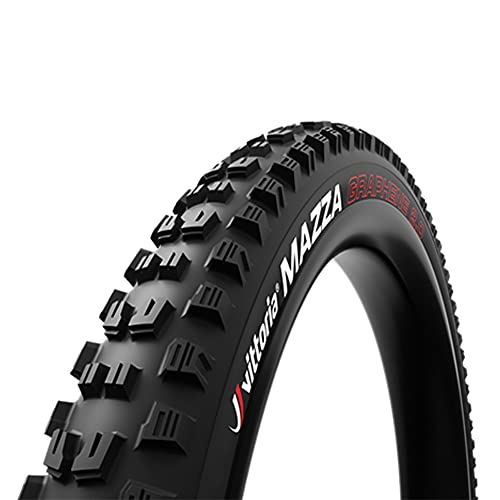

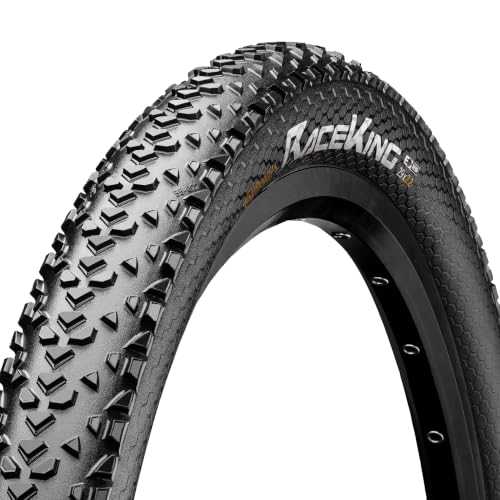


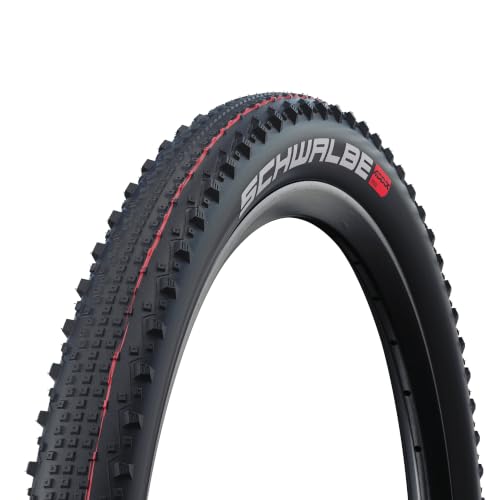
Price Tiers and What Each Tier Delivers
Tyre prices buy casing quality, compound choice, and consistency, more than they buy a different tread idea. The tiers below describe what each range generally delivers, so you can spend where your riding will actually feel the difference.
Overall Tier: Balanced Tyres for Most Riders
The core all round tier, often around $60 to $85 per tyre, pairs a tubeless ready folding bead with a casing that includes useful flat protection. Compounds here usually blend a firmer center for wear with softer edges for cornering grip. Weight sits in the middle as well, light enough for long climbs and strong enough for rocky descents. For riders who do a bit of everything each week, this tier is the natural home, and it is where matched front and rear options are easiest to find.
Value Tier: Durable Tyres on a Budget
Value tyres, often around $40 to $60, use firmer single compounds and simpler casings to keep cost down. They wear slowly, suit smooth trails and training miles well, and make sensible spares. The trade offs are weight and wet grip, since hard rubber slides sooner on roots and rock. Some value models use a wire bead that will not fold and may not seal tubeless, so check the bead type before you buy if you plan a tubeless setup with sealant.
Beginner Friendly Tier: Forgiving and Easy to Live With
New riders benefit from tyres that forgive mistakes, which means stable casings, predictable transition knobs, and tread that does not demand precise lean angles. These models often sit in the value to middle price range and favor durability over outright speed. A slightly wider tyre at moderate pressure gives beginners a larger contact patch and more confidence in corners. As skills grow, the same tyre still works for training, so the money is rarely wasted when you later add a faster set for events.
How to Choose All Round Mountain Bike Tyres: A Buying Guide
Riding Style and Terrain Mix
Begin with the split of your riding across surfaces, such as dry hardpack most weeks with occasional wet weekends. Cross country riding rewards lower, closely spaced knobs that roll fast, while trail riding rewards taller side knobs and stronger casings. If you also ride gravel connectors or pavement to the trailhead, a smoother center tread cuts wear and noise. Riders who are also setting up a complete bike can see how tyre choice fits the whole build in our guide to the best all round mountain bike selection.
How Your Bike Type Changes Tyre Choice
The bike under you shapes what a tyre must do. A hardtail has no rear suspension, so its rear tyre works as part of the comfort and grip system, and a slightly wider, more supple tyre often helps. A full suspension bike lets the shock handle impacts, so you can run a lighter casing without losing control. Heavier riders and rough trails place more load through the casing under braking, so they need stronger sidewalls and compounds that resist fast rear wear.
Tread Pattern and Rubber Compound
Center knobs handle rolling and straight line braking, transition knobs catch the tyre as you lean, and side knobs hold corners. Ramped center knobs roll faster, while open channels shed mud at the cost of some hardpack precision. Softer compounds grip wet surfaces better and wear faster, and firmer compounds do the reverse. Many all round tyres split the difference with dual compound tread. To see how faster tread designs differ, compare the options in our guide to the best xc mountain bike tyres after you finish here.
Sizing and Fit
Diameter must match your wheels, either 27.5 inch or 29 inch, and width must suit both your rim and your frame clearance. Widths around 2.3 to 2.6 inches cover most all round riding, with the wider end adding comfort and flotation on loose ground. Leave visible clearance at the fork and rear stays for mud and wheel flex. Also follow the rim maker width guidance, because a tyre that is too wide for the rim can roll side to side in corners and feel vague at any pressure.
Wheel Size and Tubeless Setup
Larger 29 inch wheels roll over roots and rocks with less effort, while 27.5 inch wheels change direction a bit more eagerly, and either size works with the right tyre. Tubeless setup removes the inner tube, uses sealant to plug small punctures, and allows lower pressure for grip. Confirm that both tyre and rim are tubeless ready, and use proper rim tape and valves. Our guide to the best mountain bike tyre sealant explains refresh intervals and how much to use per wheel.
Trail riders who lean toward rougher ground should also note where all round tyres end and dedicated trail tyres begin. Our guide to the best trail mountain bike tyres covers the taller knobs and tougher casings built for that work, and the broader overview of the best tyres for mountain bike riding shows the full range in one place.
Types of All Round Mountain Bike Tyres
Tyres for Hardtail Mountain Bikes
Hardtail riders often run a slightly wider rear tyre with a supple casing, since the tyre provides part of the rear end comfort that suspension would otherwise supply. A grippy front tyre with confident side knobs pairs well with a faster rolling rear. Keep pressure balanced, because a very soft rear tyre can feel unstable in corners on a rigid frame. This type rewards careful pressure tuning more than almost any other setup.
How to Make Your Mountain Bike Tyre Last Longer
- Check tyre pressure before every ride. Use the same gauge each time, since small changes alter grip, comfort, and rim protection.
- Clean and lube the chain every 100 to 200 miles. A clean drivetrain reduces the grit that sprays onto tyres and rims on wet rides.
- Book a professional tune up yearly. A shop can spot cracked rims, worn brake pads, and tired sealant before they ruin a tyre.
- Refresh sealant before it dries out. Dry sealant cannot plug punctures, so top it up every few months and after any flat that sprayed sealant.
- Store spare tyres in a cool, dark place. Heat and sunlight age rubber, and storage near electric motors exposes tyres to ozone that cracks sidewalls.
- Pick out embedded debris weekly. Small stones and glass work deeper with every ride, so removing them early prevents slow punctures.
Frequently Asked Questions
How much should I spend on my first all round mountain bike tyre?
Most new riders do well around $50 to $85 per tyre, where tubeless ready casings and useful grip meet fair durability. Cheaper tyres can serve smooth trails, but they often use wire beads that limit tubeless options. Spending more mainly buys lighter casings and softer compounds that wear faster, which beginners rarely need. Put any leftover budget toward sealant, a good pump with a gauge, and a spare tube for the trail.
What size mountain bike tyre do I need?
Read the size printed on your current sidewall first, since it confirms both wheel diameter and a width your frame already clears. Then adjust width for terrain, wider for loose or rough ground and narrower for smooth, fast trails. Confirm rim width guidance from the wheel maker before moving far from your current size. If you are unsure, a local shop can measure clearance in minutes and save you a return.
Hardtail or full suspension: which suits beginners?
Beginners often progress faster on a hardtail because it costs less, weighs less, and teaches smooth line choice. Tyre choice matters more on a hardtail, since the rear tyre supplies grip and some comfort without suspension help. Full suspension forgives rougher lines and adds comfort on rocky descents, but it also adds cost and maintenance. Either way, an all round tyre with predictable cornering helps a new rider build confidence steadily.
When should I replace an all round mountain bike tyre?
Replace it when the center tread wears low, side knobs begin tearing at the base, or the casing shows cuts, threads, or repeated leaks that sealant cannot hold. Age matters too, since rubber hardens over several years and grips less even with tread remaining. A worn rear tyre can move no real value to the front, because steering needs the best grip. Fitting the new tyre up front and moving the old front to the rear is the safer rotation.
Wrapping Up
Match tread and casing to your terrain mix, confirm size and tubeless fit, and then compare price tiers with clear eyes. The product table above and the comparison table above will help you line up widths, weights, and compounds. Chosen well, the best all round mountain bike tyre for your riding grips in corners, rolls on climbs, and lasts long enough to feel like the simplest upgrade you own.