Best All Mountain Bike 2026 Buying Guide
Disclosure: We may earn a commission when you buy through links on this page, at no extra cost to you. As an Amazon Associate I earn from qualifying purchases. Learn more

The best all mountain bike balances climbing and descending. Learn which travel, geometry, wheels and brakes to look for before you buy.
Riders who want one bike for long climbs, rocky descents and everything between should start with the best all mountain bike category. An all mountain bike pedals up the hill without a fight and still stays calm when the trail turns steep, rough and loose.
This guide explains which features decide how a bike rides, how the main travel classes differ, and how to narrow a shortlist. The product table above lists current options, so use the sections below to judge them by what they offer rather than by the paint.

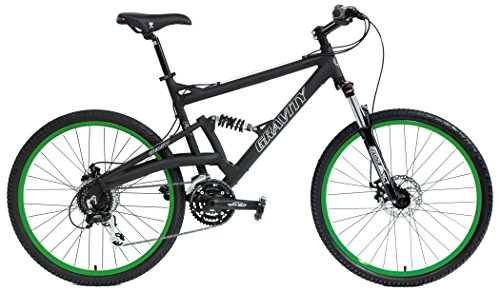
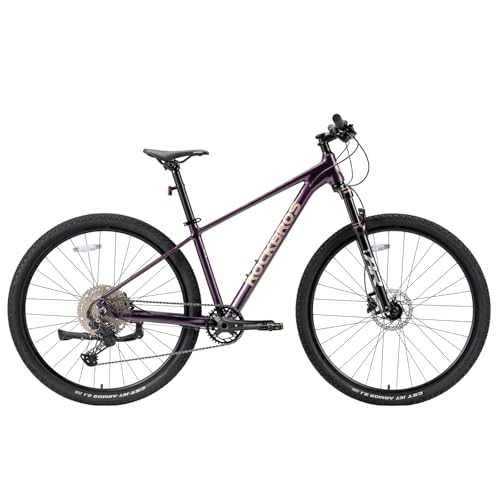
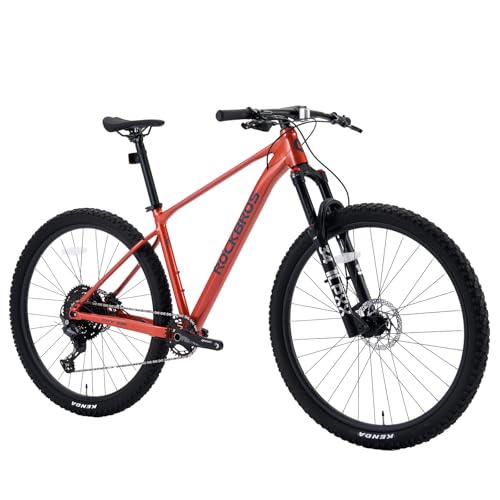

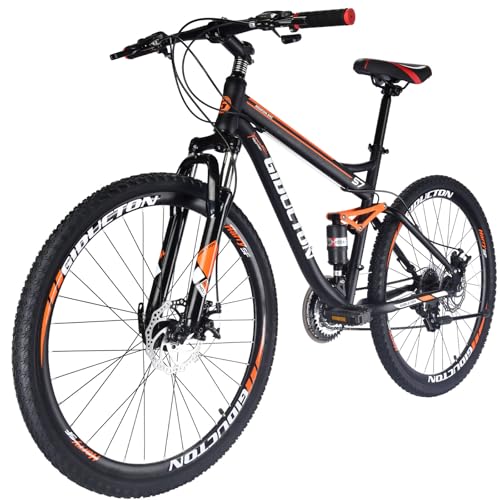

What Makes a Mountain Bike "All Mountain"
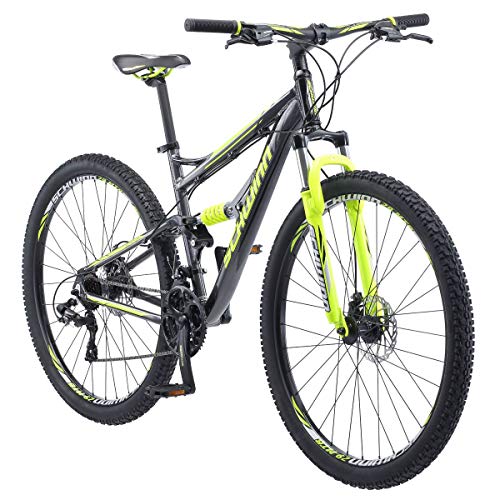
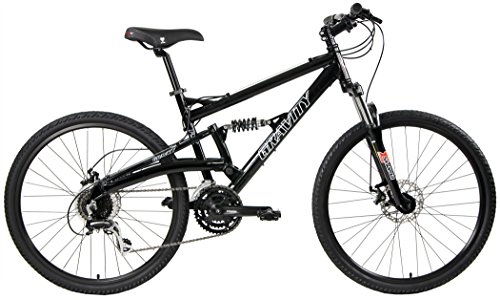
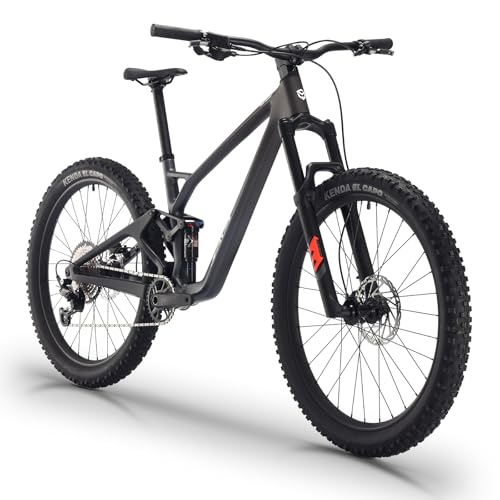
All mountain bikes sit between light cross country bikes and heavy downhill machines. They usually have 130 to 160 mm of suspension travel, a slack front end for stability on descents, and a steep enough seat angle that climbing still feels natural. Most use full suspension, though a few hardtail frames with a strong fork also fit the category.
The idea is balance. A bike that is too light and short on travel will feel nervous when the trail gets rocky, while a bike with too much travel feels heavy and dull on the way up. Most riders on mixed trails are happiest in the middle.
Features That Matter Most
Suspension Travel and Quality
Travel is the headline number, but quality matters more than quantity. An air fork and rear shock with rebound adjustment let you tune the bike to your weight and trails. Entry level coil forks are harsher and harder to set up. Match the travel to your steepest regular trail instead of the most extreme one you can imagine.
Frame Material and Geometry
Aluminum is the common choice because it is stiff, durable and easy to repair. Carbon saves weight but costs more. Geometry controls how the bike feels: a head angle around 64 to 66 degrees feels stable at speed, while a longer reach gives room to move around on steep ground. Check the size chart against your height and inseam before ordering.
Wheels and Tires
Twenty nine inch wheels roll over roots and rocks more easily, while 27.5 inch wheels feel more playful and suit shorter riders. Tires about 2.3 to 2.6 inches wide give a good balance of grip and speed. Tubeless ready rims let you run lower pressure for traction and cut down on flats.
Drivetrain and Brakes
A single front chainring with a wide range rear cassette keeps shifting simple and covers steep climbs. Hydraulic disc brakes are the standard for this style of riding, and larger rotors resist fade on long descents. Do not accept mechanical brakes on a bike meant for real trails.
Who Should Buy One
An all mountain bike suits riders who climb to earn their descents and ride a mix of fire roads, singletrack and rocky technical sections. It is also a smart one bike choice for people who ride a few times a month and do not want separate bikes for climbing and descending. Racers focused on pure speed uphill or on bike park laps will do better with a more specialized design.
Think about where you ride most often, how steep the trails are, and how far you travel to reach them. A bike that matches those habits will feel better than one built for a trail you only ride twice a year.
Choosing Between the Main Types
Travel splits the category into three broad groups, and each suits a different rider.
- Short travel trail bikes (120 to 140 mm): livelier and lighter, a good fit for smooth to moderate trails and riders who climb a lot.
- Mid travel all round bikes (140 to 150 mm): the balanced choice for most riders on varied terrain.
- Long travel descent focused bikes (150 to 170 mm): more forgiving on steep, rough ground, but heavier to pedal on flat and uphill sections.
If you are unsure, the mid travel group is the safest starting point. Moving to a specialist bike makes sense only when your riding clearly leans one way.
How to Narrow Your Shortlist
- Decide on your budget, including a helmet, gloves, pump and a first service.
- Pick a travel class based on your steepest regular trail.
- Confirm the frame size using the maker size chart and standover height.
- Check for hydraulic disc brakes, a dropper post, and tubeless ready wheels.
- Compare warranty terms and how easily you can get service and parts.
When two bikes tie, pick the one with the better fork and brakes. Those two parts shape control and safety on every ride and are the most expensive to upgrade later.
Setup, Care and Everyday Use
Set suspension sag to about 25 to 30 percent of travel with a shock pump, and check tire pressure before every ride. Clean and lube the chain every 100 to 200 miles, and rinse mud off after wet rides. Check brake pads, bolts and bearings regularly, and book a suspension service once a year if you ride weekly. Wear a helmet every time and start on familiar trails while you learn how the bike behaves.
Mistakes to Avoid
The most common mistake is buying the wrong size, which hurts control and comfort no matter how good the parts are. Another is chasing travel numbers: extra travel adds weight and dulls climbing if your trails do not need it. A third is spending the whole budget on the bike and leaving nothing for protective gear and maintenance.
Related Mountain Bike Guides
Riders who want a simpler first bike can read about the best starter mountain bike or the best novice mountain bike. For general comparisons, see the best mtb mountain bike, the best bike for mountain biking and the best bicycle mountain bike.
Frequently Asked Questions
What is the difference between all mountain and trail bikes?
The two overlap heavily. Trail bikes usually have slightly less travel and favor climbing and pedaling efficiency, while all mountain bikes add travel and slacker angles for rougher descents. Many brands use the names interchangeably, so compare the travel and geometry rather than the label.
How much travel do I need?
Between 130 and 150 mm suits most riders on mixed terrain. Choose the lower end for smoother trails and long climbs, and the higher end for steep, rocky ground. More travel than your trails demand only adds weight and pedal bob.
Is full suspension better than a hardtail?
Full suspension adds traction, comfort and control on rough descents, but it costs more and needs more maintenance. A hardtail is lighter and simpler and works well on smoother trails. For rocky or rooty terrain, full suspension is usually the better long term choice.
What size mountain bike do I need?
Start with the maker size chart using your height and inseam, then check that you can stand over the top tube with a small gap. Reach should leave a slight bend in your elbows. If you fall between sizes, shorter riders often prefer the smaller frame for control and taller riders the larger one for stability.
How much should I spend?
Plan on enough to get hydraulic disc brakes, an air fork and a wide range drivetrain. Spending less often means replacing weak parts soon, while very high prices add refinement rather than new capability. Keep some budget back for a helmet, tools and the first service.
Final Thoughts
Match the travel to your trails, get the size right, and put your money into the fork and brakes. Compare your shortlist in the product table above, and the best all mountain bike for you will be the one that fits your terrain and your body, not the one with the longest spec sheet.