Best All Round Hardtail Mountain Bike by Budget: Smart Choices for 2026
Disclosure: We may earn a commission when you buy through links on this page, at no extra cost to you. As an Amazon Associate I earn from qualifying purchases. Learn more

Which price tier gets you the best all round hardtail mountain bike? See what each budget delivers, which upgrades matter and what to skip.
Prices for hardtail mountain bikes run from a few hundred dollars to several thousand, and the spec sheets all claim speed, strength, and trail confidence. Knowing where the money actually helps is the fastest route to the best all round hardtail mountain bike for your trails and your budget. This guide breaks down each price tier, the features worth paying for, and the extras you can safely skip.
A hardtail has front suspension and a rigid rear end, which keeps it light, simple, and efficient for climbing and smooth trails. Use the comparison table below to note prices and frame sizes, then match each bike to the tier guidance that follows.

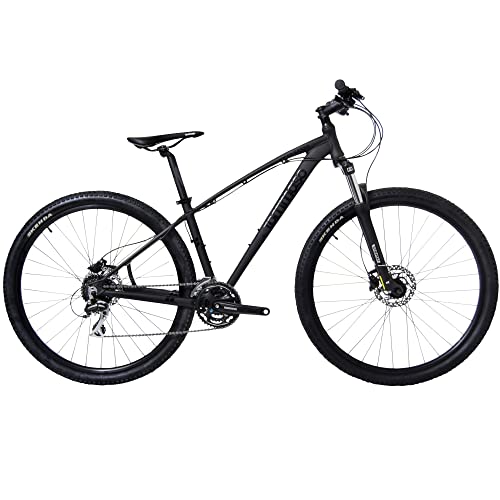


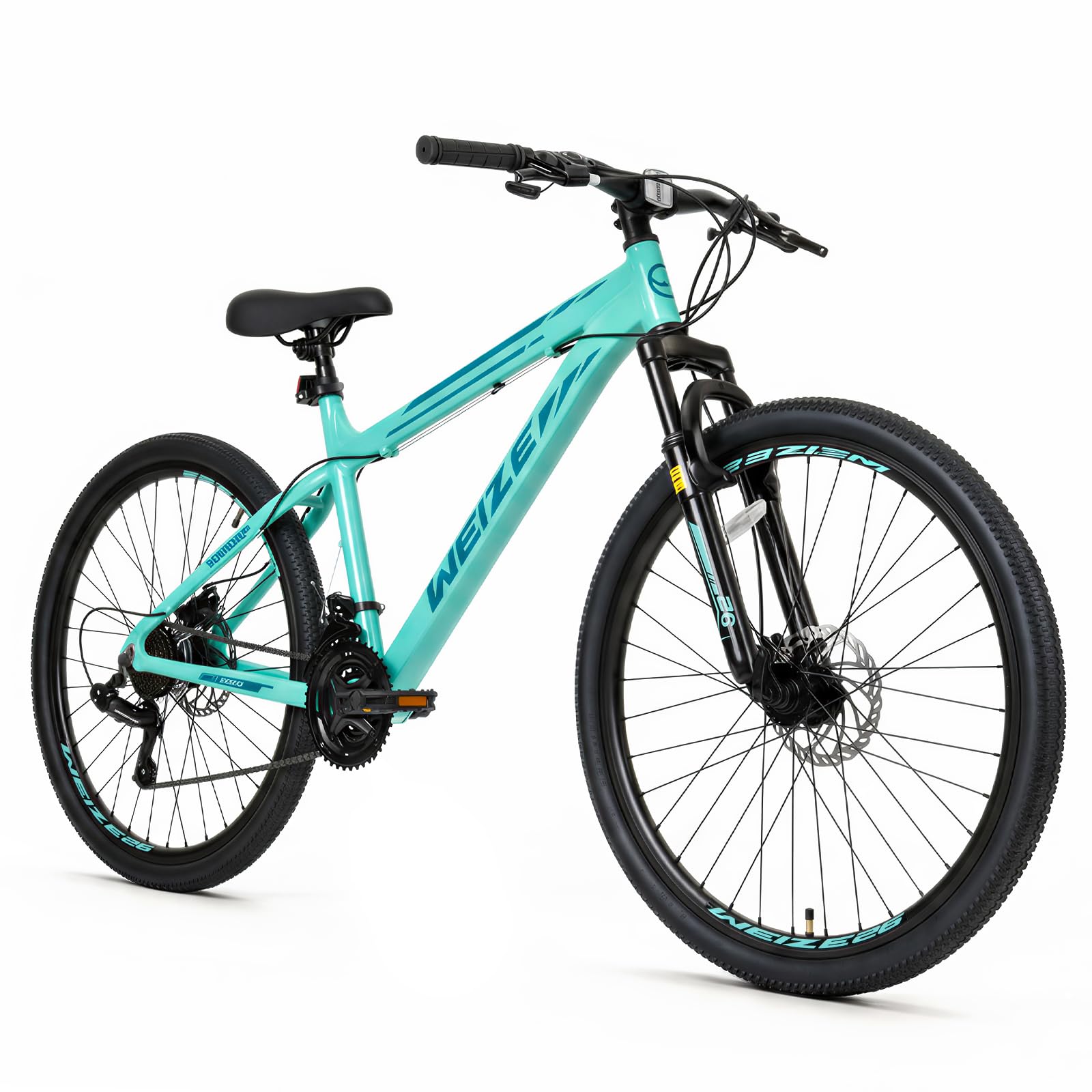
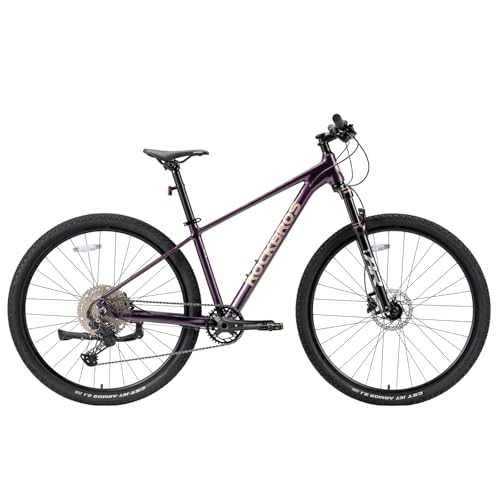
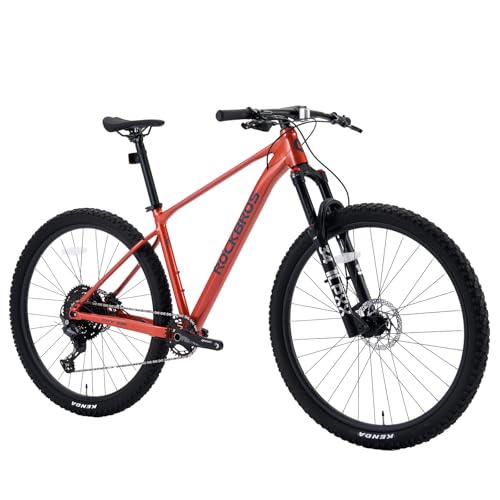
Price Tiers at a Glance
Rather than ranking individual models, this section describes what each budget level generally buys. Component quality changes fast between tiers, so a small step up at the low end often matters more than a large step up at the top end.
Budget Tier: Under Around $800
Budget hardtails suit smooth trails, gravel paths, and riders testing whether mountain biking suits them. Expect an aluminum frame, a basic coil fork with limited adjustment, and a drivetrain that may use older shifting designs with wider gaps between gears. Brakes at this level are sometimes mechanical disc rather than hydraulic, which means more hand effort and less control on long descents. The bikes are heavier, but the frames are usually sound, so a careful buyer can upgrade the fork and brakes later if the sport sticks.
Middle Tier: Around $800 to $1,800
This is the sweet spot for most buyers, where hardtails gain air sprung forks, hydraulic disc brakes, and modern single ring drivetrains with wide gear ranges. Frames often include internal routing and mounts for a dropper post, a seatpost that lowers at the push of a lever for descents. Tubeless ready wheels appear here, letting you run lower tire pressure for grip without an inner tube. If you ride weekly on real trails, this tier delivers the fewest compromises per dollar spent.
Premium Tier: Above Around $1,800
Premium hardtails add lighter frames in advanced aluminum or carbon, high end forks with refined damping, and lighter wheels. Shifting becomes crisper, brakes gain power and heat control, and many models include a dropper post as standard. The gains are real but smaller, showing up as comfort on long rides and speed on rough climbs rather than basic capability. Buyers here usually know their fit and terrain well. For a broader view of frame choices at this level, our roundup of the best mountain bike hardtails explains how premium builds differ from trail ready basics.
What Your Money Gets You at Each Price Tier
Budget Tier: What to Expect
At the budget level, prioritize the frame and fit over flashy parts. A sound aluminum frame with modern geometry, meaning a slacker head angle for stable descents and a longer reach for control, will outlast cheap components. Check that the fork has a lockout for smooth climbs and that the wheels use standard sizes you can replace easily. Accept heavier weight as the main trade off, and keep some budget aside for a helmet, a pump, and tires suited to your local dirt.
Middle Tier: The Sweet Spot for Most Buyers
Middle tier money buys the parts that change the ride every day: an air fork you can tune to your weight, hydraulic brakes that stop with one finger, and gears that cover steep climbs without huge jumps. Frames also gain tapered head tubes and stronger axles that stiffen steering on rough ground. Riders comparing this tier with full suspension options can read our guide to the best all round mountain bike range to see when rear suspension earns its extra cost and weight.
Premium Tier: When Spending More Pays Off
Spending more pays off when you ride often enough to feel small gains many times each month. Lighter wheels accelerate faster out of corners, better fork damping keeps the front tire planted on repeated hits, and carbon frames can mute vibration on long rides. Premium tiers also hold resale value better, which matters if you upgrade every few years. If you race cross country, lighter still matters, and our guide to the best hardtail xc mountain bike models covers the race focused end of this tier.
Features Worth Paying For and Ones to Skip
Fork, Brakes, and Drivetrain: The Core Three
These three areas deserve most of your budget because they control safety, comfort, and climbing. An air fork with rebound adjustment suits more rider weights than a basic coil fork. Hydraulic disc brakes give stronger, more predictable stopping in wet conditions with less hand fatigue. A single ring drivetrain with a wide range cassette simplifies shifting and drops fewer chains on rough trails. If a spec sheet shines elsewhere but skimps here, keep looking, because these parts are costly to replace later.
Electric Versions: A Compatibility Note
Some hardtails add a motor and battery, and they follow different rules for weight, range, and local access. Battery capacity is measured in watt hours, and higher numbers generally mean longer rides, while mid drive motors climb more naturally than hub motors. Trail access for electric bikes varies by land manager, so check local rules before buying. If electric assist is your priority, our guide to the best hardtail e mountain bike options covers range, classes, and charging in full.
Weight and the Component Upgrade Path
Weight matters most in the wheels and tires, where it affects acceleration and climbing feel. A good upgrade path starts with tubeless tires, then a dropper post, then lighter wheels, each step building on a sound frame. Avoid frames with unusual standards for axles, bottom brackets, or seatpost sizes, because odd standards limit your future choices. Also skip costly cosmetic upgrades early on; contact points such as saddle, grips, and pedals shape comfort far more than their price suggests.
Frame Material and Geometry
Aluminum dominates this category because it balances stiffness, durability, and price, while carbon saves weight at a premium and steel offers a smooth ride with easy repair. Geometry shapes handling more than material does. A head angle around 65 to 67 degrees suits confident descending, while steeper angles feel quicker on tight cross country courses. Reach should let you ride with a slight bend in your elbows without feeling stretched, and standover height must let you dismount safely on uneven ground. Riders curious about steel should see our guide to the best steel hardtail mountain bike frames for ride feel and weight notes.
Riding Style and Terrain
Match the bike to the trails you ride most, not the hardest trail you visit once a year. Cross country riders value light weight and efficient pedaling, trail riders value a capable fork and strong brakes, and bikepacking riders value frame mounts and durable parts. Fork travel around 100 to 120 mm suits cross country and smooth trails, while 130 to 140 mm suits rougher trail riding. A bike matched to your usual terrain will feel right far more often than a bike bought for rare extremes.
Long Term Costs to Factor In
The purchase price is only part of ownership. Budget for a helmet, gloves, a floor pump, a multitool, spare tubes or sealant, and a basic stand if you plan home maintenance. Chains, brake pads, and tires wear out with use, and an annual professional tune up keeps shifting and braking safe. Suspension forks need periodic service to stay smooth, which adds a predictable yearly cost. A strong warranty and a local shop that stocks parts can save more over three years than a small discount saves on day one.
Frequently Asked Questions
Is a hardtail or full suspension bike better for beginners?
A hardtail is usually better for beginners because it costs less for the same part quality, weighs less, and has fewer moving parts to maintain. It also teaches clean line choice, since the rigid rear end rewards smooth riding. Full suspension adds comfort and control on rough descents, but at beginner budgets it often means weaker brakes and forks. Many riders start on a hardtail and move up once they know which trails they love most.
How much should I spend on my first hardtail mountain bike?
Most first time buyers do well in the middle tier, around $800 to $1,800, where brakes, forks, and gears stop holding you back. Below that range, a sound frame still matters more than part names, and careful used options can work if a shop checks them first. Above that range, you pay for lightness and refinement that new riders rarely need. Keep part of the budget for safety gear and basic tools either way.
What size hardtail mountain bike do I need?
Size by reach and standover, not by height alone, since brands measure frames differently. Stand over the top tube with both feet flat and confirm clear space, then sit on the bike and check that you can reach the bars with relaxed elbows. Most brands publish height based charts as a starting point, but a short test ride settles borderline cases. If you fall between sizes, the smaller frame usually feels more nimble and the larger one more stable.
Final Thoughts
Set your tier first, then insist on a good fork, hydraulic brakes, and a frame that fits, in that order. The product table above and the comparison table above will help you line up prices against the tier guidance in this guide. Chosen that way, the best all round hardtail mountain bike for you will climb willingly, descend with control, and leave room in the budget for the gear that keeps you riding.