
Best All Round Trail Mountain Bike: Matching the Right Model to Your Routine for 2026
Disclosure: We may earn a commission when you buy through links on this page, at no extra cost to you. As an Amazon Associate I earn from qualifying purchases. Learn more

Compare the best all round trail mountain bike options by travel, fit, gearing and brakes with a clear checklist for climbs, descents and daily trail use.
There is no single bike that suits every rider, trail, and budget. A bike that feels calm on rocky descents can feel slow on long climbs, while a light climber can feel nervous when the ground gets rough. This guide helps you choose a best all round trail mountain bike by starting with how you actually ride each week.
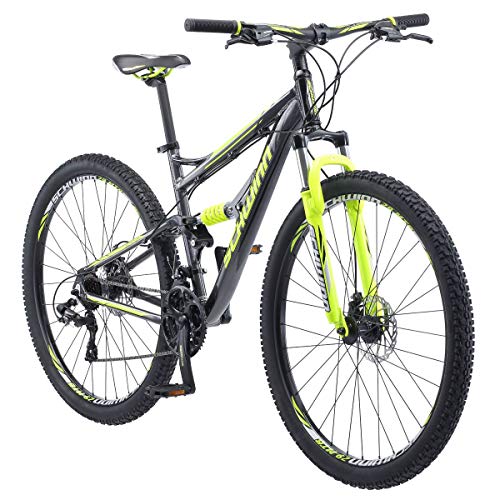
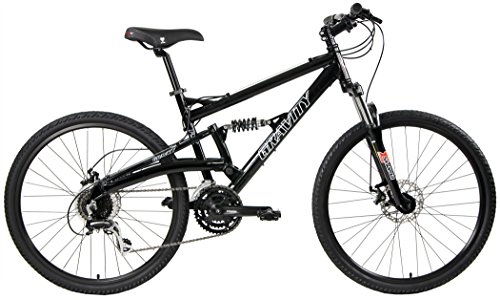
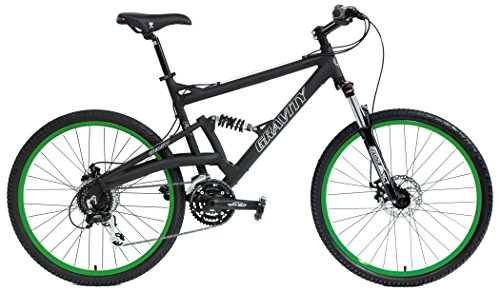
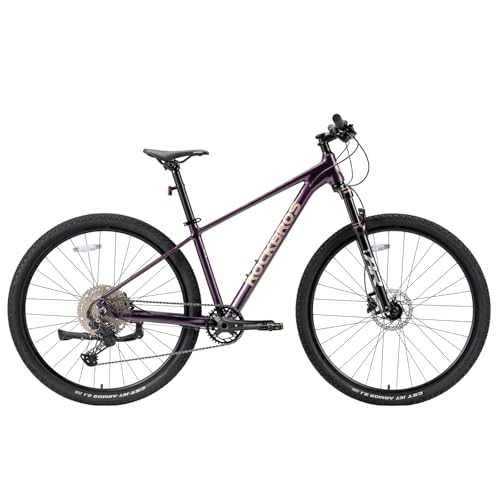
Use the comparison table below to scan travel, wheel size, and price bands side by side. Then work through the sections that follow to match those numbers to your terrain, your fitness, and the storage space you have at home.


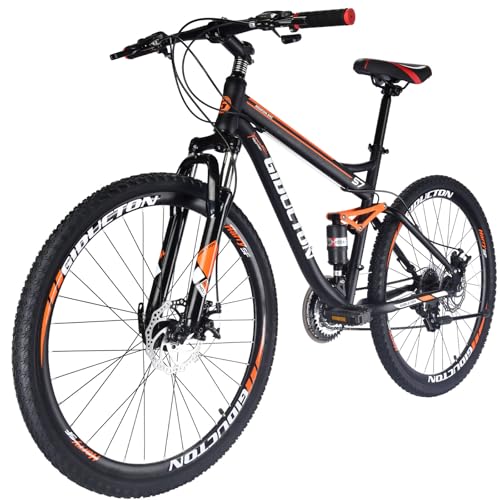
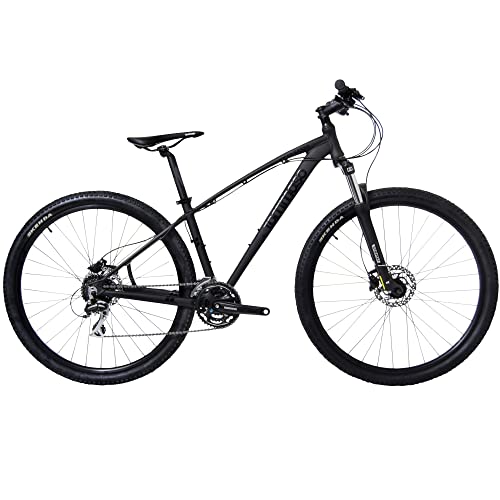
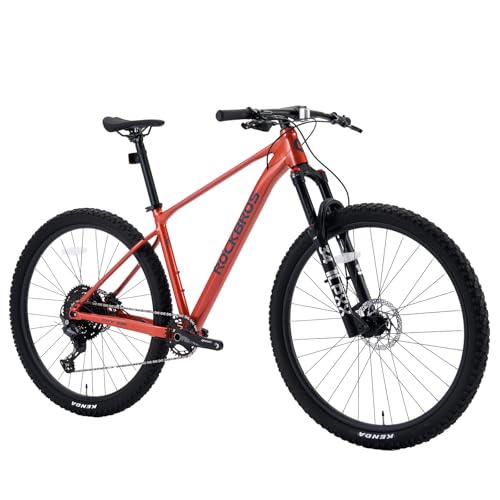

Who Should Buy an All Round Trail Mountain Bike?
For Frequent or Serious Users
If you ride three or more times a week, you need parts that hold adjustment under regular load. Prioritize hydraulic disc brakes with larger rotors, a wide range 1x drivetrain, and a fork and shock with real damping adjustment rather than simple lockout switches. Check the warranty term on the frame and whether replacement parts such as derailleur hangers are easy to order.
Frequent riders also wear tires, brake pads, and chains faster. A tubeless setup with sturdy casing tires will save you repeated tube costs and reduce flats on sharp rock.
For Weekend Beginners
If you ride once a week on local loops, ease of use matters more than the lightest frame. Look for a simple 1x drivetrain so you shift with one lever, brakes that work well at low speed, and geometry that feels stable when you brake late into a corner. You do not need the longest travel or the most expensive suspension.
Budget for a helmet, a floor pump, and a basic repair kit alongside the bike. A mid price bike that fits you well will teach you more than a costly bike that feels too large or too aggressive.
For Small Spaces and Easy Storage
If you store your bike in an apartment, a hallway, or a car trunk, weight and length matter. A hardtail is usually lighter and simpler to lift onto a wall hook, and it has fewer pivots to clean after a wet ride. Measure your storage space and your vehicle before you buy, and check the total bike length in your chosen frame size.
Quick release wheels can help a bike fit into a small car, but many modern bikes use thru axles that need a small tool. Practice removing a wheel at home so you are not learning the process in a parking lot.
For Bad Weather and Tough Conditions
If you ride through winter mud, rain, and grit, sealed bearings and good cable routing protect your investment. Look for tires with widely spaced knobs that clear mud, brake pads suited to wet use, and a frame finish that resists chips from stones. Full suspension pivots need more cleaning in grit, so factor in that time.
After wet rides, dry the chain before you lube it and wipe grit from the fork stanchions. That simple habit protects seals and keeps shifting crisp for much longer.
Key Features to Compare
Drivetrain and Gearing
A 1x drivetrain uses one front chainring and a wide range cassette, which keeps shifting simple and drops weight. It suits most trail riders because the low gear is easy enough for steep climbs and the high gear is enough for fire road descents. A 2x setup gives smaller steps between gears, which some riders prefer on long mixed rides with paved sections.
Check the lowest gear ratio rather than the number of speeds alone. A very low first gear matters more on a twenty minute climb than one extra gear at the fast end. Also confirm whether the shifter, derailleur, and cassette come from the same groupset family, since mixed low grade parts can shift poorly under load.
Frame Material and Geometry
Aluminum frames offer the best balance of price, stiffness, and durability for most trail riders. Carbon frames save weight and can feel smoother, but they cost more and need careful inspection after a hard crash. Steel is heavier yet very durable, and it suits riders who value a calm ride feel over outright speed.
Geometry shapes how the bike handles. A slacker head angle, often around 64 to 66 degrees on trail bikes, feels stable on descents, while a steeper angle steers faster on tight climbs. Reach, the horizontal distance from the bottom bracket to the head tube, should match your torso length so you are neither cramped nor stretched.
Bike Type and Riding Style
Cross country bikes favor low weight and fast climbing, trail bikes balance climbing and descending, and enduro bikes favor descending with long travel and strong brakes. An all round choice usually sits in the trail category, with enough travel for rough ground and efficient pedaling for long loops. Choosing a category above your real terrain often means pushing extra weight uphill all day.
Think about your longest typical ride rather than your hardest single descent. If eighty percent of your riding is rolling singletrack, a balanced trail setup will leave you fresher than a long travel bike built for bike park days. Riders who also commute should check rack mounts and whether the frame accepts a water bottle inside the front triangle.
Suspension (Hardtail vs Full Suspension) and Travel
A hardtail has front suspension only, so it is lighter, cheaper, and easier to maintain. It teaches good line choice because the rear wheel follows the ground exactly. Full suspension adds a rear shock that improves traction, comfort, and control on roots and rock gardens, at the cost of weight, price, and extra service.
Travel is measured in millimeters. Around 120 to 140 mm suits most all round trail use, balancing climbing efficiency with descending control. Shorter travel feels lively on smooth trails, while longer travel helps on steep and very rough ground but can feel vague on flat singletrack. Match travel to your roughest regular trail, not to a trail you ride once a year.
Wheel Size and Tires
Larger 29 inch wheels roll over roots and rocks more easily and hold speed well, which helps taller riders and anyone on rough trails. Smaller 27.5 inch wheels turn faster in tight switchbacks and suit shorter riders who want a more playful feel. Some bikes mix sizes, with a larger front wheel for rollover and a smaller rear wheel for quick turning.
Tire width around 2.3 to 2.6 inches gives a good mix of grip and rolling speed for trail use. A tubeless setup lets you run lower pressure for better traction without pinch flats, and sealant closes small punctures as you ride. Check tire clearance in the frame listing so a wider winter tire will still fit with room for mud.
When you compare complete bikes, the product table above is a fast way to see which models pair sensible tires with the travel and brakes described here. If you are still deciding between a dedicated trail setup and a broader option, see our guide to the best all round mountain bike for a wider view of categories.
Common Mistakes to Avoid When Buying a Trail Mountain Bike
- Choosing by price alone. The cheapest bike with weak brakes and a narrow gear range will cost you confidence on every descent.
- Ignoring drivetrain range. Count the low gear, not just the number of speeds, before you commit to steep local climbs.
- Buying the wrong size. A frame that is too long makes slow corners awkward, while a frame that is too short cramps your breathing on climbs.
- Skipping the warranty check. Read what the frame warranty covers, how long it lasts, and where service is handled.
- Forgetting running costs. Tires, pads, chains, and an annual suspension service add up, so keep part of your budget in reserve.
Many of these errors show up on the first ride on real dirt. If your local routes are mostly rough singletrack, our guide to the best bike for mountain trails explains how trail difficulty should shape travel and brake choices.
Tips to Get the Most From Your Trail Mountain Bike
Check tire pressure before every ride, because even tubeless tires lose a little air each week. A pressure that is too high skips over roots, while pressure that is too low risks rim damage on square edges. Write down the pressure that felt right for each trail so you can repeat it.
Clean and lube the chain every 100 to 200 miles, or sooner after a wet ride. Book a professional tune up once a year to check bearing wear, brake fluid, and suspension seals. If you plan routes with an app, our guide to the best app for mountain bike trails can help you match new routes to the bike you chose.
Trail Mountain Bikes: Your Questions Answered
Hardtail or full suspension for beginners?
Full suspension is usually easier for beginners on rough trails because it keeps the rear tire in contact with the ground and forgives poor line choices. A hardtail costs less and builds skill faster on smooth trails. Choose based on your roughest regular trail: if roots and rocks dominate your local loops, full suspension will help you learn with more confidence and less fatigue.
What size bike do I need?
You need the size that matches your height, inseam, and reach rather than a single letter on the frame. Use the maker size chart as a start, then check standover height and reach in person when you can. If you fall between sizes, the smaller frame usually feels easier to handle on tight trails, while the larger frame feels calmer at speed.
How much should I spend on my first bike?
Most first time trail riders do well in the range of about $800 to $2,500, where brakes, gearing, and forks become genuinely capable. Below that range you often get weak forks and narrow gear ranges that limit rough trail use. Above it you mainly gain lower weight and finer suspension adjustment. Reserve money for a helmet, pump, and spare parts rather than spending every dollar on the frame.
The Bottom Line
Start with fit, then match travel and gearing to the trails you ride most, and only then compare weight and price. A balanced trail bike with hydraulic brakes, a wide range 1x drivetrain, and tires suited to your soil will serve you on climbs, descents, and long weekend loops alike. Tire choice finishes the package, so see our guide to the best trail mountain bike tyres once your frame size is settled.
Review the comparison table above with those three priorities in mind, and your shortlist should shrink quickly. Chosen well, a best all round trail mountain bike is the one bike you reach for without thinking about which trail is on the calendar. Riders who lean toward steeper and rougher ground can also compare the approach in our guide to the best all mountain trail bike before they decide.


