Best Air Purifier: A Complete Buying Guide for Your Home

Shopping for the best air purifier can feel harder than it should be, mostly because every box on the shelf claims to remove "99% of particles" without explaining what that actually means for your living room, nursery, or home office. The truth is that the right unit depends less on marketing language and more on a handful of concrete numbers: how much air it moves, what its filter can actually catch, and whether it can keep up with the size of the room you plan to run it in. This guide walks through the specs that matter, how to match a purifier to your space, and the everyday realities of owning one, so you can shop with confidence instead of guesswork.




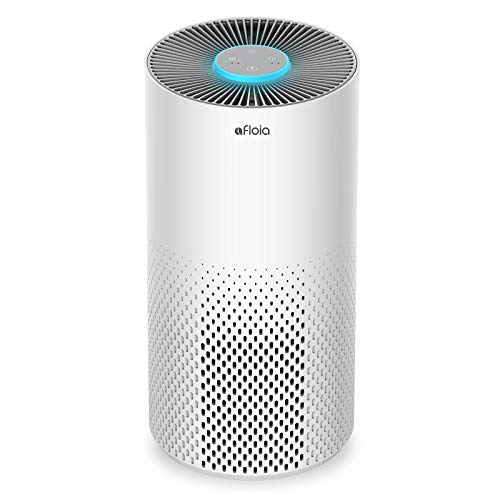


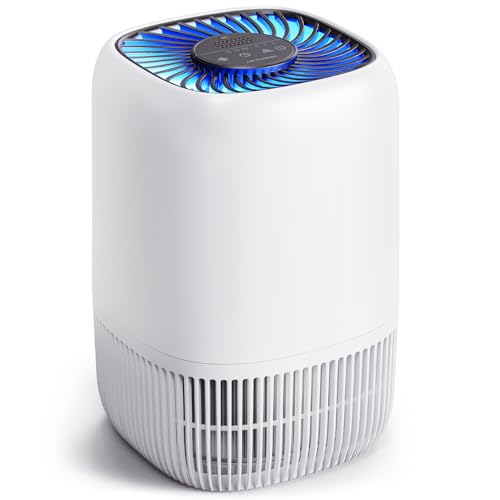
CADR, Filter Types, and the Numbers Worth Reading Twice
Two purifiers can look nearly identical and perform completely differently once you compare their actual ratings. The Clean Air Delivery Rate, or CADR, tells you how much filtered air a unit produces per minute at its highest fan speed, and it's usually listed separately for smoke, dust, and pollen. A higher number means faster, more thorough air turnover, so it's worth comparing CADR figures side by side rather than trusting a vague "covers up to X square feet" claim alone. That single number tells you more about identifying the best air purifier for a given room than any marketing claim ever will.
Filter media matters as much as CADR
A true HEPA filter captures at least 99.97% of particles down to 0.3 microns, which covers most dust, pollen, mold spores, and pet dander. Labels that say "HEPA-type" or "HEPA-like" are not held to that standard, so look for the word "true" or a specific grade like H13. HEPA media traps particles but does nothing for odors or gases, which is where an activated carbon layer comes in, pulling in cooking smells, smoke, and household chemical fumes.
Don't ignore the noise rating
Check the decibel level on medium or the lowest sleep setting, not just the top speed shown in marketing photos. A unit that's whisper quiet at full blast in a showroom video may still hum loudly enough to disrupt sleep once it's running nightly in a bedroom.
Sizing a Purifier to the Room You'll Actually Use It In
Room coverage claims only hold up if the purifier is running on a high fan setting, so an "up to 500 square feet" rating usually assumes maximum speed and frequent air changes per hour. If you plan to run the unit quietly overnight, size up rather than buying the exact square footage on the box. A general rule of thumb is to look for a unit rated for roughly 1.5 times your actual room size if you intend to run it on a lower, quieter setting most of the time.
Undersized units also wear out faster. A purifier built for a small bedroom that's asked to clean a large open living space will run at maximum fan speed constantly, pulling in more particulate and clogging its filter well ahead of schedule. Measuring your room's square footage before you shop, rather than estimating, saves you from returns and premature filter replacements down the line.
Matching the Purifier to the Problem You're Solving
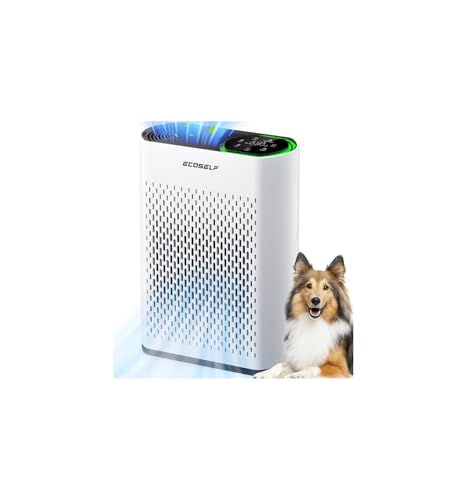
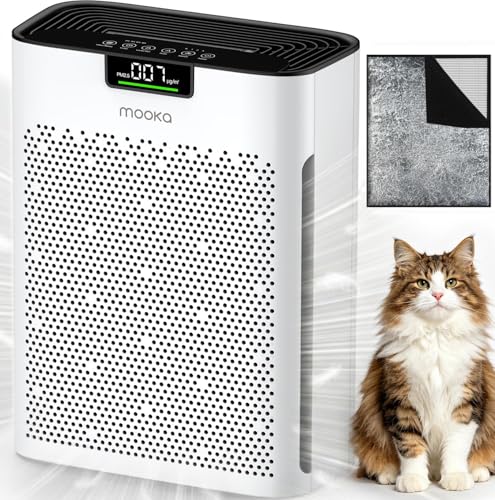
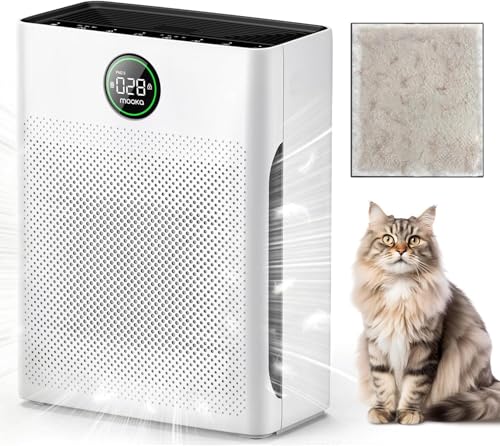
Not every household is fighting the same air quality issue, and the right features shift depending on the source. For pet dander and shedding, a strong pre-filter combined with true HEPA media handles the bulk of loose hair and dander before it reaches the finer filtration layer. If your household deals with seasonal allergies specifically, our guide to the best setup for allergies and pet dander goes deeper into filter combinations that target pollen and animal allergens together.
Wildfire smoke and heavy cooking odors call for a thicker activated carbon layer, since HEPA alone won't neutralize gaseous compounds or lingering smells. If you're dealing with dry air alongside dust or allergens, pairing a purifier with a separate humidifier can round out a room's air quality rather than expecting one appliance to handle both jobs; our humidifier buying guide covers how the two appliances complement each other in a bedroom or nursery setting.
Filter Costs and What Ongoing Ownership Looks Like
The purchase price is only part of the real cost of owning an air purifier. Replacement filters typically need swapping every six to twelve months for HEPA media and every three to six months for carbon layers, and over two or three years those replacement costs can add up to more than the unit itself. Before buying, check what a replacement filter costs and how often the manufacturer recommends changing it.
Pre-filters are the cheapest and easiest part of maintenance. Most can be vacuumed or rinsed monthly to extend the life of the more expensive HEPA and carbon filters underneath. Homes with pets, smokers, or frequent wildfire smoke exposure should expect to replace filters closer to the low end of that range, since heavier particulate loads saturate filter media faster than average.
Certifications Worth Checking Before You Buy
Some ionizing and electrostatic purifiers generate small amounts of ozone as a byproduct, which can irritate airways rather than help them, especially for people with asthma or respiratory sensitivities. Look for units certified by CARB, the California Air Resources Board, which sets ozone emission limits that responsible manufacturers test against regardless of where you live. AHAM Verifide certification is another useful marker, since it confirms that CADR numbers were measured under a standardized, independent test rather than a manufacturer's own estimate.
If anyone in the home has asthma or is especially sensitive to airborne particles, prioritizing HEPA filtration over ionizing technology alone is generally the safer choice, since ionizers can produce byproducts that offset their particle-reduction benefits.
Frequently Asked Questions
How long does it take an air purifier to clean a room?
Most units rated correctly for their room size will complete several full air changes within the first hour of running. Heavily polluted air or an undersized unit can take considerably longer to show a noticeable difference.
Should I run my air purifier all day and night?
Running it continuously on a low or medium setting generally keeps air cleaner than cycling it on and off, since particles settle back into the air once filtration stops. Most units are designed for continuous use.
Can an air purifier help with allergies?
A true HEPA unit can meaningfully reduce airborne pollen, dust, and pet dander, which often eases allergy symptoms indoors. It won't remove allergens already settled on carpets or furniture, so regular cleaning still matters.
Do air purifiers actually remove viruses and bacteria?
True HEPA filters can capture particles small enough to include many bacteria and some virus-carrying droplets, but purifiers aren't a substitute for ventilation or medical-grade air control. Treat them as one layer of protection, not a complete solution.
Is a higher CADR always better?
A higher CADR moves more air faster, which helps in larger rooms or with heavier particulate loads, but it also typically means a bigger, louder unit. Match CADR to your actual room size rather than simply buying the highest number available.
Do I need both a HEPA filter and a carbon filter?
If odors, smoke, or cooking fumes are a concern alongside dust and allergens, yes, since HEPA and carbon target different pollutants entirely. For households focused purely on dust and pet dander, HEPA alone may be sufficient.
Making the Right Call for Your Home
Finding the best air purifier for your space comes down to matching real numbers, CADR, filter type, and room size, to your actual household rather than chasing the highest-rated unit on the shelf. Factor in ongoing filter costs and noise levels at the settings you'll realistically use, not just the specs on the box. Once you know what problem you're solving, whether it's allergies, pet dander, or smoke, the right unit becomes a much easier decision.