Best Filterless Humidifiers
Disclosure: We may earn a commission when you buy through links on this page, at no extra cost to you. As an Amazon Associate I earn from qualifying purchases. Learn more

Do you need a humidifier to make breathing easier when the air at home is too dry? Or you need one to ensure that your floors and furniture don’t crack due to the dryness of the air? Many people are using humidifiers to sleep better, to relieve various ailments and problems, and to help everybody...
Replacing a wick filter every few weeks gets old fast, especially when the only warning you get is a musty smell or weaker mist. That ongoing cost and hassle is exactly why so many shoppers switch to filterless humidifiers instead. These units add moisture to a room using ultrasonic vibration, a washable evaporative pad, or plain steam, so there is no disposable cartridge to remember, order, or pay for every month. They are not automatically better for every household, though, and the mechanism you choose changes how much cleaning, water quality, and noise you will deal with over time. This guide walks through how filterless models actually work, which specs matter most before you buy, and how to keep one running clean without a filter to fall back on.


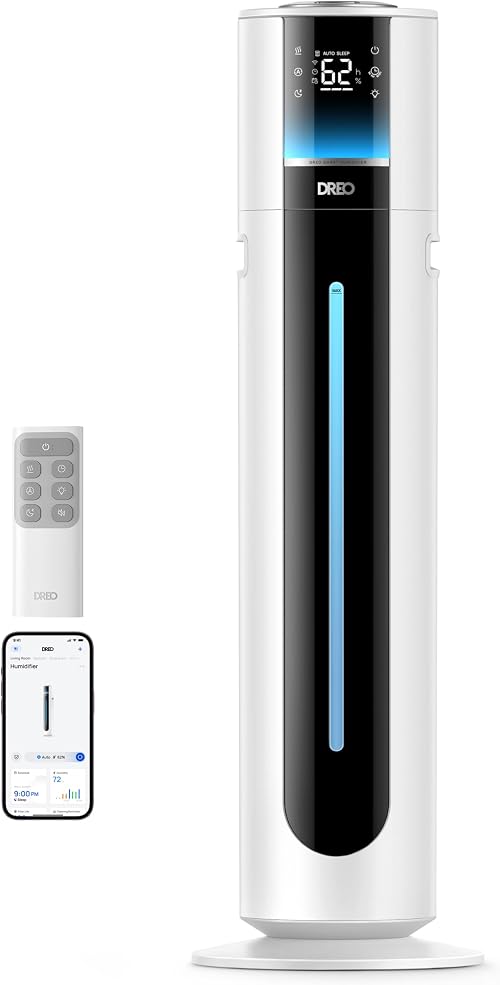


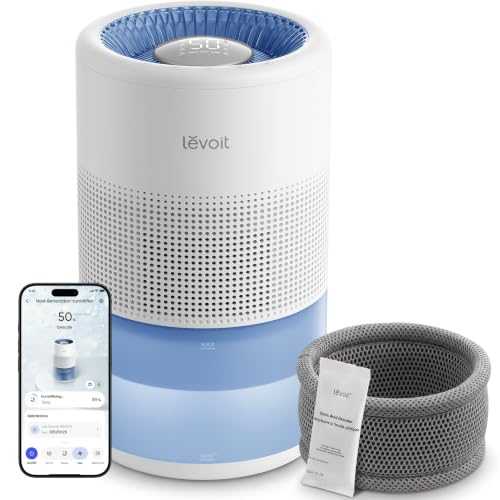


How Filterless Humidifiers Actually Work
"Filterless" is not one single technology. Three different mechanisms fall under that label, and each one handles minerals and moisture in its own way, which matters more than most shoppers expect once the unit is running in a real bedroom or nursery.
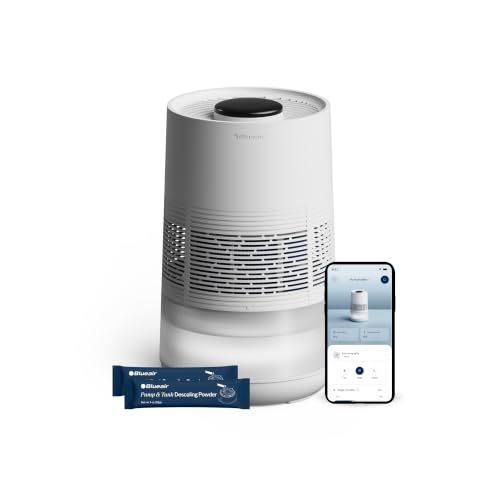
Ultrasonic Models: Vibration Instead of a Wick
An ultrasonic humidifier uses a small ceramic plate that vibrates at a very high frequency, breaking water into a fine cool mist without heating it or passing it through a wick. That makes these units quiet, energy efficient, and simple to run overnight. The trade-off is that without a filter to trap minerals, anything dissolved in the water gets carried straight into the air along with the mist.
Evaporative Models Without Disposable Filters
Some evaporative units skip the throwaway paper wick and use a washable foam pad, a reusable ceramic disc, or a stainless steel basin instead. A fan pulls dry air across the wet surface, and the water evaporates into invisible vapor while minerals stay behind on the reusable part rather than leaving the tank. You rinse or wipe that piece regularly instead of ordering a replacement, which keeps the running cost lower but still requires real cleaning effort.
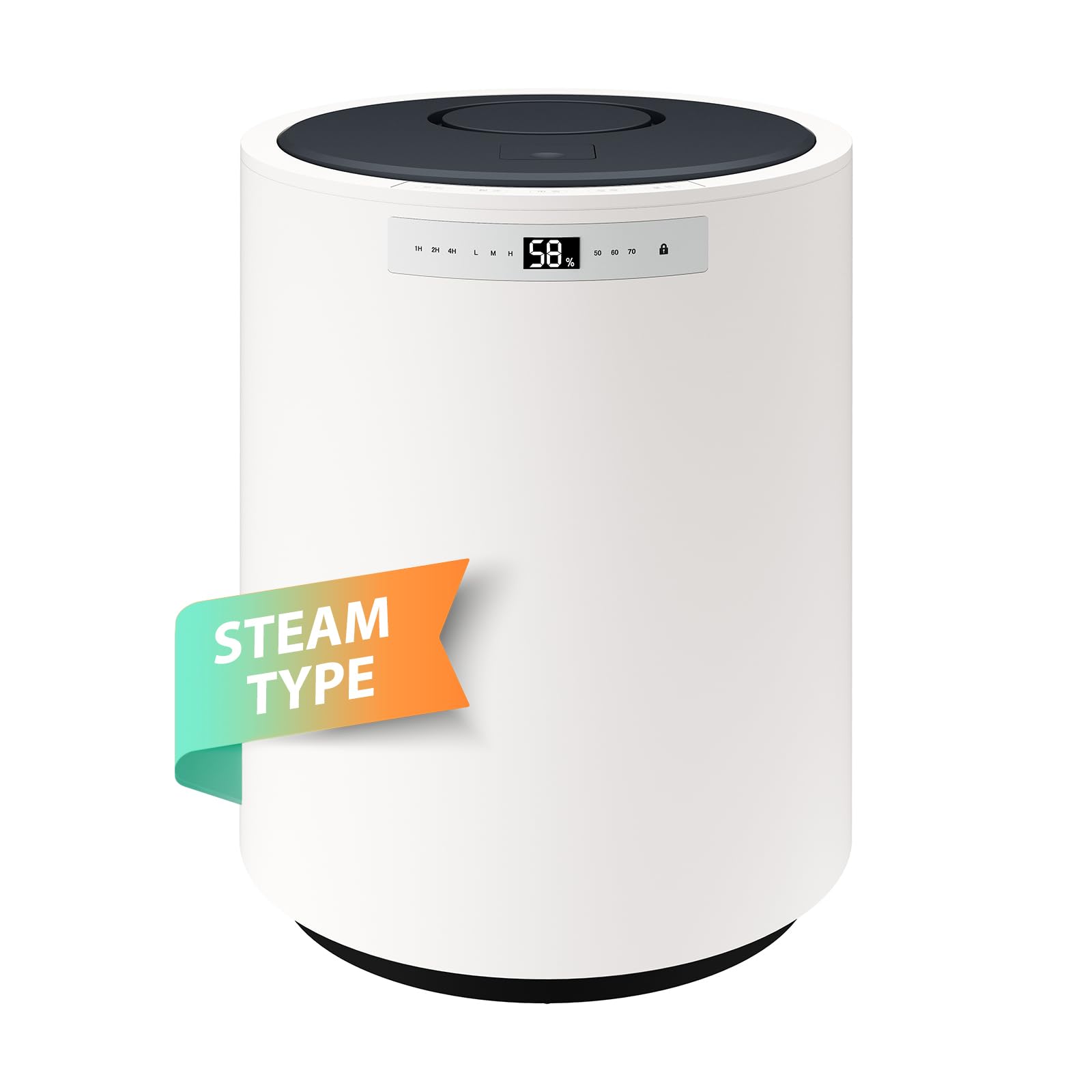
Steam Vaporizers: Naturally Filter-Free by Design
A steam vaporizer heats water to a near boil before releasing it as warm vapor, which kills most bacteria and neutralizes minerals in the process. That makes it naturally filterless by design, since there is nothing left for a wick to catch. The downside is a warmer room, higher electricity use, and a hot component that is not ideal in a room with small kids or pets running around.
Tank Size, Room Coverage, and Mist Output That Actually Matter
Once you know which mechanism fits your household, the next decision is sizing. A unit that is technically filterless still fails you if it cannot keep up with the room you put it in.
Matching Coverage to the Room Size
Manufacturers list a square footage rating for each model, but that number usually assumes ideal conditions with the door closed and no drafts. Round up rather than down if your space is open to a hallway or connects to another room. For a room-by-room breakdown of sizing and mist type, our full humidifier buying guide covers picks for everything from small offices to whole-floor coverage.
Runtime and How Often You Will Refill
Tank capacity determines how long a unit runs before you have to get up and refill it. A small tabletop tank might only last six to eight hours, which means it shuts off partway through the night unless you choose a larger reservoir built for continuous overnight use.
Warm Mist vs Cool Mist
This choice is separate from whether a unit uses a filter. Cool mist tends to suit bedrooms and households with kids, while warm mist can feel more soothing during cold and flu season but adds a small amount of heat to the room. Either style is available in a filterless version, so pick based on comfort first.
The White Dust Trade-Off: What Ultrasonic Models Ask of You
Going filterless removes one maintenance task but introduces a different one, especially with ultrasonic units, and understanding this trade-off before you buy saves a lot of frustration later.
Why Tap Water Causes the Problem
Ordinary tap water carries dissolved calcium and other minerals. In a filtered evaporative model, those minerals get trapped in the wick and thrown away with it. In an ultrasonic filterless humidifier, there is no wick to catch anything, so the minerals ride along with the mist and settle as a fine white dust on nearby furniture, and potentially into the air you breathe.
How to Avoid It Without Adding a Filter
The fix is water quality, not maintenance. Filling the tank with distilled or demineralized water instead of tap water removes the minerals before they ever reach the vibrating plate, which eliminates white dust almost entirely. Families shopping specifically for a nursery should weigh this closely, and our baby humidifier guide goes deeper into mineral dust and safety considerations around infants.
Cleaning a Filterless Humidifier the Right Way
No filter to swap does not mean no upkeep. Minerals and bacteria accumulate directly in the tank and base instead of in a disposable part, so the cleaning routine actually matters more with these models, not less.
Daily and Weekly Habits
Empty and dry the tank daily if you are not using distilled water, since standing water is where bacteria grow fastest. Even with distilled water, wipe down the base and any removable parts weekly to keep buildup from getting ahead of you.
Descaling Mineral Buildup
When you notice a chalky film, soak the tank and base in a mix of distilled white vinegar and water for a few hours to loosen the deposits. A soft brush works the buildup free without scratching plastic or metal components, and a thorough rinse afterward removes any lingering vinegar smell. Keeping up with this matters even more if congestion or allergies are the reason you bought a humidifier in the first place, and our guide to humidifiers for sinus relief covers which mist type tends to help most.
Frequently Asked Questions
Are filterless humidifiers better than ones with a filter?
Not universally. They save you the recurring cost and hassle of replacement filters, but they shift more of the cleaning burden onto you, especially for ultrasonic models that need distilled water to avoid white dust.
Do filterless humidifiers need distilled water?
Ultrasonic models benefit the most from distilled water, since it prevents mineral dust from being released into the air. Evaporative and steam models are more forgiving of tap water, though scale buildup still happens faster with hard water.
Can I use tap water in a filterless humidifier?
You can, but expect more frequent cleaning and possibly a fine white residue on nearby surfaces if the unit is ultrasonic. Distilled water largely avoids both issues.
How often should I clean a filterless humidifier?
Wipe it down weekly at minimum, and empty or refresh standing water daily if you are not using distilled water. A deeper vinegar soak once every one to two weeks helps keep mineral scale from building up.
Do filterless humidifiers cost more upfront?
Some do, since the washable pads, steel basins, or steam components can push the initial price higher than a basic filtered model. Most owners make that cost back over time by skipping ongoing filter purchases.
How long do filterless humidifiers last?
With regular cleaning, most well-built units run for several years. Skipping maintenance is the main thing that shortens their lifespan, since mineral scale and bacterial buildup are what typically cause performance to drop off.
Making the Switch
A filterless humidifier trades one kind of maintenance for another: no more hunting down replacement filters, but a firmer commitment to regular cleaning and, in the case of ultrasonic models, better water quality. Once you match the mechanism, tank size, and mist type to your room, going filterless is a straightforward way to cut long-term cost without sacrificing comfort.