Best Air Purifiers for Mold: What Actually Removes Spores
Disclosure: We may earn a commission when you buy through links on this page, at no extra cost to you. As an Amazon Associate I earn from qualifying purchases. Learn more
A practical guide to choosing air purifiers for mold, covering HEPA filtration, CADR sizing, humidity control, and the best placement for damp rooms.
Mold spores are small enough to stay airborne for hours, drifting from a damp bathroom or basement into the rest of your home every time a door opens. A regular room air purifier helps, but not every model is built to handle spores specifically, and a few features matter far more for mold than they do for dust or pet dander. Picking the right air purifiers for mold comes down to filtration grade, airflow strength, and how well the unit pairs with humidity control in the room where mold keeps showing up.
This guide covers what actually captures mold spores, how to size a unit for a damp room, and where placement makes the biggest difference.



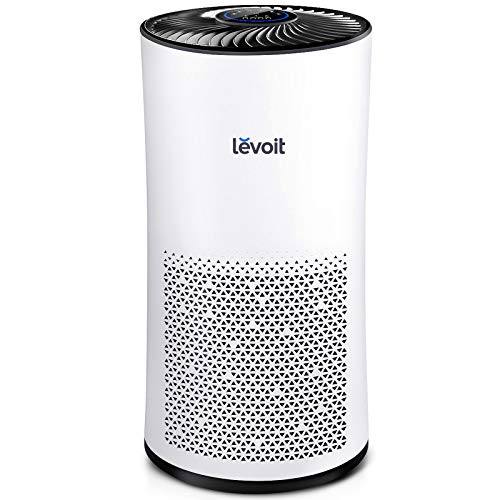
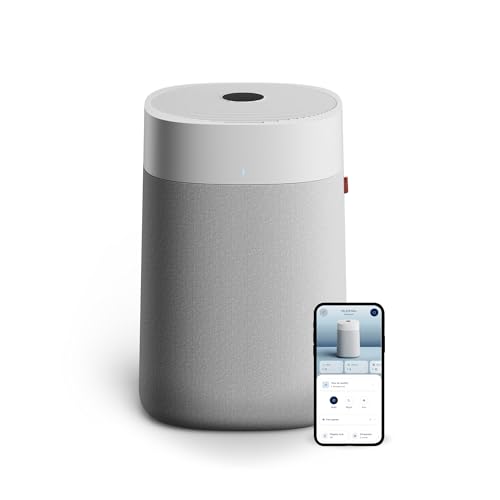


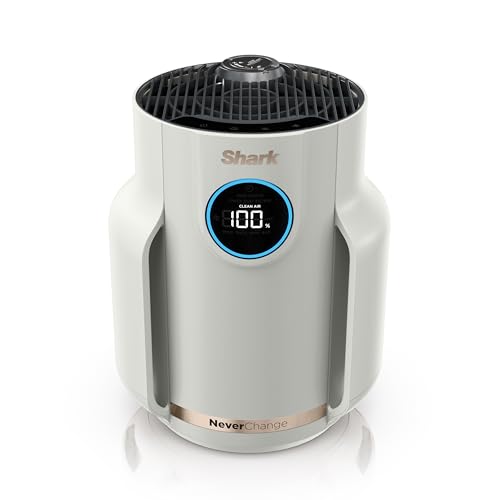


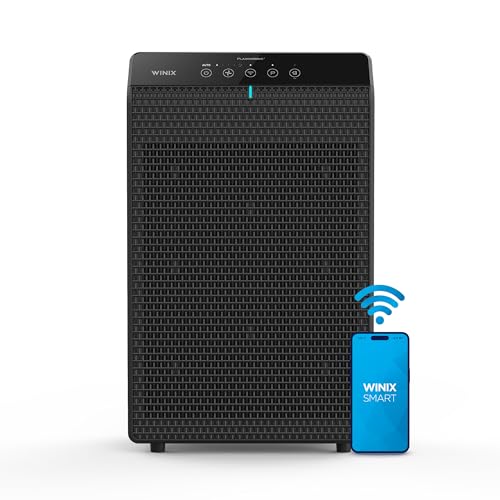
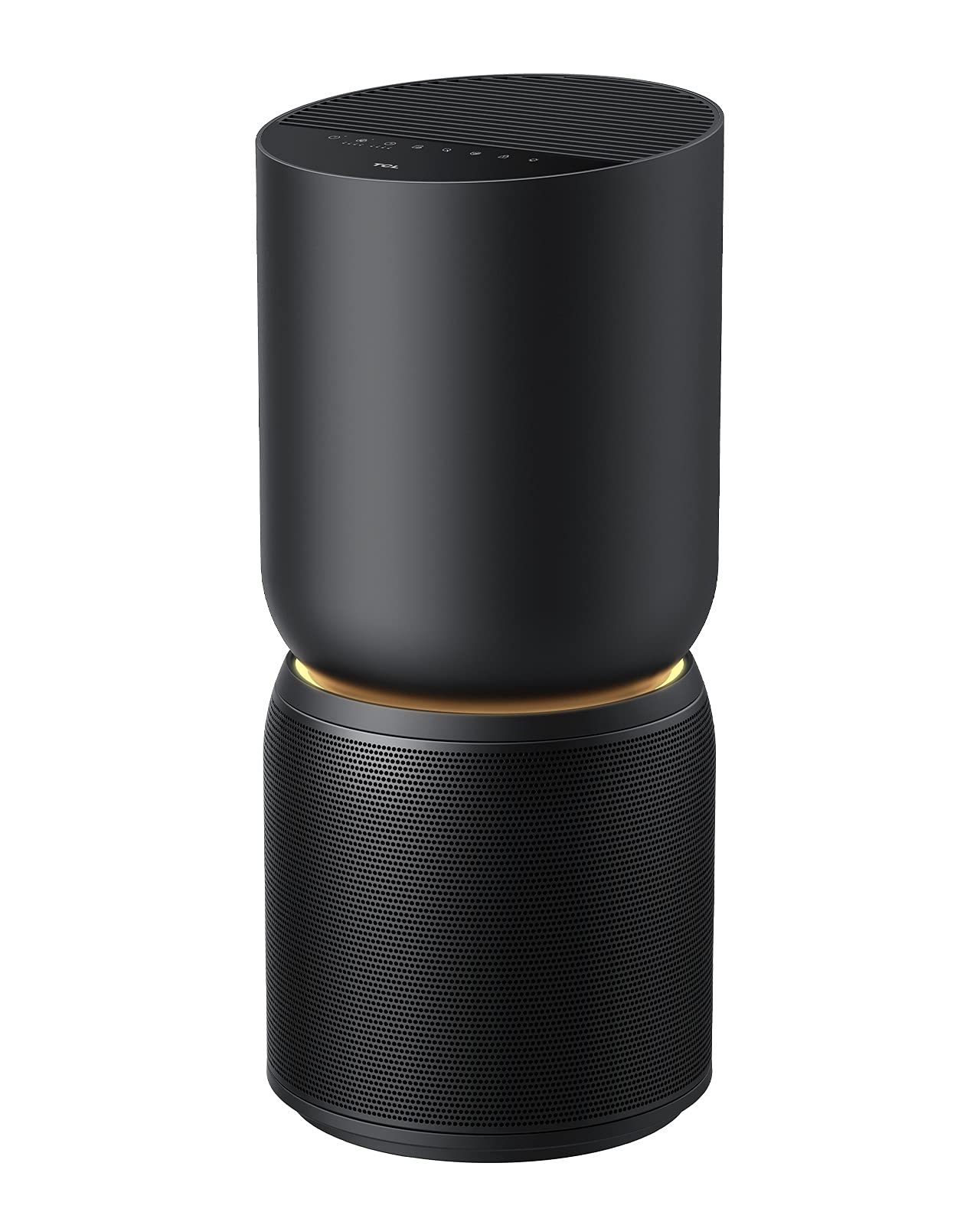
How Air Purifiers Actually Capture Mold Spores
Mold spores typically range from 2 to 10 microns in size, which sits well within what a true HEPA filter is rated to catch. A true HEPA filter captures at least 99.97% of particles down to 0.3 microns, which covers mold spores with room to spare. Filters marketed as "HEPA-type" or "HEPA-like" use looser standards and often miss a meaningful share of spores that a certified HEPA filter would trap.
Why a Pre-Filter Matters More Than It Seems
A washable pre-filter catches larger debris like dust and hair before air reaches the main HEPA layer, which keeps that layer from clogging prematurely. In a moldy environment, that pre-filter also tends to trap mold-laden dust and organic debris that would otherwise shorten the HEPA filter's usable life.
Activated Carbon for the Musty Smell
HEPA filtration removes the spores themselves, but it doesn't touch the musty odor mold produces. An activated carbon layer absorbs the volatile compounds behind that smell, so a unit combining both HEPA and carbon addresses spores and odor at the same time rather than leaving one problem unsolved.
CADR and Room Size Matching for Damp Spaces
Clean Air Delivery Rate, or CADR, tells you how quickly a unit filters air in a given room size, and it matters more in a mold-prone space than in a typical living room. Because mold spores continuously enter the air from a growth source rather than settling once like dust, a purifier needs enough CADR to keep cycling air faster than the room can replenish it.
As a rule of thumb, size the unit for a room at least 1.5 times larger than the actual space when mold is an active concern. A unit rated for a 200-square-foot room, run in a 150-square-foot bathroom or laundry room, cycles air more often per hour and pulls spores out faster than one sized to the room's exact footprint.
Pairing an Air Purifier With Humidity Control
An air purifier removes existing spores from the air, but it does nothing to stop mold from growing in the first place. Mold needs moisture to establish and spread, so running a purifier in a consistently damp room without addressing humidity just means it's constantly playing catch-up against a source that keeps producing more spores.
Keeping indoor humidity below 50% is the standard target for slowing mold growth, and a dehumidifier running alongside the purifier does far more long-term good than the purifier alone. Bathrooms, basements, and laundry rooms are the most common trouble spots precisely because humidity tends to sit highest there.
Where Placement Makes the Biggest Difference
Placing the unit close to the actual moisture source, rather than in a hallway or a central spot in a larger area, puts it to work where spore concentration is highest. A basement corner near a known damp wall or a bathroom near the shower are both better placements than the middle of an open room, even though centering a purifier is usually the general advice for dust and allergens.
Leave enough clearance around the intake and exhaust vents, typically a foot or more depending on the model, so airflow isn't restricted by nearby walls or furniture. A unit crammed into a tight corner has to work harder to pull air through, which lowers its effective coverage even if its rated CADR is strong on paper.
Filter Maintenance When Mold Is the Target
Filters inside air purifiers for mold-heavy environments tend to need replacement sooner than the manufacturer's general estimate, since they're capturing spores and moisture-laden particles at a higher rate than in an average room. Check the pre-filter monthly in a known damp area, since a filter that's saturated with moisture can become a growth surface of its own rather than staying a clean barrier.
Avoid leaving a used HEPA filter sitting in a bag or box in a humid space before disposal. Bag it and remove it from the damp room promptly, since spores trapped in the filter can theoretically become airborne again if the filter itself gets wet or disturbed.
Wipe down the exterior housing and intake grille with a damp cloth every few weeks in a mold-prone room, since spores can settle and cling to the outside of the unit as well as the filter inside it. A quick wipe-down takes a couple of minutes and keeps the unit from becoming a surface where mold gets a foothold of its own.
Frequently Asked Questions
Can an air purifier fully get rid of mold in a room?
It removes airborne spores but doesn't eliminate an active mold source growing on a wall, ceiling, or other surface. Surface mold needs to be physically cleaned or professionally remediated in addition to running a purifier.
What filter rating actually catches mold spores?
A certified true HEPA filter, rated to capture 99.97% of particles at 0.3 microns, reliably catches mold spores since they're typically larger than that threshold. Filters labeled "HEPA-type" don't meet the same tested standard.
Does running a purifier reduce humidity in a room?
No, air purifiers filter particles out of the air but don't remove moisture. A separate dehumidifier is needed to actually lower humidity and slow future mold growth.
How long should an air purifier run in a moldy room?
Running it continuously, or at least on an automatic sensor mode, works best in a room with an ongoing mold concern rather than running it for just a few hours a day. Spores keep entering the air as long as a source is present.
Is a bigger air purifier always better for mold?
A higher CADR helps cycle air faster, which matters for mold, but oversizing a unit for a small room wastes energy without much added benefit. Sizing for roughly 1.5 times the room's square footage is a reasonable middle ground.
Should the purifier run in the bathroom or just nearby?
Placing it directly in the bathroom, or as close to the moisture source as safely possible, captures spores where concentration is highest. Running it in an adjacent hallway is far less effective.
Do UV light features help with mold spores?
Some units add a UV-C light stage intended to neutralize mold and bacteria, though its effectiveness depends heavily on exposure time and airflow speed through the chamber. It's a secondary feature at best and shouldn't replace true HEPA filtration as the main defense.
Making Mold-Prone Rooms Easier to Breathe In
The best air purifiers for mold combine certified HEPA filtration, enough CADR for the room, and placement close to the moisture source itself. None of that replaces fixing the underlying dampness, but paired with a dehumidifier and prompt filter changes, it noticeably cuts down on the spores circulating through a damp bathroom, basement, or laundry room.
Related reading: best air purifiers for allergies and best whole house air purifiers.