Best Window Fans: A Complete Buying Guide for Night Cooling
Disclosure: We may earn a commission when you buy through links on this page, at no extra cost to you. As an Amazon Associate I earn from qualifying purchases. Learn more

Choosing the best window fans comes down to reversible airflow, a snug window fit, weatherproofing, and low nighttime noise, not just raw airflow.
If your bedroom turns into a heat trap by midnight and running the AC all night isn't in the budget, a window fan is one of the simplest fixes available. Unlike a floor-standing or handheld fan that just stirs the air already in the room, window fans mount directly into an open window and either pull cooler outside air in or push hot, stale air out. The trick is choosing one that actually fits your window, moves air in the right direction at the right time, and doesn't turn into a source of rattling noise or a rain-soaked mess. This guide walks through what actually matters before you buy, from reversible airflow to weatherproofing and nighttime noise.

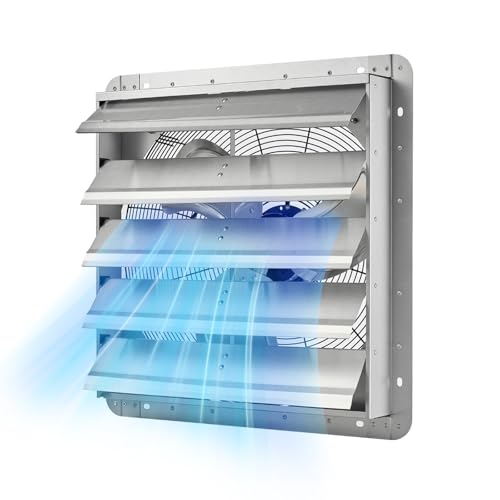


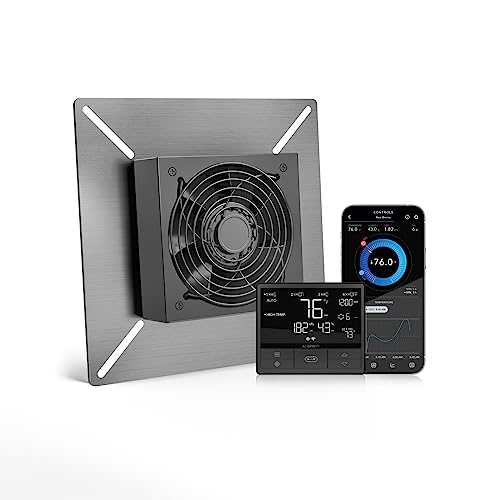


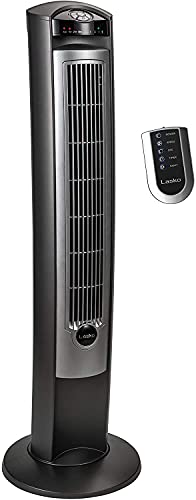


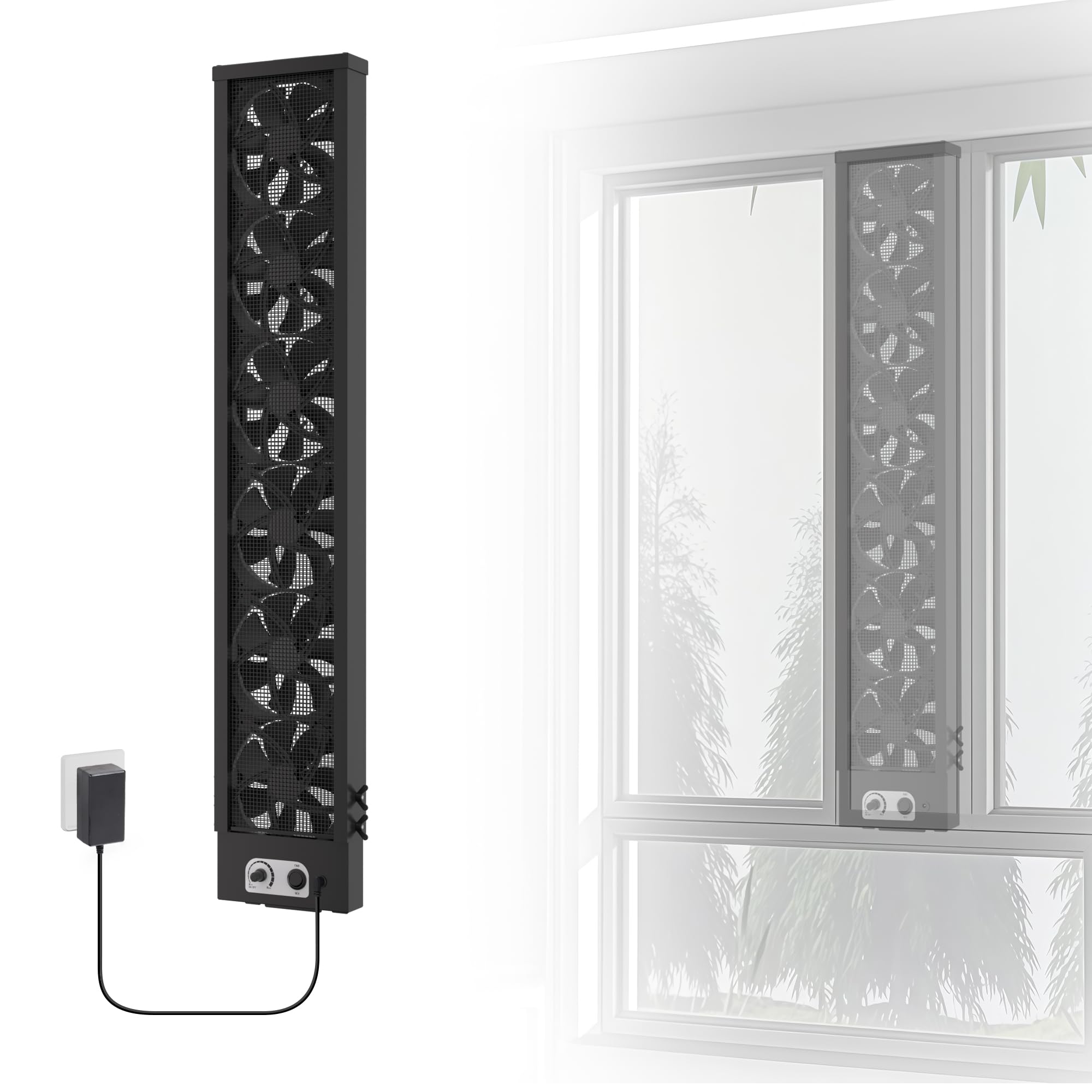
How Reversible Airflow Turns One Fan Into Two Jobs
The single feature that separates this format from a floor-standing or handheld model is reversibility. A reversible window fan can either draw air from outside into the room (intake) or push room air out to the exterior (exhaust), and switching between the two changes how the unit should be used throughout the day. Run intake mode in the evening once outdoor temperatures drop below the indoor temperature, then switch to exhaust during the hottest part of the afternoon to vent heat that's built up near the ceiling. A fan that can't reverse only does half this job.
Manual Reversal vs. Electronic Switching
Reversal happens one of two ways. Manual units require physically removing the fan from the window and reinstalling it facing the other direction, which is a hassle if you're switching modes twice a day. Electronically reversible units use an internal chamber and a single button or switch to flip direction instantly, and they also tend to run quieter since there's no separate motor or blade assembly needed for each direction. If you plan to switch modes daily, the electronic version is worth the extra cost.
Building a Push-Pull Cross-Ventilation Setup
One window fan cools a single room. Two fans, one set to intake on the cooler or shaded side of the house and one set to exhaust on the opposite or sun-facing side, create a push-pull draft that moves air across multiple rooms at once. This is the same principle behind whole-house cooling fans, just scaled down to a single pair of windows. For it to work, interior doors between the two rooms need to stay open so air has a clear path to travel.
Getting the Fit Right: Window Openings and Frame Types
A unit that doesn't seal snugly against the frame lets conditioned or filtered air leak right back out around the edges, which defeats the purpose of running it in the first place. Most units use either foam side panels or rigid accordion-style expanders that extend to bridge the gap between the fan body and the window frame.
Measuring Your Window Opening
Measure the width of your window opening at its narrowest point before shopping, since sashes aren't always perfectly square. Most models are built to expand somewhere between roughly 22 and 38 inches wide, which covers standard single- and double-hung windows, but always check the specific range listed for a model against your own measurement rather than assuming a "standard" size will work.
Double-Hung vs. Sliding and Casement Windows
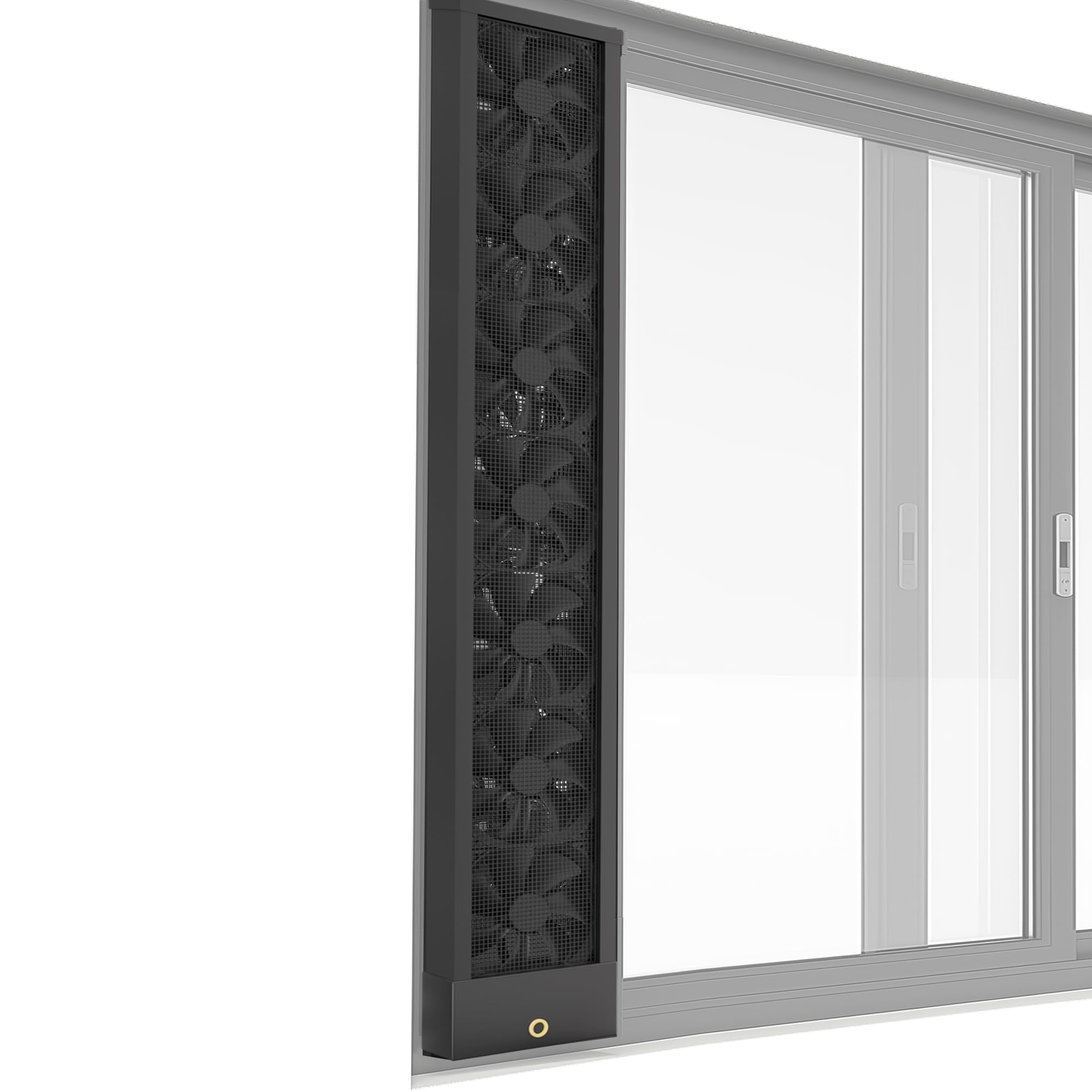
The vast majority of window fans are designed for windows that open vertically, where the fan rests on the sill and the lower sash closes down against it. If your home has sliding windows that open horizontally, or casement windows that crank outward, a standard horizontal unit won't seat correctly. Look specifically for a vertical or slider-compatible window fan in that case, since forcing a standard unit into a sliding frame usually leaves gaps that let air and bugs through.
Weatherproofing: Can It Handle Rain?
Because a window fan sits partway inside an opening that's still exposed to the outside, weather resistance matters more here than it would for an indoor-only fan. A weatherproof window fan uses a sealed or weather-resistant casing on the exterior-facing portion of the unit, so a passing rain shower won't short the motor or damage the housing. This matters most for units left running overnight, since summer storms often roll in with little warning. If you live somewhere with frequent rain or run your fan unattended, prioritize a model that specifically lists weather-resistant housing rather than assuming any unit can handle moisture exposure.
Noise and Nighttime Cross-Ventilation
Since window fans are most useful overnight when outdoor temperatures finally drop, noise level deserves as much attention as airflow. A fan that's loud enough to disrupt sleep defeats its own purpose, even if it cools the room effectively.
What a Decibel Rating Actually Tells You
Manufacturers list a decibel (dB) rating for each speed setting, and lower numbers mean quieter operation. Compare the rating at the speed you'd actually run overnight, not the loudest setting, since most people run window fans on a lower speed at night and reserve the highest setting for daytime venting. Multiple speed options matter for exactly this reason: one setting for maximum airflow during the day, a quieter one for sleeping. If bedroom noise is your top priority, it's worth comparing options the same way you would with any quiet fan built specifically for bedrooms, since the same decibel logic applies.
Controls and Overnight Security
Beyond airflow and noise, a few practical features determine how much you'll actually use the fan once it's installed.
Thermostats, Timers, and Remote Operation
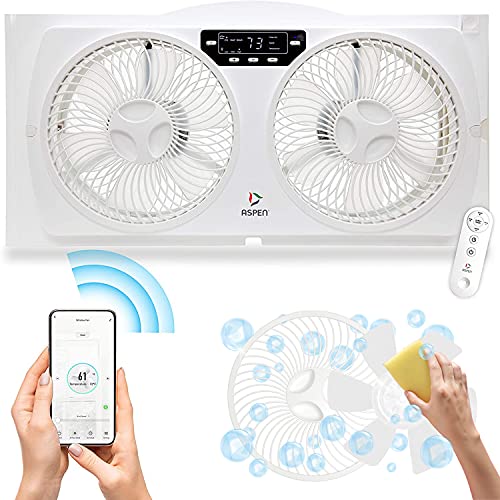
A built-in thermostat lets the fan cycle on and off automatically once the room reaches a set temperature, which is useful for overnight cooling without manually adjusting settings at 2 a.m. A timer function shuts the fan off after a set number of hours, handy if you don't want it running once outdoor temperatures climb back up near dawn. Remote control is more of a convenience than a necessity, but it's genuinely useful if the fan is mounted in a window you can't easily reach from bed.
Keeping the Window Secure While the Fan Runs
Installing a window fan generally means the window sash can't be fully closed and locked while it's in use, which raises a legitimate security question for ground-floor windows. Many buyers add a simple wooden dowel or a commercial window security bar in the track above the sash so the window can't be forced open further from outside, even with the fan installed. It's also worth keeping the window screen in place around the fan whenever possible; removing it for slightly better airflow makes it much easier for insects and debris to get in, and on ground-floor rooms it removes a layer of physical deterrence too.
Frequently Asked Questions
Do window fans actually cool a room effectively?
Yes, especially overnight when outdoor air is cooler than indoor air. They work best as part of a cross-ventilation setup with a clear air path through the home, rather than sealed into a single closed-off room.
What is the difference between intake and exhaust mode on a window fan?
Intake mode pulls outside air into the room, while exhaust mode pushes indoor air out. Most people use intake during cooler evening and overnight hours and exhaust during the hottest part of the afternoon.
Are window fans safe to run overnight?
They're generally safe, but since the window can't be fully closed and locked while the fan is installed, it's worth adding a security bar or dowel in the track, particularly on ground-floor windows.
Do window fans let bugs into the house?
They can if the window screen has been removed for better airflow. Keeping the screen in place around the fan cuts down on insects and debris getting in, though it slightly reduces airflow.
Can window fans get wet or be used when it rains?
Some can, but not all. Models with weather-resistant casing are built to handle light rain exposure without damage, while standard indoor-only units should be brought in or turned off before a storm.
How loud are window fans for sleeping?
It depends on the model and speed setting. Check the decibel rating at the lower speeds specifically, since that's what you'd realistically run overnight, and look for a unit with multiple speeds so you have a quieter option available.
Will a window fan fit a sliding or casement window?
Most standard window fans are built for vertically opening double-hung or single-hung windows. For horizontally sliding or crank-out casement windows, you'll need a vertical or slider-specific window fan designed for that opening style.
Making Your Decision
A good window fan comes down to a handful of practical questions: does it reverse the way you actually need it to, will it seal snugly in your specific window, can it handle the weather where you live, and will it stay quiet enough to sleep through. Get those right and a window fan becomes one of the most cost-effective ways to keep a room comfortable without leaning on a window air conditioner every night of the season.