Best Air Purifiers for Allergy Sufferers in 2026: Which Type Is Right for You?
Disclosure: We may earn a commission when you buy through links on this page, at no extra cost to you. As an Amazon Associate I earn from qualifying purchases. Learn more

Learn how to choose the best air purifiers for allergy sufferers with clear guidance on filters, room size, noise, and running costs for your home.
Choosing among the best air purifiers for allergy sufferers can feel confusing because every type promises cleaner air in a different way. Some units focus on smart controls, some cover large open rooms, and some are small enough to move from room to room. This guide compares the main types side by side so you can match the design to your symptoms, your space, and your budget.
You do not need the most expensive unit to get real relief from pollen, dust, and pet dander. You need the right filter, the right size for your room, and a machine you will actually run every day. The comparison table below gives you a quick starting point before you read the details.


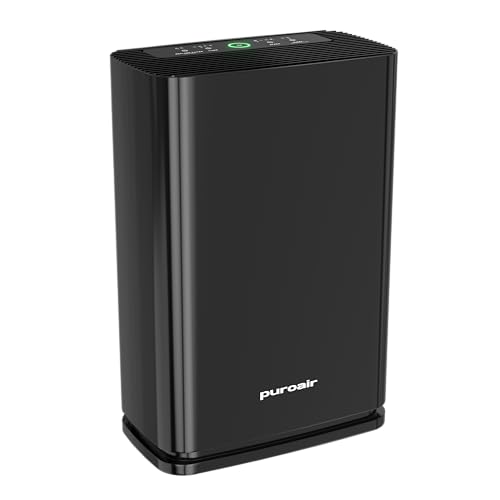


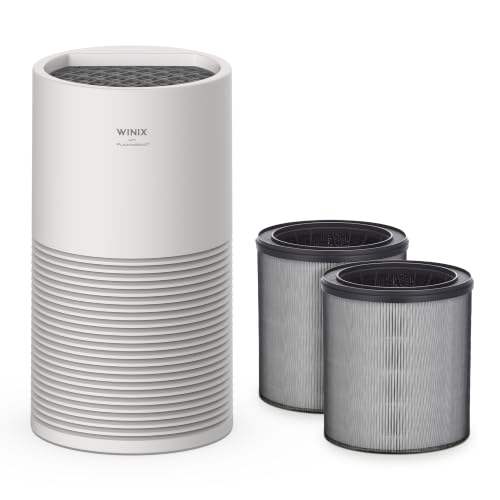
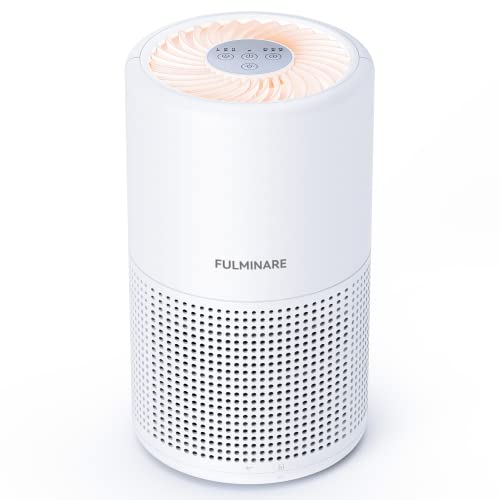

Types of Air Purifiers Compared
Three broad types cover most homes. Smart WiFi models add app control and air quality sensors. Large room and whole home units move more air and suit open plans. Portable units cost less and move easily between a bedroom and a home office. If you want broader background before you narrow down, our overview of best air cleaners and purifiers explains how purifiers and cleaners differ in plain terms.
Price tiers matter as much as type. Compact portable units often sit under $150. Mid range smart models usually cost about $150 to $350. Large room units with high CADR ratings often cost about $350 to $700, and their replacement filters cost more each year as well.
Smart WiFi Models
Smart WiFi models connect to an app and use a built in sensor to estimate particle levels in the room. When the sensor detects a rise, the fan speeds up on its own, then slows down once the air clears. That auto mode helps during pollen spikes, cooking, or cleaning, when you might forget to adjust the settings yourself.
The trade off is cost and complexity. You pay more for the sensor and the app, and the sensor readings are estimates rather than lab grade measurements. Choose this type if you like schedules, remote control from your phone, and filter change alerts, and if you will run the unit in one main room most of the time.
Large Room and Whole Home Units
Large room units use bigger filters and stronger fans, so they can clean 500 square feet or more without running at full speed all day. They suit open plan living areas, primary bedrooms with an attached bath, and homes where allergy symptoms affect several people in shared spaces. Because the filter is larger, it often lasts longer between changes.
The downsides are size, weight, and price. These units take floor space, can be awkward to carry upstairs, and usually cost more to buy and to maintain. Choose this type when one central room drives most of your symptoms, or when a smaller unit would need to run on its loudest setting just to keep up.
Portable Units
Portable units are compact, light, and usually the least expensive way to start. Most suit rooms of about 100 to 300 square feet, which covers many bedrooms, nurseries, and small offices. You can move one unit to the room you use most, close the door, and let it run overnight where you breathe the air for the longest stretch.
The limit is coverage. A portable unit cannot clean a whole apartment from one corner, and its smaller filter may need changing more often. Choose this type for a single bedroom, for a rental where you cannot modify anything, or as a second unit alongside a larger machine in the living room.
Smart WiFi Models vs Large Room and Whole Home Units: Which Should You Choose?
Compare these two types on five points. For coverage, large units win in open spaces above 400 square feet. For convenience, smart models win because auto mode reacts to pollen and dust without your input. For noise, a large unit on a low setting often sounds quieter than a small smart unit working hard in the same room.
For running cost, both can be efficient, but large units use larger and pricier filters. For placement, smart models fit bedrooms and offices where floor space is tight, while large units need a clear spot with open airflow. If your main problem room is a bedroom under 300 square feet, a smart model is usually enough. If symptoms hit hardest in a shared living area, start with the larger type. Readers comparing broader options can also see our guide to best home air purifiers for whole house context.
How to Choose the Right Air Purifier
Work through four checks in order: filter type, room size, energy use, and noise. Getting the filter and the size right matters far more than extra app features. A correctly sized unit with a True HEPA filter will do more for your symptoms than a feature rich unit that is too small for the room.
Features That Matter for Allergy Sufferers
Allergy care starts with particle capture. Look for a True HEPA filter, which is built to trap very fine particles such as pollen grains, dust mite waste, mold spores, and pet dander. A smart sensor is a useful extra because it raises fan speed when particle levels climb, for example after vacuuming or opening windows on a high pollen day.
Noise level matters because the unit should run in your bedroom at night. Look for a sleep mode at or below about 30 dB if you are a light sleeper. If pet dander is a main trigger in your home, our guide to best air purifiers for pet allergies covers placement near pet areas in more detail.
Filter Type and Replacement Cost
True HEPA is the core filter for allergies. Labels such as HEPA type or HEPA style are not the same standard and may let more fine particles pass. Add an activated carbon layer if odors, smoke, or cleaning fumes bother you, but know that carbon does little for pollen on its own. Carbon handles gases and smells, while HEPA handles particles.
Check the yearly filter cost before you buy, not after. Many units need a new filter every 6 to 12 months, often costing about $30 to $90 depending on size. A cheap unit with costly filters can cost more over three years than a mid range unit with longer lasting filters, so add filter cost to the purchase price when you compare.
Room Size and Coverage
Match the unit to the room using CADR and square feet. CADR, the Clean Air Delivery Rate, tells you how much filtered air the unit delivers. A common guide from AHAM is to choose a smoke CADR of at least two thirds of the room area in square feet. For allergy relief, aim for 4 to 5 air changes per hour in the room where you sleep.
Measure your room before you shop. A bedroom of 12 by 15 feet is 180 square feet, so a unit rated for about 270 to 360 square feet gives you headroom to run it on a quieter speed. Buying one size up is a practical trick: the unit cleans the air well without the fan noise of a smaller model at full power.
Energy Efficiency and Operating Cost
Most purifiers draw about 30 to 80 watts, similar to a light bulb or a small fan. Models with an ENERGY STAR label meet efficiency standards set for room air cleaners and usually cost less to run around the clock. At typical electricity rates, running a mid size unit all day often adds only a few dollars per month.
Auto mode lowers cost further because the fan slows when the air is already clean. The bigger cost over time is filters, not electricity, so weigh both numbers together. If you plan to run two units in two rooms, check the combined wattage and filter schedule so upkeep stays simple and predictable.
Care and Maintenance Tips
Simple habits keep any type working well. Replace or clean filters on the schedule in the manual, because a clogged filter cuts airflow and raises noise. Keep doors and windows closed while the unit runs in allergy season, or outdoor pollen keeps flowing in faster than the unit can remove it. Leave clearance around the intake and exhaust, usually at least a foot, so air can circulate freely.
- Vacuum washable prefilters once a month to remove lint and pet hair.
- Wipe the sensor lens gently if your smart model starts giving odd readings.
- Run the unit on auto during the day and on sleep mode at night.
- Write the filter change date on a note near the unit so you do not forget.
An air purifier supports your allergy plan, but it does not replace medical care. If you notice warning signs such as wheezing, chest tightness, lips turning pale or blue, or trouble breathing, seek medical help right away. If symptoms keep getting worse despite cleaner air and your usual medicine, see your doctor promptly to review your treatment plan. For combined concerns, our guide to best air purifiers for allergies and asthma explains added cautions for asthma, and our roundup of best home air purifiers for allergies compares home wide approaches.
Frequently Asked Questions
What features matter most in air purifiers for allergy sufferers?
A True HEPA filter matters most because it captures the fine particles that trigger most indoor allergy symptoms. Next, match CADR to your room so the air changes 4 to 5 times per hour. A quiet sleep mode and an affordable filter schedule round out the list. One point many buyers miss: a sealed housing matters too, because air that leaks around the filter never gets cleaned at all.
Do air purifiers really work?
Yes, a well sized purifier with a True HEPA filter reduces airborne particles such as pollen, dust, and dander in a closed room. It will not remove allergens already settled deep in carpets or bedding, so washing bedding weekly and vacuuming with a HEPA vacuum still matter. Think of the purifier as one strong layer in a broader cleaning and medical plan, not a cure on its own.
What size do I need for my room?
Measure the room in square feet, then choose a unit whose smoke CADR is at least two thirds of that number. For a 200 square foot bedroom, look for a CADR of about 135 or higher. Choosing a unit rated for a slightly larger room lets you run a lower, quieter fan speed while still getting 4 to 5 air changes per hour.
How often should I replace the filter?
Most True HEPA filters last 6 to 12 months, while carbon layers may need changing every 3 to 6 months in homes with strong odors. Homes with pets or high pollen counts load filters faster. A practical sign it is time: airflow feels weaker and the unit sounds louder on the same setting. Follow the indicator light if your model has one, and keep a spare filter on hand during peak season.
Is it expensive to run 24/7?
No, running a purifier all day is usually inexpensive. A unit drawing 50 watts uses about 1.2 kilowatt hours per day, which often costs well under $10 per month at common residential rates. ENERGY STAR models and auto mode trim that further. Your main ongoing expense will be replacement filters, so compare that yearly cost before you buy rather than focusing only on electricity.
Final Thoughts
Start with a True HEPA filter, size the unit one step above your room, and pick the type that fits how you live: smart for hands off control, large for open rooms, portable for one bedroom. Check the product table above to compare coverage, noise, and filter costs side by side, then choose the best air purifiers for allergy sufferers option that you will keep running every day.
Cleaner air can ease daily symptoms, but your needs are personal. Talk with your clinician about your triggers, your medicine, and whether a purifier fits your overall allergy plan.