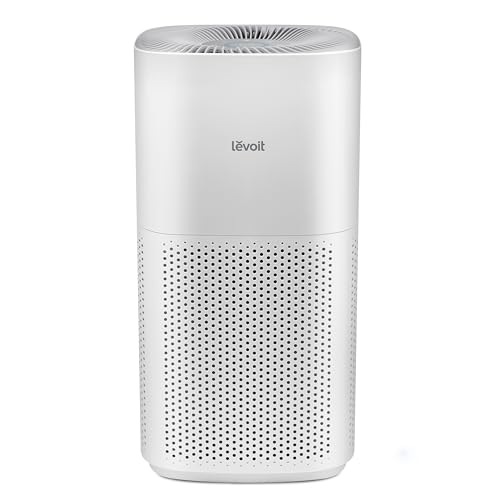
Best Air Purifiers under 10: Everything to Know Before Your First Purchase for 2026
Disclosure: We may earn a commission when you buy through links on this page, at no extra cost to you. As an Amazon Associate I earn from qualifying purchases. Learn more
Shopping for the best air purifiers under 10 for the first time? Learn the terms, compare options, and avoid rookie mistakes with this easy guide.
Let us be honest from the first line: under $10 buys a very small air cleaning gadget, not a room purifier in the usual sense. Knowing that upfront saves you money and disappointment. This guide to the best air purifiers under 10 explains what this tiny price can realistically do, what it cannot do, and how to judge the few options that exist.
We will cover coverage, noise, filters, and the ratings that tiny units often skip, then look at when stepping up in price makes far more sense. Treat what follows as a reality check as much as a shopping guide.
Air Purifiers 101: The Basics
A normal air purifier uses a fan to pull room air through a filter again and again, trapping dust, pollen, and other particles each pass. The cleaning power comes from moving a large volume of air through a good filter, which is why real purifiers have some size, a motor with some strength, and a filter with real depth. Those parts cost money to make, ship, and certify.
At under $10, makers shrink every one of those parts. The typical unit at this price is a small desktop or car gadget powered by USB, with a tiny fan and a thin filter pad, and it treats the air right around your desk or seat rather than a whole room. Some rely on ion release instead of a filter, which can settle some particles onto surfaces but does not collect them, and some ion designs can produce ozone, which you want to avoid.
That does not make every unit at this price useless. A small filtered desktop unit can reduce dust settling right at a work surface, and it can be a low risk way to learn how purifiers work. But if your goal is allergy relief across a bedroom, smoke removal, or help during wildfire season, a unit at this price will not get there, and the sections below explain why.
For context on what full size home models look like and cost to run, our guide to the best home air purifiers is a useful contrast before you decide how far your budget needs to stretch.
Key Specs Explained in Plain English
What You Can Realistically Get Under $10
Expect a compact plastic housing, USB power, one or two fan speeds, and a small replaceable or washable filter pad. Do not expect True HEPA filtration, a verified CADR rating, a carbon stage for odors, or coverage claims you can trust for a full room. Where not to save is safety: even at this price, the unit should list basic electrical safety information and should not advertise ozone output as a feature.
Room Size and Coverage
Coverage claims at this price often name a room size with no testing behind it, so read them with care. A useful rule for real purifiers is about 4 to 5 air changes per hour in the rated space, shortened to ACH. A tiny desktop fan moves so little air that its honest coverage is a personal zone of a few square feet around your desk, car seat, or bedside. No CADR at all usually means the maker never had the airflow measured.
Installation and Placement
There is no installation in the usual sense: you plug the unit into a USB port or adapter and set it on a flat surface. Placement decides what little cleaning you get, so put it within arm reach of where you sit or sleep, with the intake facing open air rather than a wall. Never use a damaged cable or a unit that runs hot to the touch. In a car, secure it so it cannot slide or distract you while driving.
Noise Level (dB) and Sleep Mode
Small fans spin fast, and fast small fans often whine rather than hum, so noise quality matters as much as the decibel number. Many units at this price list no noise rating at all, which is itself a warning sign for bedroom use. If you plan to sleep near it, favor a model with a low speed and place it a little farther from the bed. A true sleep mode with dimmed lights is rare at this price.
Performance Ratings (CADR, BTU, Pints/Day, CFM)
CADR is the standard measure of how much filtered air a purifier delivers, and AHAM is the body that verifies those claims for many larger models. Units under $10 almost never carry AHAM verification, and many publish no CADR or CFM figure you can check. BTU belongs to air conditioners and pints per day to dehumidifiers, so neither helps you here. The practical test at this price is simple: if the maker will not state airflow, filter type, and coverage in plain numbers, assume the cleaning effect is limited to the air very close to the unit.
Smart Controls and Sensors
Smart sensors, app control, and WiFi scheduling cost more than this entire budget, so expect a simple button or dial and nothing more. That simplicity has one upside: there is nothing to set up, no account to create, and no software to maintain. The downside is that the unit cannot respond when air quality changes, so you choose the speed yourself. If automatic response matters to you, that alone is a strong reason to look at the next price tier up.
Picking the Right Air Purifiers for Different Uses
Best Air Purifiers for under 100: Tips for First Time Buyers
If your real goal is cleaner air in a bedroom or office, the best air purifiers for under 100 category is where honest room cleaning begins. In that range you can find compact units with real HEPA type filters, published CADR figures, and coverage for small rooms of about 100 to 200 square feet. Judge them on CADR for your room size, replacement filter price, and noise on low speed. Spending about $50 to $100 once usually beats buying two or three tiny gadgets that never clean the room.
Shoppers comparing the wider budget field can read our guide to the best inexpensive air purifiers for how low priced models differ from the tiny units covered here.
Rookie Mistakes to Avoid
- Believing room sized claims. A gadget that fits in a cup holder cannot cycle the air in a living room, whatever the listing headline says.
- Confusing ion release with filtration. Ion units push some particles onto walls and furniture instead of trapping them, and some produce ozone you do not want indoors.
- Ignoring filter replacement. Tiny filter pads load quickly, and if replacements are hard to find, the unit becomes disposable within a few months.
- Buying for a health problem. Allergies, asthma, and smoke exposure need verified filtration and real airflow, so spend on a rated unit or talk with a clinician about your options first.
- Chasing features over basics. Colored lights and fragrance pads add scent and glow, not cleaning power, and fragrance can irritate sensitive airways.
Getting Started: Setup and First Use
When your unit arrives, check the filter first: many small models ship with the filter wrapped in plastic, and it cannot clean anything until that wrap comes off. Seat the filter as the manual shows, connect the USB cable to a sound power source, and run the highest speed for a short first session to clear any packing dust smell. Place it where you spend your time, not across the room, because its reach is short.
Replace or clean filters on schedule, and at this price that schedule is short: inspect the pad monthly and replace it when it looks gray and airflow drops. If the fan starts rattling or the housing cracks, retire the unit rather than repairing electrical parts yourself.
One practical habit helps you judge honestly: note how much dust settles on your desk over a week with the unit running, then compare with a week off. That simple check tells you more than any listing claim.
To understand the filter standard that larger units are judged by, our guide to the best air purifiers hepa explains what True HEPA means and why the seal around the filter matters.
Air Purifiers: Your Questions Answered
Can you get a good air purifier under $10?
You can get a working desktop gadget, but not a good room purifier in the usual sense. At under $10 the fan, filter, and housing are all too small to deliver verified CADR or whole room coverage. For a desk or car seat, a filtered model can reduce nearby dust a little. For allergies, smoke, or a bedroom, save toward the under $100 range, where rated filtration and published coverage begin.
Is it expensive to run 24/7?
No, running cost is the one easy part at this size. A USB powered unit uses only a few watts, so leaving it on all day costs very little, far less than a full size purifier. The real cost is replacement filter pads, which are small, load fast, and may need changing every month or two with daily use.
Where is the best place to put it?
Put it close to you, on the desk, nightstand, or console where you spend your time, because its cleaning reach extends only a short distance. Keep the intake clear of papers, walls, and bedding, and give the outlet a clear path toward your breathing zone without blowing straight into your face. Distance is the whole game at this size: every extra foot between you and the unit cuts the benefit sharply.
What size do I need for my room?
For a whole room, no unit under $10 is the right size, and it helps to hear that plainly. Room guidance for real purifiers starts with square feet and a CADR that supports about 4 to 5 air changes per hour. A bedroom of about 120 square feet needs a compact rated unit from a higher price tier. Treat a tiny unit as personal space equipment, like a desk fan, and size your expectations to the few square feet around your chair or bed.
How often should I replace the filter?
Expect to replace or clean the small filter pad about every 1 to 3 months with daily use, much sooner than the 6 to 12 months typical of full size HEPA filters. Dusty homes, pets, and smoking nearby shorten that further. A visible gray color, weaker airflow, and a stale smell are practical signs the pad is done. If your model uses a washable pad, let it dry fully before reinstalling, since a damp pad can grow musty fast.
Do air purifiers really work?
Yes, properly sized purifiers with real filters and verified airflow demonstrably reduce airborne particles in a room. The honest catch is scale: the effect depends on moving enough filtered air for the space, which units at this price cannot do beyond a small personal zone. So the technology works, but the useful starting point for a room is higher than $10. For general background, our guide to the best air cleaners and purifiers covers how the main types compare.
Final Thoughts
At under $10, buy only with narrow expectations: a USB desktop gadget for the air right around your seat, with basic electrical safety and available filter pads. Check for honest specs, skip ozone claims and room sized promises, and remember that filtration, CADR, and coverage are what real cleaning is made of. For most first time buyers, the smarter move is saving toward a compact rated unit that fits the room.
Compare any unit you find against those checks before you spend anything. The right best air purifiers under 10 decision may be a tiny unit for your desk, or it may be waiting and buying once at a higher tier, and either answer is a good one when it matches your room and your needs.