Best Air Purifiers without Ozone: Our 2026 Checklist and Buying Guide
Disclosure: We may earn a commission when you buy through links on this page, at no extra cost to you. As an Amazon Associate I earn from qualifying purchases. Learn more

A checklist for picking the best air purifiers without ozone: True HEPA filtration, CADR, safety certification, noise and filter costs.
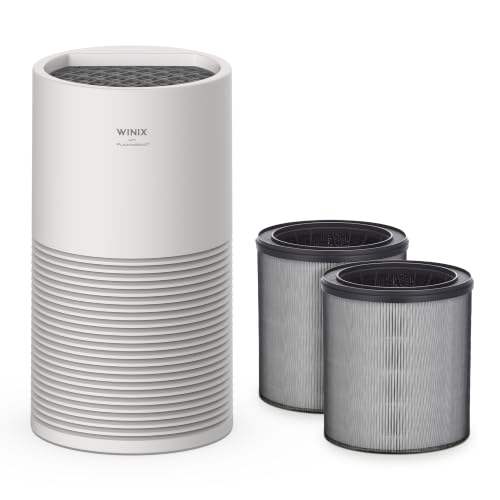
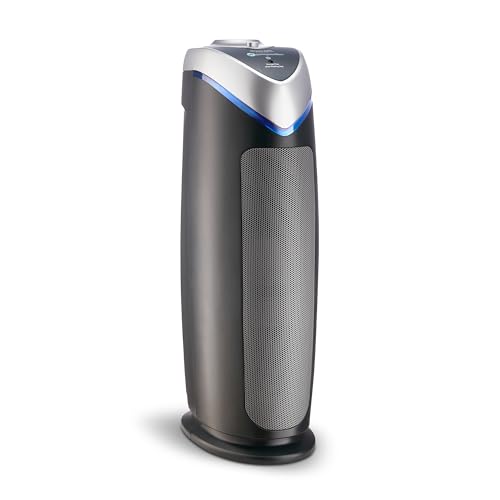
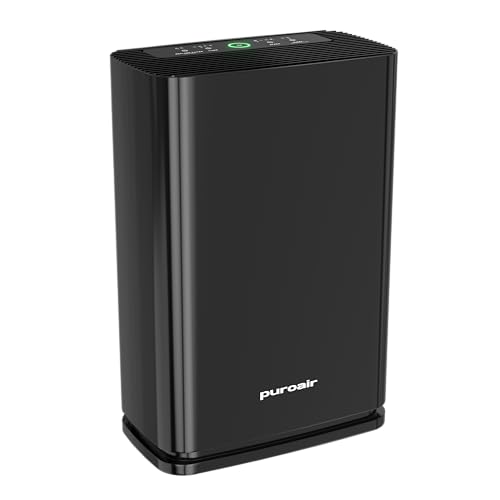
Ozone is a lung irritant, and it has no place as an added cleaning output in a home purifier, especially in bedrooms and nurseries. The good news is that strong particle cleaning never needed ozone in the first place. This checklist guide to the best air purifiers without ozone shows you how to verify that a model is truly ozone free in design, how to judge its filtration and room fit, and which claims should make you walk away. Begin with the comparison table below, then score each option against the criteria that follow.




How We Evaluate Air Purifiers Without Ozone
Use this evaluation order every time: confirm the cleaning method, confirm room fit, then judge upkeep and comfort. A model that fails the first test should not be rescued by a low price or a long feature list. Mechanical filtration with a sealed HEPA stage is the standard to beat.
Why Choose an Air Purifier Without Ozone
Choosing a design without ozone avoids adding a known respiratory irritant to indoor air while you try to clean it. That matters most for children, older adults, and anyone with asthma or other lung conditions. The trade off is simple: you rely on filters you must replace on schedule, rather than on electronic methods that promise filter free ease. For most homes that is the safer and more predictable bargain. If symptoms are significant, talk with a clinician about the role of a purifier in the care plan.
Room Size and Coverage
A good result starts with CADR matched to square feet, with about 4 to 5 air changes per hour as a strong target for allergy and smoke needs. AHAM room guidance gives you a checkable link between CADR and room area. A poor result is a small unit asked to serve an open plan space with doors open. Buy extra capacity if you want to run a quieter speed, and measure the room before you shop rather than guessing from furniture size.
Filter Type and Replacement Cost
Look for True HEPA media for particles and enough activated carbon for the odors you actually have. A thin carbon sheet will fade fast in a kitchen or pet home, while a heavier carbon stage costs more and lasts longer. Score a model down if filter prices are hidden or a full year of filters costs a large share of the purchase price. For background on cleaner categories, see our guide to the best air cleaners and purifiers and note which methods use filters and which do not.
Smart Controls and Sensors
A particle sensor and automatic mode are worth credit when they help the fan respond to real changes, such as cooking or vacuuming. App control and scheduling are smaller pluses. Deduct points for controls that hide basic settings behind a phone or for displays that cannot be dimmed at night. A smart sensor never fixes weak filtration, and it should not distract you from CADR, sealing, and filter cost, which decide most of the outcome.
Installation and Placement
Most freestanding models need no installation, but placement still affects the score. Credit a design that is stable, easy to move for cleaning, and clear about the space it needs around intakes and outlets. Place the unit in the room where exposure matters most, usually a bedroom, and keep it running there with the door mostly closed. Avoid placing it behind curtains or inside furniture, where cleaned air cannot circulate and particles bypass the intake.
Performance Ratings That Matter
CADR for tobacco smoke is often the strictest guide to overall speed, with dust and pollen values close behind. ENERGY STAR status can show efficient cleaning per watt. Look for independent or standards based support for claims, and be careful with any model that lists only a maximum room area with no CADR. If you are comparing wording across listings, our guide to the best air purifiers no ozone covers the same safety goal under a shorter name.
Noise Level and Sleep Mode
Score noise on the setting you will actually use at night. A sleep mode should lower fan speed and dim or turn off lights. If the quiet setting is too weak for the room, you will end up choosing between sleep and clean air, which means the unit was undersized. Larger models often sound softer at a useful output because they move air through a bigger filter at lower fan effort.
Three Profiles That Pass Our Checklist
Instead of chasing a single winner, match one of these three profiles to your room and habits. Each profile describes the hardware and upkeep pattern to look for in the product table above, so you can recognize a good fit even as models and prices change during the year.
Best Overall Profile
The overall profile is a sealed True HEPA unit with verified CADR for a medium or large room, a carbon stage with real weight, and no ionizer or ozone producing feature at all, or one that stays off by default and can be disabled. Around $200 to $350 is typical for this level. It should run quietly on low, carry recognized safety certification, and use filters that are easy to source. This profile fits most bedrooms and living rooms.
Best Value Profile
The value profile keeps the same ozone free mechanical design and trims extras such as apps and elaborate displays. Around $100 to $200, expect honest CADR for a single bedroom or office, simple controls, and filter costs that stay modest. The compromise is usually a smaller coverage rating and a lighter carbon stage. Choose this profile when one room matters most and you would rather spend on timely filter changes than on connected features.
Best Premium Profile
The premium profile adds capacity and endurance: higher CADR, dual or larger filters, stronger odor control, and a build that stays quiet at useful speeds. Prices around $350 to $650 can be justified for large rooms, pet heavy homes, or smoke prone areas. Demand clear certification, a longer warranty, and proof that replacement filters will remain available. If a premium model leans on electronic add ons you must disable, a simpler premium mechanical model is the better buy.
Quick Buyer Checklist
- Does the listing state plainly that the unit produces no ozone, or that any ion feature can stay fully off?
- Is the main particle filter described as True HEPA, with a sealed frame and no gaps you can see?
- Does the CADR fit your room in square feet at about 4 to 5 air changes per hour?
- Can you find the price and schedule for every filter you must replace in a year?
- Is there recognized safety certification, such as UL or ETL listing, and AHAM support where claimed?
- Will the noise level and light level on sleep mode work in your bedroom?
- Does the carbon stage match your odor load, rather than serving as a thin scent sheet?
- Can you place the unit with clear space around it in the room you use most?
For contrast, it helps to know what you are avoiding. Our guide to the best ozone air purifiers explains the ozone based category, which is a different approach meant for unoccupied spaces and pro use, not for a bedroom you sleep in each night.
Red Flags to Watch For
- Vague cleaning claims with no CADR, no filter type, and no room size basis you can check.
- Ionizer or plasma features with no clear statement about ozone output and no simple way to turn them off.
- No recognized safety certification, or certification language that names no actual standard or listing body.
- Filter costs hidden until after purchase, or filters sold by only one source at a high price.
- A very short warranty for the motor, paired with bold claims about years of maintenance free use.
One more warning sign is language that suggests ozone is a fresh or natural benefit in occupied rooms. Fresh air smell is not a health measure. If anyone in the home has worsening cough, chest tightness, or breathing trouble around any air cleaning device, stop using it and seek medical advice promptly. Readers planning a whole home layout can also see our guide to the best home air purifiers for room by room placement ideas.
How to Make Your Air Purifier Last Longer
Replace or clean filters on schedule, because a loaded HEPA filter cuts airflow and makes the fan work harder for less cleaning. Keep doors and windows mostly closed while the unit runs in a room, so outdoor dust and pollen do not undo its work. Leave clearance around the intake and exhaust, vacuum exterior vents monthly, and keep the unit dry and away from humidifier mist aimed straight at the intake. These habits protect both performance and motor life.
Frequently Asked Questions
Is an air purifier without ozone expensive to run all day?
No, power use on low and medium is usually modest, similar to a small fan, and automatic mode can cut use further when air is clean. The larger yearly cost is filter replacement. You can estimate both before you buy by checking watt draw and the price of a full filter set, then matching those figures to how many hours a day you plan to run the unit.
Do air purifiers without ozone really work?
Yes, mechanical filtration is the most direct and proven home approach for particles such as dust, pollen, and pet dander. A True HEPA filter traps particles as air passes through it, with no need for ozone at any stage. Results depend on correct sizing, a sealed housing, and enough run time. A purifier supports a cleaner room, but it does not replace medical treatment or fixing sources such as mold or smoke indoors.
What size air purifier without ozone do I need for my room?
Choose CADR from your room area, aiming for about 4 to 5 air changes per hour if allergies or smoke drive the purchase. A unit rated for a slightly larger room than yours will clean well on a lower and quieter setting. Open plan spaces may need a large unit or two smaller units in separate zones, because one purifier cannot clean air well through walls and around corners.
How often should I replace the filter in an ozone free air purifier?
Most HEPA filters last about 6 to 12 months and carbon stages may need replacement sooner when odors return. Prefilters, when fitted, often need vacuuming or rinsing every few weeks. Dusty homes, pets, and smoke shorten all of these intervals. Use the indicator as a reminder, then confirm with the calendar and visible loading, and keep a spare filter on hand so a change is never delayed.
Where is the best place to put an air purifier without ozone?
Place it in the bedroom or living area where you spend the most time, on a stable surface with open space on all sides. Keep it near the breathing zone without blocking it behind furniture, and avoid corners where airflow stalls. Run it in that closed room for the strongest effect, and move it only if you will return it to the main room for the night.
Wrapping Up
Verify the ozone free design first, then match CADR to your room, then add up a full year of filter costs. The product table above is easiest to use with that order in mind, because it keeps safety ahead of extras. For most homes, the best air purifiers without ozone are simply well sealed HEPA models, sized with care, certified for safety, and maintained on time.