Best Air Dehumidifier for 2026: What Actually Matters Before You Buy
Disclosure: We may earn a commission when you buy through links on this page, at no extra cost to you. As an Amazon Associate I earn from qualifying purchases. Learn more
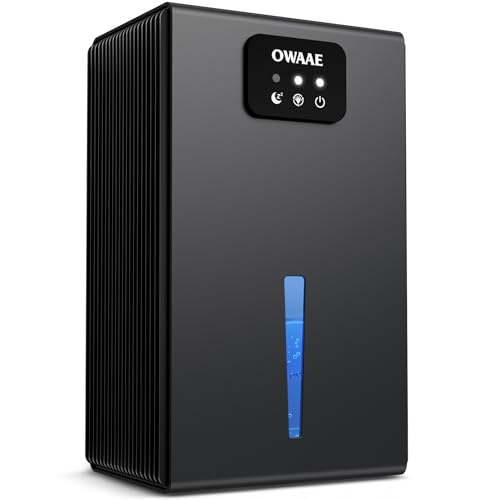
Learn how to choose the best air dehumidifier by room size, daily capacity, drainage, humidity control and noise, with a simple buyer checklist.
Shopping for the best air dehumidifier can feel confusing because makers quote different capacities, room sizes and features, and those numbers do not always mean the same thing. A unit that suits a small bedroom may struggle in a damp basement, while a large unit in a small room may cycle on and off too often. This guide cuts through that confusion with a clear checklist you can use before you order.
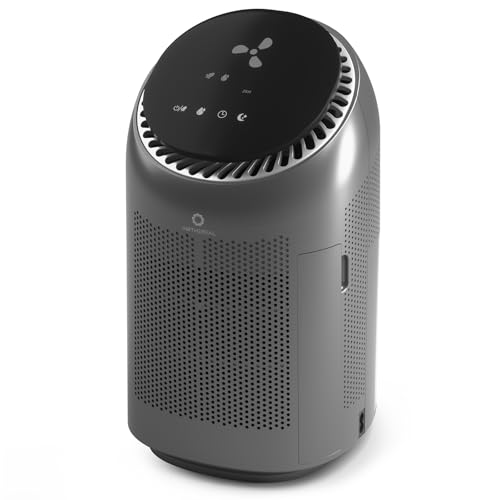
The product table gives a quick view of the main choices, and the sections that follow explain each factor in plain terms.

Key Checks Before You Buy the Best Air Dehumidifier
Use these checks in order. Room size and moisture load come first, then capacity, drainage and controls. Noise, energy use and upkeep matter too, but they should not override a unit that is the wrong size for the space.
Room Size and Moisture Load
Room size is usually given in square feet, but moisture load matters just as much. A dry spare bedroom and a damp basement of the same size need very different machines. Basements, laundry rooms and bathrooms add steady moisture from soil, washing and showers, so they usually need more capacity than a bedroom of the same area. For specific spaces, see our guides to a dehumidifier for basements and dehumidifiers for bathrooms.
Daily Capacity in Pints
Daily capacity, stated in pints per day, tells you how much water a unit can remove in a day under the maker's rated conditions. Small units often remove about 20 to 30 pints per day, mid size units about 30 to 50 pints per day, and large units about 50 pints per day or more. For a damp basement, choose a capacity at the upper end of the range for your room size.
Drainage Options
Most units collect water in a bucket that you empty by hand. That suits a room you visit daily, but it becomes a chore in a basement you rarely enter. A continuous drain hose lets water flow to a floor drain or sink, and some units include a pump that can push water up and out through a window or to a higher drain. Our guide to dehumidifiers with a pump covers that option in more detail.
Humidity Control and Sensors
A humidistat lets you set a target humidity level, often around 45 to 50 percent for comfort, and the unit runs until it reaches that level. Look for a clear display, simple controls and a sensor that reads the room rather than the air right next to the machine.
Noise and Placement
Noise matters most in bedrooms and living rooms, where a loud fan can disturb sleep or conversation. Makers quote noise in decibels, but the number depends on fan speed, so compare low speed figures when you can. Place the unit with clear space around the intake and exhaust, away from walls and furniture that block airflow.
Energy Use and Running Cost
Energy use depends on capacity, fan speed and how damp the room stays. Larger units often use more power per hour, but they may run for shorter periods once humidity falls. Look for an energy efficient design and a watt rating you can compare, and remember that running cost also includes filter changes and eventual service.
Build, Filters and Upkeep
Build quality shows in the bucket, the handle, the wheels and the filter access. A bucket that slides out easily and a filter you can wash or replace without tools will save frustration over time. Follow the maker guidance on electrical safety, keep the unit away from children, and follow local rules for drainage and disposal of collected water.
Spending Levels Explained
Price mostly buys capacity, drainage options and control quality. A basic unit covers a small room, a mid level unit adds better controls and drainage, and a higher level unit suits large or very damp spaces. For a wider look at types, read our guide to dehumidifiers for the home.
Basic Level Guidance
At the basic level, expect a small bucket, simple controls and manual drainage. These units suit a bedroom, a small office or a closet sized space, and prices often run about $150 to $250. They work well when moisture is light and you can empty the bucket daily.
Mid Level Guidance
At the mid level, you get larger capacity, a humidistat with a clear display and often a continuous drain option. Prices often run about $250 to $400, and these units suit family rooms, large bedrooms and moderately damp basements. This level is a good match for most homes, since it balances capacity, control and running cost.
Higher Level Guidance
At the higher level, expect high capacity, a pump option, sturdier build and more precise humidity control. Prices often run about $400 to $700, and these units suit large basements, whole floor areas and rooms with a steady moisture source. Spend at this level when a smaller unit would run around the clock or when drainage must reach a distant or raised outlet.
Quick Buyer Checklist
Run through these questions before you order, and answer each one honestly for your own room.
- Have I measured the room and noted whether doors stay open or closed?
- Is the moisture light, moderate or heavy, and does it come from a basement, laundry or bathroom?
- Does the capacity in pints per day fit the room size and moisture load?
- Can I empty a bucket daily, or do I need a hose or pump drain?
- Does the humidistat let me set a clear target level?
- Is the noise level acceptable at the speed I will actually use?
- Have I checked filter type, filter cost and how easy it is to clean?
- Does the unit fit the space with clear airflow around it?
Red Flags to Watch For
Watch for vague capacity claims with no rated conditions, since pints per day mean little without temperature and humidity context. Be wary of a unit with no clear humidistat, a tiny bucket for a large room, or a drain option that does not match your floor drain. Short warranties, unclear filter costs and missing safety certification are also warning signs.
Tips to Get the Most From Your Unit
Replace or clean filters on schedule, since a clogged filter cuts airflow and forces the fan to work harder. Keep doors and windows closed while the unit runs, so it dries the room rather than the outdoors. Leave clearance around the intake and exhaust, and empty the bucket before it fills completely.
Frequently Asked Questions
Where is the best place to put an air dehumidifier?
Put it in the center of the damp area when possible, with clear space around the intake and exhaust. Avoid corners, closets and spots behind furniture, since blocked airflow makes the sensor read poorly. In a basement, place it near the dampest wall but not against it, and keep the drain route short.
How often should I replace the filter in an air dehumidifier?
Clean a washable filter about once a month during heavy use, and replace a disposable filter when the maker guidance says to, often every few months. Check the maker manual for the exact interval for your model. A dusty home, pets or nearby construction may call for more frequent cleaning. A clean filter protects airflow, noise levels and energy use.
Do air dehumidifiers really work?
Yes, a correctly sized unit lowers humidity in an enclosed space by drawing moist air over cold coils and collecting the water. Results depend on room size, moisture source and whether doors and windows stay closed. A unit cannot fix a leaking pipe, rising damp or a broken gutter, so fix water entry first.
What size air dehumidifier do I need for my room?
Match pints per day to both room size and moisture load, not to room size alone. A small bedroom with light moisture may suit about 20 to 30 pints per day, while a damp basement of the same size may need about 50 pints per day or more. When in doubt, choose the larger size within your budget, since an undersized unit runs longer and may never reach the target.
Is it expensive to run an air dehumidifier around the clock?
Running cost depends on watt rating, fan speed and how damp the room stays. A unit that reaches its target and cycles off costs less than one that runs constantly in a very damp room. Use the humidistat rather than continuous run when you can, and close doors and windows to reduce the load.
Wrapping Up
Capacity, drainage and humidity control matter most, followed by noise, energy use and upkeep. Measure your room, judge your moisture load honestly, and choose a unit that fits both. Use the product table to compare the options. A well matched best air dehumidifier keeps a room comfortable with less daily fuss, while a poorly matched one wastes energy and attention.