Best Beer Kegerator for 2026: A Practical Budget Guide
Disclosure: We may earn a commission when you buy through links on this page, at no extra cost to you. As an Amazon Associate I earn from qualifying purchases. Learn more

Choosing the best beer kegerator comes down to keg size, tap count, cooling, noise, and running costs. See what fits your space and hosting style.
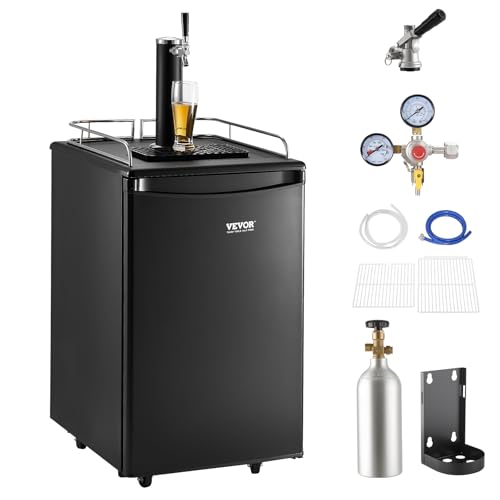
Choosing best beer kegerator options begins with keg size, tap count, and available space, because those three factors decide whether a unit feels generous or frustrating in daily use. A small household may do well with a single tap and a compact keg, while a busy hosting household may need more capacity and a steadier cooling system. Use the product table to compare keg capacity, tap setups, cooling strength, and footprint before you choose a budget range.
Budget matters, but so do gas, line cleaning, electricity, and space for door swing and ventilation. This guide explains kegerator types, key features, and budget ranges in plain terms, so you can pick a design that suits your home and serving routine.




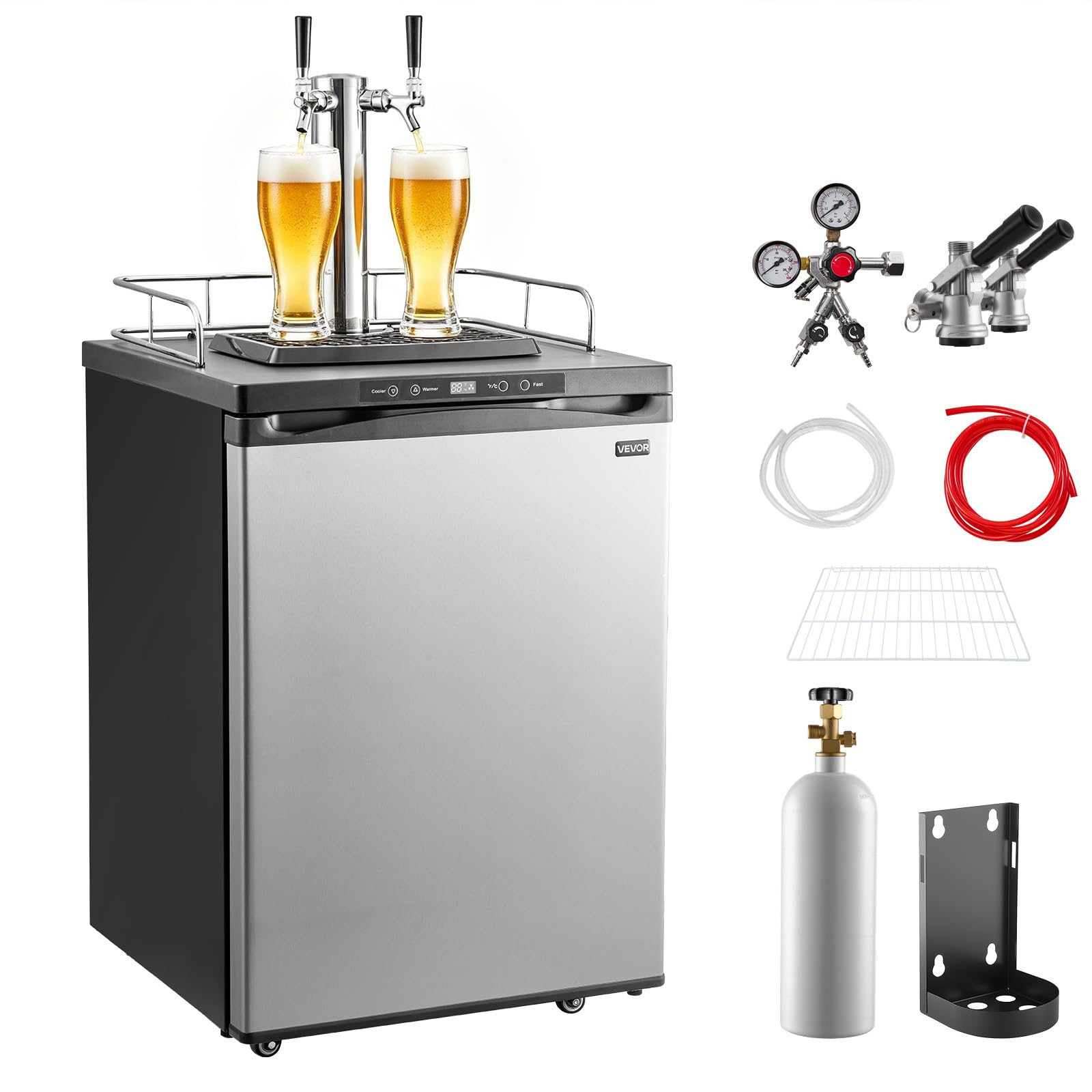
How to Choose the Best Beer Kegerator for Your Home
Small Households With Occasional Guests
Small households with occasional guests usually need a compact kegerator that fits neatly in a kitchen corner or a small bar area. A single tap and a modest keg size keep the unit easy to manage and limit leftover drink between gatherings. Look for simple temperature controls, a tap that pours cleanly, and a cabinet that leaves room for airflow around the sides.
Regular Party Hosts
Regular party hosts need a kegerator that can serve a full evening without running low or warming up between rounds. A larger keg capacity and steady cooling help the last pour taste as fresh as the first, even when guests arrive in waves. A strong tap tower, a drip tray that is easy to empty, and clear temperature controls reduce fuss during a busy night.
Home Bar Owners With a Fixed Setup
Home bar owners with a fixed setup want a kegerator that becomes a permanent part of the bar, with a stable footprint and parts that are easy to service. Tap count, tower style, and cabinet finish matter here, because the unit will be seen and used often. Cooling power and quiet operation also matter, since the unit may run for hours during a gathering.
What Your Money Gets You at Each Budget Range
Entry Level Outlay: Compact and Simple
At an entry level outlay, expect a compact cabinet, a single tap, and basic temperature control that suits occasional use. Prices often fall at about $400 to $700, depending on keg capacity and cooling design. These units work well for small households, but cooling may recover more slowly after frequent pours.
Mid Level Outlay: Steadier Cooling and More Choice
At a mid level outlay, expect steadier cooling, a wider choice of keg sizes, and a sturdier tower and tap. Prices often fall at about $700 to $1200, depending on tap count and cabinet quality. These units suit regular hosts who want consistent pours and less time spent adjusting temperature.
Top Level Outlay: Larger Capacity and Polished Build
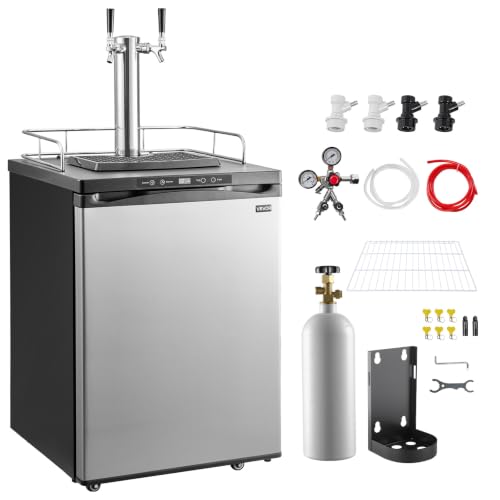
At a top level outlay, expect a larger capacity, dual tap options, and a heavier cabinet built for frequent use. Prices often start at about $1200 and can rise well above that level for larger or more polished designs. These units suit fixed home bars and very frequent hosting, where steady cooling and durable parts justify the extra cost.
Features Worth Paying For and Ones to Skip
Capacity and Household Size
Capacity should be matched to household size and guest count, because a keg that sits too long can lose freshness while a keg that runs out early can cut a party short. Common keg sizes include a sixth barrel for smaller gatherings, a quarter barrel for regular hosting, and a half barrel for large groups. Choose the smallest keg size that comfortably covers your usual gathering, then check that the cabinet fits that size with room for lines. For cold storage, see our guide to best beer refrigerators.
Tap Setup and Tower Style
Tap setup shapes how many drinks you can offer and how easy the unit is to clean. A single tap keeps the system simple and suits households that serve one drink at a time. A dual tap setup offers variety for guests with different tastes, but it adds lines, cleaning steps, and gas management; for tap options, see our guide to best beer taps. Tower style also matters, because a taller tower can warm up faster if it lacks cooling, while a shorter tower may pour more steadily, so choose tap count based on variety you actually serve.
Dimensions, Clearance, and Ventilation
Dimensions, clearance, and ventilation decide whether a kegerator fits safely and cools well in your chosen spot. Measure height, width, and depth, then add room for door swing, tower height, and airflow around the cabinet. A unit pushed tight against a wall may struggle to shed heat, which raises electricity use and strains the cooling system; for serving glassware, see our guide to best beer glasses. Check whether the design vents from the front or the back.
Noise Level
Noise level matters more than many buyers expect, especially when a kegerator sits near a living room, dining area, or bedroom. A quiet compressor and a well insulated cabinet help the unit fade into the background during conversation. Larger cooling systems may run louder when they work hard, so consider where the unit will sit and how often it will cycle during a gathering.
Reliability and Warranty
Reliability and warranty matter for a purchase that involves cooling parts, gas lines, and taps, all of which face regular use. Look for clear coverage of the compressor, seals, and tap parts, and check how service is handled for a heavy cabinet. Available spare parts, such as seals, lines, and tap handles, also matter, because small parts wear out before the cabinet does.
Long Term Costs to Factor In
Long term costs include keg refills, gas refills, replacement lines and seals, cleaning supplies, and electricity. Gas use depends on pour frequency and seal quality, so a slow leak can raise costs without an obvious sign. Cleaning supplies and replacement parts add a modest annual cost, but regular cleaning protects flavor and helps taps and lines last longer.
Electricity use also varies with cabinet size, insulation, room temperature, and how often the door or tap is used. A unit in a warm garage will work harder than the same unit in a cool indoor room, so placement affects running costs. For adults of legal drinking age, enjoy drinks responsibly, follow the manufacturer's instructions for gas parts, and keep the unit out of reach of children.
Beer Kegerators: Your Questions Answered
Can I put a beer kegerator in the garage?
You can put a beer kegerator in the garage only when the unit is rated for that temperature range and has enough ventilation around the cabinet. Garages can get very hot in summer and very cold in winter, which can strain cooling and affect pour quality. Check maker guidance on the allowed temperature range, and leave clearance for airflow and door swing.
How much electricity does a beer kegerator use?
Electricity use depends on cabinet size, insulation, room temperature, and how often the unit runs during gatherings. A compact indoor unit in a cool room uses less power than a large unit in a warm garage, because the cooling system cycles less often. Good insulation, clean coils, and proper ventilation all help reduce running costs.
Do I need a dual tap beer kegerator?
You need a dual tap beer kegerator only when you regularly serve two different drinks at the same gathering. Dual taps offer variety and let guests choose, but they also add a second line to clean and more gas connections to check. A single tap keeps setup simpler and suits households that serve one drink at a time.
What size beer kegerator do I need for my family?
Size depends on how many people you serve and how often you host, rather than on family size alone. A sixth barrel suits small households and occasional guests, while a quarter barrel suits regular hosting for a medium group. A half barrel suits large parties but needs more space and a stronger cooling system.
How long should a beer kegerator last?
A well maintained beer kegerator can last several years, but lifespan depends on build quality, use frequency, and care of seals, lines, and cooling parts. Regular cleaning, prompt seal replacement, and proper ventilation help prevent flavor problems and cooling strain. Units used every week need more frequent checks than units used a few times a year.
Final Thoughts
The best choice balances keg size, tap count, cooling strength, noise, and total running cost. Small households can do well with a compact single tap unit, regular hosts benefit from steadier cooling and larger capacity, and fixed home bars gain from durable parts and a well planned footprint. Use the product table to compare designs side by side, then choose the budget range that fits your space and serving routine.
A unit that fits well, pours steadily, and cleans easily will serve you better than a larger unit that feels awkward to maintain. That practical fit is the best guide to best beer kegerator choices for your home.