
Best Android Phones with Keypad in 2026: Which Type Is Right for You?
Disclosure: We may earn a commission when you buy through links on this page, at no extra cost to you. As an Amazon Associate I earn from qualifying purchases. Learn more

A guide to the best android phones with keypad, comparing slider, fixed, numeric, and rugged forms by key feel, screen, battery, and price.
You want real keys you can feel, but the few phones that still offer them differ a lot in layout and price. The best android phones with keypad are not the ones with the longest spec list. They are the ones whose keys, screen and software fit how you type each day, so read the comparison table below with that fit in mind.
Think first about your longest daily task. Long emails reward a full QWERTY board, while short replies, calls and codes may need only a numeric pad. Work outdoors with gloves points to large, widely spaced keys. The sections below match each typing style to a form first.
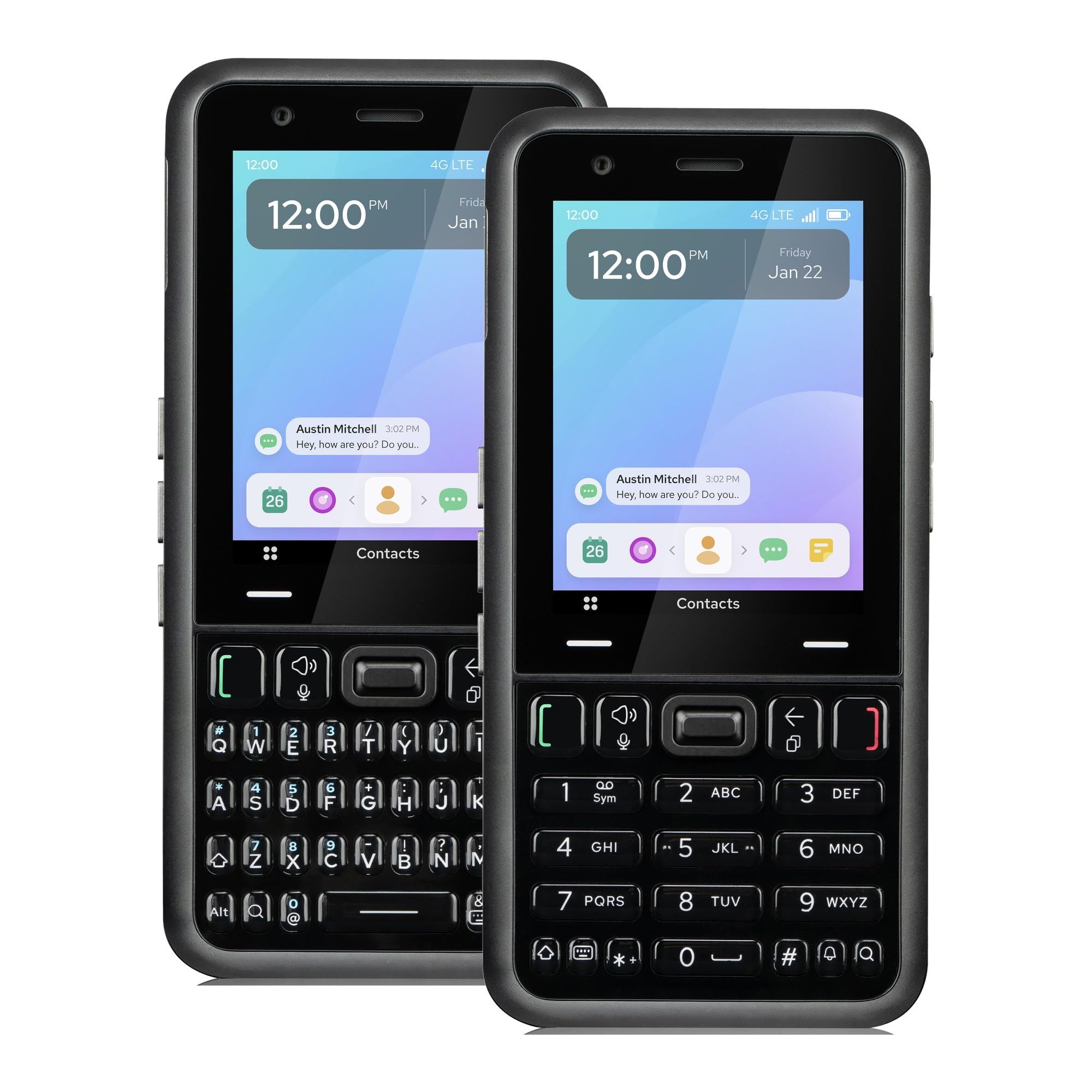
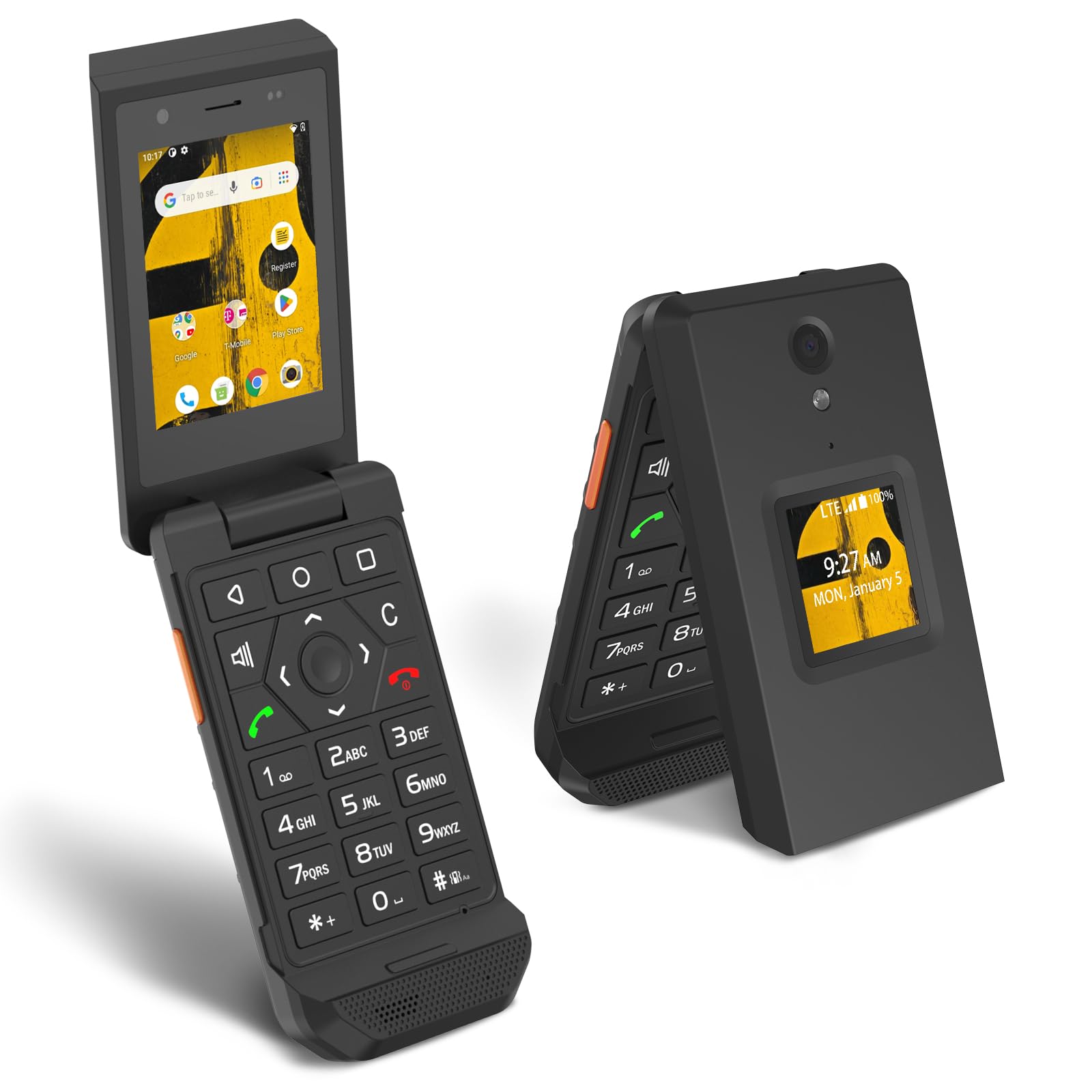


Types of Android Phones with a Physical Keypad Compared
Every model in this small market makes the same tradeoff. Space given to keys is space taken from the screen, unless the keys slide away. Start with the form that fits your hands and your day, then compare details within that form.
Slider Phones That Hide a Full Keyboard
A slider keeps a large touchscreen for video, maps and photos, then slides open to reveal a full QWERTY board for typing. Open, it suits long messages, because your thumbs rest on real keys while the screen stays visible above them. The moving rail adds thickness and one more part to protect from grit. Choose this form if you type long text but refuse to give up screen size.
Fixed QWERTY Phones With Keys Always Ready
A fixed QWERTY phone places a compact keyboard under a smaller screen, so the keys are ready the moment you pick it up. The board is narrower than a slider board, so large thumbs may feel crowded, and the short screen makes video feel tight. In return you get fast access, simple shortcuts and an easy one hand grip. For layouts and key shapes in more depth, see our guide to the best android phones with qwerty keypad.
Numeric Keypad Phones Paired With a Touchscreen
A numeric keypad phone keeps the familiar twelve key pad for calls, codes and quick replies, and pairs it with a small touchscreen for apps. Dialing feels fast and sure, because each number has its own raised key, and you can answer a call by feel alone. Long typing still happens mostly on glass, since the pad enters letters slowly, so this form suits people who talk more than they write.
Rugged Keypad Phones Built for Work Sites
A rugged keypad phone trades slim looks for large keys, a sealed body and a frame that shrugs off knocks, dust and rain. Many carry an IP68 rating, which means the body is sealed against dust and can handle immersion in shallow water for a limited time. Keys are tall and widely spaced, so you can dial with work gloves on. The cost is extra bulk, so choose this form for sites, farms and delivery routes.
Slider Phones vs Fixed Keypad Phones: Which Should You Choose?
Compare the two QWERTY forms on four points. Screen room goes to the slider, since its keys hide away. Speed of access goes to the fixed form, since its keys never hide. Comfort over a long document goes to the slider, because a wider board strains thumbs less. Price favors the fixed form, at about $250 to $450 against about $400 to $700 for many sliders.
If the price gap matters more than screen size, a fixed board is the honest value pick. If you can give up keys entirely, see our guide to the best inexpensive android phones for touch only options at similar money.
How to Choose the Right Android Phone With a Keypad
Once the form is set, compare the details below in order. Keys come first, because no screen can rescue a board your fingers dislike.
Key Size, Spacing and Backlighting
Keys should feel distinct under your thumbs, with a clear edge between neighbors and a firm press that confirms each letter without force. Small domed keys suit small hands, while flat square keys with wider gaps suit large thumbs and reduce doubled letters. Ask about travel, the short distance a key moves, since shallow keys feel vague. Backlighting matters too, because even light behind every key keeps you accurate in a dark car.
Why a Physical Keypad Helps and Where It Falls Short
Physical keys give feedback your fingers can trust, so you watch the words on screen instead of watching your thumbs. That trust is why the best android phones with keypad keep a loyal following among heavy messagers, note takers and staff who log updates between stops. Keys also hold fixed shortcuts for calls and apps. The limits are real. Keys take space, add weight and narrow your choice of cases, so a board must still feel crisp after a year of typing.
Screen Size and Display Quality Around the Keys
A fixed keypad leaves a short screen, so judge it by clarity rather than size. An OLED panel gives deep blacks and strong contrast, which helps text stay readable at small sizes. A refresh rate of 90 or 120 hertz makes scrolling feel smoother, though it draws more power. Brightness matters most outdoors, where a dim panel washes out in sun. On a slider, also check that the open board does not flex.
Battery Life on Small Screen Keypad Phones
Battery size is quoted in mAh, and keypad phones often do well here because a small screen draws less power. A cell of about 3000 to 4000 mAh can mean two days of calls and messages on a fixed board, while a large slider screen may need a nightly charge. Fast charging helps at a desk, and wireless charging is a bonus rather than a need.
Camera System on a Typing First Phone
Treat the camera as a supporting feature on most keypad phones. A good main lens with night mode covers family photos, receipts and site records well, and an ultrawide lens helps in tight rooms. Camera focused phones with glass only typing usually shoot better for the same money. If top speed matters more than keys, see our guide to the best performing android phones.
Common Mistakes to Avoid
These errors are easy to make in a small market where choice is thin.
- Buying by screen size alone leaves you with keys your thumbs hate, and you will avoid typing on the phone.
- Choosing the smallest keys to save pocket space causes doubled and missed letters in long messages.
- Ignoring carrier bands on an imported model can leave you with weak signal or no service at home.
- Skipping the update policy saves money now but can leave banking apps unsupported within a few years.
- Letting grit sit in a slider rail makes the action rough and can jam the board open or shut.
Setup and Care Tips for a Keypad Phone
On day one, set up both input paths. Keep the on screen keyboard active for passwords and symbols the board handles slowly, and assign the shortcut keys you will use daily, such as camera and messages. Update the software before you move your accounts over, and test each key in a notes app, so a weak key shows up while a return is still simple.
Care for the keys like the moving parts they are. Blow loose dust out with dry air, wipe keys with a barely damp cloth, and never soak the board. A case and a screen protector guard the glass, but check that the case lip does not crowd the outer keys. Keep the phone out of extreme heat, since heat ages the battery.
Android Phones With a Keypad: Your Questions Answered
How much storage does an Android phone with a keypad need?
Most keypad phone buyers do well with 128 gigabytes. That space holds years of messages, photos and music plus a healthy set of apps, because these phones rarely store large games or long videos. Choose 256 gigabytes only if you shoot video often. A memory card slot is the cheaper way to grow storage later.
Should you buy an unlocked Android phone with a keypad?
Yes, an unlocked model is usually the safer buy in this niche. Many keypad phones are sold unlocked rather than through carriers, and an unlocked phone lets you change carriers and travel with a local SIM card. Before you order, match the listed bands to your carrier, because unlocked does not mean every network works.
Do you need 5G on an Android phone with a keypad?
You need 5G only if you stream video, share large files or use the phone as a hotspot. Calls, messages, email and maps run well on 4G, and many keypad phones ship with 4G only. A 5G model may still be worth it for longevity, since networks will favor 5G over time, but do not pay a premium for unused speed.
How many years of updates should an Android phone with a keypad get?
Look for at least three years of security updates counted from the release date, not from the day you buy. Small brands in this niche often promise less, so check the maker site before you order and note the end date. When updates end, keep banking apps on a newer device and retire the keypad phone to calls.
Is a mid range Android phone with a keypad good enough for daily use?
Yes, a mid range keypad phone is good enough for most daily use. Calls, messages, email, maps and photos place modest demands on a processor, and key feel depends on design rather than price tier. Spend first on the board and the screen you touch all day. Pay more only for a clear gain, such as a stronger camera or a longer update promise.
Wrapping Up
Start with the form, slider, fixed, numeric or rugged, then judge the keys in your hands, then check screen clarity, battery and updates. That order keeps the feature you touch most at the center of the choice. Use the product table above to confirm price and final specs.
The right best android phones with keypad choice is the one whose keys still feel right at the end of a long day of messages. Pick that phone, set up its shortcuts with care, and enjoy typing you can feel.


