
Best 6 Inch Cake Pans (2026): Buying Guide and Sizing
Disclosure: We may earn a commission when you buy through links on this page, at no extra cost to you. As an Amazon Associate I earn from qualifying purchases. Learn more

Choosing the best 6 inch cake pan? Small cakes, smash cakes and compact ovens call for a 6 inch pan.
A birthday for two, a small apartment kitchen, a child who wants a cake. These are the moments when a big pan is simply too much, and the best 6 inch cake pan earns its shelf space. It bakes modest layers for small households, trial recipes, and smash cakes.
This guide helps you choose by kitchen space, household size, and budget rather than by brand loyalty. Start with the comparison table below, then use the checklist to narrow your pick with confidence.
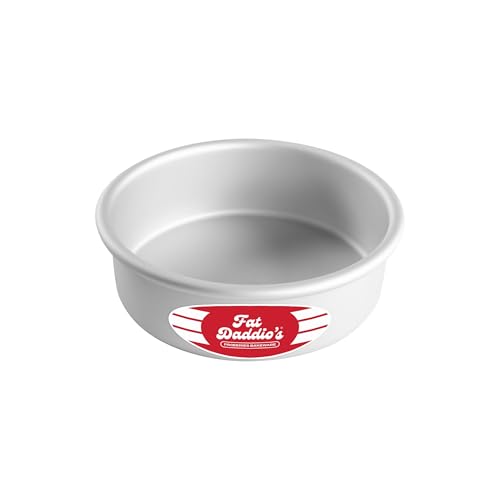


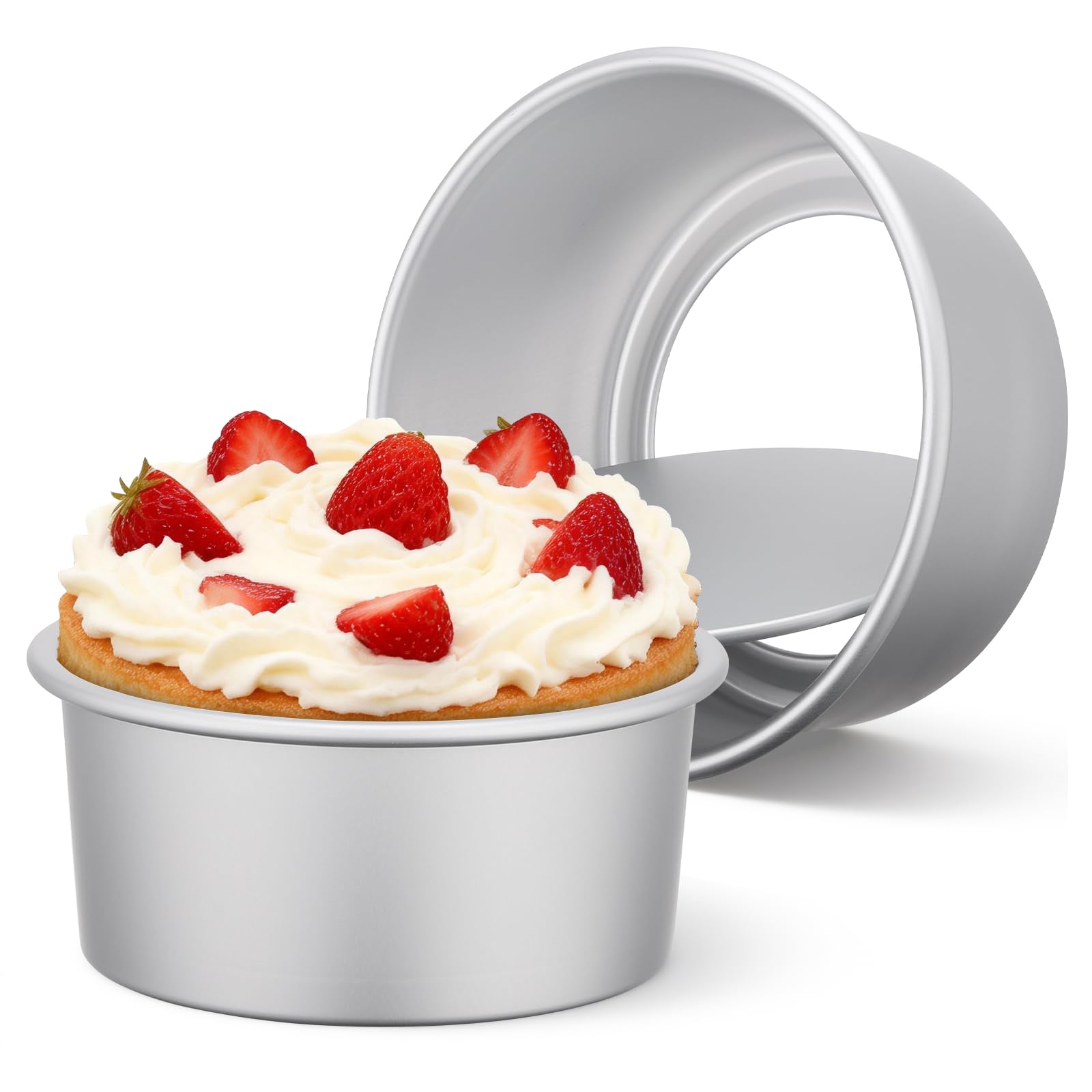
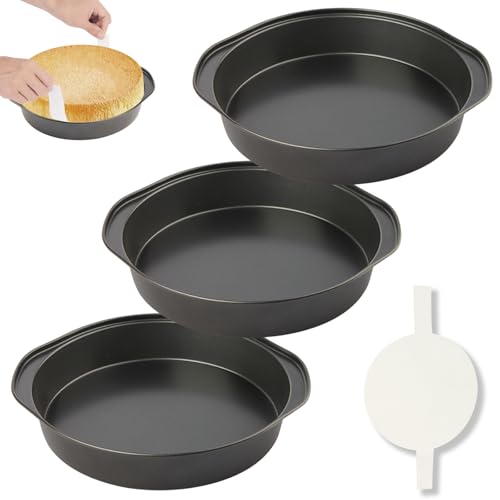

Quick Answer: The Three Styles Worth Shortlisting
Most buyers end up choosing between three styles. A plain aluminum round pan is the everyday workhorse, light in the hand and simple to store in a stack. A nonstick round pan suits bakers who want the easiest release with the least prep. A pan with a removable bottom suits delicate bakes such as cheesecake, where lifting the cake out cleanly matters more than speed.
The right one depends on what you bake most often, how much cupboard room you can give up, and how you feel about hand washing. The sections below walk through each deciding factor.
Before You Buy: A Quick Checklist for Choosing a Cake Pan
Size: Match It to Your Space
A 6 inch round pan holds about 4 cups of batter and gives you layers that serve roughly 4 to 6 people, which suits couples, small families, and bakers trying a new recipe. It also fits where larger pans cannot, including toaster ovens, compact ovens, and many countertop air fryers, so measure your oven cavity before ordering. If you regularly bake for a crowd, a larger pan will serve you better, and our guide to the best 8 inch cake pan covers that middle ground. Bakers who need classic celebration layers for bigger gatherings should look at the best 9 inch cake pan instead.
Which Type Fits Your Routine
Round pans are the default for layer cakes, and straight sides give you tidy edges that stack and frost neatly, while sloped sides make layers lean. Aluminum is the classic material because it heats evenly and stays light, and anodized aluminum adds a harder surface that resists scratching and reacts less with acidic batters. Nonstick pans release cakes with little effort but ask for gentler handling. A springform style, with a clasp and a removable base, is built for cheesecake and crumb crusts, though the seal can leak thin batters.
Features Worth Paying For, and Ones to Skip
Depth matters more than most extras. A pan 2 inches deep handles standard layers well, while a 3 inch depth gives tall layers and room for batter that rises high, at the cost of longer bake times and more storage height. A removable bottom is worth it if you bake cheesecake often, and a lid is handy if you transport cakes or store them in the pan overnight. Skip bundled decorator sets unless you know you will use them, since they fill drawers fast. Rolled rims add stiffness and give you a safer grip when you carry a hot pan with oven mitts.
Light vs Dark Finish and Browning
Finish changes how your cake browns. Light colored metal reflects some heat, so crusts stay paler and bake more gently, which helps delicate sponge and vanilla layers keep a soft edge. Dark finishes absorb more heat, so bottoms and edges brown faster and can dry out or overbrown before the center sets. If a dark pan is what you own or prefer, reduce the oven temperature by about 25 degrees Fahrenheit and start checking for doneness a few minutes early.
Oven Safe Temperature
Check the rated oven temperature before you buy, because limits vary by material and coating. Plain and anodized aluminum pans commonly handle about 450 degrees Fahrenheit or more, which covers every cake recipe you are likely to bake. Many nonstick coatings are rated lower, and broiler use is usually off limits for coated pans. Silicone parts, plastic handles, and springform clasps can lower the limit further. If you plan to use the pan for roasting small dishes as a side role, match the rating to that hotter job too.
Nonstick Coating vs Uncoated Metal
An uncoated pan needs greasing and a parchment round, but it rewards you with a surface that tolerates metal utensils and lasts for many years without peeling. A coated pan releases cakes with a light swipe of fat, yet the coating wears with time and eventually needs replacing, which adds to the cost of ownership. If avoiding coatings altogether is a priority for your kitchen, our guide to the best non toxic cake pan explains the material options in depth. Either way, release starts with prep, and our steps for how to grease a cake pan show the method that prevents sticking on any surface.
Realistic Budget Ranges
Spending under $15 usually buys a single uncoated aluminum pan or a basic coated pan, and these bake perfectly good cakes for occasional use. The range of about $15 to $25 is where heavier gauge metal, deeper pans, and pairs sold as a set tend to sit, and most home bakers should target it for a pan used weekly. Spending about $25 to $50 covers premium weight pans, springform styles, and sets with lids. Paying more should buy thicker metal and better construction, not decoration, so judge by gauge, finish, and warranty.
Cake Pan Types Compared: Which Style Fits Your Home
Think of the three main styles as answers to three different routines. The plain aluminum pan is for the regular baker who makes layer cakes month after month and wants even browning, low weight, and a pan that can be scrubbed without worry. It asks for proper greasing, but in return it can serve for a decade or more.
The nonstick pan is for the baker who values easy release and quick cleanup over maximum lifespan. Cakes slide out with clean edges, which helps when you frost for guests and want sharp lines. The trade off is a finite coating life, so budget for replacement every few years with steady use, and keep wooden or silicone tools in the drawer beside it.
The removable bottom style is for the baker whose rotation leans toward cheesecake, tortes, and crumb crust desserts. Being able to lift the cake free without flipping protects delicate tops and fillings. The trade off is a seam that can leak runny batter and a base that needs careful drying so rust does not start along the rim.
How to Judge Quality Before You Buy
Since you cannot bake in a pan before buying, judge by signals you can verify. Weight in the hand hints at gauge, and thicker metal resists warping and spreads heat more evenly. Check specifications for dimensions that include depth, and treat diameter claims with care, because some brands measure the top rim rather than the base.
Buyer reviews add a second lens when you read them for patterns rather than star averages. Repeated notes about warping in the oven, coating that flakes within a year, or cakes that brown unevenly tell you more than a single glowing comment. Warranty length is another honest signal, since makers back durable pans for longer.
Is a 6 Inch Cake Pan the Right Size for You?
The best 6 inch cake pan shines when the cake is the treat rather than the centerpiece of a large party. A two layer 6 inch cake gives modest slices for about 4 to 6 people, which means less leftover cake going stale in the fridge. It is also the standard size for smash cakes, for small wedding cake top tiers, and for splitting one batch of batter between two flavors. Halving a recipe written for 8 or 9 inch pans fills two 6 inch pans nicely, which makes it a forgiving size for scaling down.
It is the wrong size when you feed a crowd weekly, when your recipe collection is built around sheet cakes, or when you already own a larger pan you use happily. For a full overview of every size and shape before you commit, see our guide to the best cake pan options for home kitchens.
Common Buying Mistakes to Avoid
- Buying the size before measuring your oven, then finding the pan and its handles crowd a compact oven or toaster oven rack.
- Choosing a dark coated pan for pale sponge cakes, then wondering why the edges overbrown while the center is still soft.
- Paying for a large bundle of shapes you never bake, which eats cupboard space that a single good round pan would have spared.
- Ignoring pan depth, so a shallow pan overflows with a tall batter while a very deep pan leaves standard layers underbaked in the middle.
- Forgetting replacement cost, since a cheap coated pan replaced every two years can cost more over time than one sturdy uncoated pan.
Cost of Ownership and Care
Ownership cost is mostly about lifespan and a few small consumables. Parchment rounds, pan spray or butter for greasing, and the occasional replacement of a worn coated pan are the real expenses. Uncoated aluminum asks the least over time, because it tolerates scrubbing and never needs its surface renewed.
Daily care is simple. Wash by hand in warm soapy water when you can, dry the pan fully before stacking it away, and avoid stacking heavy items inside it that can dent the base. For stuck spots, baked on sugar, and safe methods for every finish, follow our guide on how to clean a cake pan. Store pans nested with a cloth or paper layer between them so finishes stay smooth.
Your Questions, Answered
How much batter does a 6 inch cake pan hold?
A 6 inch round pan that is 2 inches deep holds about 4 cups of batter, and you should fill it only about two thirds full so the layer has room to rise without spilling. A deeper 3 inch pan holds roughly 6 cups. When you scale a recipe down, weigh the batter if you can, because even filling between two pans is what gives you layers of matching height that stack level.
Can a 6 inch cake pan go in an air fryer or toaster oven?
Often yes, and this is one reason the size suits small kitchens. Measure the interior of the appliance and leave at least an inch of space around the pan so hot air can circulate and the cake browns evenly. Reduce the temperature slightly compared with a full size oven, because compact appliances tend to run hot near the element.
How long does a cake pan last?
An uncoated aluminum pan can last for decades if it is not badly dented, because there is no surface to wear away. A coated pan typically gives several years of good release before the finish thins and cakes begin to cling, even with careful handling. Treat a warped base, deep dents, or flaking coating as your replacement signals, since those faults affect every bake that follows.
Is a small cake pan worth buying if I already own a 9 inch pan?
It is worth it if you often bake for two to six people, try new recipes, or make small celebration cakes, because the larger pan cannot shrink a recipe without thin, dry layers. It is not worth it if every bake you make feeds a crowd. One practical middle path is buying a single 6 inch pan rather than a pair, and baking layers one at a time while the first cools.
Do I need two 6 inch pans for a layer cake?
Two pans make the job smoother, since both layers bake at the same time and come out with matching color and height. With one pan you can bake in sequence, but the second half of the batter waits with its leavening already active, which can give a slightly lower rise.
Final Thoughts
Choosing the best 6 inch cake pan comes down to three honest questions. What do you bake most, how much storage can you spare, and how long do you want the pan to serve before replacement? Plain aluminum suits steady layer cake bakers, nonstick suits bakers who prize easy release, and a removable bottom suits cheesecake fans. Use the product table above to compare the styles side by side, match depth and finish to your recipes, and your small cakes will come out even, clean, and sized right for your table.


