
Best 4K Resolution Monitors for 2026: Matching the Right Model to Your Routine
Disclosure: We may earn a commission when you buy through links on this page, at no extra cost to you. As an Amazon Associate I earn from qualifying purchases. Learn more

Match panel, size and ports to how you work or play to find the best 4k resolution monitors for your desk.
No single 4K monitor suits every desk, because your work, games and room light change what matters most. The best 4k resolution monitors for a video editor can waste money for a student, while a fine office screen can disappoint a console player. Use the comparison table below to match size, panel and ports to your routine first.
Start by naming your main use and your secondary use. A screen you read on all day needs comfortable text and a stand that lifts the panel to eye level. A screen for evening play needs speed and strong contrast.

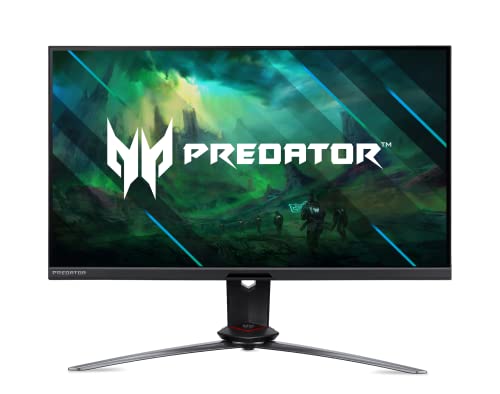
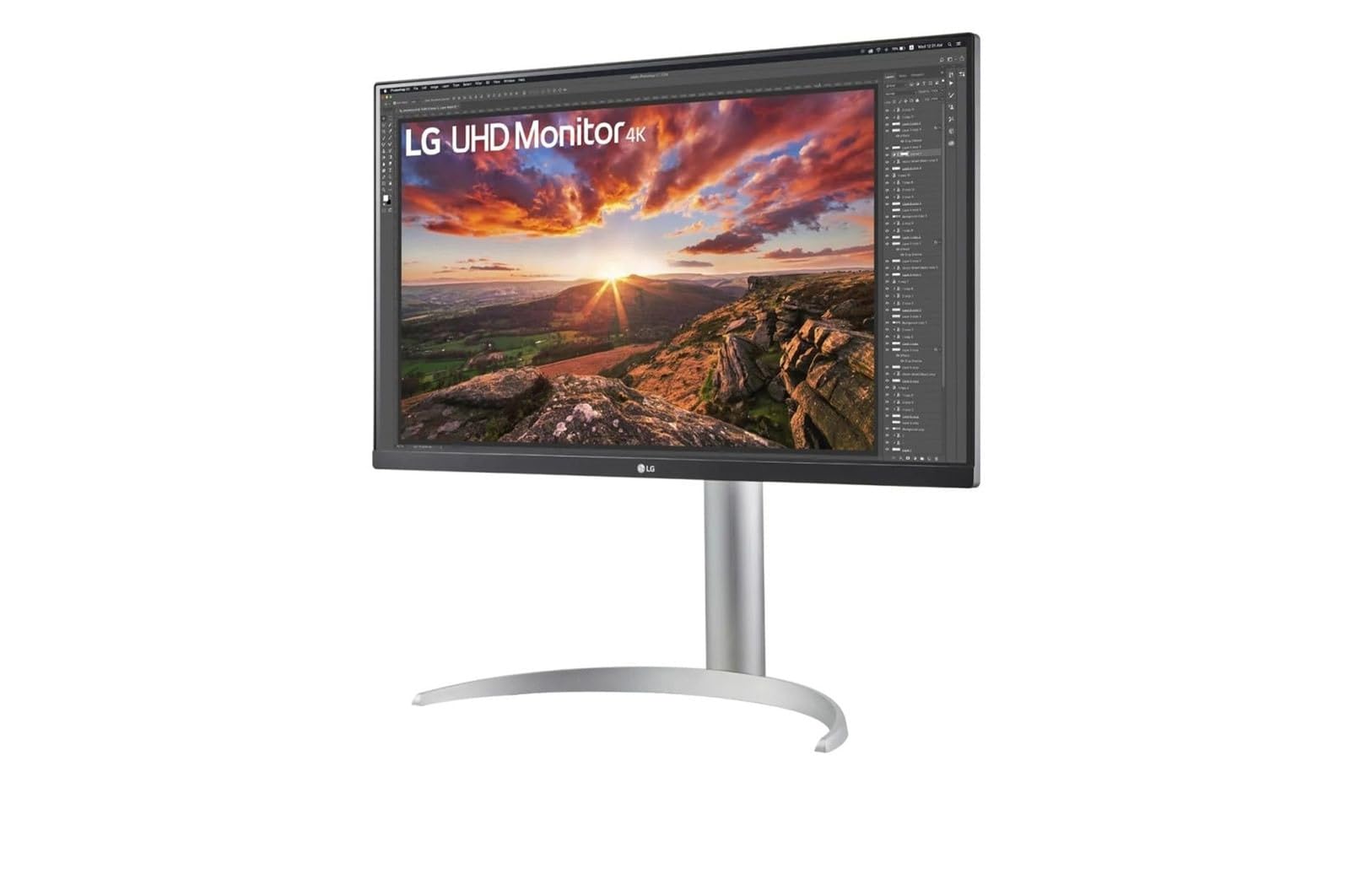
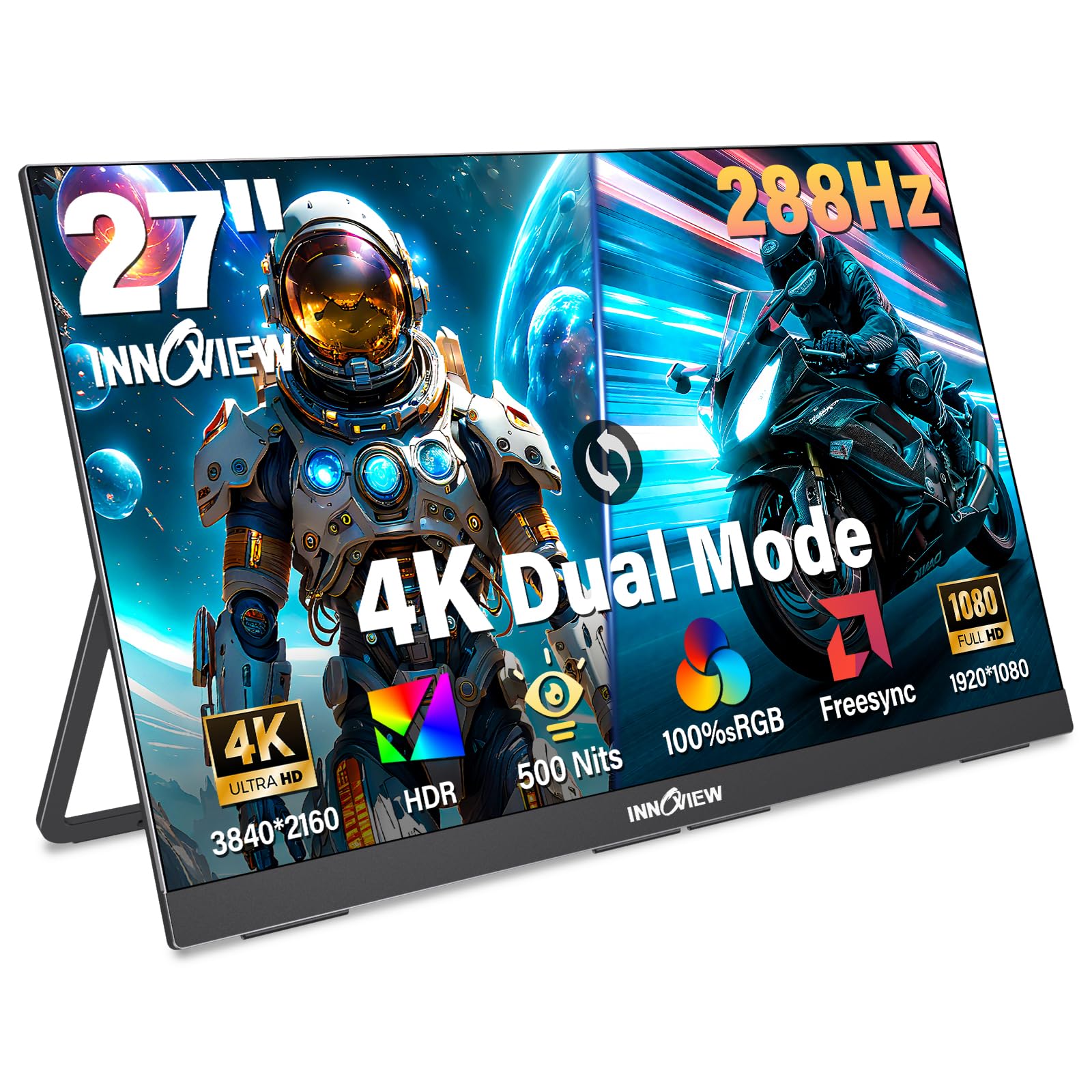
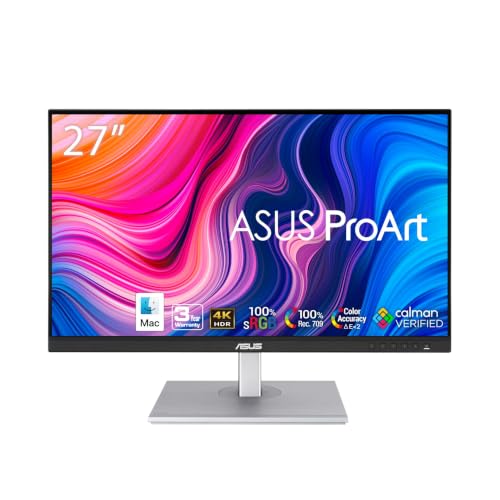
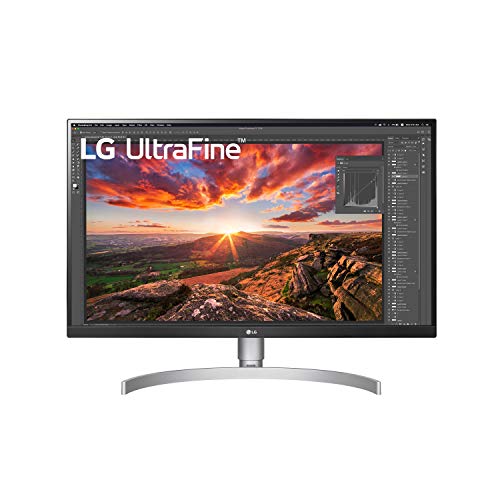
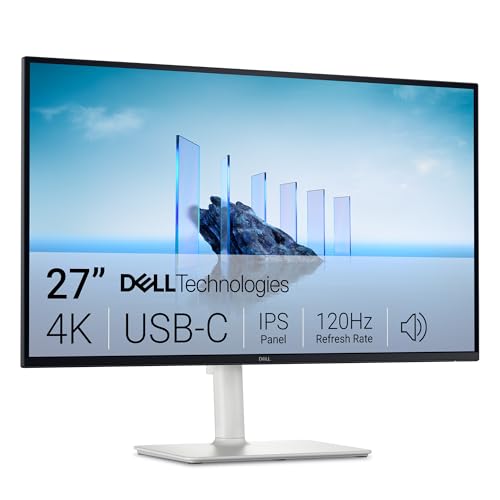
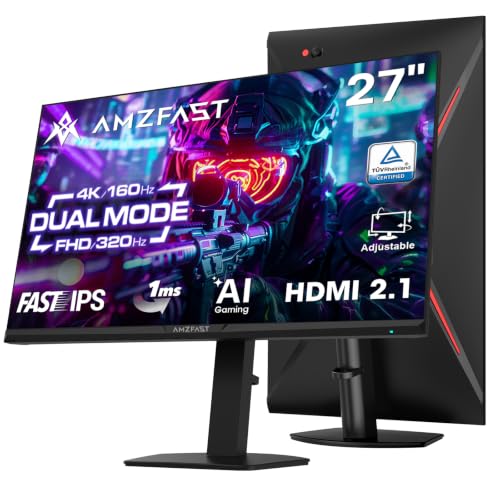
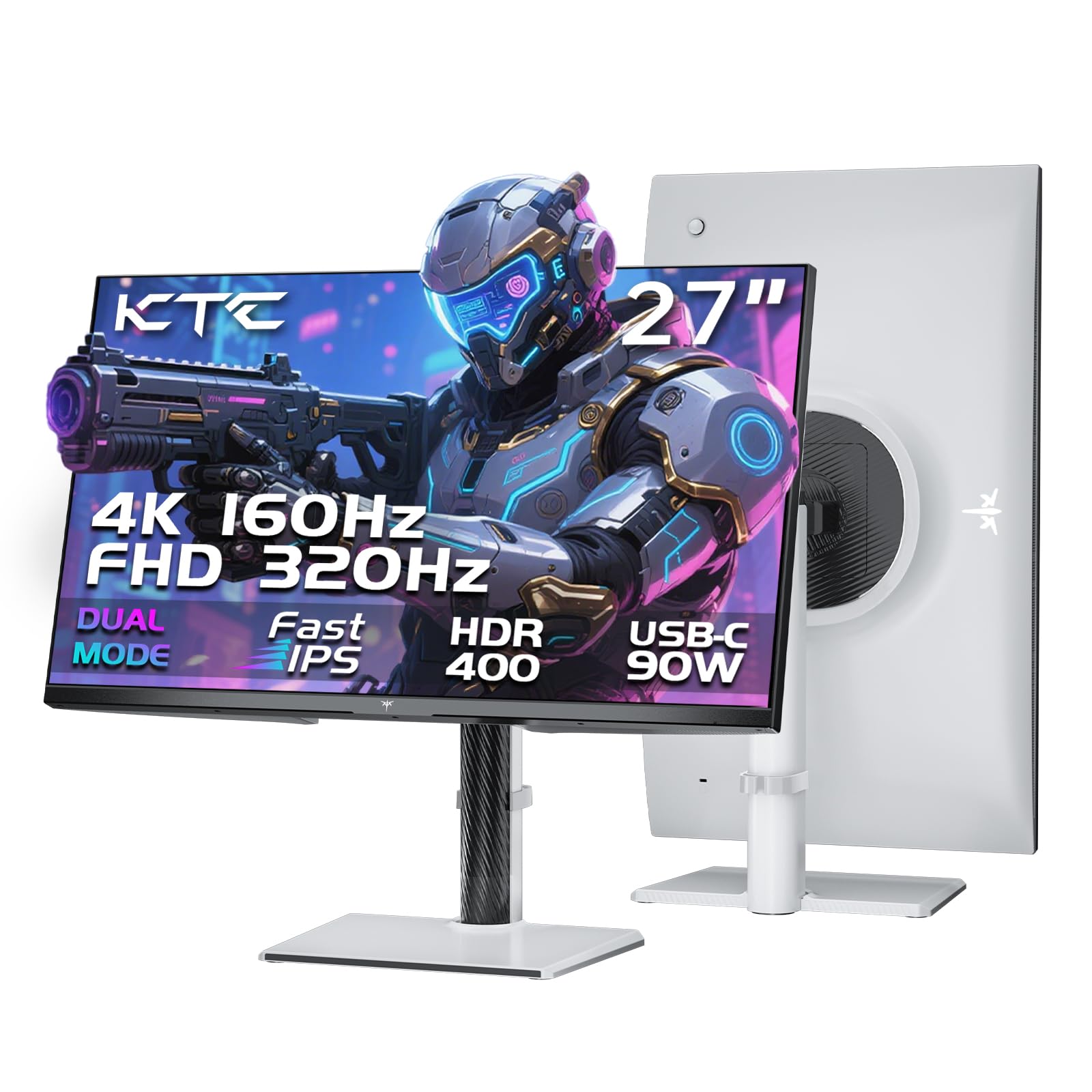
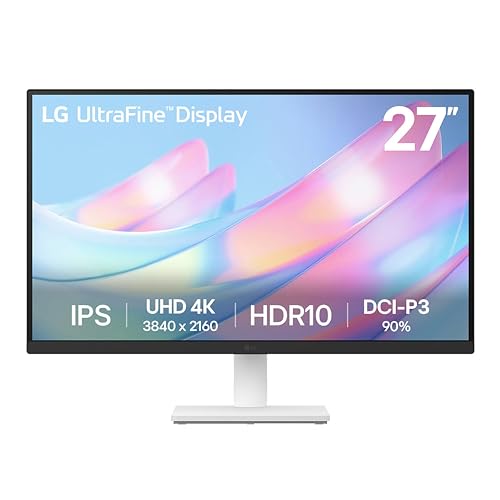
Who Should Buy Which 4K Resolution Monitors?
Your routine decides where the money should go. Two buyers can choose opposite panels and both be right, because one values motion clarity and the other values calm, accurate color.
For Fast Play and Heavy Multitasking
You play fast games and may also edit clips or stream. Prioritize a refresh rate of 120 Hz or higher, low response time and adaptive sync that matches your graphics card or console. HDMI 2.1 matters for consoles that send 4K at high frame rates. For deeper tuning advice, see our guide to the best 4k monitors gaming.
For Small Desks and Laptop Users
You work in a dorm, a shared room or a corner desk and move the screen more than most owners. Choose a 27 inch model with a compact stand base and one USB C cable that carries picture, data and laptop charging. VESA holes help if you later add a small arm to free desk space below the screen.
For Students and Everyday Users
You read, write, attend classes online and watch video on one screen for years. Prioritize sharp text at a comfortable scaling setting, a flicker free backlight and a price of about $250 to $400. For a broader look at desk setups, see our guide to the best 4k pc monitors.
For Home Office Days and Creative Apps
You spend hours in documents, calls and creative apps, and color errors cost you rework. Prioritize a wide color gamut, a matte coating for bright rooms and USB C with power delivery so your laptop charges through one cable. A height adjustable stand and a built in USB hub keep your desk calm.
Key Features to Compare
When you compare best 4k resolution monitors on a spec sheet, the same words can hide very different screens. Work through the factors below in order.
Panel Types and What Each Does to Color and Contrast
Panel type sets contrast, color and viewing angle before any other setting can help. IPS gives stable color when you lean or share the screen, and it suits office and photo work. VA gives deeper blacks for films in a dim room, but some models smear dark motion. OLED gives near perfect contrast and fast response, with a risk of burn in from fixed toolbars left at high brightness for years. Mini LED backlights on IPS or VA panels raise brightness and local dimming control, at a higher price.
Refresh, Response and Sync for Smooth Motion
Refresh rate counts how often the picture updates each second, shown in hertz. A 60 Hz screen suits documents and video, while 120 Hz or 144 Hz makes scrolling, pointer movement and games feel smoother. Response time describes how fast pixels change, and slow changes blur motion. Adaptive sync lets the screen match the frame rate of your source and cuts tearing during play.
Color Accuracy and Gamut for Creative Work
Color accuracy decides if photos, video and design work look right on screen and on other screens later. Look for coverage near 100 percent of the sRGB space for web work, and wide DCI P3 coverage for video and modern photo editing. A factory report with low Delta E values suggests careful tuning, but your room light still matters.
Ports for PCs, Consoles and One Cable Laptops
Ports decide how many cables and adapters your desk needs. DisplayPort suits most desktop PCs, HDMI 2.1 suits current consoles and PCs that send 4K at 120 Hz, and USB C can carry picture plus laptop charging in one lead. Check the watt rating on USB C, because some ports give only about 15 watts and cannot charge a larger laptop.
HDR That Needs Real Brightness Behind It
HDR expands the gap between bright highlights and dark detail, but the label alone tells you little. A panel needs real brightness, often about 600 nits or more, plus local dimming to show that gap in one scene. On a dim screen with no local dimming, HDR video can look flat or washed out.
Stands, VESA Patterns and Eye Level Setup
A good stand lifts the screen so the top third sits near eye level and tilts to cut glare. Height, tilt and swivel adjustment help most single desk setups, and pivot helps readers who view tall documents. If the included stand is fixed, check for a 100 by 100 mm VESA pattern so you can add an arm or wall mount later.
Choosing the Right Screen Size and Scaling for Your Desk
At 27 inches, 4K gives very fine text and suits a viewing distance of about 24 to 32 inches. At 32 inches, the same pixel count feels more immersive for games and gives larger text at the same scaling, which suits a deeper desk. Screens of 42 inches and above belong on a very deep desk.
Scaling is the setting that makes text and icons larger without lowering resolution. Windows users often pick 125 to 150 percent at 27 inches, while Mac users should check how a given screen renders text at their preferred setting. If you are still weighing pixel counts, see our guide to the best resolution for monitors. Mac shoppers can also see our guide to the best 4k monitors for mac for scaling notes tied to that system.
Common Mistakes to Avoid When Buying 4K Resolution Monitors
Most returns and regrets trace back to a short list of checks that take only minutes before you order.
- Buying a 32 inch screen for a shallow desk puts the panel too close and leaves you turning your head to read the corners all day.
- Ignoring port versions leaves a console or PC capped at 60 Hz over HDMI, even though the screen itself can run faster.
- Trusting an HDR label on a dim panel without local dimming gives flat highlights and washed out dark scenes in films.
- Skipping stand adjustment or VESA holes locks the screen at the wrong height and leads to neck strain during long sessions.
- Paying for a 144 Hz gaming panel for documents alone wastes money that would serve you better in color quality or a larger size.
Screen Care, Pixel Refresh and Dust Control
Set the picture mode to a standard or sRGB option and lower brightness until white areas feel calm in your room light. On an OLED screen, run the built in pixel refresh when the monitor prompts you and let the panel rest after long static sessions.
Clean the screen only with a dry or lightly damp microfiber cloth and no household sprays, because coatings can mark or cloud. Dust the vents with a soft brush so heat can leave the case.
4K Resolution Monitors: Your Questions Answered
Is 4K resolution worth it on a desktop monitor?
Yes, 4K resolution is worth it on a desktop monitor if you sit at a normal desk distance and work with text, photos or detailed games. The gain is clearest when you place windows side by side and read small type for hours. One point buyers miss is source quality, because low resolution video streams still look soft on a sharp screen even when your documents look crisp.
How long do 4K resolution monitors usually last?
Most 4K resolution monitors last about five to eight years of daily use before brightness or uniformity fades enough to notice. Backlights dim slowly rather than failing at once, so a screen can remain usable for lighter tasks after it leaves a color critical desk. Keep the original box if you can, because safe transport during a move protects a panel more than any setting does.
For a 4K resolution monitor, is IPS or OLED better?
Neither panel wins for every buyer, because the better choice depends on room light and content. IPS suits bright rooms and long hours of static text, while OLED suits dim rooms and films or games with frequent motion. Watch for text fringing on some OLED layouts if you read spreadsheets all day, because the subpixel pattern can soften fine letter edges on close inspection.
What size 4K resolution monitor fits a typical desk best?
A 27 inch or 32 inch 4K resolution monitor fits most desks best, with the choice set by desk depth. A shallow desk of about 24 inches suits 27 inches, while a deeper desk gives 32 inches room to breathe. Before you order, tape the panel size on the wall behind your desk, because tape reveals sight line problems that numbers on a listing hide.
Does refresh rate matter on a 4K monitor for office work?
Refresh rate matters a little for office work on a 4K monitor, but it rarely justifies a large price jump. A higher rate makes pointer movement and scrolling through long documents feel calmer and can reduce eye fatigue for some readers. It does not make text sharper, so office buyers should fund panel quality and stand adjustment first and treat extra hertz as a comfort bonus.
The Bottom Line
Match panel, size and ports to the routine you repeat most, and let price come last. Gamers need speed, creators need color, and readers need comfortable scaling and height. Use the product table above to confirm those three points side by side. When you choose best 4k resolution monitors by use rather than by headline specs, you get a screen that still feels right years later.


