
Best 4K Monitors for Productivity at Every Price in 2026: What Your Money Really Gets You
Disclosure: We may earn a commission when you buy through links on this page, at no extra cost to you. As an Amazon Associate I earn from qualifying purchases. Learn more
Compare 4K monitors for productivity by price, with guidance on panel type, USB C power, screen size and setup so you spend where it helps daily work.
Prices for 4K monitors run from about $250 to well over $1,000. The best 4k monitors for productivity spend your money on clear text, comfortable scaling, strong connectivity and a stand that fits your desk. This guide shows what each price tier really adds, so you can use the product table below with a clear budget in mind.
Start with the work you repeat each day. Long documents, large spreadsheets, design files and many open windows place different demands on size, color and ports. The sections below match those needs to a tier first, then to the features worth paying for.

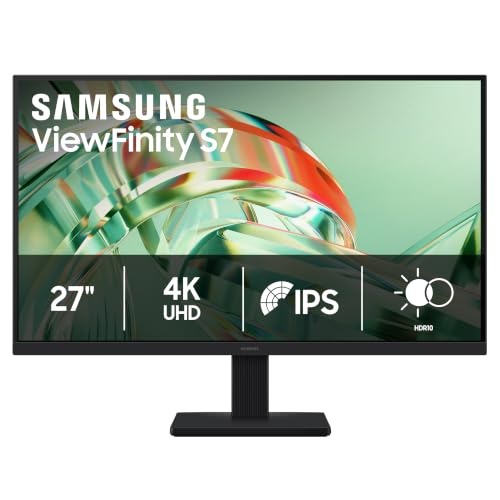

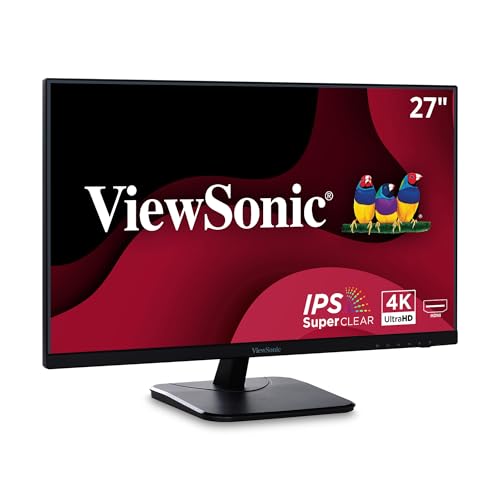

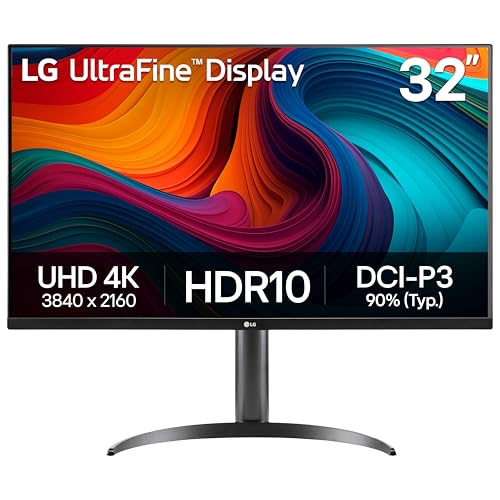
Who Should Buy a 4K Productivity Monitor?
Choose by your main task, not by the largest screen you can afford. A basic panel can slow spreadsheet work, while a design grade panel can be wasted on email.
Document and Spreadsheet Workers
You read text for hours and keep several windows open at once. A 27 inch or 32 inch 4K panel gives crisp letters and room for two documents side by side. Prioritize a matte finish, steady brightness and a stand that lifts the screen near eye level.
Photo, Video and Design Workers
You judge color as part of the job, so panel quality should come before extra size. Look for wide color coverage, even brightness and a calibration report in the box. A 27 inch model suits a normal desk depth, while a 32 inch model helps with timelines and tool panels.
Laptop Users Who Want One Desk Cable
You carry a laptop between rooms or sites and want the desk to work the moment you sit down. Choose USB C input, power delivery strong enough for your laptop and extra USB ports for a keyboard and drive. One cable then carries picture, power and accessories together.
What Each Budget Buys for Office and Study Desks
When you compare best 4k monitors for productivity by price, the pattern is steady. Lower tiers buy the resolution itself, middle tiers buy better color and connectivity, and upper tiers buy larger size and advanced panels.
Budget Tier: Core Sharpness for Everyday Tasks
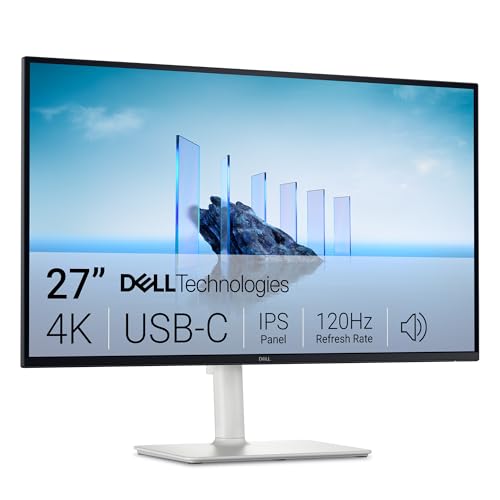
Models at about $250 to $400 give you a 27 inch IPS or VA panel, basic HDMI and DisplayPort inputs and a simple tilt stand. Text looks far sharper than on a 1080p screen of the same size. Expect few USB ports, modest brightness and no USB C power. This tier suits a second screen or a first 4K upgrade.
Midrange Tier: Better Color and Stronger Connectivity
Models at about $400 to $700 usually add USB C with power delivery, more USB ports, wider color coverage and a stand with height and pivot control. If you work mainly with text, see our guide to the best monitors for productivity to judge when a lower resolution could still meet your needs.
Premium Tier: Larger Panels and Advanced Color Work
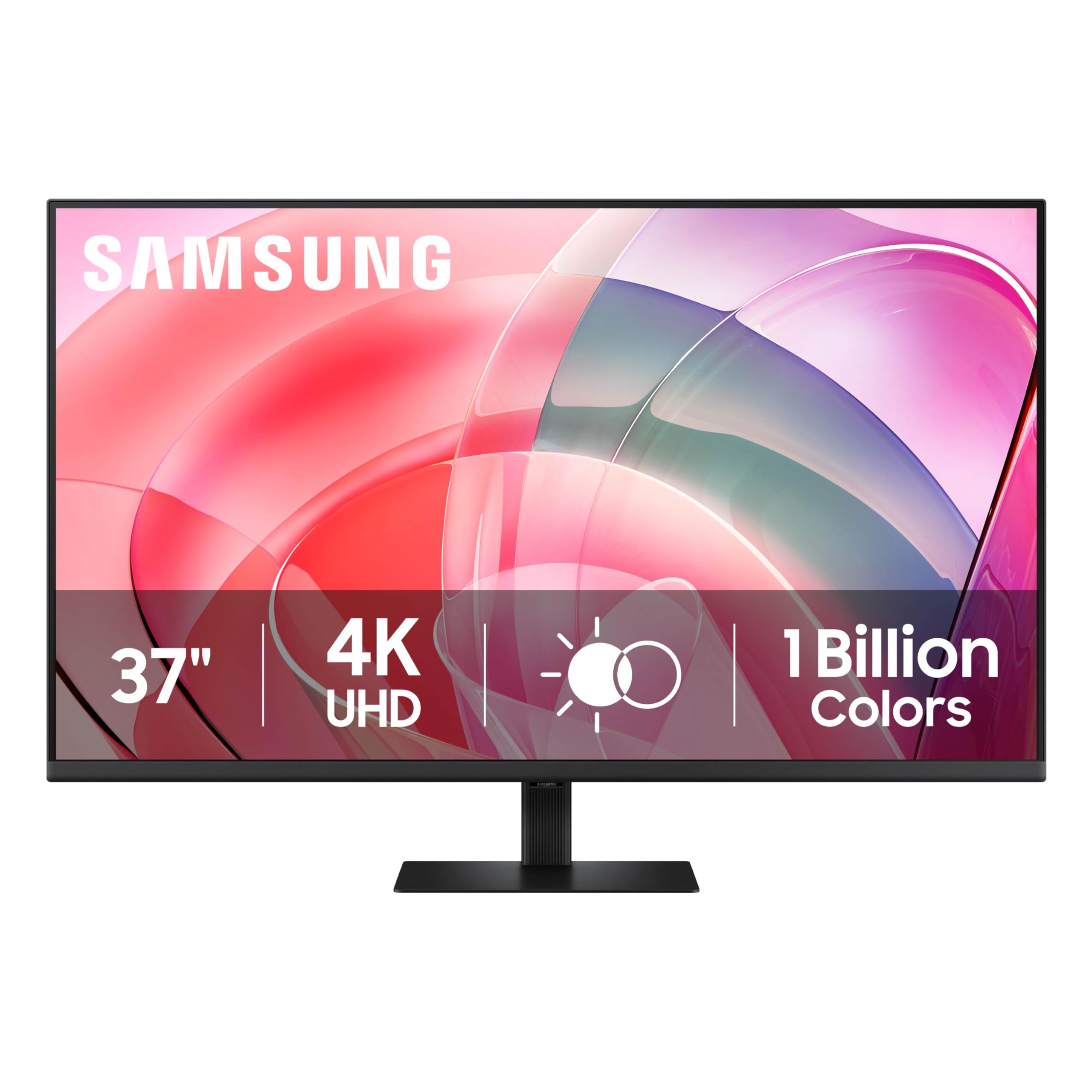
Models at about $700 to $1,200 and above bring 32 inch and larger screens, OLED or advanced IPS panels, higher brightness and a built in KVM switch. These gains help color critical work, large data views and desks shared by two computers. Pay this much only when size, color or dual computer control solves a real daily problem.
Key Features to Compare
Compare these factors in the same order for every model, so a large screen cannot hide weak ergonomics or missing ports.
Screen Size, Pixel Density and Scaling
A 4K screen holds 3840 by 2160 pixels, and how sharp that looks depends on size. At 27 inches, most people use scaling of about 125 to 150 percent to make words readable while keeping extra space. At 32 inches, scaling of about 100 to 125 percent often feels natural. Sit about 24 to 32 inches away, and choose size by desk depth.
Panel Technology: IPS, VA and OLED for Office Work
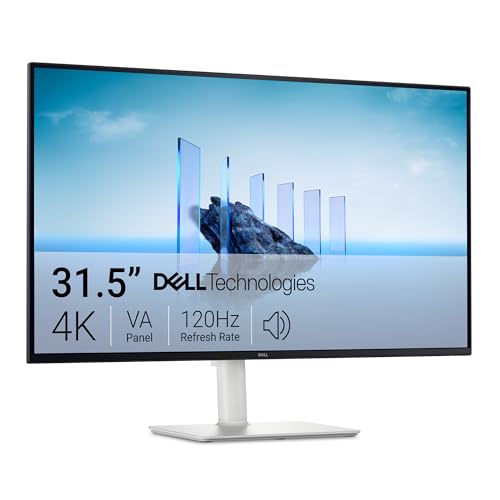
IPS panels give wide viewing angles and steady color, which suits shared viewing and design tasks. VA panels give deeper contrast, but color can shift when you view from the side. OLED displays give the strongest contrast and fast response time, yet static toolbars raise a burn in concern over years of use. For most desks, IPS remains the balanced choice.
USB C, HDMI 2.1, DisplayPort and Hub Ports
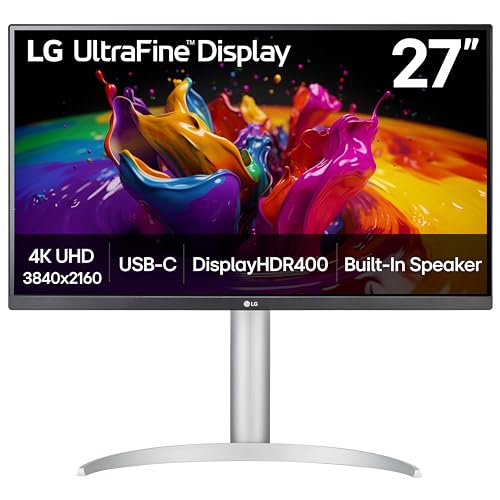
Ports decide how clean your desk setup feels. USB C with power delivery lets one cable run the picture and charge a laptop, and built in USB ports turn the monitor into a small hub. HDMI 2.1 and DisplayPort both carry a full 4K signal. Mac users should check scaling and port support in our guide to the best 4k monitors for mac before choosing.
Ergonomics, VESA Mounts and Desk Fit
A stand with height, tilt, swivel and pivot control lets you place the screen so your neck stays neutral through long sessions. If the stand is basic, a VESA mount pattern of 100 by 100 mm lets you add a separate arm and free desk space. Measure desk depth too, since large stands can push the screen too close.
Color Coverage, Brightness and Text Clarity
For office work, even brightness and a matte surface matter every hour, while wide color coverage matters mainly for photo and design tasks. Look for brightness of about 300 to 400 nits in a bright room. Adaptive sync can smooth scrolling, and a refresh rate of 120 Hz feels smoother than 60 Hz, but panel quality changes daily work far more than either feature.
Setup Checks and Long Term Costs for a 4K Desk
Before you order, confirm that your computer can output 4K at 60 Hz or higher through the port you plan to use, because older laptops may limit resolution or refresh rate. Desktop owners can compare port needs in our guide to the best 4k pc monitors for tower based setups. Then set scaling in your system display settings and test your main programs.
Factor in costs beyond the screen. A monitor arm, a longer USB C cable and a calibration tool can add about $50 to $200 over time. A longer warranty protects you against dead pixels and backlight faults, which is worth more than a small saving at checkout.
Common Mistakes to Avoid
- Buying a 32 inch screen for a shallow desk forces constant head movement all day.
- Running a 27 inch 4K monitor with no scaling makes text tiny and leads to eye fatigue.
- Choosing USB C without checking wattage leaves a larger laptop charging slowly or not at all.
- Paying for a high refresh rate while ignoring stand height leaves daily neck strain unchanged.
- Placing a glossy screen opposite a window fills the display with reflections during bright hours.
- Ignoring the VESA pattern means a planned arm may not fit your screen.
Care and Maintenance for 4K Monitors
Clean the screen only when it is off and cool, using a dry microfiber cloth and light pressure. For marks, dampen the cloth with plain water and never spray liquid onto the panel. Wipe the stand monthly, since dust near vents can hold heat inside the case.
Use a screen saver or sleep timer when you step away, which matters most for OLED models with static toolbars. Check cables for strain at the connectors, and update firmware only from the maker support page. Keep brightness at a comfortable level, since steady maximum brightness ages the backlight faster.
FAQ
What features matter most in a 4K monitor for productivity?
Text clarity, comfortable scaling and USB C power matter most in a 4K monitor for productivity. A practical extra check is the on screen menu, since clear controls make it faster to switch inputs between two computers. If you share the desk, save a second brightness preset for evening use.
What size 4K monitor should I choose for my desk?
Choose 27 inches for a desk depth of about 24 inches and 32 inches when you can sit farther back. A useful test is to place a large book where the screen will stand and judge whether the far corners stay in easy view. Corner distance predicts comfort better than diagonal size alone.
Does refresh rate matter for 4K productivity work if I do not play games?
Refresh rate matters only a little for 4K productivity work if you do not play games. Documents look steady at 60 Hz, and a move to 120 Hz mainly makes scrolling and cursor movement feel smoother. Spend first on size, panel quality and ports, and treat a higher refresh rate as a comfort extra.
Is a 4K monitor worth it for office and study work?
Yes, a 4K monitor is worth it for office and study work when you read fine text or compare documents side by side for long periods. The gain shrinks on a small screen used for short tasks, where a good 1440p model can cost less. Your viewing distance and scaling setting decide how much extra sharpness you actually see.
How long does a 4K productivity monitor usually last?
A 4K productivity monitor usually lasts about five to eight years with daily office use. Backlight brightness fades slowly over that span, so a panel that starts bright gives you more usable years. Keep the purchase record with the warranty terms, since a late claim often needs proof of the purchase date.
Is IPS or OLED better for a 4K productivity monitor?
IPS is better for most 4K productivity monitors because it handles static screens well and costs less at office sizes. OLED gives deeper contrast and suits a desk that mixes design review with video work. If you choose OLED, rotate bright static elements and use the panel care tools in the menu.
The Bottom Line
Pick your tier by task first. Budget models deliver sharp text, midrange models add USB C docking and stand control, and premium models earn their price through larger size and advanced color. Use the product table above to confirm size, ports and stand features.
When your desk, ports and scaling are right, best 4k monitors for productivity choices become simple to compare. Buy the lowest tier that covers your daily tasks well, and keep the rest of your budget for the arm, cables or chair that complete your setup.


