Best 48 Inch Ranges for Every Need in 2026: How to Pick the Right One
Disclosure: We may earn a commission when you buy through links on this page, at no extra cost to you. As an Amazon Associate I earn from qualifying purchases. Learn more
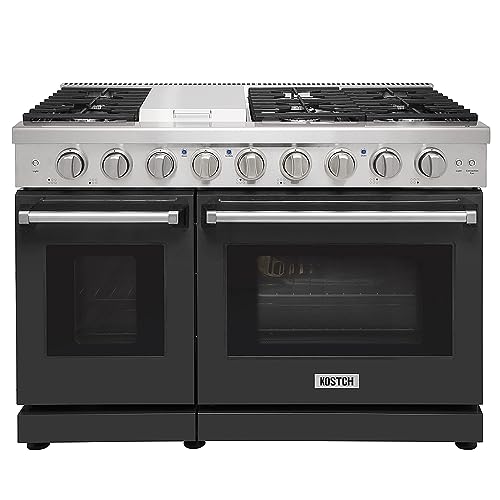
Not all 48 inch ranges fit every routine. See which best 48 inch ranges match how you actually use them, what features to prioritize, and what to skip.
There is no single range that suits every cook. A 48 inch model is a large appliance with two ovens and a wide cooktop, and the right one depends on how you cook. The best 48 inch ranges for you match your fuel supply, your usual meals and your kitchen layout. Use the comparison table below to check each model against those needs.
Start with your routine. If you sear, simmer and bake on the same evening, burner layout and oven space matter most. If you cook simple family meals, easy cleaning and clear controls may matter more. The sections below sort buyers by routine first.


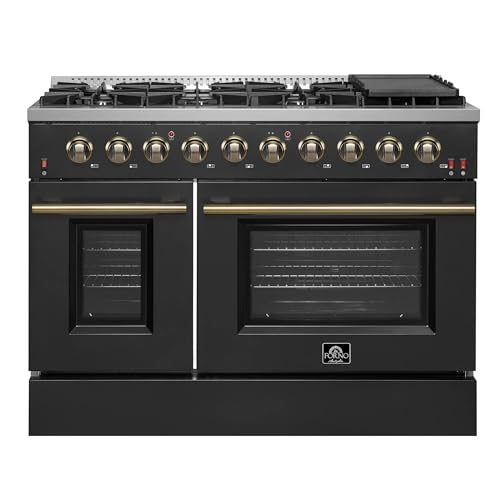
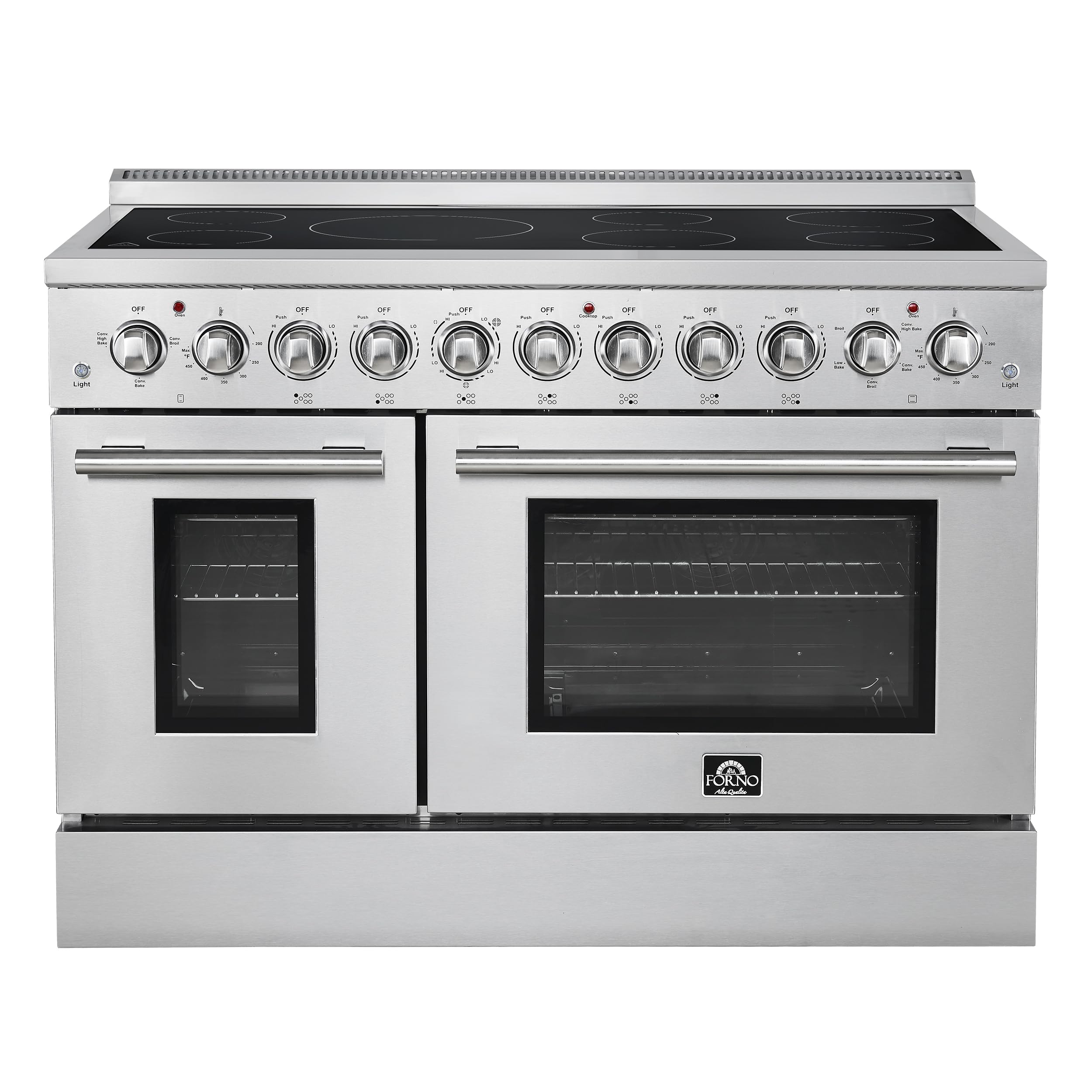
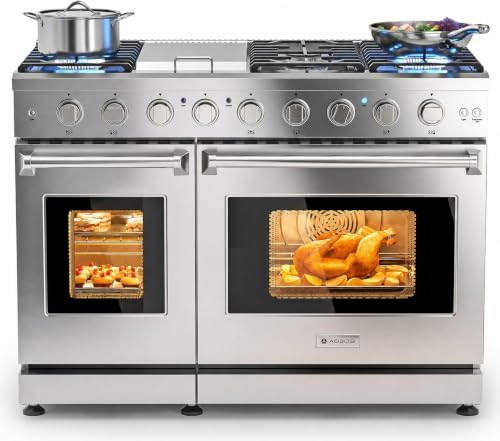
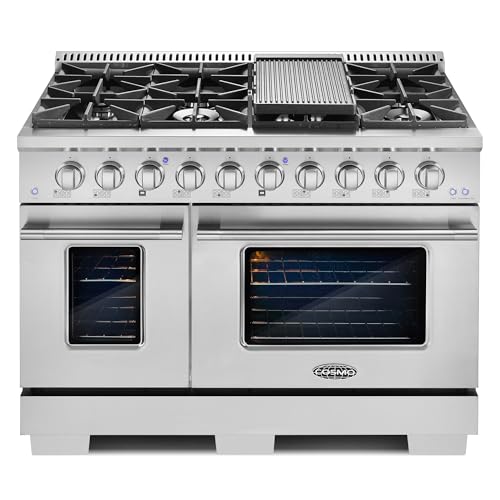
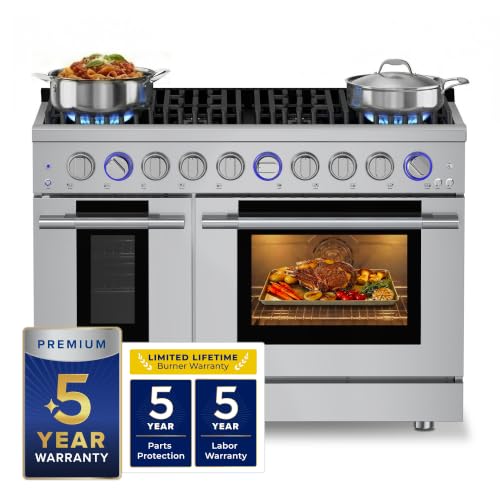
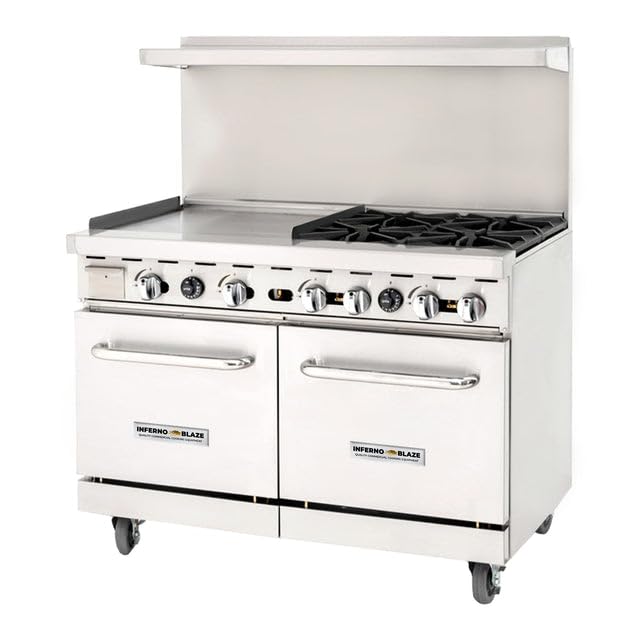
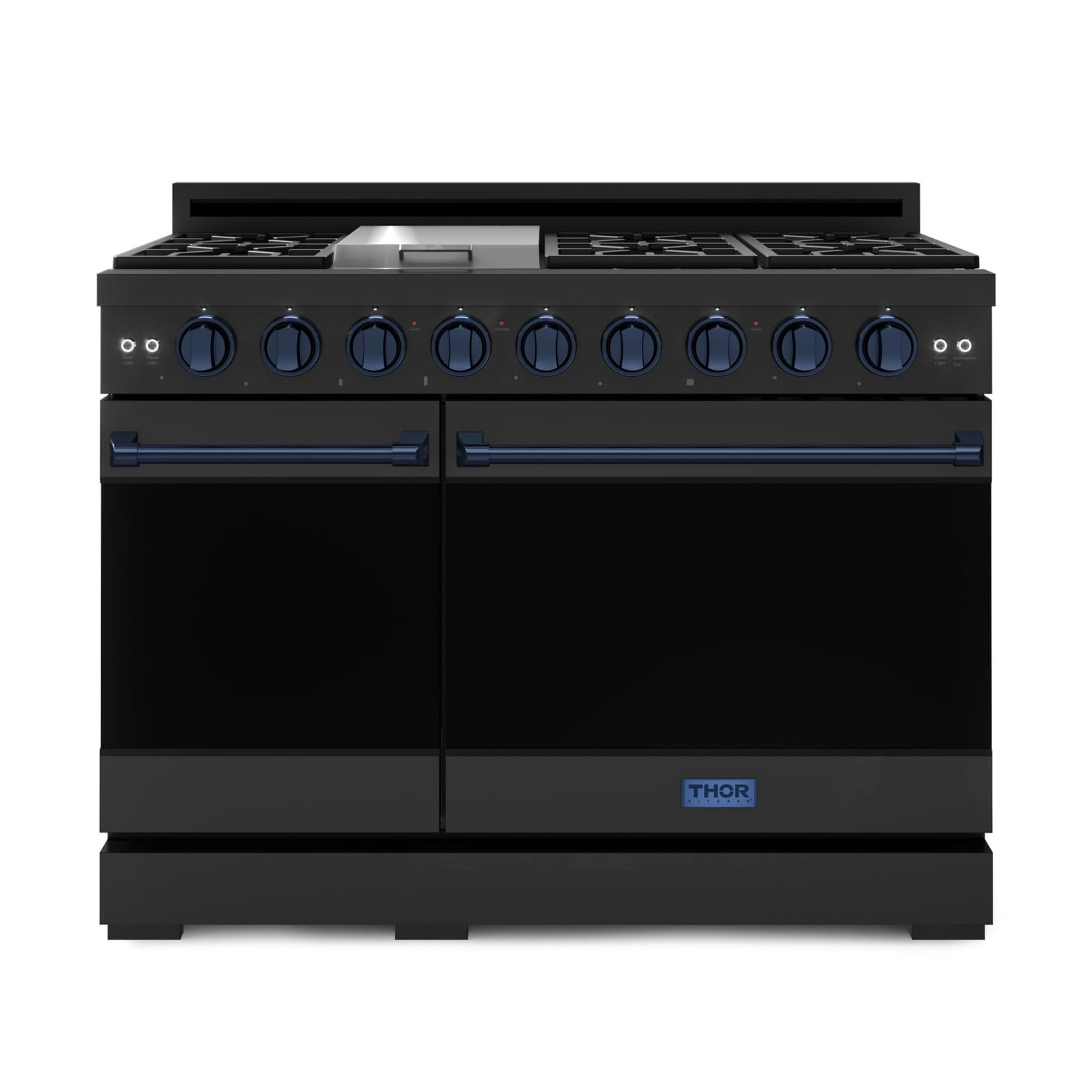
Who Should Buy Which 48 Inch Ranges?
A range this wide only earns its space when your cooking uses the extra burners and oven room. Match your group below first.
Serious Home Cooks Who Run Several Burners at Once
You cook from scratch often, juggle sauces, and care about precise heat control. Put burner range first, from a true low simmer to strong searing power, and choose heavy grates that let you slide pots without lifting. A built in griddle suits you if you cook breakfast foods or flatbreads each week. Durable metal knobs matter too, because you will use every control daily.
Large Households and Hosts Who Cook for a Crowd
You feed six or more people and host holiday meals where every burner and both ovens run at once. Put total oven capacity and cooktop width first, and plan for sheet pans, a stockpot and a roasting pan working together. A second smaller oven helps when a side dish needs a different temperature from the main course. Strong ventilation matters too, since a full cooktop sends out far more heat and steam.
Busy Families Cooking Every Day
You cook most nights but want speed and simple cleanup more than showpiece features. Look for burners that boil water quickly, an oven that preheats without a long wait and surfaces that wipe clean without special products. Clear knob markings help when several people share cooking duties. Skip a built in grill you will rarely use, because a griddle or open burner space serves weekday meals far more often.
Key Features to Compare
When you shop the best 48 inch ranges, compare these factors in order. Fuel and fit come first, because either one can rule a model out.
Fuel Type: Gas, Electric, Induction, or Dual Fuel
Gas gives you a visible flame and instant changes in heat, and it needs a gas line sized for a large appliance. Dual fuel pairs a gas cooktop with an electric oven, which many bakers prefer for steady heat. Full electric ranges are less common at this width, while induction ranges and cooktops heat fast but need a strong electrical supply. Price the utility work with the range, not after it. Readers with a narrower opening can see our guide to the best 30 inch induction ranges.
Burners, Griddle Space and Simmer Control
Most models at this width offer four to six burners, often with a griddle or grill in the center. Power burners commonly reach about 15,000 to 23,000 BTU for searing and fast boils, while a good simmer burner drops low enough to hold a sauce without scorching. Check burner spacing with your widest pans in mind, because crowded burners waste the width you paid for. Choose a griddle only if you use it weekly.
Double Ovens, Capacity and Convection
Two ovens are the main reason many buyers choose this size, with combined capacity often around 6 to 8 cubic feet. The larger oven handles a big roast or several trays, while the smaller one suits casseroles and sides at a second temperature. Convection fans move hot air around the food, which helps when both racks are loaded. Check the width of the smaller oven, since a wide baking sheet may not fit.
Cleaning Options: Self Cleaning and Steam Clean
A self cleaning cycle uses very high heat to burn spills to ash, and it takes hours, makes heat and odor, and locks the oven door. Steam clean cycles are quicker and gentler and use water to loosen light spills, but they will not lift baked on grease. Not every pro style model offers a full self cleaning cycle in both ovens, so confirm which oven has which option.
Controls and Smart Features
Large metal knobs give direct control and work even with wet hands, while touch controls offer a flat panel that wipes clean fast. WiFi features can send alerts and allow remote preheat, but they add cost and depend on an app staying supported. An air fry mode can help if you cook frozen foods often. Favor controls every cook in the house understands without opening a manual.
Size, Cutout and Clearance for a 48 Inch Opening
Measure the opening, not the old range, and allow for the exact cutout width the maker lists, which is close to 48 inches but varies by model. Depth commonly runs about 24 to 28 inches, and most models stand about counter height. A slide in style gives a built in look with front controls, while freestanding models have finished sides. Leave the clearances the maker requires near cabinets and walls.
How to Plan Your Kitchen Around a 48 Inch Range
Delivery and setup need planning at this size. These ranges often weigh about 300 to 500 pounds, so measure every doorway, hallway turn and step on the path to the kitchen before you order. Confirm the floor is level, and ask who moves the old range out, because curbside delivery leaves the hardest part to you.
Plan ventilation and utilities with the range, not after it arrives. A hood at least as wide as the cooktop, with ducting that runs outside, clears smoke and grease far better than a recirculating filter. A licensed installer should confirm the gas line or electrical supply and local code before delivery day. If your opening is smaller, see our guide to the best 36 inch ranges or our guide to the best 30 inch ranges.
Common Mistakes to Avoid When Buying 48 Inch Ranges
Most regrets with this size come from fit and planning.
- Ordering before you measure the delivery path leaves a range stuck in a hallway at a turn.
- Choosing a fuel type your home cannot supply adds costly utility work that can exceed the price gap between models.
- Skipping a proper hood lets smoke, grease and heat build up across cabinets during long cooking sessions.
- Paying for a built in grill you use twice a year wastes center cooktop space that burners would serve weekly.
- Ignoring the smaller oven width means your baking sheet may not fit the second oven you counted on.
Cleaning Burners, Grates and Oven Cavities
Match cookware to your cooktop. Use flat, heavy pans on electric and induction surfaces so heat spreads evenly, and lift heavy pots on glass surfaces instead of sliding them. On gas models, center pans on the grate so flames heat the base rather than the sides.
Wipe glass cooktops only after they cool, using a soft cloth, because grit dragged across a warm surface can scratch. Clean grates and burner caps about once a month, dry them fully before you put them back, and keep burner ports clear so flames stay even. Clean oven spills once the oven is cool so they do not bake harder with each use.
48 Inch Ranges: Your Questions Answered
Is induction better than gas for a 48 inch range?
Induction is better for a 48 inch range if you value fast boils, a cooler kitchen and a flat surface that wipes clean. Gas suits cooks who want a visible flame and pans of any metal. Before you choose induction, test your pans with a magnet, since pans that a magnet sticks to firmly are the ones that work. Induction heat also stops almost at once when you lift the pan.
What kitchen space do you need for a 48 inch range?
You need a 48 inch range opening plus the clearances the maker lists, and an aisle wide enough for the oven doors to open fully. Keep enough room in front to step back while holding a hot roasting pan with both hands. A landing area on at least one side also gives hot pans somewhere safe to go straight from the oven.
Is convection worth paying extra for in a 48 inch range?
Yes, convection is worth paying extra for in a 48 inch range if you bake or roast on two racks at once. Moving air reduces hot spots, so trays on different racks brown more evenly. Many cooks lower the set temperature by about 25 degrees from a standard recipe and check food a few minutes early. If you mostly cook single dishes, the gain is smaller.
Do you need a special outlet for an electric or induction 48 inch range?
Yes, an electric or induction 48 inch range needs a dedicated high voltage circuit, and most homes need an electrician to confirm the panel can carry it. Many models call for a 240 volt supply, often around 40 to 50 amps. Dual fuel models also need an outlet for the oven, plus a gas line for the cooktop. Book the check before delivery so installation does not stall.
How long does a 48 inch range usually last?
A 48 inch range usually lasts about 15 to 20 years with normal home use and basic care. Models with heavy grates, metal knobs and fewer electronics often stay repairable longer, since common wear parts remain available. Check that a local service company works on the brand before you buy, because a large range is hard to move for repairs.
Our Verdict
Choose fuel and fit first, then burner layout, then oven space. Serious cooks should favor wide burner range and a useful griddle, hosts should favor total oven room, and busy families should favor fast heat and simple cleaning. Use the product table above to compare models that pass those checks.
When the best 48 inch ranges on your short list all fit your kitchen and your fuel supply, the right pick is the one whose burners and ovens match the meals you cook most. Buy for your routine, not for the longest feature list.