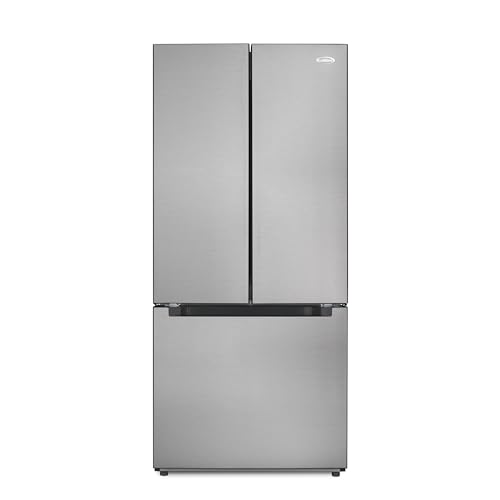
Best All Fridge Refrigerators for 2026: Budget, Midrange, and Premium Tiers
Disclosure: We may earn a commission when you buy through links on this page, at no extra cost to you. As an Amazon Associate I earn from qualifying purchases. Learn more

Compare the best all fridge refrigerators at every price point. Learn what you get at budget, midrange, and premium levels and where spending more pays off.
An all fridge refrigerator gives every cubic foot to fresh food, with no freezer section taking space. Prices stretch from under $1,000 to several thousand dollars. This guide to the best all fridge refrigerators sorts the market by budget, so you can see what each tier buys before you check the product table below.
The right tier depends on how you shop and store food. A household that buys fresh produce twice a week needs different shelving and capacity than a host who stores party trays.


Who Should Buy an All Fridge Refrigerator?
An all fridge model suits you when fresh storage is your bottleneck and frozen food already lives somewhere else.
Households With a Separate Freezer Already
If a chest freezer or upright freezer already handles your frozen food, a standard combo unit wastes a third of its cabinet on a job that is done. An all fridge model converts that space into wide shelves for produce, drinks, and leftovers.
Produce Heavy Cooks and Big Weekly Shoppers
If your cart is mostly vegetables, fruit, dairy, and prepared meals, fresh space runs out long before freezer space does. Full width shelves and two or three crisper drawers let you sort greens, fruit, and deli items apart, so delicate produce is not crushed under heavy trays.
Hosts, Bakers, and Garage Overflow Users
If you host often, an all fridge unit works as a second refrigerator for drinks, platters, and sheet cakes that never fit beside daily groceries. Bakers can proof dough and chill assembled desserts on flat, wide shelves. In a garage, the same unit holds holiday overflow, and our guide to the best garage refrigerators explains which models handle wide temperature swings.
Key Features to Compare
Compare these factors in the same order each time, because a low price can hide a cabinet that is too deep, too loud, or too small inside.
Capacity in Cubic Feet, All of It Fresh Food Space
Capacity decides whether the unit solves your storage problem or just moves it. Most full size all fridge models offer about 17 to 21 cubic feet, and nearly all of it is usable fresh space, unlike a combo unit where the freezer claims a large share. Check shelf width as well, because a wide tray needs one full width shelf no matter what the total rating says.
Dimensions, Counter Depth, and Door Swing Clearance
Measure the opening width, height, and depth, then measure every doorway and turn on the delivery path. Standard depth models hold more but project past counters, while counter depth models sit nearly flush and trade a little capacity for a cleaner fit. Check the door swing too, because an all fridge door is wide and needs clear space to open fully. If your kitchen cannot give that clearance, see our guide to the best undercounter refrigerators for compact fresh storage instead.
Shelving, Crispers, and Door Storage Layout
Layout decides how much of the rated capacity you can actually use. Look for split adjustable shelves that move in small steps, so a tall pot and a short container can share one level. Humidity controlled crisper drawers keep leafy greens firm longer while fruit sits in a drier drawer. Deep door bins for gallon jugs free the main shelves for wide items.
Inverter Compressor, Noise, and Steady Cooling
An inverter compressor runs at variable speed instead of switching fully on and off, so temperatures hold steadier and the motor sounds softer, which matters in open plan homes where a loud cycle carries into living space. Steady cooling also protects produce, because repeated warm and cold swings dry out greens and shorten the life of dairy.
Energy Use and ENERGY STAR Ratings
An all fridge unit runs all day, every day, so small efficiency gaps add up on your bill. ENERGY STAR certified models use less electricity than standard models of the same size, and the yellow energy guide label states the estimated yearly use in kilowatt hours. Compare the label figures between finalists of similar size rather than trusting a general claim.
Reliability, Warranty, and Extras Worth Skipping
With no freezer section, an all fridge model has fewer parts to fail, and the compressor does most of the work. Check the sealed system warranty, because five years of coverage is common and some premium brands extend compressor coverage to ten years. Skip paying for an ice maker, because there is no freezer to make or store ice. Smart screens add cost without adding cold storage, so put that money toward capacity instead.
Price Tiers for Freezerless Refrigerators and What Changes as You Spend More
Prices for the best all fridge refrigerators fall into three broad bands, and each band buys a clear step in size, finish, and cooling control. If you would rather keep a freezer section in the same cabinet, see our guide to the best recommended refrigerators for combined models instead.
Budget Tier: Simple Fresh Storage for Under About $1,200
Budget all fridge models, roughly about $700 to $1,200, give you a full size cabinet with basic shelving, a standard compressor, and simple dial or touch controls. Expect simple finishes, fewer shelf adjustments, and noisier cycles than higher tiers. This band suits a garage unit or a rental property, where capacity matters more than refinement.
Midrange Tier: Roomier Layouts and Quieter Cooling
Midrange models, roughly about $1,200 to $2,200, add the features most households feel daily: inverter compressors, better crisper control, gallon door bins, and LED lighting that shows the back corners. For most families replacing a combo unit, this band delivers the strongest mix of space, quiet running, and price.
Premium Tier: Column Style Design and Precise Control
Premium all fridge models, roughly about $2,200 to $4,500, include built in column units and large freestanding designs with precise electronic temperature control and panel ready options that match your cabinets. Cooling stays very even from top to bottom, which suits serious cooks storing delicate produce. You pay for design and precision here, not for more basic storage.
Running and Repair Costs of a Freezerless Refrigerator Over the Years
The purchase price is only part of what an all fridge refrigerator costs you. Electricity is the steady charge, and the energy guide estimate lets you compare yearly cost between sizes before you buy. Budget also for replacement door gaskets after years of use and for delivery fees on built in models. A longer compressor warranty lowers your repair risk, so weigh it against a cheaper model with short coverage.
Common Mistakes to Avoid
Each of these errors is easy to dodge before you order.
- Buying an all fridge model without a plan for frozen food leaves you scrambling for ice and freezer space within a week.
- Skipping the delivery path measurement can leave a wide unit stuck at a doorway it cannot pass.
- Choosing standard depth for a tight kitchen makes the cabinet block walkways and stops the door opening fully.
- Paying for an ice maker or smart screen on a freezerless unit spends money on features that add no fresh storage.
- Placing a standard model in an unheated garage without a garage ready rating risks poor cooling in very hot or cold weather.
Care and Maintenance for an All Fridge Refrigerator
Vacuum the condenser coils twice a year if your model exposes them, because dust buildup makes the compressor work harder and use more energy. Wipe the door gasket with warm water and mild soap, and check the seal by closing the door on a sheet of paper: if the paper slides out freely, the gasket is leaking cold air.
Clean spills promptly, especially under crisper drawers, where liquid collects out of sight and causes odor. Leave space between items and the back wall, because food pressed against the coldest surface can freeze even in a fridge only cabinet. Set the temperature to about 37 to 38 degrees Fahrenheit. If drinks crowd your shelves, our guide to the best beverage refrigerators covers small dedicated units instead.
FAQ
How much electricity does an all fridge refrigerator use?
A full size all fridge refrigerator typically uses about 250 to 450 kilowatt hours per year. That is often less than a similar fridge freezer combo, because there is no freezer compartment to keep near zero degrees. Treat the energy guide figure as a comparison point between models rather than a promise.
Can I put an all fridge refrigerator in the garage?
Yes, you can put an all fridge refrigerator in the garage if the model is rated garage ready. Garage ready units are built to keep cooling in ambient temperatures from about 38 to 110 degrees Fahrenheit. Below that range the compressor may cycle too rarely and fresh food can get too cold, so an insulated garage matters as much as the rating itself.
Are counter depth all fridge refrigerators worth it?
Counter depth all fridge refrigerators are worth it when walkway space and door swing matter more than maximum capacity. Because the shelves are shallower, trays and platters slide fully into view, so less food is forgotten at the back and wasted. You give up a few cubic feet against a standard depth model of the same width.
How long should an all fridge refrigerator last?
An all fridge refrigerator should last about 12 to 17 years with normal household use. The door gasket is usually the first part to wear, and it can be replaced on its own without replacing the appliance. Premium models do not always outlast midrange ones, so warranty terms tell you more than price does.
What size all fridge refrigerator does a family need?
Most families need about 4 to 6 cubic feet of fresh space per person, so a household of four usually lands between 17 and 21 cubic feet. Count fresh volume only, because an all fridge cabinet gives its full rating to chilled food. If you entertain often, check that at least one shelf spans the full interior width, since narrow shelves still will not fit a wide tray.
Wrapping Up
Start with your freezer plan, then measure your space, then pick the tier that fits your budget. Capacity, door clearance, and compressor warranty matter more than decorative extras on a freezerless unit. When you compare best all fridge refrigerators with those points settled, the right tier is usually obvious, and the product table above lets you check size and price.