Best 36 Inch Ranges: A Buyer Checklist for 2026
Disclosure: We may earn a commission when you buy through links on this page, at no extra cost to you. As an Amazon Associate I earn from qualifying purchases. Learn more

Shopping for the best 36 inch ranges? Compare fuel types, burner power, oven capacity, fit, and controls so you choose a range that suits your kitchen.
A 36 inch range is a serious kitchen upgrade. It gives you a wider cooktop, more burners, and usually a larger oven than a standard 30 inch model, but it also demands more space, more power or gas capacity, and careful measuring. This guide to best 36 inch ranges walks through the checks that matter before you buy, so the range you choose fits your kitchen, your cooking style, and your utility setup.
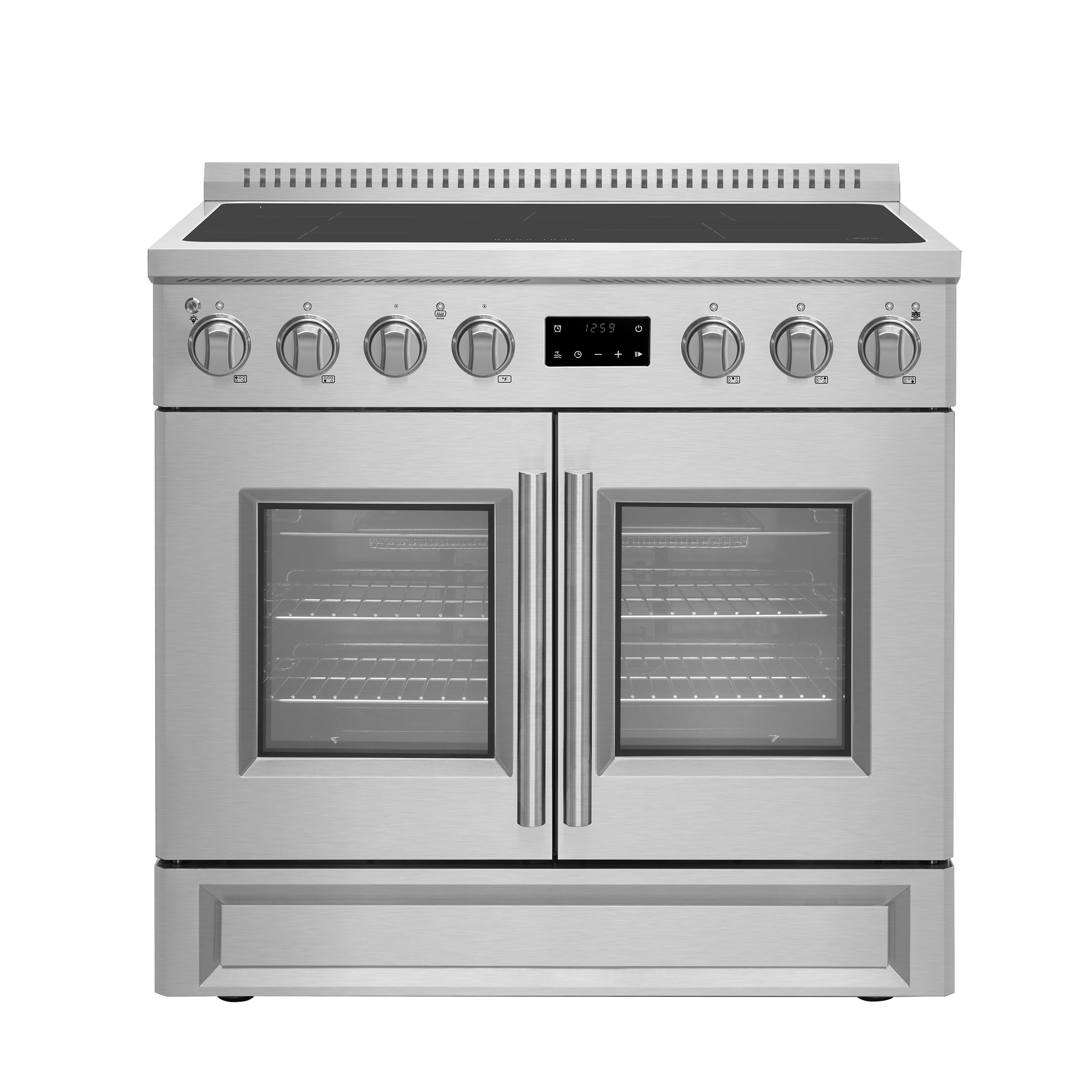
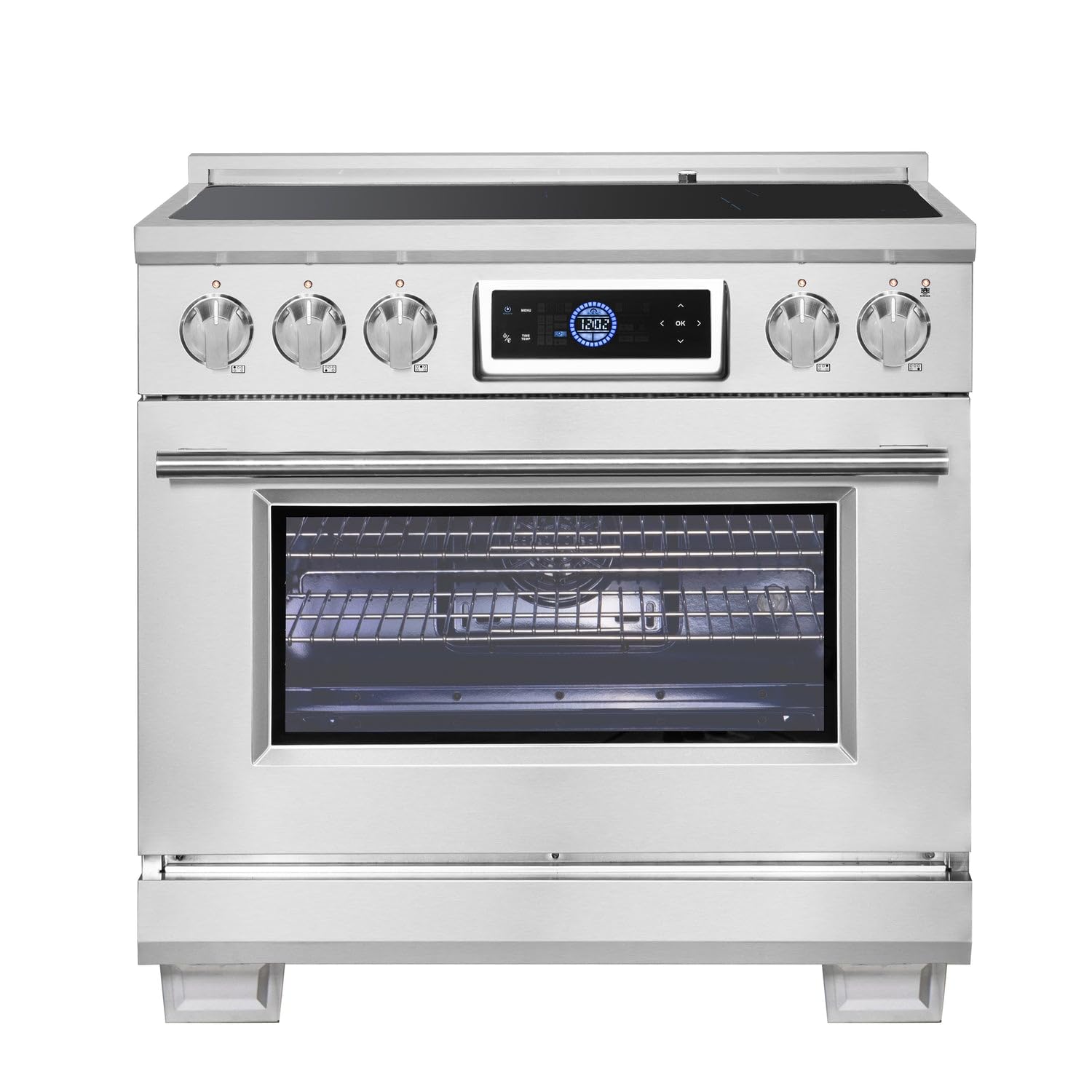
Use the checklist below as a filter, not as a race to the highest numbers. The product table shows the picks side by side, and the sections that follow explain fuel, burners, oven, fit, and controls in plain terms. If a range fails on fit or fuel supply, no other feature can make up for it.


Spending Levels for the Best 36 Inch Ranges
A sensible everyday band, about $1,000 to $2,000, buys a capable freestanding gas or electric range with solid burners and a usable oven. That is plenty for family cooking, and it leaves room in the budget for installation and any needed electrical or gas work. Check the warranty and the service network in your area before committing, since a range is hard to move once installed.
A Strong Middle Band for Serious Cooks
The middle band, about $2,000 to $4,500, adds dual fuel options, stronger burners, true convection, and better build quality. If you cook most nights, bake often, or want a slide in look with a flush fit, this band is usually worth the step up. For fuel choice, see our guide to best 36 inch induction ranges and our guide to best dual fuel ranges 36 inch, which compare those options in more depth.
When a Higher Band Is Worth It
Above about $4,500, you are paying for professional style build, very high burner output, larger ovens, and premium finishes. These ranges suit keen cooks with a kitchen designed around them, including proper ventilation and a suitable gas line or electrical circuit. For a sense of that tier, see our guide to best 36 inch professional gas ranges. Before spending here, confirm ventilation, clearance, and fuel supply with a qualified installer, since those costs can add up quickly.
Key Criteria to Compare
Work through these criteria in order when you compare best 36 inch ranges. Fit and fuel come first, because they decide whether a range can work in your kitchen at all. Burner power, oven capacity, and controls then decide how pleasant it is to cook with every day.
Fuel Type: Gas, Electric, Induction, or Dual Fuel
Gas gives instant visual control and works with any cookware, but it needs a gas line and good ventilation. Electric coil and smooth top models are simpler to install where a suitable circuit exists, though heat control is slower. Induction heats pans directly, responds quickly, and keeps the cooktop cooler, but it needs magnetic cookware.
Dual fuel pairs a gas cooktop with an electric oven, which suits cooks who want gas control on top and even heat for baking below. Check local rules and have a qualified installer confirm the fuel and electrical supply before you buy.
Cooktop Surface Material
The cooktop surface shapes daily cleaning as much as cooking. Cast iron grates on gas models are heavy and durable, and they let you slide pans across burners, but they need regular cleaning and care. Smooth glass tops look tidy and wipe clean easily, yet they can scratch and need cookware with flat bottoms.
Stainless trims and sealed burners help contain spills. Choose a surface you will happily clean after a busy meal, not just one that looks good in a showroom.
Controls and Smart Features
Knobs give direct control and work with wet or greasy hands, while touch controls look sleek but can frustrate when your hands are messy. Smart features such as remote preheating and guided cooking can help, but they should never replace clear basic controls. Check that the display is readable from standing height and that the oven controls are simple to set without a manual. If a feature needs an app to work at all, treat it as a bonus, not a reason to buy.
Oven Capacity and Convection
Oven capacity, often listed in cubic feet, matters less than usable space and rack layout. A wide oven that fits two trays side by side is more useful than a tall oven with awkward racks. True convection uses a fan plus a heating element to move hot air evenly, which helps baking across several racks.
Check how many rack positions there are, whether a rack slides smoothly when loaded, and whether the door opens without blocking a nearby walkway. If you bake large items often, measure your largest tray against the oven interior.
Burner Power and Element Wattage
Burner power, listed in BTU for gas and watts for electric, tells you how fast a burner can heat. A high output burner, about 18,000 to 22,000 BTU, suits searing and fast boiling, while a low simmer burner, about 5,000 BTU or less, holds sauces without scorching. More burners help only if you can use them at once without crowding pans. Check the layout: a mix of high, medium, and simmer burners with sensible spacing beats a row of identical high output burners that fight for room.
Size and Cutout Dimensions
A 36 inch range needs a 36 inch opening, but the details matter. Measure the width, depth, and height of the space, including trim, handles, and door swing. Slide in models sit flush with counters and usually need a finished back wall, while freestanding models have a backguard and are more forgiving of gaps.
If you are replacing a 30 inch range, see our guide to best 30 inch ranges to compare the space trade off. Leave the clearances the maker requires around the range, and confirm the floor can support the weight.
Quick Buyer Checklist
- Have you measured width, depth, height, door swing, and counter height?
- Does your kitchen have the right gas line or electrical circuit, confirmed by a qualified installer?
- Is your ventilation sized for the burner output, with a clear path outside?
- Does the burner layout suit the pans you use most, with room for large pots?
- Does the oven fit your largest tray, with racks you can move easily?
- Are the controls usable with messy hands, and is the display readable while standing?
- Have you checked warranty, service access, and delivery path through doors and hallways?
Red Flags to Watch For
Be wary of vague specifications that never state burner output, oven capacity, or electrical needs in plain numbers. A very short warranty on a high priced range is another warning sign, as is a seller who cannot confirm service support in your area. Watch for reviews that repeat the same phrases, since they may not reflect real use. If the installation requirements are unclear, pause and get them in writing from the maker or installer before ordering.
Care and Maintenance Tips
- Use cookware that matches your cooktop, with flat bottoms for smooth tops and magnetic bases for induction.
- Wipe glass cooktops after they cool, using a cleaner made for that surface.
- Clean grates and burner caps monthly, and check gas burners for even flames.
- Run self cleaning cycles only as the maker directs, and ventilate the kitchen well during the cycle.
- Keep vents and filters clean so the range and hood can breathe properly.
Your Questions Answered
Do I need a special outlet for an electric range?
Yes, most electric ranges need a dedicated high voltage circuit, usually 240 volts, with the right breaker and outlet type. A standard kitchen outlet will not power a full size electric range safely. Have an electrician check your panel capacity and wiring before delivery, since an upgrade can add cost and time. Never adapt plugs or share the circuit with other large appliances, and follow local electrical rules for the installation.
Is convection worth paying extra for?
Convection is worth it if you bake on several racks, roast large items, or want more even browning. The fan moves hot air around the oven, which reduces hot spots and can shorten cooking times slightly. It matters less if you mostly cook single trays or simple meals. If you choose convection, look for true convection with a dedicated element, and learn the temperature adjustment the maker suggests for your recipes.
What size range do I need for my kitchen?
A 36 inch range suits kitchens with at least 36 inches of clear width plus the required side clearances, and with counters that can sit flush beside it. Measure the opening, the depth including handles, and the door swing into the room. A smaller kitchen may work better with a 30 inch model, which leaves more counter and walkway space. Remember that a larger range also needs stronger ventilation and a larger fuel or electrical supply.
How long does a 36 inch range last?
A well built range often lasts 13 to 20 years with regular care, though igniters, elements, and seals may need replacement sooner. Gas models tend to last well if burners stay clean and the gas supply is sound. Electric and induction models depend more on electronics, so a good warranty matters. Regular cleaning, prompt repair of small faults, and proper ventilation all help the range reach the upper end of that span.
Is induction better than gas?
Induction is better for speed, precise low heat, and a cooler kitchen, while gas is better for visual flame control and for cooks who use round bottom woks or non magnetic pans. Induction needs compatible cookware and a suitable electrical circuit, while gas needs a gas line and strong ventilation. Neither is better for everyone. Choose based on your cookware, your utility setup, and whether you prefer the feel of a flame or the speed of magnetic heating.
Wrapping Up
Fit, fuel, and ventilation decide whether a range works in your kitchen, and burner layout, oven space, and controls decide whether you enjoy using it. Measure twice, confirm the utility supply with a qualified installer, and review the product table once more before ordering. A mid band range with the right fuel type and a sensible burner mix will serve most kitchens better than a premium model that strains the space or the supply. Choose best 36 inch ranges on the checks that fit your cooking, and keep the maker guidance handy for installation and care.