Best All Refrigerators in 2026: Which Type Is Right for You?
Disclosure: We may earn a commission when you buy through links on this page, at no extra cost to you. As an Amazon Associate I earn from qualifying purchases. Learn more
Confused by all the options? We compare every type of refrigerator side by side so you can choose the best all refrigerators for your space and budget.
Choosing a refrigerator feels harder than it should, because one purchase has to fit your kitchen, your shopping habits and your budget for years. The best all refrigerators are not a single style, and the comparison table below groups the main types so you can see the trade offs clearly.
Start with how you live. A family that cooks fresh meals most nights needs wide shelves and easy access to produce. A couple that shops in bulk needs freezer room and strong door bins. The sections below match each situation to a layout and a size.

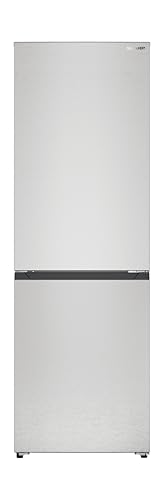


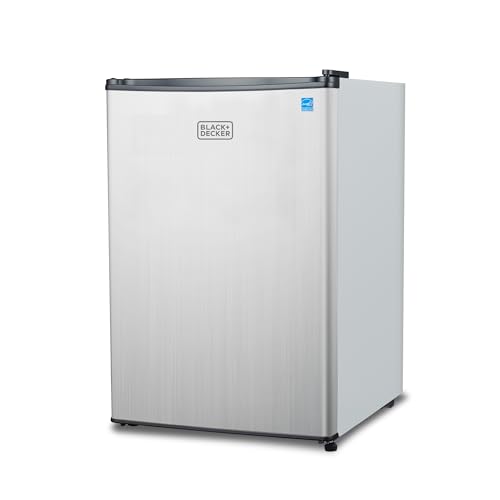

Types of Refrigerators Compared
Every layout below keeps food cold in the same basic way, but the door arrangement changes what fits and how the unit feels in daily use. Read these types first, because layout is hardest to change after delivery.
Counter Depth Models
Counter depth models are built shallower than standard units, so the box sits nearly flush with your cabinets instead of jutting into the room. Most offer about 15 to 22 cubic feet, which is less storage than a standard depth model of the same width. You gain a cleaner look and a clearer walkway, and you lose room for bulk items. If your kitchen uses built in cabinet runs, see our guide to the best undercounter refrigerators for smaller units that slide below a work surface.
Compact and Mini Fridges
Compact and mini fridges range from about 1.7 to 11 cubic feet and serve as a second cold spot rather than a main family refrigerator. They fit dorm rooms, offices, bedrooms and workshops, and most run on a standard outlet with no plumbing. Storage is simple, with a small chiller compartment, so large trays do not suit them well. For a fuller list of small options, see our guide to the best small refrigerators before you choose a size.
Drinks are the most common job for a compact unit. If drinks are the whole point, see our guide to the best beverage refrigerators for models built around cans and bottles. A compact food fridge suits you better when you also need room for lunches and leftovers.
French Door Refrigerators
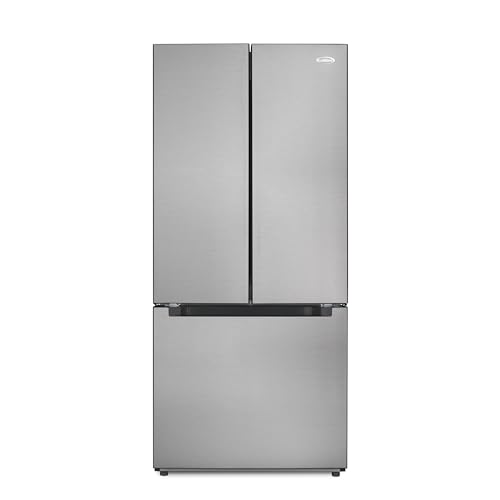
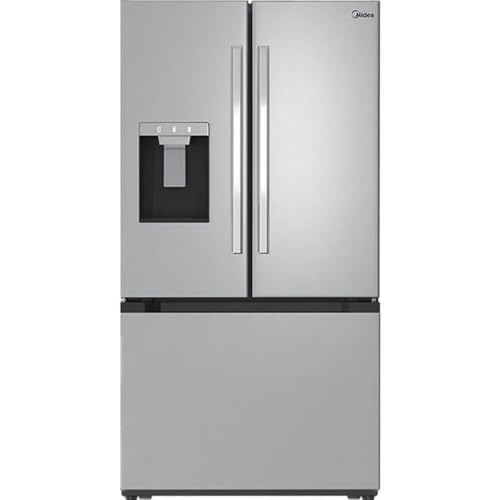
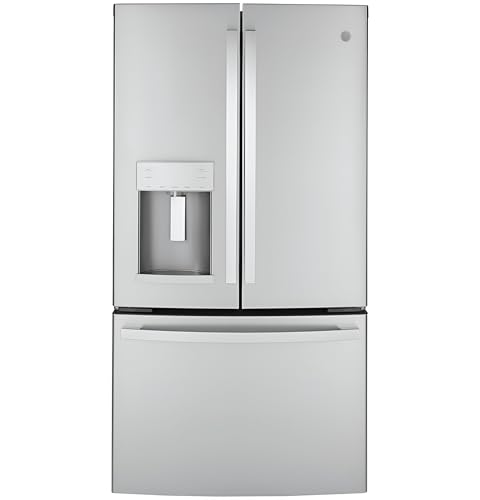
French door refrigerators put two half width doors over a freezer drawer, so fresh food sits at eye level and wide platters slide onto full width shelves. That layout suits cooks who store sheet pans, party trays and large roasting dishes. The narrow doors swing into less space than one wide door, which helps in kitchens with an island close by. Expect to pay about $1,500 to $3,500 for most models. In door dispensers add convenience, but they take up shelf room, so check the interior layout, not the feature list alone.
Side by Side and Top Freezer Refrigerators
Side by side models split the cabinet into a tall freezer column and a tall fresh food column, giving you frozen items at eye level and doors that open in narrow aisles. The trade off is width, because neither column fits a wide pizza box easily. Top freezer models are the simplest and usually the cheapest layout, often about $600 to $1,200. Bottom freezer models bring fresh food up to eye level while frozen goods go into a deep drawer below.
Counter Depth Models vs Compact and Mini Fridges: Which Should You Choose?
These two types solve opposite problems. A counter depth model is a full kitchen refrigerator that happens to be shallow, so it still handles a weekly shop and family sized storage. A compact fridge is a secondary unit with limited shelves and no real freezer section. On cost, most counter depth models run about $1,200 to $3,000, while compact models usually cost about $150 to $600.
Choose counter depth when this is your only refrigerator and the cabinet line matters to you. Choose a compact model when the main fridge is fine and you need extra room elsewhere. A compact unit costs less to run, but it cannot replace a primary fridge for a household that cooks most days.
How to Choose the Right Refrigerator
Work through the checks below in order when you compare the best all refrigerators for your home, and let your space rule out styles before a low price tempts you toward the wrong layout.
Configuration and How Your Kitchen Is Used
Match the configuration to the food you handle most. Fresh cooks do well with french door or bottom freezer layouts, because the food they reach for sits up high. Households that freeze meals in batches often prefer side by side columns, where frozen packs stand upright and stay visible. Top freezer models suit smaller households that value simplicity over shelf width. Think about traffic too, since a door that opens into a busy path will annoy you daily.
Capacity in Cubic Feet
Capacity is listed in cubic feet, but usable room depends on shelf shape, door bins and the freezer share. Standard full size models usually offer about 18 to 28 cubic feet. A household that shops once a week needs the upper part of that range, while a household that shops twice a week can live with less. Treat the freezer share as its own number.
Temperature Control and Cooling Zones
Better models use two evaporators, one for the fresh food section and one for the freezer, so dry freezer air does not pull moisture from produce. Humidity controlled drawers keep leafy greens from wilting fast, and a convertible zone can switch between fridge and freezer temperatures for seasonal storage. These features matter most if you store delicate produce or raw meat for several days.
Reliability and Warranty
A refrigerator runs all day and all night, so reliability matters more here than with most appliances. Look at the compressor warranty, which often runs about 5 to 10 years on the sealed system, while parts coverage is usually shorter. An inverter compressor adjusts its speed instead of switching fully on and off, which can cut noise and reduce wear. Simpler models have fewer parts that can fail, and local service coverage is worth more than a long feature list.
Dimensions, Counter Depth, and Door Clearance
Measure the alcove width, height and depth, then measure every doorway and turn on the delivery path. A standard opening is often about 36 inches wide, but older homes can be narrower. Check door swing against islands and walls, and confirm the doors can open past 90 degrees so drawers can slide out. Leave the ventilation gap the maker specifies, because a unit pushed tight to a wall runs hotter.
Common Mistakes to Avoid
- Buying on cubic feet alone leaves you with shelves that cannot hold your widest pans.
- Skipping doorway measurements means a refrigerator that fits the kitchen may never reach it.
- Placing a standard indoor model in an unheated garage leaves food at unsafe temperatures in cold or hot weather.
- Ordering an ice maker model without a nearby water line adds plumbing cost you did not plan for.
- Choosing counter depth for a large family without checking capacity leaves the weekly shop overflowing.
How to Make Your Refrigerator Last Longer
Set the fresh food section to about 37 degrees Fahrenheit and the freezer to about 0 degrees Fahrenheit, and give a new unit a day to settle before you judge its cooling. Vacuum the condenser coils twice a year, because dust forces the compressor to run longer. Leave the airflow space the maker asks for around the cabinet.
Wipe the door gaskets with warm water and mild soap so the seal stays soft. Replace the water filter about every six months if your model has one, since a clogged filter slows the ice maker and affects taste. Level the cabinet so the doors swing shut on their own.
FAQs
How much electricity does a refrigerator use?
A full size refrigerator typically uses about 300 to 800 kilowatt hours per year, with efficient models near the low end. You can check your own unit with a plug in energy meter over one week, then multiply for a yearly estimate. An older fridge can use far more than a current ENERGY STAR model.
Are counter depth refrigerators worth it?
Counter depth refrigerators are worth it when a standard depth box would block a walkway or spoil a planned cabinet line. One detail many buyers miss is that stated depth often excludes the handles, so add about 2 to 3 inches before you assume the doors will sit flush. If your kitchen has open floor space, standard depth gives you more storage for less money.
What size refrigerator do I need for my family?
Most couples do well with about 14 to 18 cubic feet, while a family of four usually needs about 20 to 24 cubic feet. Judge the freezer share separately if you batch cook, because two models with the same total size can split that space differently. Households that host often should also weigh shelf width.
Can I put a refrigerator in the garage?
Yes, you can put a refrigerator in the garage if the model is garage ready and rated for a wide range of room temperatures. A standard indoor model uses the room air around it to guide its thermostat, so a cold garage can trick it into running too little. If your garage reaches extremes, see our guide to the best garage refrigerators for models built for that setting.
How long should a refrigerator last?
A refrigerator should last about 10 to 15 years with normal home use. Lean toward replacement when a major repair costs more than half the price of a comparable new model on a unit past ten years old. Simple parts such as gaskets and fans are usually worth fixing at almost any age.
Our Verdict
Layout, true fit and capacity decide this purchase, in that order. Pick the door style that suits the food you store most, measure the alcove and the delivery path twice, and only then compare energy ratings and finishes. Use the product table above to confirm size, capacity and price.
When you judge best all refrigerators by fit and daily use rather than by feature lists, the right type becomes obvious. Buy the simplest layout that serves your household well.