Best Air Coolers without Water: A Buyer Checklist for 2026
Disclosure: We may earn a commission when you buy through links on this page, at no extra cost to you. As an Amazon Associate I earn from qualifying purchases. Learn more

The best air coolers without water compared by airflow, noise, size and price tiers for home, bedroom and desk use.
A cooler that needs no water sounds simple, and that is exactly the appeal. There is no tank to fill, no pad to soak, and no damp smell after a week in a warm room. The catch is that these units cool in a different way than evaporative models, so the specs on the box can mislead you if you read them the same way.
This guide walks you through the checklist we use to judge the best air coolers without water, step by step. You will learn what the ratings actually mean, which numbers matter for a bedroom or a desk, and which claims should make you pause. Start with the comparison table below, then use the sections that follow to check each model against your room and your habits.





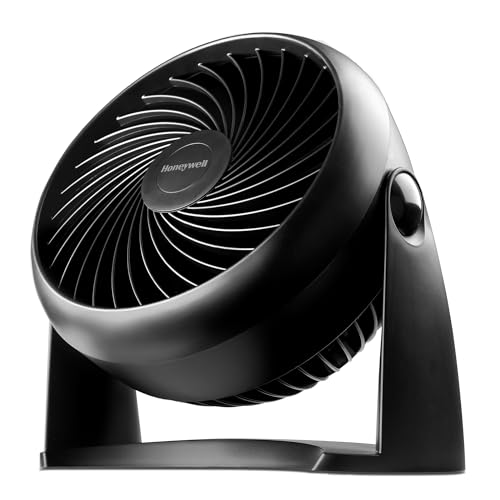

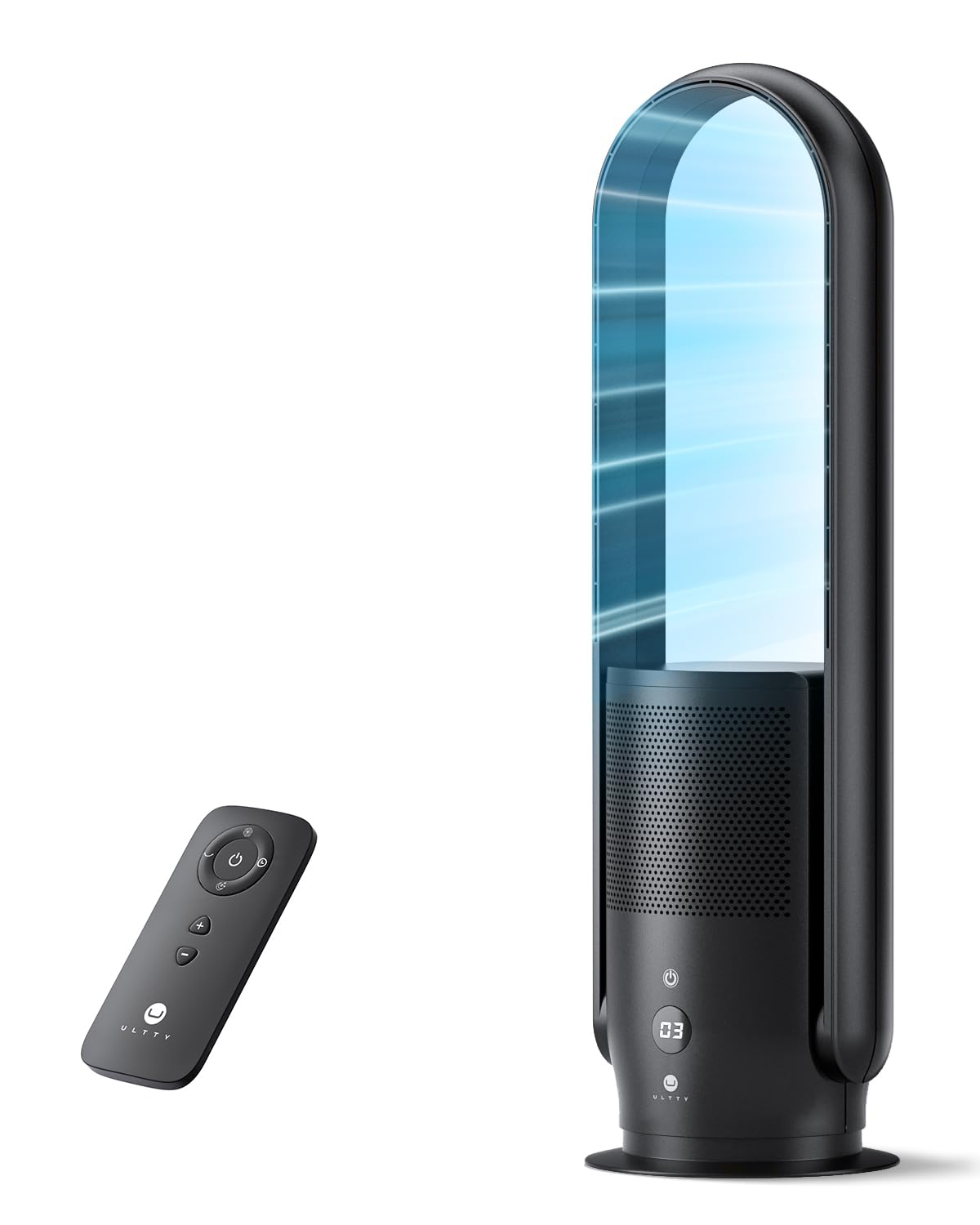
How We Evaluate Air Coolers
Most disappointment with this type of cooler comes from one mistake. Buyers expect the sharp temperature drop of an evaporative cooler, then feel let down when a water free unit delivers a strong, focused breeze instead. Scored honestly, a good model moves a lot of air, stays quiet at night, and fits the space you actually have.
The checklist below scores each unit on the same points, in the same order, every time. Airflow and reach come first, because a cooler that cannot move air across your room fails at its main job. Noise, size, build quality, and running cost follow, since those decide whether you will still enjoy using it in month three.
Why Choose an Air Cooler Without Water
The main benefit is freedom from refills and from the extra humidity that evaporative cooling adds to a room. In a humid climate, added moisture can make air feel heavy, and a water free design avoids that problem entirely. You also skip pad changes, tank scrubbing, and the musty odor that builds up in a neglected reservoir.
The trade off is honest and worth stating plainly. Moving air cools your skin, but it does not lower the room temperature the way refrigerated air conditioning does. If your goal is comfort at a desk, beside a bed, or in a small workshop, that skin cooling effect is often enough. If you need a hot room made cold, you need a different appliance.
Weight and Packed Size
Weight matters more than most buyers expect, because these coolers get moved often. A unit under about 10 lb is easy to carry from room to room with one hand. Models between about 10 and 20 lb usually have a handle and stay in one main spot, while heavier tower designs are best treated as fixed furniture.
Check the footprint as carefully as the weight. Measure the floor or desk space where the cooler will live, then compare it with the listed base dimensions and leave a few inches behind the unit for air intake. A cooler that blocks a walkway or crowds a nightstand will annoy you daily, no matter how strong its airflow feels in the store.
Materials and Durability
Look at the housing, the grille, and the controls, in that order. Thick, rigid plastic that does not flex when you grip the sides tends to survive years of being carried and bumped. A grille with narrow, even spacing protects the blades and keeps curious fingers and pet paws at a safer distance.
Controls deserve the same scrutiny. Buttons that click with clear feedback will outlast a flimsy touch panel that misreads half your presses. If a model will live in a garage or workshop, favor sealed controls and a washable intake filter, since dust is the main enemy of fans in rough spaces.
Weather and Water Resistance
Most water free coolers are indoor appliances, and their listings should say so plainly. A basic splash resistance rating can be useful for a covered patio, but it does not make a unit safe in rain. When a seller claims outdoor use, look for a stated resistance rating rather than vague words like outdoor ready.
Indoors, the real weather question is humidity and heat in your own room. A water free cooler adds no moisture, so it stays comfortable in sticky summer air where evaporative models lose their edge. It also avoids the mineral scale and mold risk that come with standing water, which matters in homes where the cooler may sit unused for weeks.
Packability and Accessories
Accessories separate a thoughtful package from a bare box. A remote control matters if the cooler will sit across the room from your bed or sofa. A washable filter saves repeat spending, and a cord that is long enough to reach an outlet without an extension lead is a small detail you will appreciate every single day.
Storage counts too, especially in small apartments. Check whether the remote has a home on the unit itself and how much closet space the cooler needs in winter. If you plan to use it in a camper or a rented room, a compact shape that packs flat against a wall is worth more than extra speed settings.
Price vs Ultralight Premium
Prices for this category run from under $50 for a small desk unit to about $250 or more for a tall, quiet tower with smart controls. The budget tier buys you basic speeds and a timer. The middle tier, around $80 to $150, usually adds oscillation, a remote, and noticeably better noise control at low speed.
The premium tier should justify itself with quieter motors, smoother airflow, and better build quality, not with a longer list of gimmicks. Think of it like paying for each decibel of quiet you gain. If a costly model is no quieter and no stronger than a mid priced one, the extra money buys you styling alone, and you can decide whether that trade suits you.
Temperature or Weather Rating
Be skeptical of any listing that promises a specific room temperature drop from a water free cooler. Honest ratings for this category talk about airflow, usually in cubic feet per minute, and about reach, meaning how far the breeze stays noticeable. A rating that names a test distance and a fan speed is far more useful than a bold claim with no conditions attached.
Match the rating to your room size instead. A small unit rated for a desk zone will feel weak across a large living room, while a tower with wide oscillation can serve an open space well. If the listing gives no airflow figure at all, treat that silence as information and look at a model that publishes its numbers.
3 Picks That Pass Our Checklist
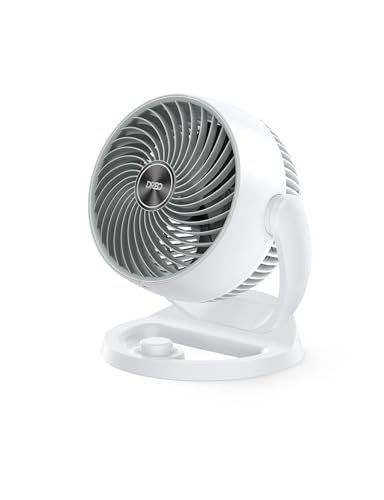
Because we do not name specific products here, think of the three profiles below as templates. Hold each model in the product table above against the profile that matches your budget and your room. A cooler that fits its profile on airflow, noise, and size is a far safer buy than one with a long feature list and weak basics.
Best Overall
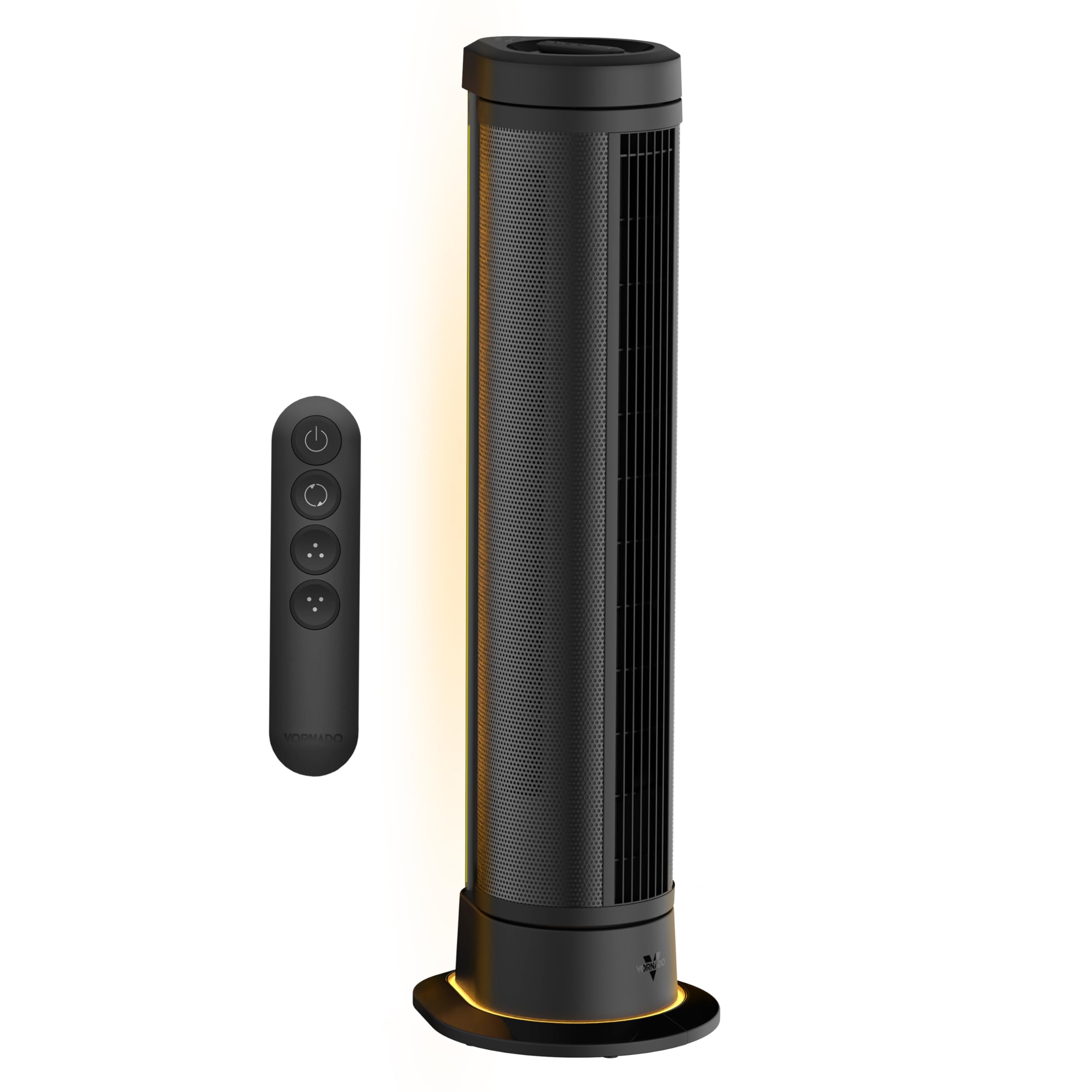
The best overall profile is a mid sized tower or box unit with wide oscillation, at least three speeds, and a sleep setting that is genuinely quiet. It should include a remote, a washable filter, and a timer you can set without opening an app. Expect to pay around $100 to $180 for this balance of power and polish.
This profile suits most homes because it handles a bedroom at night and a living room during the day. Its one limit is reach in very large, open rooms, where two smaller units placed at opposite ends can work better than a single tower working hard at full speed.
Best Value
The best value profile is a simple, sturdy unit under about $80 with strong airflow for its size and controls you can understand at a glance. You may give up smart features, a slim profile, and the quietest low speed. What you should never give up is a stable base, a protective grille, and a return window long enough to try it at home.
This profile fits spare rooms, dorms, and workshops, where strong air movement matters more than looks. If you read our guide to the best air purifiers and coolers, you will see the same value logic there. Spend on the motor and the build first, and let decorative extras go.
Best Premium Pick
The best premium profile earns its price with quiet. Look for a low speed that stays near a whisper, smooth speed changes with no clicking or surging, and a housing that does not rattle at any setting. Smart scheduling and air quality sensing can be genuinely useful here, as long as the basic controls still work without a phone.
Expect prices around $180 to $300 in this tier. The limit to accept is size, since quiet towers tend to be tall and heavy. Measure your space before you buy, and confirm the unit will fit beside your bed or desk without blocking a door swing or a drawer.
Quick Buyer Checklist
Run through these questions before you order. A model that answers yes to most of them will likely serve you well.
- Does the listing state an airflow figure and a clear room size guide?
- Is the low speed quiet enough for sleep, based on a stated noise level?
- Does the footprint fit the exact spot you measured at home?
- Can you clean or wash the filter without buying replacements often?
- Does it have a timer and an auto shut off you understand?
- Is the cord long enough for your outlet layout?
- Does the warranty cover at least one full year of use?
- Can you return it after trying it in your own room?
Red Flags to Watch For
A short list of warning signs will save you most of the trouble in this category. Vague cooling claims with no airflow number is the first and most common one. A seller who promises arctic air but publishes no test conditions is asking you to buy a feeling, not a specification you can check when the box arrives.
Watch also for a warranty measured in weeks rather than a year, a filter that cannot be cleaned or sourced, and a base so light that the unit tips when the cord is tugged. Finally, skip any model that hides its power draw, since a cooler you run all night should state its wattage plainly.
Tips to Get the Most From Your Air Cooler
Placement does more for performance than any setting. Put the cooler where air can enter freely from behind and flow toward where you sit or sleep, rather than into a wall or a curtain. Raising a small unit to desk or nightstand height often helps, because the breeze reaches your face and shoulders instead of your ankles.
Two habits keep it running well. Clean the intake filter every few weeks in dusty rooms, since a clogged filter quietly cuts airflow and raises noise. And run the cooler before you need it, cooling your bedding early in the evening instead of waiting until the room feels stifling.
FAQs
How do I choose the right airflow for my room?
Choose by airflow and room size rather than by a promised temperature drop. A clear airflow figure and a stated reach tell you how strong the breeze will feel where you sit. Small desks need modest airflow up close, while a living room needs a taller unit with wide oscillation. If a listing gives only a bold cooling claim with no numbers, compare a model that publishes its specs.
How long does a water free cooler last?
A well kept unit usually lasts three to seven years. Lifespan depends on dust, knocks while moving it, and how often the motor runs at full speed. Wipe the intake, store the unit dry, and avoid drops to stretch that range. A washable filter and a standard power cord also help, since small part failures end the life of many otherwise sound units.
Will it lower the temperature of the room?
No. A water free cooler moves air and cools your skin, but it does not remove heat from the room the way an air conditioner does. For a hot room, you need a different appliance. For a desk, bed or small workspace, the breeze is often enough.
Is a more expensive unit worth it?
It is worth it when the extra money buys a quieter motor, smoother airflow and better build quality. It is less worth it when the price mostly reflects styling or smart features you will not use. Compare noise level in decibels at low speed, because that is what you will notice every night.
The Bottom Line
Judge this category on airflow, noise, and fit, and you will rarely go wrong. Check the stated airflow against your room, confirm the low speed is quiet enough for your nights, and measure your space before the box arrives. Compare your shortlist with the product table above, and pick the best air coolers without water profile that matches how you will actually use it, not the one with the longest list of extras.