Best 30 Inch Ranges for 2026: Types Compared and How to Choose
Disclosure: We may earn a commission when you buy through links on this page, at no extra cost to you. As an Amazon Associate I earn from qualifying purchases. Learn more
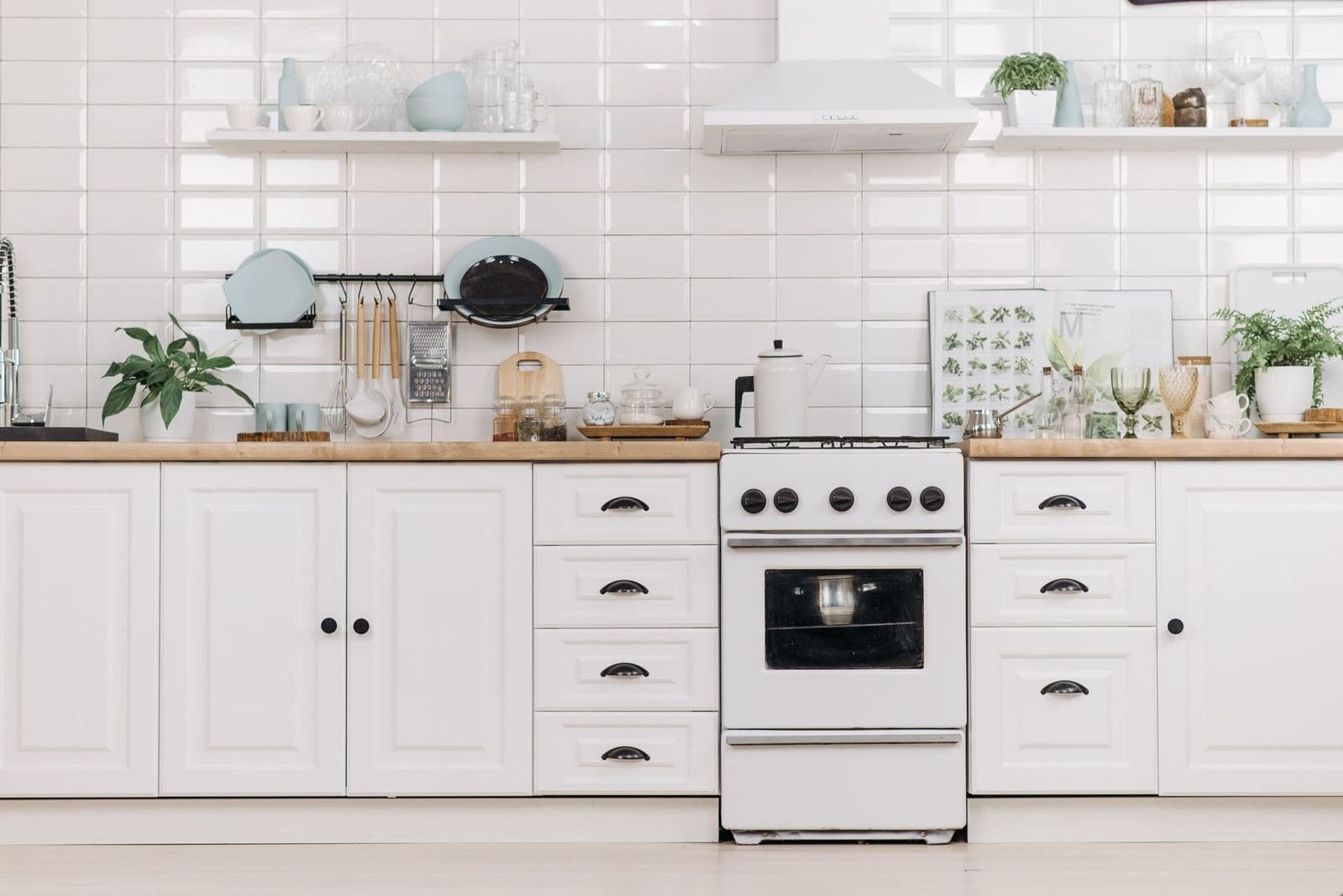
Best 30 inch ranges compared: gas, electric, induction, and dual fuel by cooktop, oven, size, and cleaning.
Shopping for best 30 inch ranges can feel confusing because the outside dimensions look the same while the cooking experience changes a lot from one fuel type to another. A gas cooktop, an electric smoothtop, an induction surface, and a dual fuel design each heat food in a different way, and each one suits a different kind of cook. This guide compares the types side by side, so you can match the range to your kitchen, your cookware, and the meals you actually make.
The 30 inch width is the most common size for a standard kitchen cutout, which makes it a practical choice for many remodels and replacements. Still, width alone does not tell you whether the oven will hold your largest roasting pan, whether the burners will handle a big pot, or whether the controls will feel natural during a busy weeknight dinner. Focus on fuel type first, then on oven capacity, cleaning, and fit, and you will narrow the field quickly.
Best 30 Inch Ranges Compared by Type
The table below gives a fast snapshot of the main types. Read the sections that follow for the tradeoffs behind each row, since a single feature such as instant heat control or easy cleanup can matter more in daily use than it looks on paper.
| Type | Best For | Pros | Cons | Typical Price |
|---|---|---|---|---|
| Induction | Fast precise cooking | Quick heat, easy cleanup | Needs magnetic cookware | About $900 to $2,500 |
| Electric smoothtop | Simple everyday cooking | Even heat, flat surface | Slower to respond | About $600 to $1,800 |
| Gas | Visual flame control | Instant flame adjustment | More parts to clean | About $700 to $2,200 |
| Dual fuel | Gas cooktop plus electric oven | Flexible cooking, even baking | Higher cost, gas plus electric hookup | About $1,500 to $3,500 |
Induction Ranges and Cooktops
An induction cooktop uses magnetic energy to heat the pan itself rather than heating a burner that then heats the pan. The surface stays cooler than a traditional electric element, spills are less likely to bake on, and heat changes happen quickly when you turn the control down. You will need cookware with a magnetic base, so check your existing pots with a fridge magnet before you commit.
This type suits cooks who want fast boiling, precise simmering, and a surface that wipes clean with little effort. See our guide to the best 30 inch induction ranges for more detail on power levels and cookware fit.
The main tradeoff is cookware compatibility and a learning curve around power settings. Thin pans can heat unevenly, and some cooks miss the visual cue of a flame. Induction models also tend to cost more than basic electric models, although prices have come down as the technology has spread. If most of your pots already work with induction, this type is often the easiest to live with day to day.
Electric Ranges
An electric range with a smooth glass ceramic surface gives you a flat cooktop that is simple to wipe down and a familiar set of controls. Heat spreads evenly across the element, which helps with sauces and other dishes that need steady warmth. Many models include a warming zone or an expandable element that fits a larger pan, and the oven in an electric model usually bakes evenly. This type suits cooks who want a straightforward appliance without a gas connection.
The main tradeoff is response time. An electric element takes longer to heat up and longer to cool down than a flame or an induction zone, so you need to plan ahead when a sauce is about to boil over. Spills can also bake onto a hot glass surface if they are left sitting. If you cook mostly simple weeknight meals and value easy cleanup over instant control, an electric model is a solid fit.
Gas Ranges
A gas range gives you a visible flame and instant adjustment, which many cooks prefer for searing, stir frying, and other techniques that need quick changes in heat. You can see the flame size at a glance, and you can use almost any cookware, including woks with a rounded bottom and older pans that would not work on induction. Gas models often include a high output burner for fast boiling and a low simmer burner for delicate sauces.
The main tradeoff is cleaning and ventilation. Burner caps and grates need regular wiping, and food can fall into the burner area during cooking. A good range hood matters more with gas cooking, since combustion adds heat and moisture to the kitchen.
See our guide to the best range hoods 30 inch for sizing and airflow advice. If you want a more powerful gas setup, see our guide to the best 30 inch professional gas ranges as well. If you already have a gas line and you enjoy cooking by sight and feel, a gas model remains a popular choice.
Induction Ranges and Cooktops vs Electric Ranges: Which Should You Choose?
Compare these two electric options on five points: speed, control, cleanup, cookware, and cost. Induction wins on speed and control, since the pan heats and cools almost as soon as you change the setting. A smoothtop electric model wins on simplicity and price, since it works with any flat bottomed pan and usually costs less. Cleanup favors induction slightly, because the surface stays cooler and spills are less likely to harden.
Cookware is the deciding factor for many buyers. If your favorite pots are magnetic, induction gives you a clear upgrade in responsiveness. If you own a large set of aluminum or copper pans, a smoothtop model lets you keep using them without buying new cookware. Choose induction when fast precise cooking matters most, and choose a smoothtop electric model when budget and cookware flexibility matter more.
How to Choose the Right 30 Inch Range
Once you have settled on a fuel type, the details below help you compare models that look similar at first glance. Work through them in order, and note which ones matter most for the way you cook.
Cooktop Surface Material
Glass ceramic surfaces wipe clean easily but can scratch if you slide rough bottomed pans across them. Cast iron grates on a gas model protect the burners and support heavy pots, yet they need regular cleaning and can be heavy to lift. Consider how much time you want to spend cleaning after dinner, and whether you often use cast iron or other heavy cookware that could mark a glass surface.
Fuel Type: Gas, Electric, Induction, or Dual Fuel
Fuel type affects heat speed, temperature control, and installation cost. Gas gives instant visual control but needs a gas line and good ventilation. Electric models are simple to install where a suitable outlet already exists, while induction adds speed and precision at a higher price.
Dual fuel combines a gas cooktop with an electric oven, which suits cooks who want flame control on top and even heat for baking, provided both hookups are available. See our guide to the best dual fuel ranges 30 inch for more on hookup needs and oven performance.
Self Cleaning and Steam Clean
High heat self cleaning burns off baked on residue so you can wipe out ash afterward, but the cycle takes several hours and can produce odors. Steam clean uses a lower temperature and a small amount of water to loosen light spills, which is faster but less effective on heavy buildup. If you roast often, a high heat cycle is useful. If your oven stays fairly clean, steam clean may be all you need.
Oven Capacity and Convection
Oven capacity is usually stated in cubic feet, and a larger number does not always mean more usable space, since racks, heating elements, and the door shape affect what fits. True convection uses a fan plus a dedicated heating element to move hot air evenly, which can reduce hot spots and help trays of cookies bake more uniformly. If you bake in batches or roast large items, check the interior width and depth against your largest pan rather than trusting the capacity figure alone.
Size and Cutout Dimensions
A 30 inch range is designed for a standard 30 inch opening, but the exact cutout, counter height, and depth can vary by model. Measure the width, height, and depth of your opening, and leave room for the door to open fully and for ventilation clearance stated by the maker. Slide in models sit flush with surrounding counters for a built in look, while freestanding models include a backguard and finished sides that suit an open ended spot.
Picking the Best 30 Inch Ranges for Different Uses
Heavy roasters need a roomy oven and a sturdy rack, frequent stir fry cooks need a high output burner, and bakers benefit most from even convection heat. Match the strongest feature of each type to the meal you cook most often, and let the secondary features break ties between similar models.
Best Made 30 Inch Ranges: Which Type Works Best
The phrase best made points to build quality rather than to a single brand or model. Look for solid hinges, a door that closes firmly, racks that slide smoothly, and controls that feel sturdy rather than loose. A well made range also holds a steady oven temperature and keeps its finish looking good after repeated cleaning. Compare these build cues across fuel types, and favor the model whose construction matches the amount of cooking you do each week.
Setup and Care Tips
Use cookware that matches your cooktop, since the wrong base can heat unevenly on induction or scratch a glass surface. Wipe glass cooktops after they cool, and clean grates and burner caps monthly so spills do not harden into place. Before any maintenance that involves wiring or moving the appliance, power off at the breaker, and call a qualified installer if the hookup or venting is unclear. Keep children away from hot parts during cooking, follow maker safety guidance, and follow maker food safety guidance for oven temperatures and holding times.
FAQs
Is Convection Worth Paying Extra for in a 30 Inch Oven?
Yes, convection is worth the extra cost if you bake in batches or roast often, since moving hot air reduces hot spots and helps food brown more evenly. The benefit is smaller if you mostly reheat single dishes or cook one tray at a time. Convection also lets you lower the temperature slightly for some recipes, so check the maker guidance for your model. For occasional bakers, a standard oven without convection still handles most meals well.
How Long Does a 30 Inch Range Last?
A 30 inch range often lasts about 13 to 15 years with regular cleaning and normal home use, although heavy daily cooking can shorten that span. Igniters, heating elements, and control boards are the parts most likely to need attention first. Keeping vents clear, wiping spills promptly, and avoiding repeated overheating helps the appliance reach the longer end of that range. When repairs start to cost a large share of a replacement price, replacement usually makes more sense.
Do I Need a Special Outlet for an Electric Range?
Yes, most electric ranges need a dedicated high voltage outlet and circuit sized for the model, rather than a standard kitchen outlet. The maker manual states the required voltage and amperage, and an electrician can confirm whether your existing wiring meets it. Never adapt a plug to fit an outlet that is not rated for the load. If your kitchen only has a gas line, a gas or dual fuel model may be simpler, provided the gas connection and ventilation are suitable.
Is Induction Better Than Gas for Everyday Cooking?
Induction is better than gas for speed, precise simmering, and easy cleanup, while gas is better for visual flame control and for cookware that is not magnetic. Induction boils water faster and cools the pan sooner when you turn it down, which helps with sauces that can scorch. Gas lets you use any pan and judge heat by flame size without learning new power levels. Your existing cookware and your comfort with each heat source should decide the choice.
What Size 30 Inch Range Do I Need for My Kitchen?
You need a model whose width, height, and depth fit your measured cutout with the clearance the maker specifies, not just a label that says 30 inch. Measure the opening at several points, since older cabinets are not always square, and check that the door opens without hitting an island or a drawer. Also confirm the counter height matches the cooking surface height you prefer. A careful measurement before ordering avoids the most common and most frustrating installation problem.
Our Verdict
Start with fuel type, then check oven capacity, cleaning, and fit against your kitchen measurements. Induction suits fast precise cooks with magnetic cookware, gas suits cooks who prefer flame control, and electric smoothtop models suit simple everyday cooking at a lower price. Note the two or three features you will use every week, and let those features guide your final choice among best 30 inch ranges.