Best 30 Inch Induction Ranges for 2026: Price Tiers Explained
Disclosure: We may earn a commission when you buy through links on this page, at no extra cost to you. As an Amazon Associate I earn from qualifying purchases. Learn more

Best 30 inch induction ranges explained by price tier, fit, controls, and running costs, so you can skip features you will not use.
Shopping for best 30 inch induction ranges can feel confusing because prices stretch from modest to very high while the outside width stays the same. The product table gives a quick view of the range of choices, and this guide explains what changes as you move between price levels. You will learn which features affect daily cooking, which ones are nice extras, and which ones you can safely skip.
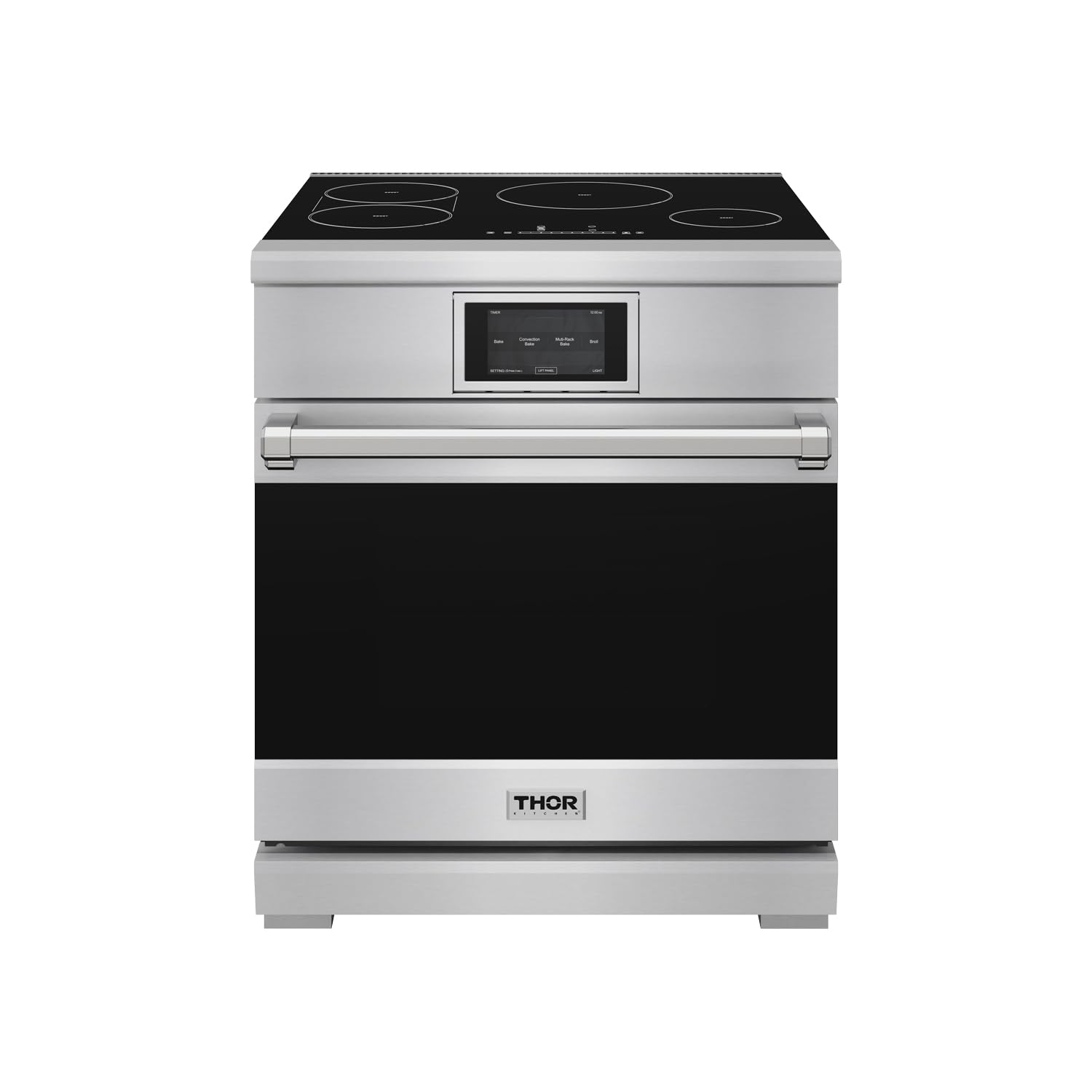
A 30 inch induction range suits many kitchens because it fits a standard cutout while offering a full size oven and a roomy cooktop. The trick is matching the cooktop layout, oven size, controls, and electrical needs to the way you actually cook. A household that boils pasta and simmers sauces most nights needs different strengths than a household that bakes bread every weekend.
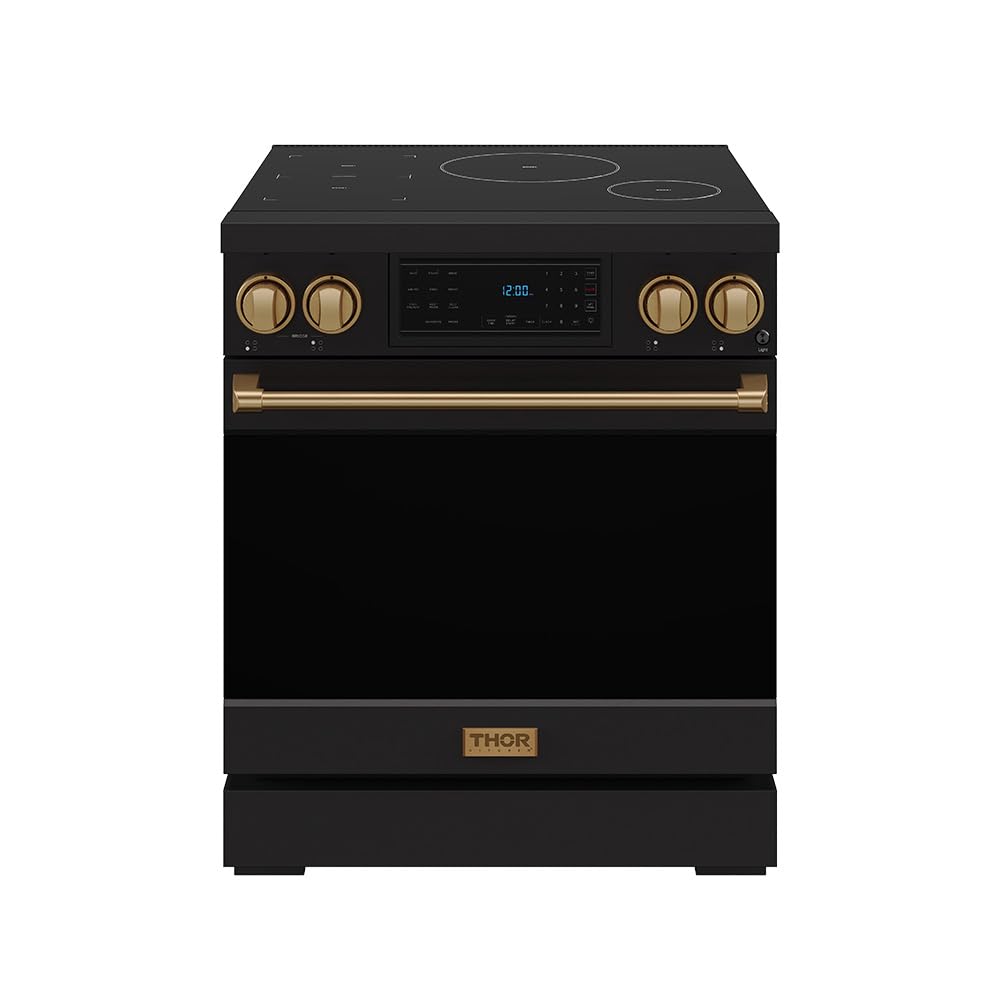

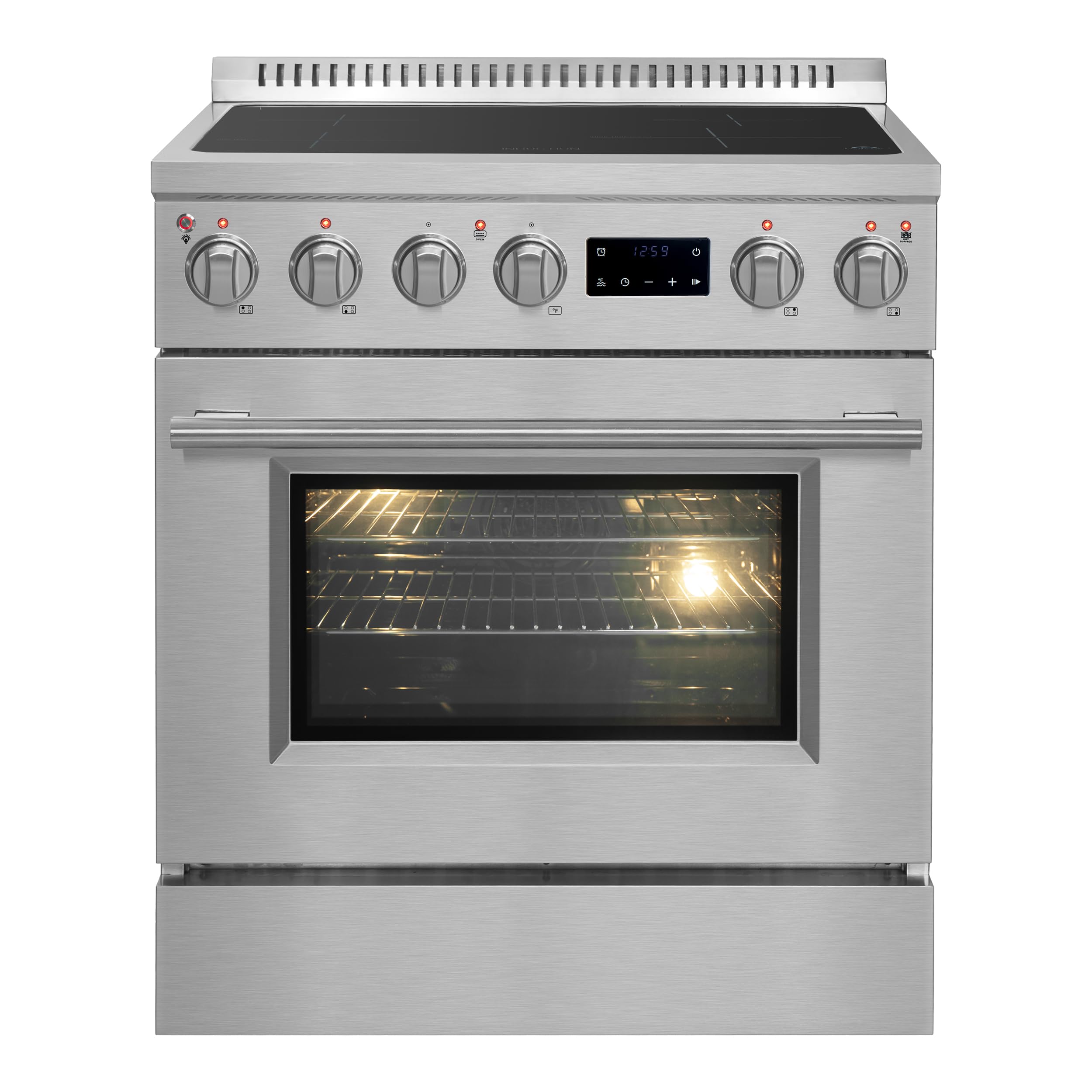

Start With Your Kitchen and Cooking Needs
Before you compare price tiers, measure your space and think about your weekly cooking. A 30 inch range needs a cabinet opening close to 30 inches wide, enough depth for the door to open, and clearance that follows maker guidance. Check whether your kitchen has a slide in or freestanding setup, because that choice affects how the range meets the countertop and backsplash. Also confirm the electrical supply early, since induction ranges usually need a 240 volt circuit installed by a qualified professional.
Next, list the meals you cook most often. If you use two large pots at once, look for a cooktop layout with flexible zones and enough space between elements. If you bake often, oven capacity, even heat, and rack positions matter more than extra cooktop modes. If you cook for one or two people, a simpler range may serve you well and leave money for cookware, which induction cooking requires.
For Everyday Family Cooking
Families need a cooktop that handles a large pot, a skillet, and a saucepan at the same time without crowding. Look for clear element markings, responsive touch or knob controls, and an oven that fits a standard baking sheet with room for air to move. A self cleaning oven can save time, but check how its cleaning cycle works.
For Bakers and Weekend Cooks
Bakers should focus on the oven first. Convection fans can help heat spread evenly across racks, which matters when you bake two trays at once. Look at rack positions and whether the door window gives a clear view without losing heat.
For Small Kitchens and Simple Needs
In a small kitchen, a 30 inch induction range already fills the standard slot, so the goal is to avoid paying for bulk you cannot use. A straightforward cooktop with four elements and a single oven often covers daily meals well. Focus on easy to clean surfaces, a clear display, and controls you can read at a glance. Money saved here can go toward induction ready pots and pans.
What Your Money Gets You With the Best 30 Inch Induction Ranges
Price differences in this category usually reflect cooktop flexibility, oven features, build details, and controls rather than the basic idea of induction cooking. All induction ranges in this guide heat through magnetic energy, so the pan itself becomes the heat source, which gives fast response and a cooktop surface that stays cooler than a traditional electric coil.
Lower Cost Choices
Lower cost ranges typically offer four induction elements, a single oven, and simple touch or knob controls. You can expect solid boiling and simmering performance, a standard oven capacity, and a clean glass cooktop. You may give up flexible bridging zones, a second oven cavity, or advanced smart features. For many households, that trade is sensible, because the core cooking experience stays strong.
Middle Spending Choices
Middle spending ranges often add a bridge element that joins two zones for a griddle or a long pan, plus a convection oven and more precise power settings. Controls may feel more responsive, and the oven may offer more modes such as air fry or proofing. This level suits cooks who want flexibility without paying for luxury finishes or a full suite of connected features.
Higher Spending Choices
Higher spending ranges may add a larger oven, a second oven cavity, premium finishes, and connected features such as remote monitoring through an app. Some also offer more powerful elements and finer low heat control for sauces and melting. Pay for this level when you cook often or bake in volume.
Features Worth Paying For and Ones to Skip
Use this section to sort genuine help from marketing extras. A feature is worth paying for when it solves a problem you face at least weekly. A feature is worth skipping when it sounds impressive but duplicates something you already do easily by hand or with a separate tool you own.
Installation, Electrical, and Safety Needs
Induction ranges need a suitable electrical circuit, and many homes need an electrician to confirm capacity and install the correct outlet. Follow maker guidance for clearance, ventilation, and circuit size, and ask a qualified installer if you are unsure about any part of the job. Gas lines do not apply to a pure induction range, but dual fuel models do need a gas connection, so confirm which fuel type you are actually buying before you plan the install.
Size and Fit in Your Kitchen
Measure the cabinet opening width, depth, and height, and compare those numbers with maker guidance for the range you are considering. A slide in model usually sits flush with the countertop and hides the seam at the back, while a freestanding model includes a backguard and finished sides.
Controls and Smart Features
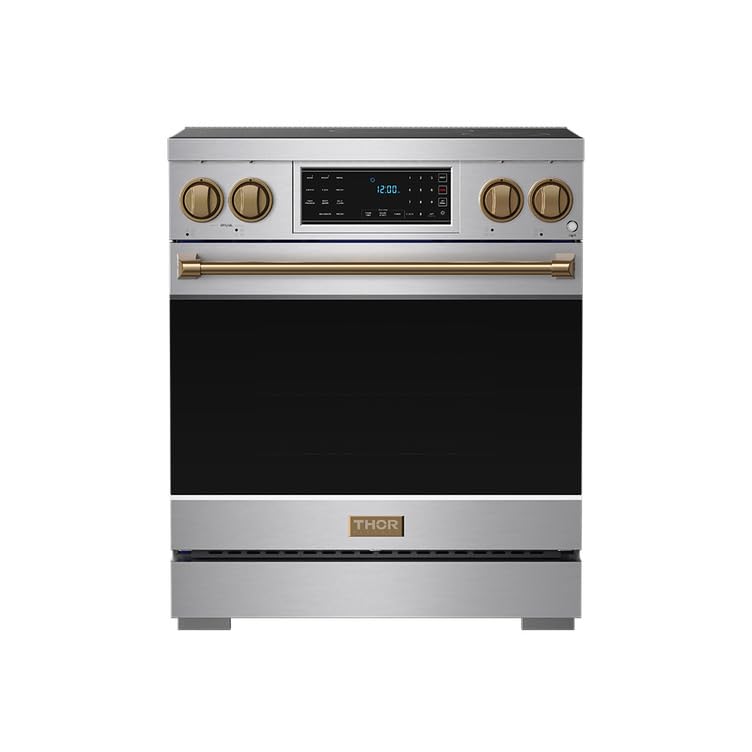
Knobs give a tactile feel and work well with wet hands, while touch controls give a flat surface that wipes clean quickly. Smart features such as app monitoring can help when you want to check oven status from another room, but they should never replace basic safety habits such as staying nearby while cooking.
Fuel Type: Induction Compared With Gas, Electric, and Dual Fuel
Induction heats quickly and responds fast when you lower the power, which helps with sauces and simmering. Gas gives a visible flame and works with any pan, but it adds heat to the room and needs ventilation.
Traditional electric coils heat more slowly and stay hot longer after you turn them off. Dual fuel models pair a gas or induction cooktop with an electric oven, which can suit cooks who want flame on top and even oven heat below, but they cost more to install. See our guide to the best 30 inch ranges if you want to compare the full width class before narrowing to induction.
Features You Can Often Skip
You can often skip a second oven cavity if you rarely cook two dishes at different temperatures. You can skip voice control if you cook with your hands near the controls anyway. You can also skip specialty modes for foods you do not make, such as a dedicated pizza mode when you use a standard bake setting with good results. Put that money toward induction ready cookware, a good baking sheet, or an electrician visit to confirm your circuit.
Long Term Costs to Factor In
The purchase price is only part of the total cost. Induction cooking needs magnetic cookware, so check your existing pots with a magnet or budget for new pieces if yours do not work. Electricity use depends on how often you cook and your local rates, but induction tends to waste less heat than a coil, which can help over time.
Also consider the cost of professional installation, possible circuit work, and warranty coverage for the glass cooktop and electronic controls. A range with a longer warranty on parts and labor may be worth more than a slightly lower sticker price.
Care costs stay modest when you clean spills promptly and use cleaners made for glass cooktops.
30 Inch Induction Ranges: Your Questions Answered
How long does a 30 inch induction range last?
A 30 inch induction range often lasts about 13 to 15 years with regular care, though the exact life depends on use, power quality, and how well the glass and electronics are treated. Heavy daily use and frequent spills left to bake onto the surface can shorten that span. To support a longer life, clean the cooktop after it cools, avoid dropping heavy pans, and follow maker guidance for ventilation and circuit protection. If controls or elements start to behave erratically, contact maker support rather than opening the unit yourself.
What size 30 inch induction range do I need for my kitchen?
You need a range that fits your cabinet opening with the clearances listed in the maker guide, not just a nominal 30 inch width. Measure the opening width at the top and bottom, the depth to the wall, and the height from the floor to the countertop. Also check the door swing and handle depth against nearby cabinets and islands. If your opening is slightly narrow or your floor is uneven, leveling feet and trim options may help, but confirm those details before ordering.
Is convection worth paying extra for?
Convection is worth paying extra for if you bake on multiple racks, roast often, or want more even browning across a full tray. A fan moves hot air around the oven, which can reduce hot spots and shorten cooking time for some dishes. It is less important if you mostly bake a single tray or reheat leftovers. If you choose convection, learn the temperature adjustment for your recipes, since many cooks lower the set temperature slightly when the fan runs.
Is induction better than gas?
Induction is better than gas for fast heating, precise low heat control, and a cooler kitchen, while gas is better if you want a visible flame and cookware freedom. Induction needs magnetic pans and a suitable electrical circuit, which adds upfront cost for some homes. Gas needs ventilation and a gas line, and it adds more heat to the room. If you want to compare wider sizes before deciding, see our guide to the best 36 inch induction ranges for kitchens with room for a larger model.
Do I need a special outlet for an electric range?
Yes, most induction ranges need a dedicated 240 volt circuit and outlet rated for the range, and you should have a qualified electrician confirm the setup. The exact circuit size and outlet type appear in the maker installation guide and on the rating label. Do not use adapters or extension cords for a range, since they can overheat and create a fire risk. If your home has an older panel or limited capacity, get an assessment before you buy so installation costs do not surprise you.
Final Thoughts
Choose a range by fit first, then by the cooktop layout and oven features you will use every week. A lower cost model with the right size and good basic controls often beats a premium model whose extras sit unused. When you compare options, revisit the product table above and check each feature against your own cooking list rather than a generic checklist. With the right fit, suitable cookware, and a safe electrical install, best 30 inch induction ranges can make daily cooking faster, steadier, and easier to clean up.