
Best 10 Quart Stock Pot (2026): Features and Buying Tips
Disclosure: We may earn a commission when you buy through links on this page, at no extra cost to you. As an Amazon Associate I earn from qualifying purchases. Learn more

Shopping for a best 10 quart stock pot? Here is what to check on size, build, features and budget before you buy.
A pot of soup for Sunday can turn stressful when your current pot is too small, too tall for your cabinets, or awkward to lift to the sink. Choosing the best 10 quart stock pot comes down to stove space, household size, and how often you cook in large batches. The comparison table below sums up the main types to consider.
If you want broader context first, our guide to the best stock pot covers the category as a whole. Here the focus stays on fit, storage, and safe handling in a real home kitchen.


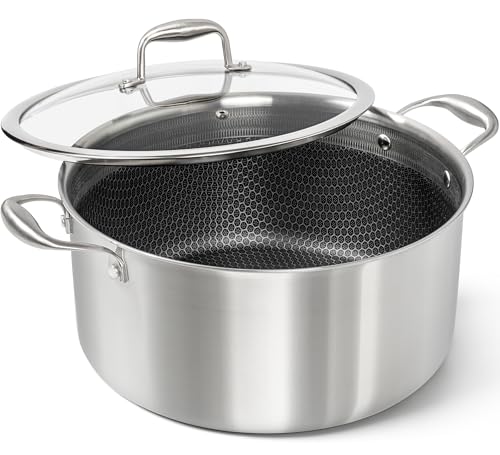


Quick Answer: The Short Version in 30 Seconds
A 10 quart stock pot suits most families who make soup, pasta, stock, and seafood boils for about four to eight people without crowding the stove. Choose stainless steel for durability, a clad build for more even heating, or aluminum for a lighter lift. Prioritize a thick base, sturdy handles, and a lid that fits tightly, and skip inserts unless you use them often.
Before You Buy: A Quick Checklist for Choosing a Stock Pot
Size: Match It to Your Space
A 6 quart pot works for small soups, an 8 quart pot handles weeknight pasta for a small family, and a 12 quart pot gives headroom for corn, crab, or double batches of stock. At 10 quarts you get room to stir without sloshing, yet the pot usually still fits a standard burner and a home sink. Check height too, since a very tall pot can block a microwave above the stove. The guide on what size stock pot do i need helps if you are torn between sizes.
Which Type Fits Your Routine
Stainless steel is the most versatile choice, since it handles high heat, acidic tomatoes, and metal utensils without a coating to protect. A tri ply build adds an aluminum core between steel layers, which spreads heat across the base and helps you brown ingredients before adding liquid. Plain aluminum is light and heats fast, but it can react with acidic foods. Enameled steel resists staining, yet the enamel can chip if dropped. Nonstick suits gentle simmering, but most coatings wear with frequent high heat use.
Features Worth It and Ones to Skip
A strainer lid can help you drain pasta water without a separate colander, and a pasta insert lets you lift noodles out while keeping the water for another batch. A steamer basket adds value if you steam vegetables or seafood often. For most soup and stock cooks, a plain tight lid and clear capacity marks inside the pot matter more. A spigot adds a cleaning task and a leak point at home, so skip it unless you truly need one.
Is It Non Toxic?
Plain stainless steel, enameled steel with intact enamel, and uncoated aluminum contain no PFAS or PTFE, because those substances appear in many traditional nonstick coatings. Ceramic style coatings are often marketed as an alternative, but they tend to lose their slick surface faster, especially with high heat and frequent washing. Discard any pot if a coating is peeling or enamel is chipped into the cooking surface, and follow the maker directions for use and care.
Induction, Gas and Glass Top Compatibility
Induction burners require a magnetic base, so check product details for induction wording before you buy. Stainless steel with an added magnetic layer and enameled steel usually work, while plain aluminum does not unless it has a bonded induction plate. Gas stoves accept nearly every material, but a flat stable base still matters. On a glass top stove, lift a heavy pot instead of dragging it, and choose a smooth flat bottom. See our guide to the best stainless steel stock pot for more on steel bases.
Oven Safe Temperature and Handles
Some cooks start a sauce on the stove and finish it in the oven, so check the stated oven limit for both the pot and its lid. Glass lids and plastic knobs often have lower limits than the pot body. Handles matter even more for safety, since 10 quarts of liquid weighs about 21 pounds before food and the pot itself. Look for wide handles you can grip with oven mitts on, with no wobble when you lift.
Realistic Budget Ranges
At under $30, expect thin aluminum or basic stainless steel, a simple lid, and lighter handles that dent and heat less evenly. At under $50, you usually get a thicker base, clearer measurement marks, and sturdier handles. At under $100, clad construction and better lid fit become common. At under $200, you pay for fully clad walls, refined finish, and longer warranty support. For most homes the middle ranges balance cost and lifespan best, since very cheap pots often need replacing sooner.
Types Compared: How to Choose Without Guesswork
If you make stock weekly, simmer acidic sauces, and want a pot you can scrub without worry, stainless steel with a thick bonded base is the practical default. It tolerates high heat for browning and needs no seasoning or special storage. If even heating is your top concern and you often brown meat and onions first, a tri ply type is worth the extra cost, though it is heavier and pricier.
If lifting is difficult or you mainly boil pasta and corn a few times a month, a lighter aluminum type may serve you better, as long as you keep long acidic simmers for another vessel. Enameled steel sits between these options for looks and stain resistance, provided you handle it gently and avoid sudden temperature swings. Households that cook for gatherings should also compare the best 12 quart stock pot for crowds and the best 8 quart stock pot for smaller batches and tighter storage.
What Separates One Pot From Another
Pots differ on heat distribution, durability, material safety, stove and oven compatibility, and ease of cleaning. Maker specifications for dimensions, base construction and stated temperature limits are the best starting point, along with patterns in buyer feedback about lid fit, handle security, warping and staining. Pots too tall for a typical stove setup or too wide for a standard burner are worth setting aside early.
Is a 10 Quart Stock Pot the Right Size for You?
For many homes, yes. A 10 quart pot holds a whole chicken with vegetables for stock, a large batch of chili for freezing, or pasta for a family dinner with room to stir. Fill it only about two thirds to three quarters full for soups, which leaves space for bubbling and for ingredients that expand. It is more pot than a couple needs daily, and it will feel bulky to wash after a small soup.
Think about storage honestly. Measure the shelf or cabinet where the pot will live, including the lid, and check that you can lift it out without twisting at an awkward angle. If you host seafood boils or cook for ten or more people often, step up a size instead of overfilling this one and risking a boil over on the stove.
Common Buying Mistakes to Avoid
- Buying by capacity alone and ignoring height, so the pot will not fit under an overhead microwave or inside your cabinet.
- Choosing a base that does not match your stove, especially a nonmagnetic base for induction, which will not heat at all.
- Paying for inserts you will rarely use, while accepting thin metal and weak handles you will notice every time.
- Overlooking total weight when full, which can make draining pasta water at the sink unsafe for one person alone.
- Assuming a low price saves money, even though thin pots warp and coatings wear, leading to a second purchase sooner.
Cost of Ownership and Care
A stock pot has no filters or parts to replace on a schedule, so ownership cost is mostly care and eventual replacement. Stainless steel and clad pots can last many years, while nonstick surfaces usually set the replacement timeline, since the coating wears even with careful use. Wash the pot after it cools enough to handle safely, and avoid pouring cold water into a very hot empty pot, since a sudden change can warp a thin base.
Dry stainless steel before storing to limit water spots, and protect glass lids and enamel from knocks in the cabinet. Stacking heavy pans inside can scratch the interior, so use a cloth protector if you must nest cookware. For help with stains, mineral marks, and stuck food, follow the guide on how to clean a stock pot rather than harsh methods that can damage the finish.
Your Questions, Answered
What is the most reliable stock pot brand?
Reliability depends more on construction than on a name on the side of the pot. Look for a thick base that sits flat, handles with no movement, a lid that seats evenly, and clear warranty terms. Consistent buyer reports about warping or loose handles are a stronger warning sign than a familiar logo, so weigh build details and support first.
How do you clean a stock pot?
Let the pot cool, then soak stuck food in warm water with a small amount of dish soap before you scrub. A soft sponge handles daily soil, while a paste of baking soda and water helps lift light stains on stainless steel. Dry the pot fully before storing it, since standing moisture in a covered pot can leave odors that carry into the next batch.
Is a stock pot worth it?
Yes, if you make soup, stock, pasta, or large batch meals a few times a month and your smaller pots force you to cook in two batches. Splitting a recipe wastes time and makes seasoning harder to judge. If you rarely cook more than four servings at once, a smaller Dutch oven or saucepan set may cover your needs with far less storage space.
How long does a stock pot last?
A stainless steel or clad stock pot can serve for a decade or longer with normal home use, provided the base stays flat and the handles remain tight. Aluminum and enameled pots often show wear sooner through warping or chipped enamel. Replace any pot whose base rocks on the stove, whose handles move under load, or whose cooking surface is damaged.
What size stock pot do I need?
Start with the largest meal you cook often, not the largest meal you can imagine. For families of four to six who make soup and pasta regularly, 10 quarts usually gives enough headroom without excessive weight. Add size if you boil whole seafood or can in large batches, and size down if most meals serve two to three people and storage is limited.
What is the best 10 quart stock pot?
The best choice fits your burner, your sink, and your storage, with a base suited to your stove and handles you can grip securely when the pot is full. For most homes that means stainless steel or tri ply with a thick base and a plain tight lid. Match the material to how you cook, rather than paying for inserts or finishes you will not use each week.
Final Thoughts
A 10 quart pot earns its shelf space when it makes family soups, pasta nights, and stock days simpler instead of more awkward. Focus on fit, base construction, handle security, and a material you will care for without fuss, and use the product table above to compare types side by side. Chosen well, the best 10 quart stock pot becomes the pot you reach for whenever a regular saucepan is simply too small.


