
Best 12 Quart Stock Pots (2026): Size, Features and Buying Tips
Disclosure: We may earn a commission when you buy through links on this page, at no extra cost to you. As an Amazon Associate I earn from qualifying purchases. Learn more
What matters when choosing the best 12 quart stock pot: size, features, budget and the mistakes to avoid.
A 12 quart pot sounds simple until it has to share a shelf with everything else you own. Picture a Sunday pot of soup for six, with leftovers planned for the week. The best 12 quart stock pot for that home fits the shelf, the burner, and the people at the table. The product table on this page lists current options so you can see the trade offs at a glance.
This guide focuses on fit for real homes rather than pure cooking performance. You will match capacity to household size, check the footprint against your storage, and weigh cleaning and cost. For the broader view, start with our guide to the best stock pot, then come back here.


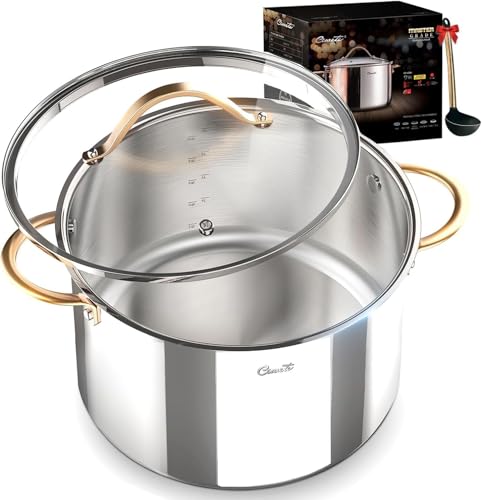

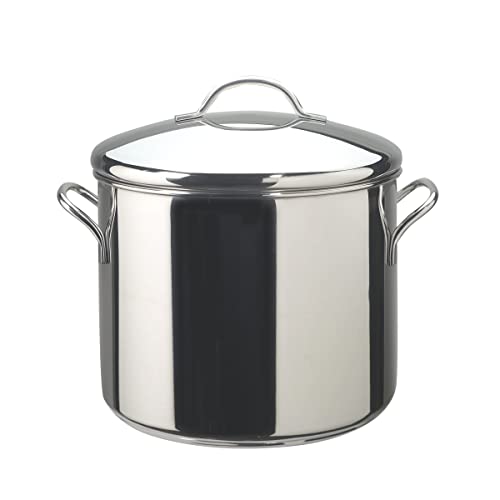


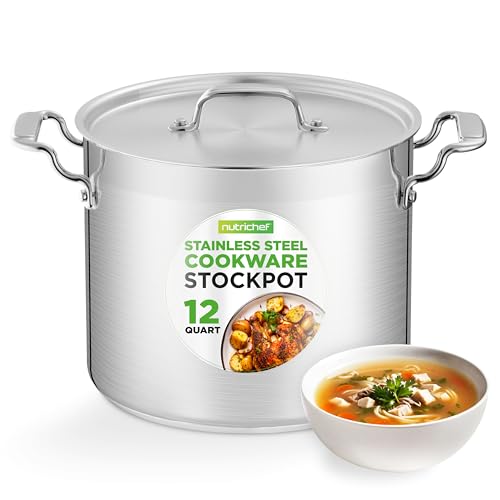
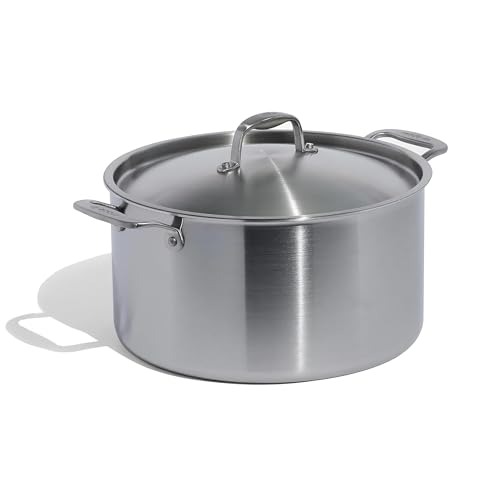
Quick Answer: The Main Build Styles in 30 Seconds
Three build styles cover almost every home. Fully clad stainless steel spreads heat evenly and lasts for decades, but it costs the most. Single layer stainless steel or aluminum costs less and feels lighter, though the base can scorch thick sauces. Enameled steel cleans easily and looks at home on the table, yet the enamel can chip on a hard knock. Pick clad steel for daily heavy use, single layer metal for occasional big batches, and enamel for easy cleanup.
Before You Buy: A Quick Checklist for Choosing a Stock Pot
Size: Match It to Your Space
Capacity is only half of the size question. A 12 quart pot is usually about 9 to 10 inches across and 9 to 11 inches tall, so measure the cabinet or shelf where it will live before you order. The base should sit fully on the burner. Smaller sizes such as 6 or 8 quart suit couples, while 16 quart and up serve crowds. If most of your cooking is for two, compare the best 8 quart stock pot first.
Which Type Fits Your Routine
Stainless steel is the default for most homes because it handles acidic tomato sauces, browns meat well, and goes in the dishwasher. Aluminum heats fast and costs less, but it can react with long simmered acidic foods and often needs hand washing. Nonstick suits gentle soups yet wears out sooner and dislikes high heat. Fully clad tri ply adds an aluminum core for even heat. If clad steel is your direction, see our guide to the best stainless steel stock pot.
Features Worth Paying For and Ones to Skip
A strainer lid helps when you drain pasta water or pour off stock without a separate colander, and a pasta insert lifts noodles out in one motion. A steamer basket earns its space if you cook corn or shellfish often. A spigot matters mainly for brewing. Skip inserts you will use once a year, because every extra piece needs storage and washing. A plain, well fitting lid and sturdy handles usually beat a stack of accessories.
Material Safety and Non Toxic Concerns
Shoppers who want to avoid PFAS and PTFE coatings can simply choose bare stainless steel, enameled steel, or aluminum with no coating at all. Ceramic style coatings are free of PFAS and PTFE, but the surface wears faster than bare metal and needs gentler tools. Cast iron is rare at this size because a full pot of this capacity would be extremely heavy to lift. Follow the maker heat limits for coatings, and retire a nonstick pot once the surface is deeply scratched.
Induction, Gas and Glass Top Compatibility
Check the base before anything else. Induction burners need a magnetic base, so bring a fridge magnet when you shop in person, or look for an induction ready note in the specs. A flat, wide base keeps the pot stable on glass top ranges and spreads heat across the burner. On gas, a base that matches the flame ring prevents wasted heat and scorched handles. Tall pots heat slowly, so allow extra time to reach a rolling boil.
Oven Safe Limits and Handles
Many stock pots can move from stove to oven for braises or for keeping soup warm, but limits vary. Glass lids often carry a lower oven limit than metal lids, and plastic handle covers may not be oven safe at all. Check the stated limit for the whole pot, lid included. Side handles should be wide enough for two hands with pot holders. A full pot of water weighs about 25 pounds before the pot itself, so handle comfort is a safety point.
Realistic Budget Ranges
Most home cooks land under $100, and plenty of solid options sit well under $50. The bands below show what each step up buys you.
- Under $30: thin single layer steel or aluminum, fine for occasional stock or a seafood boil, but expect hotter spots.
- About $30 to $50: thicker bases and better fitting lids, a sensible band for most home cooks.
- About $50 to $100: clad bases or fully clad walls, stronger handles, and durable finishes.
- About $100 to $200: fully clad construction and longer warranties, worth it if the pot works several times a week.
Three Build Styles Compared
Fully Clad Stainless Steel for Most Homes
Fully clad steel wraps an aluminum core inside stainless steel, so soup heats evenly from the bottom and the sides. That even heat helps when you brown meat before a long simmer, and the bare metal surface shrugs off metal tools and decades of use. The trade offs are price and weight, since a clad pot costs the most and feels heaviest empty. Choose this style if the pot will earn its shelf space with weekly soups and stocks.
Single Layer Steel or Aluminum for Tight Budgets
Single layer pots keep costs down and stay easy to lift, which matters when the pot is full. They shine at water based jobs such as boiling pasta and making simple stocks, where even heat matters less. The weak point is the thin base, which can develop hot spots that scorch milk based soups or thick chowders if you walk away. Choose this style for occasional big batches, a second home, or a first apartment where the pot works a few times a month.
Enameled Steel for Easy Care and Table Service
Enameled steel puts a smooth glass like coating over a steel core, so tomato stains and stock lines wipe away with little scrubbing, and the pot looks presentable served at the table. It costs less than fully clad steel. The risk is chipping, because a hard knock on a faucet or a metal shelf can crack the enamel and expose the steel beneath to rust. Choose this style if easy cleanup matters most.
How These Build Styles Were Compared
The comparison above weighs heat distribution, durability, material safety, stovetop and oven compatibility, and cleaning effort, because those factors decide how a pot behaves week after week. The judgments draw on maker specifications and patterns in verified buyer reviews, with extra weight on storage fit, household size, and cost of ownership.
Is a 12 Quart Stock Pot the Right Size for You?
Twelve quarts is about 48 cups, which covers soup for eight to ten people with leftovers, a large batch of bone broth for the freezer, or a family pasta night with room for the water to return to a boil. It also handles a modest seafood boil or a rack of jars for water bath canning. The size earns its keep in homes of four or more, and in smaller homes that batch cook on weekends.
The same pot is too much if you cook for one or two, own a small stove with tight burner spacing, or lack a shelf tall enough to store it. A smaller pot you reach for often beats a large pot that lives in the garage. Still unsure? Our guide on what size stock pot do i need walks through servings per quart. And if you host boils for a crowd often, step up to the best large stock pot sizes instead.
Common Buying Mistakes to Avoid
- Buying by capacity alone and ignoring height, so the pot will not fit the shelf you planned for it.
- Choosing a base much wider than your largest burner, which wastes heat and leaves the center slow to boil.
- Filling the pot to the brim for pasta, so starchy water boils over and across the stove.
- Picking a nonstick pot for searing and long rolling boils, which wears the coating out years sooner.
- Forgetting the weight of a full pot when you plan how it will travel from stove to sink.
Cost of Ownership and Care
Ownership cost stays low with any build style, since a stock pot has no filters or parts that wear on a schedule. Your real costs are the odd replacement lid, an insert you add later, and the storage space the pot occupies. Cooking with the lid on brings water to a boil faster and trims energy use. For stains and stuck on residue, our guide to how to clean a stock pot walks through the right method for each material.
Daily care is simple. Wash the pot warm and soapy, and dry it fully before storage so water marks and rust spots never start. Keep aluminum out of the dishwasher, since the detergent can dull the surface. Store the pot where you can lift it out without dragging it across other pans, because most dents and chips happen in the cabinet, not on the stove.
Your Questions, Answered
What is the most reliable stock pot brand?
Reliability tracks construction more than the name on the side. A pot with a thick, flat base, solid handles, and a lid that sits flush will outlast a famous label built thin. One practical check is whether the maker sells replacement lids and handles, because spare parts signal a pot built for long service. A clear warranty in writing is a better signal than any logo.
How do you clean a stock pot after making stock?
Start by straining the stock while it is still warm, then soak the empty pot in warm soapy water for about 20 minutes so the protein film releases. Wash with a soft sponge and dry it right away. One extra trick for stainless steel is a quick wipe with plain white vinegar, which removes the rainbow tint that heat can leave behind and restores the shine without scrubbing.
Is a 12 quart stock pot worth it for a small household?
It can be, if you cook in batches. One large pot of soup or broth becomes several frozen meals, which saves money and weeknight effort, and the same pot covers the few times a year you host. The honest catch is storage, since a pot this size claims a full shelf. If you rarely cook ahead and never host, the money and shelf space will serve you better elsewhere.
How long does a stock pot last?
A bare stainless steel or enameled pot can serve for decades, while a nonstick pot usually gives about three to five years before the coating tires. Watch for the retirement signs: a base that no longer sits flat and rocks on the burner, a lid that has warped out of seal, or handles that stay loose after tightening. Any of those means the pot should be replaced.
What is the best 12 quart stock pot?
The best 12 quart stock pot is the one that matches your stove, your shelf, and your cooking habits, and the product table above shows how the main build styles stack up. Fully clad steel suits daily cooks who want even heat. Single layer metal suits occasional big batches on a budget. Enameled steel suits cooks who prize easy cleanup. Check base compatibility with your burners first, because that detail rules out more pots than any other.
Final Thoughts
Choosing well comes down to fit. Measure your shelf, check your burner, count the people you feed, and pick the build style that matches how often the pot will work. The best 12 quart stock pot for your home is the one you can store, lift, and clean without friction, and the product table above will help you confirm the choice. Prices and availability can change, so check the product page before ordering.


