
Best 16 Quart Stock Pots (2026): Size, Features and Buying Tips
Disclosure: We may earn a commission when you buy through links on this page, at no extra cost to you. As an Amazon Associate I earn from qualifying purchases. Learn more

What matters when choosing the best 16 quart stock pot: size, features, budget and the mistakes to avoid.
The first cold weekend of soup season is when many home cooks discover their biggest pot is too small. A double batch of chili or a seafood boil for the whole family can overflow it in minutes. Choosing the best 16 quart stock pot for your home comes down to three things: the space you have, the number of people you feed, and the budget you can justify for a pot you may use for decades.
This guide walks through those factors in plain order: how the build types compare, what the size means in a normal kitchen, and which extras are worth paying for. Start with the product table on this page, then use the checklist that follows. If capacity is still open, our guide to the best stock pot sizes and styles helps.
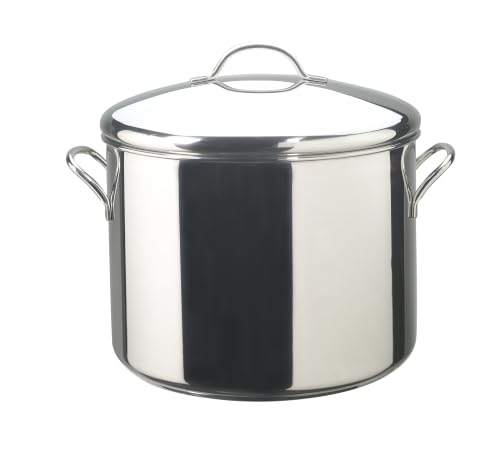


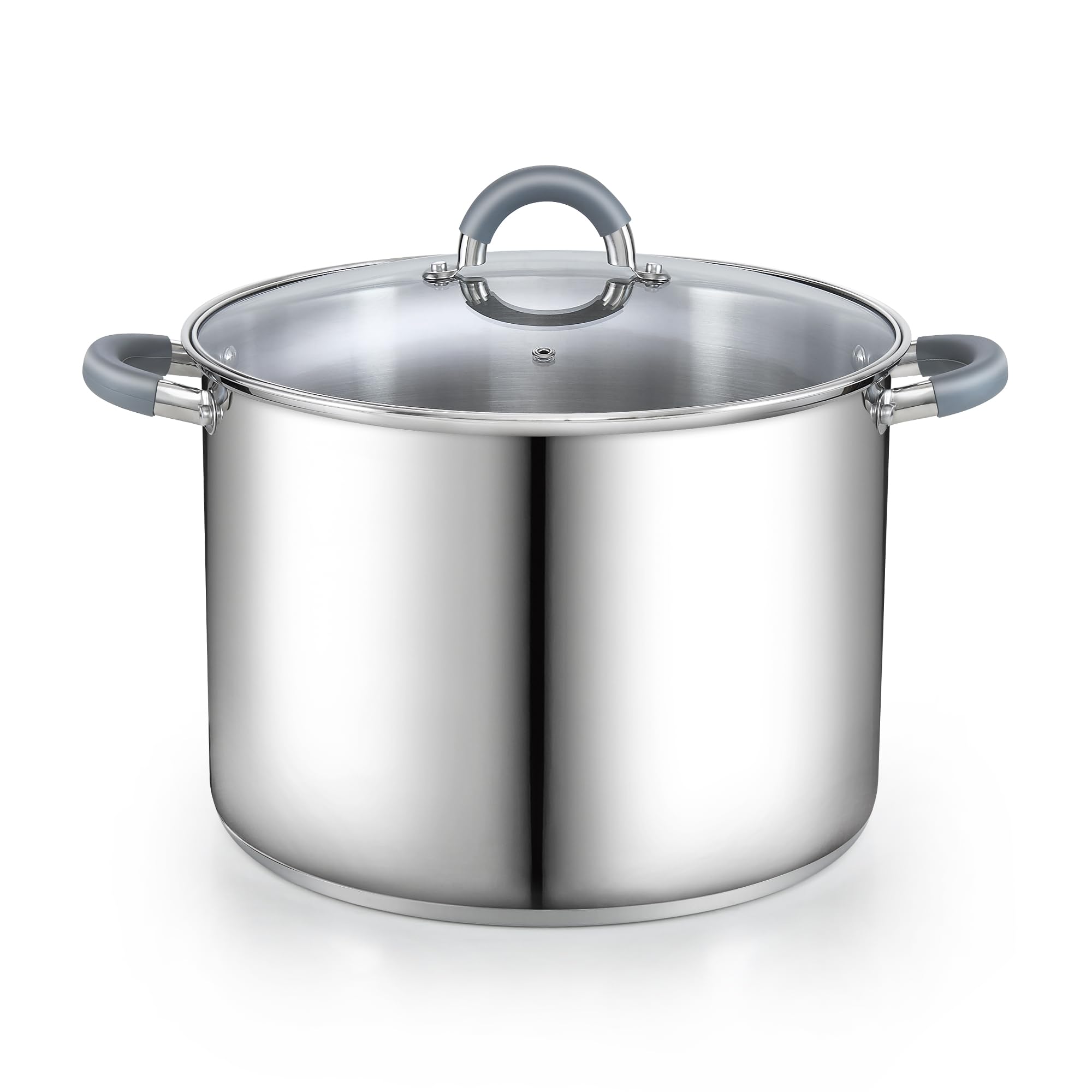
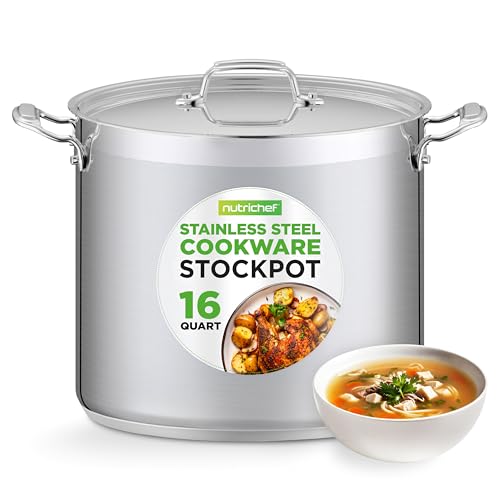

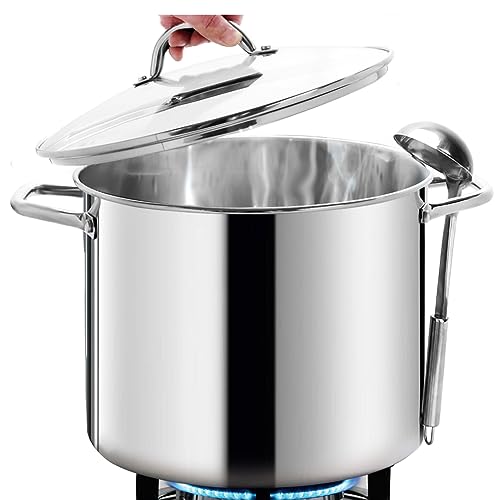

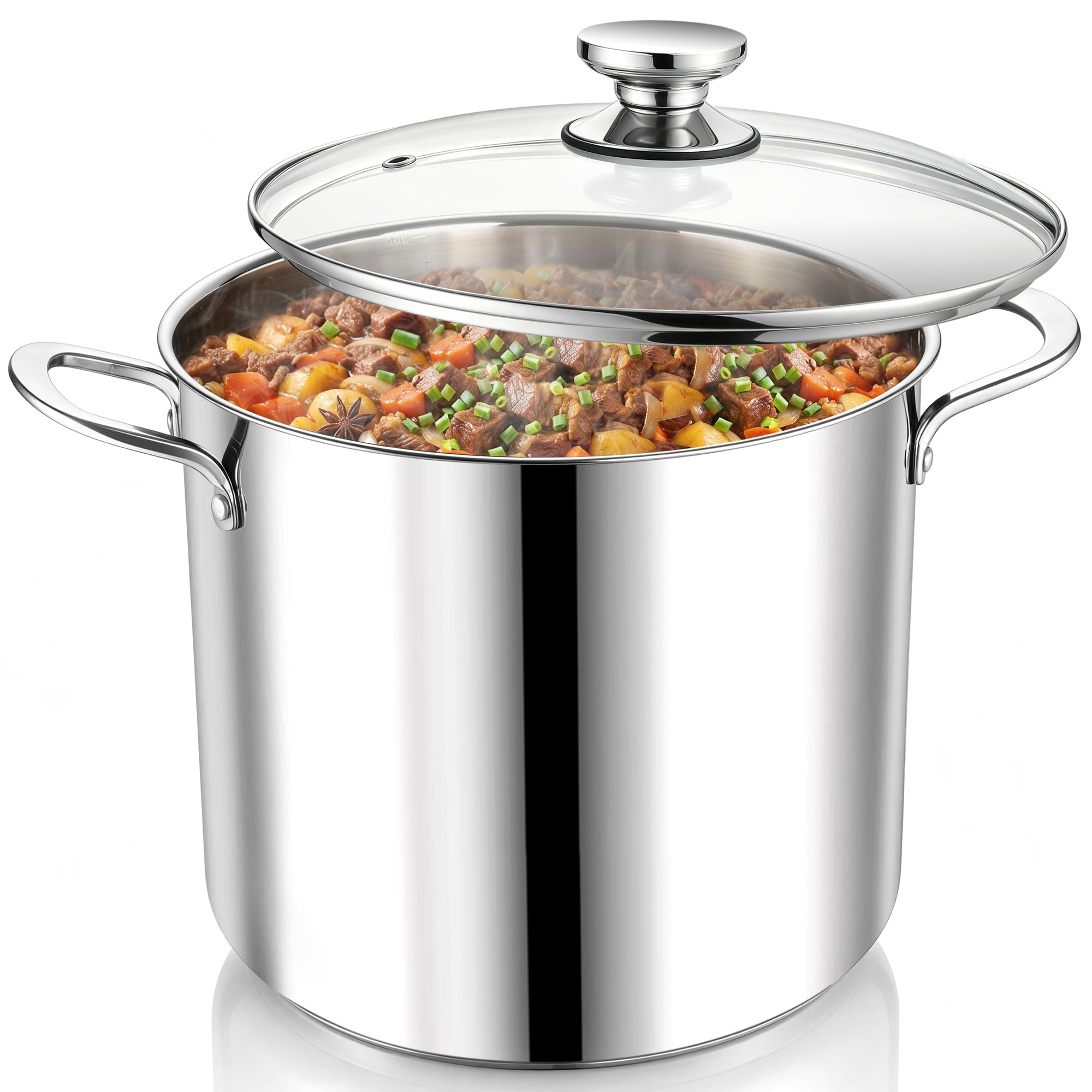

Quick Answer: Three Build Types Compared
Sixteen quart pots fall into three broad build types, and each suits a different kind of home. Single layer stainless steel or aluminum pots cost the least and weigh the least, which matters when you lift a full pot. Clad stainless pots with a thick layered base cost more but heat evenly and resist scorching during long simmers. Enameled and heavy gauge pots sit in between. For most households, clad stainless is the balanced choice for weekly cooking, while a single layer pot does the job for a few big cooks a year.
Before You Buy: A Quick Checklist for Choosing a Stock Pot
Size: Match It to Your Space
A 16 quart pot holds 4 gallons, and most models stand about 10 to 12 inches tall with a base about 10 to 12 inches across. Measure the cabinet where it will live, and check the clearance above your stove before ordering. Weight matters too: the water alone in a full pot weighs about 33 pounds, so some cooks are better served by a smaller pot filled twice. Our guides to the best 12 quart stock pot and the best 8 quart stock pot cover the step down sizes, and the guide on what size stock pot do i need does the math by household size.
Which Type Fits Your Routine
Stainless steel handles high heat, acidic tomato based stocks, and metal utensils, which is why a best stainless steel stock pot is the default pick for daily cooking. Aluminum heats fast and costs and weighs less, but it can react with long acidic simmers and most bare aluminum is not induction ready. Enameled steel cleans easily, though the coating can chip after a hard knock. Tri ply construction bonds an aluminum core between steel layers, so heat spreads evenly. Nonstick interiors make less sense here, because long simmering wears the coating out in a few years.
Features Worth It (and Ones to Skip)
A pasta insert earns its space if you cook pasta weekly, because you lift the pasta out and keep the starchy water for a second batch. A steamer basket helps with tamales, dumplings, and shellfish. A strainer lid sounds handy, but many fit loosely and drip when you pour. A spigot only pays off for draining seafood boils or rendering stock often; otherwise it is one more part to scrub and one more seal that can leak. Worth having on every pot: sturdy riveted handles, a snug lid, and measurement marks stamped inside the wall.
Is the Material Safe to Cook With?
Plain stainless steel, plain aluminum, and enamel over steel are stable cooking surfaces with nothing to peel or flake into food. PTFE based nonstick coatings carry a maximum temperature set by the maker and degrade over years of use, so they are a poor match for a pot kept for decades. Ceramic style coatings are free of PFAS chemistry but lose their slick surface faster than PTFE. If long life matters more than easy release, skip coatings.
Induction, Gas and Glass Top Compatibility
Induction burners need a magnetic base, so check that the listing states induction compatibility or try a magnet on a floor model. A flat, smooth base protects a glass top from scratches and keeps full contact for even heating. On gas, the base diameter should sit close to the burner size: flames licking up the sides waste heat and scorch handles. A base that rocks even slightly will heat unevenly for its whole life, so check flatness when the pot arrives.
Oven Safe Temperature and Handles
The oven rating reveals how the handles and lid are built. All metal handles with a steel lid usually carry the highest ratings, often up to about 500 degrees. Handles wrapped in silicone or fitted with plastic parts lower that ceiling, sometimes to about 350 degrees. If you finish braises in the oven, match the parts to the temperatures you use and treat the maker rating as a hard limit.
Realistic Budget Ranges
Under $30, expect a thin single layer pot that boils well but can scorch a thick stew left unattended. From about $30 to $50, walls and bases get thicker and handles feel more secure, suiting seasonal canning and holiday cooking. From about $50 to $100, you enter clad territory, with layered bases that spread heat well enough for weekly stock making. Above about $100 to $200 buys fully clad walls, heavier steel, and longer warranties.
Three Build Types in Detail
Single Layer Stainless or Aluminum: The Lightweight Value
This is the classic tall pot sold everywhere, made from one sheet of metal with a simple lid. Its strengths are price and weight: you can move it without strain, and a dent costs little worry. The trade off shows up at the burner, where a thin base creates a hot ring that can scorch onions or beans early in a soup. For water based jobs like boiling corn, blanching vegetables, or heating canning jars, that weakness barely matters, which suits occasional big batch cooking.
Clad Stainless: The Long Term Workhorse
Clad pots bond layers of steel around an aluminum or copper core. A disc base version puts that metal only at the bottom, while fully clad models carry it up the walls. Either way, the base spreads burner heat across its full width, so stock simmers evenly instead of bubbling hard in one ring. This is the type for bone broth, beans, and tomato sauces that sit on low heat for hours. It costs and weighs more, but it asks the least attention while cooking.
Enameled and Heavy Gauge Pots: Steady Heat, Easy Release
Enameled steel and thick cast aluminum pots hold heat in their mass, smoothing out the temperature swings of a cycling electric burner. The enamel surface releases stuck on food more easily than bare steel and resists staining from beets, turmeric, and tomato. The caution is impact: enamel can chip where a ladle strikes the rim, and a chipped spot can rust if it sits wet. Heavy gauge aluminum avoids that chipping risk, unless long acidic simmers are the main job.
How the Options Were Evaluated for This Guide
The comparison here rests on five criteria: heat distribution, durability of body and handles, material safety, stovetop and oven compatibility, and ease of cleaning and storage. Details come from maker specifications and patterns in verified buyer reports, such as warped bases and loose handles.
Is a 16 Quart Stock Pot the Right Size for You?
This size shines in four situations. Households of five or more can cook a full batch of soup with leftovers for the freezer. Meal prep cooks can make a week of broth or shredded chicken in one session. Home canners can run a water bath for quart jars without crowding. Hosts can boil seafood, corn, and potatoes together instead of in relays.
It is the wrong size when your cooking rarely passes 8 quarts, because a half empty large pot heats more water than the food needs. It also fits small kitchens poorly, and it is a bad match for anyone who cannot safely lift about 40 pounds of pot and water to the sink.
Common Buying Mistakes to Avoid
- Buying for the biggest meal of the year, so the pot crowds your cabinets the other 364 days.
- Skipping the cabinet measurement, so the new pot only fits on the stove.
- Ignoring your stove type, so an induction owner gets a base the burner cannot sense.
- Paying for inserts and a spigot used once, while settling for thin metal regretted weekly.
- Choosing a coated interior for a pot meant to last decades, though coatings wear out in years.
- Forgetting the full weight, so a full pot of stock becomes an unplanned two person lift.
Cost of Ownership and Care
A stock pot has almost no running costs: no filters, pads, or parts that wear out on a schedule. Your real costs are the water and energy to heat 4 gallons, so fill the pot only as full as the recipe needs. Ownership stays cheap when you dry the pot fully before storing it and store the lid slightly ajar in damp climates so odors do not build up. For washing methods and stain removal, see our step by step guide on how to clean a stock pot.
Your Questions, Answered
What is the most reliable stock pot brand?
Reliability tracks construction more than the logo on the side. Look for handles attached with heavy rivets, a base that stays flat, and a warranty covering warping for many years. One check buyers overlook: confirm the maker sells replacement lids, because a lost lid is the most common reason a good pot leaves service early. A mid priced clad pot with those traits outlasts a famous name built thin.
How do you clean a stock pot?
Start by soaking the pot in warm soapy water for half an hour, which loosens most residue without scrubbing. For a scorched layer, cover the bottom with water, add a spoon of baking soda, and simmer about 10 minutes, then lift the softened layer away with a wooden spoon. Rainbow tints on steel come from heat and wipe away with vinegar on a cloth.
Is a stock pot worth it?
It is worth it if you cook in volume at least once or twice a month, because one large pot replaces relay cooking and extra washing up. It is harder to justify for a household of one or two whose largest regular job is pasta, which an 8 quart pot already handles. Borrowing a large pot for one big cook is a fair test before buying.
How long does a stock pot last?
A stainless or enameled pot with no coating can serve for decades, because there is no surface layer scheduled to wear away. Coated interiors usually give three to five years before release performance fades. Retire any pot when the base rocks on a flat surface, the handles stay loose after the rivets are checked, or rust returns after cleaning. Bodies rarely fail first; lids and handles decide the real lifespan.
What size stock pot do I need?
Match the pot to your tallest and bulkiest regular job rather than to headcount alone. A dozen ears of corn, a pile of crab, or a stack of canning jars needs height as much as volume. Measure that load in your current pot, then add about a quarter more room for boiling headspace. Most households land on 8 quarts for daily cooking, 12 for family soups, and 16 for canning, seafood boils, or freezer batches.
What is the best 16 quart stock pot?
For most homes, it is a clad stainless pot with a flat magnetic base, riveted metal handles, and a snug steel lid, sized to your burner. Start with your stove, because compatibility rules out whole categories at once, then weigh use against price. A seasonal canner can spend far less on a light single layer pot and lose nothing, while a weekly broth maker earns the money back through years of even simmering.
Final Thoughts
A 16 quart pot is a simple tool: buy the build that matches your stove, your storage, and your real cooking routine, and it will serve for years. Use the product table above to compare the build types against your budget once more. For most households, the best 16 quart stock pot is the clad stainless one that fits their burner and their cabinet.


