
Best Air Quality Monitor for 2026: A Complete Buying Guide
Disclosure: We may earn a commission when you buy through links on this page, at no extra cost to you. As an Amazon Associate I earn from qualifying purchases. Learn more
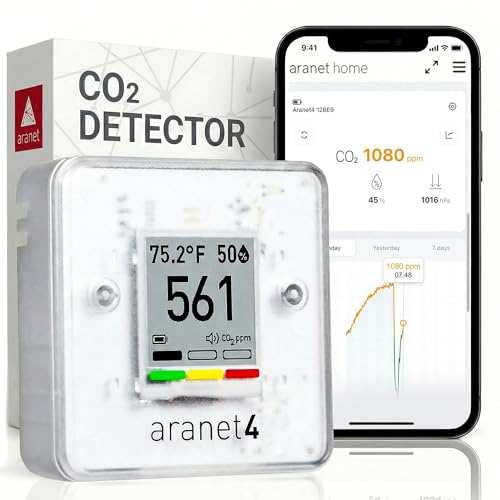
Match sensors, accuracy, power and app features to your home with this guide to choosing the best air quality monitor for your rooms.
Choosing a monitor is harder than it looks because homes differ in size, sources of pollution, and the health concerns that matter most to you. The best air quality monitor for one household may track cooking particles and pollen, while another household needs steady carbon dioxide readings for a home office or radon checks in a basement. This guide explains the sensors, accuracy, and features that actually change your decision.
You will learn how to match sensor types to your rooms, compare smart home compatibility, and judge power options, subscriptions, and privacy before you spend. Use the product table to see how the main types differ at a glance, then work through the profiles and checklists that follow to narrow your shortlist with confidence.

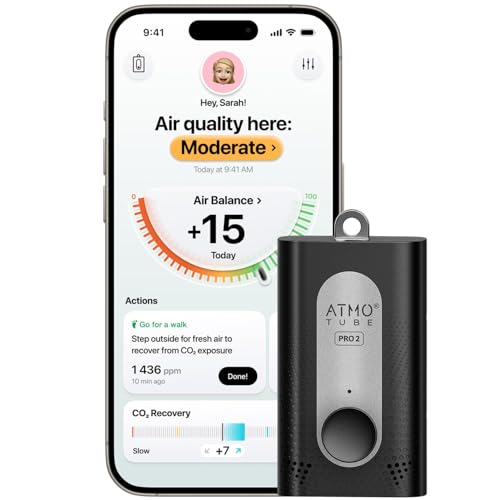
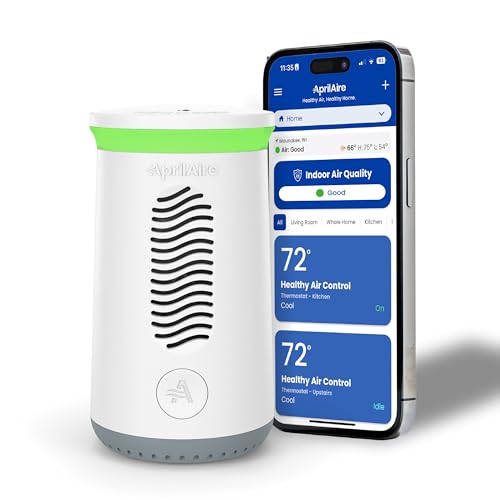
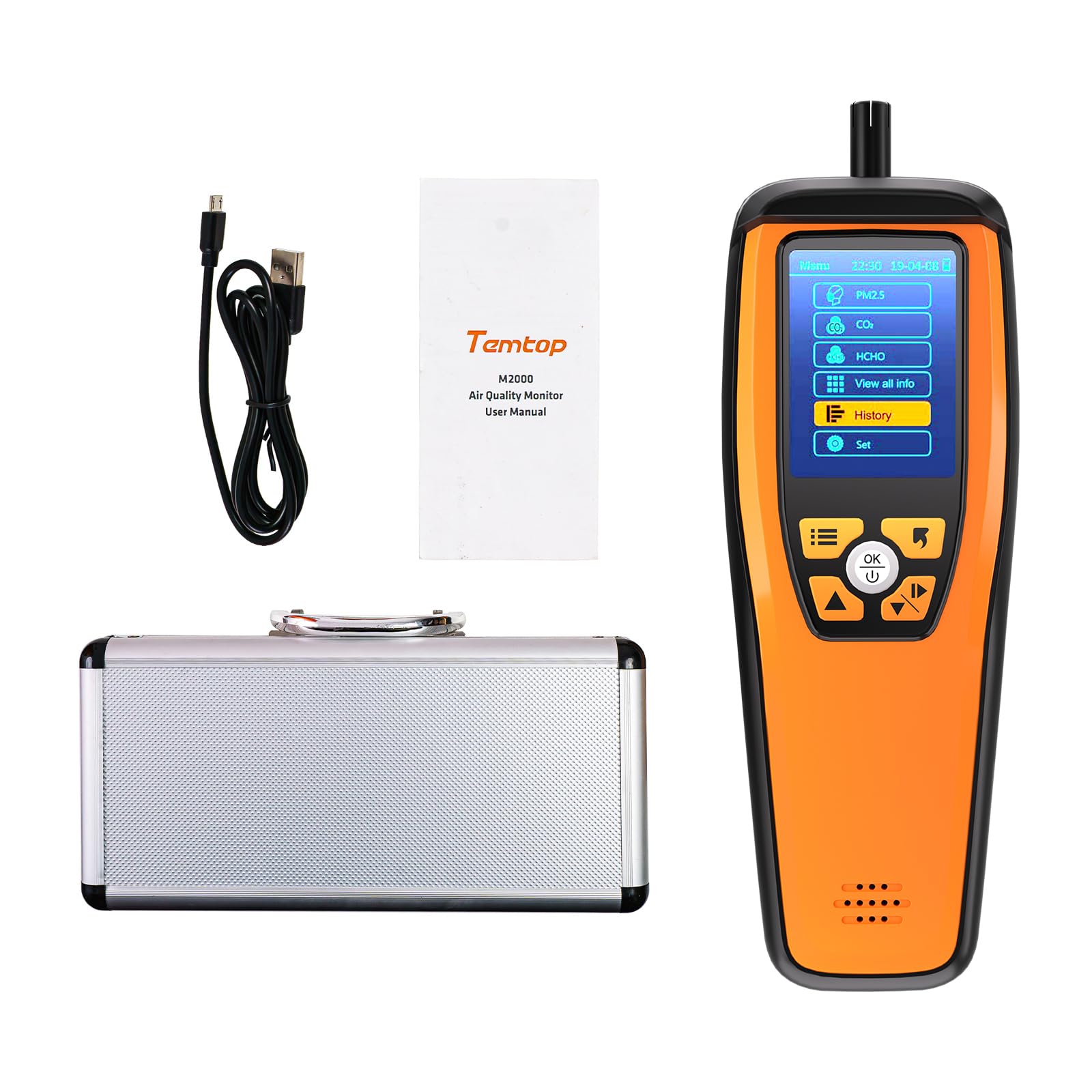
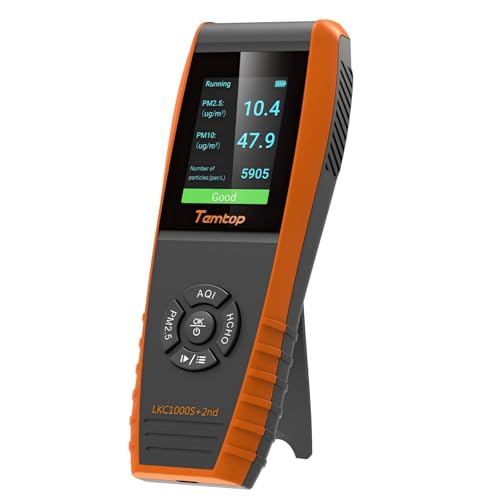
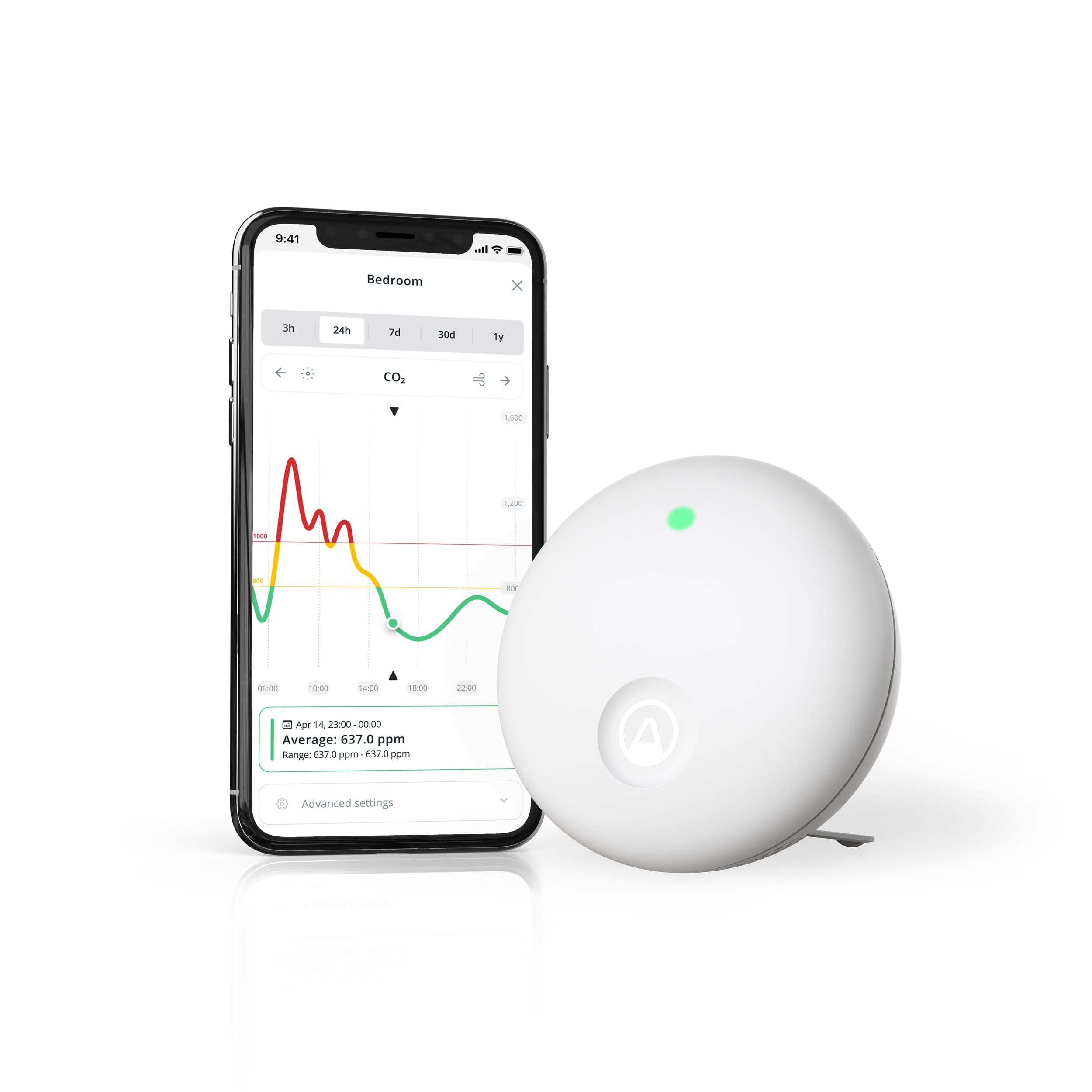
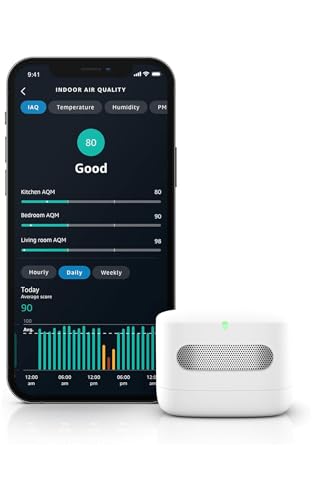

Three Buying Profiles and What to Prioritize
Most buyers fall into one of three groups. Finding your group first keeps you from paying for sensors you will never use or skipping the one reading your home truly needs.
Accuracy Focused Whole Home Buyers
You want one dependable unit for a main living space and readings you can trust over months, not just on the first day. Prioritize a monitor that covers fine particles, volatile organic compounds, temperature, and humidity in one device, with a clear display and a history graph in the app. Look for stated sensor accuracy ranges and a maker that explains how calibration works. A wired power option matters for you because constant sampling gives a fuller picture than a unit that sleeps to save battery.
Budget Conscious First Time Buyers
You are curious about your air and want clear answers without a large outlay. A compact unit that tracks fine particles and carbon dioxide, or particles and humidity, covers the most common questions about cooking, cleaning, and stale rooms. Focus on a readable display, simple alerts, and no required subscription for basic history. You can start with a single room where you spend the most time, such as a bedroom, and add coverage later if the first readings raise new questions.
Households That Want Broad Coverage and Alerts
You have several concerns at once, perhaps a nursery, a basement, allergies in the family, or a house in an area where radon is common. Prioritize the widest sensor set you can afford, including radon if your area calls for it, plus strong alert options that reach your phone when you are away. Smart home links and routines matter more for you, as does the option to place extra units in other rooms and view them in one app.
What Makes a Monitor Reliable and Accurate
Reliability comes from the sensor itself, from how often it samples, and from how honestly the maker reports its limits. Laser based particle sensors tend to give faster and more consistent counts than basic infrared types, while a dedicated carbon dioxide sensor using infrared light gives steadier readings than an estimate derived from other gases. Check whether the listed accuracy is given as a plus or minus range, because a vague claim tells you little.
Accuracy also depends on placement and time. A monitor beside a stove, a humidifier, or an open window will spike for reasons that have nothing to do with your whole room. Give a new unit a day or two to settle, keep it at breathing height away from direct drafts, and judge trends over a week rather than reacting to a single number. If readings for carbon dioxide stay implausibly flat, the unit may need fresh air to recalibrate, so follow the maker guidance for that reset.
How to Choose the Right Monitor for Your Home
Pollutants and Sensor Types
Start with the question you want answered. Fine particles, listed as PM2.5, come from cooking, candles, wood stoves, and outdoor smoke, and they matter most for lungs and allergies. Carbon dioxide builds up in closed bedrooms and offices and tracks how stale the air feels. Volatile organic compounds rise after painting, new furniture, and strong cleaning products. Radon is a separate concern that needs its own sensor and a longer measurement period. Temperature and humidity round out the picture because damp air encourages mold and dry air irritates skin and throats.
Ecosystem Compatibility
If you already use a smart home system, check that the monitor works with it before you buy. Support for Alexa, Google Assistant, or Apple HomeKit lets you ask for a reading or trigger a purifier or fan when levels rise. Newer Matter support can make setup simpler across brands, but confirm which readings the integration actually shares, because some links pass only temperature and humidity. If you prefer no smart features at all, choose a unit with a full display so nothing important hides inside an app.
Wired vs Battery Power
A unit plugged into the wall can sample the air constantly and keep its display on, which suits a main room where you want an unbroken record. Battery powered models are easier to move from room to room for spot checks and work during short power cuts, but many sample less often to extend battery life. Battery life claims vary widely, from a few weeks to many months, depending on the sensor set and screen. If you plan to check several rooms in turn, portability may matter more than nonstop sampling.
Subscriptions and Local Storage
Basic readings should never sit behind a paywall, so confirm what the free tier includes before you buy. Some apps keep only a few days of history without a subscription, while others store months of data at no charge. Ask where the data lives, on the device, in the cloud, or both, and whether you can export it as a file. Local storage gives you a record even when your internet drops, and export options help if you want to share trends with a landlord or a clinician.
Privacy and Security
An air quality monitor learns when you cook, sleep, and leave the house, so treat its data with care. Look for a clear privacy policy, the option to delete your history, and account protection such as two factor sign in where it is offered. Prefer brands that state they do not sell personal data and that publish security updates for their apps. If a model includes a microphone or other sensing you did not expect, check that you can turn it off or choose a simpler unit instead.
How Much Should You Spend?
Under $50, expect a single purpose gadget such as a basic particle or carbon dioxide reader with a small display and limited history. About $50 to $100 usually adds a second or third sensor and a usable app. About $100 to $200 is where broad sensor sets, better displays, and fuller history become common for a main room unit. Above about $200 to $300, you are paying for extras such as radon sensing, premium displays, or wider smart home support, so buy at that level only when those extras answer a real need.
Matching a Monitor to a Specific Need
For general household use, start with the room where your family spends the most waking hours and add units only if readings differ sharply between spaces. Our guide to the best air quality monitor for home walks through room sizing and multi room setups in more detail. It is a good next step if you plan to cover more than one floor.
Damp rooms raise a different set of questions, because the goal is spotting the humidity and particle patterns that let mold grow. If that is your concern, see our guide to the best air quality monitor for mold for the humidity ranges and placement tips that matter most in bathrooms and basements. Pair any monitor with prompt leak repairs, since a reading alone cannot fix a moisture source.
Renters, travelers, and anyone checking a workplace or classroom often need a unit that moves easily and runs without a fixed install. The best portable air quality monitor options focus on battery life, size, and fast readings in new spaces. If you want alerts, automations, and voice control instead, the best smart air quality monitor guide compares app quality and platform support in depth.
Many shoppers also weigh a simpler dedicated reader, such as the best CO2 monitor category, when stuffy rooms are the only complaint. That narrower choice can save money, but you lose particle and chemical readings, so be sure stale air is truly your only question before you narrow the field.
Common Mistakes to Avoid
- Buying for the longest sensor list instead of your actual concern, which leaves you paying for readings you never check.
- Placing the unit beside a stove, humidifier, or open window, which produces spikes that do not reflect the room as a whole.
- Judging your air from a single day of data, which misses weekly patterns from cooking, cleaning, and weather changes.
- Ignoring subscription terms, which can leave your long term history locked unless you keep paying each year.
- Assuming a low particle reading means every risk is covered, which overlooks radon and carbon dioxide that need their own sensors.
- Skipping the app and display check, which can leave you with alerts you cannot customize and a screen you cannot read across a room.
Placement, Care, and Keeping Readings Trustworthy
Place the monitor at about breathing height, on a stable surface, with space around its vents so air can reach the sensors freely. Keep it away from direct sun, heaters, and exterior doors, and give it at least a few feet from cooking surfaces. When you move it to a new room, allow several hours for the readings to settle before you compare that room with the last one.
Care is simple but it protects accuracy. Dust the vents gently with a dry cloth, keep liquids and sprays away from the openings, and check the app for firmware updates a few times a year. Some carbon dioxide sensors recalibrate on a schedule that assumes regular fresh air, so airing out the room helps the baseline stay honest. If you have asthma or another lung condition, treat monitor readings as a prompt for action and conversation, not as medical advice, and talk with your doctor about the levels and symptoms that should concern you.
Frequently Asked Questions
What is the best air quality monitor for a typical home?
For a typical home, the right choice is a unit that tracks fine particles, carbon dioxide, temperature, and humidity with a clear display and free history in the app. That mix answers the most common questions about cooking, stale bedrooms, and damp rooms. Add volatile organic compound sensing if you have new furniture or recent painting, and add radon sensing only if your area and home type call for it.
How long does an air quality monitor last?
Most monitors last several years, but sensor performance changes over time rather than stopping all at once. Particle sensors can drift as dust builds up inside, and some chemical sensors have a stated service life after which readings grow less reliable. You can extend useful life by keeping vents clean and the unit out of steamy or greasy spots. When readings no longer respond to obvious events like frying food, it is time to consider service or replacement.
Is an air quality monitor worth it?
A monitor is worth it when its readings change what you do, such as running a purifier, opening windows, or fixing a ventilation problem. Homes with allergies, asthma, wood stoves, or a home office often get clear value from that feedback within the first week. It is less worthwhile if you expect the device itself to clean the air, because a monitor only measures. Pair it with one action you are willing to take, or the numbers will soon feel like background noise.
How do you clean an air quality monitor?
Clean the outside with a dry or slightly damp cloth and keep water away from vents and ports. Use a soft brush or gentle air to clear dust from sensor openings, and never spray cleaner directly onto the unit. Cleaning sprays used nearby can also flood chemical sensors and cause long lasting false highs, so wipe surfaces in the room and let fumes clear before you judge the readings. Check the manual for any parts the maker says not to touch.
What is the most reliable air quality monitor brand?
Reliability depends more on sensor type, clear accuracy specs, and steady software support than on a brand name alone. Look for makers that publish accuracy ranges, explain calibration, release app updates, and offer a real warranty and support channel. A brand that sells replacement parts and keeps older models supported is a safer long term bet than one that launches new models and abandons the app. Judge the specific type and tier you are buying, not the label by itself.
Final Thoughts
The right monitor is the one whose sensors match your rooms, whose alerts you will actually act on, and whose costs stay clear after the first month. Review the product table, return to your buying profile, and check sensor type, power, and subscription terms one last time before you order. Chosen that way, the best air quality monitor becomes a practical tool that helps you breathe easier at home, season after season. Prices and availability can change, so check the product page before ordering.


