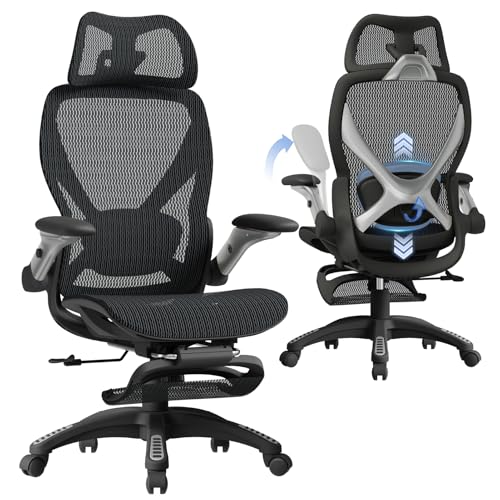
Best Boardroom Chairs for Every Need in 2026: How to Pick the Right One
Disclosure: We may earn a commission when you buy through links on this page, at no extra cost to you. As an Amazon Associate I earn from qualifying purchases. Learn more

Compare boardroom chairs by comfort, size, materials and style, with clear guidance on measuring your table, avoiding sizing errors and choosing value.
There is no single chair that suits every boardroom, because rooms differ in table size, meeting length and the people who visit. The best boardroom chairs for a small team that meets for thirty minutes will differ from chairs for a room that hosts all day planning sessions. This guide matches chair types to real uses, so you can use the product table below with a clear shortlist in mind.
Start with how the room is actually used each week. Note the longest meeting, the number of seats you fill most often and whether guests include clients who expect a polished first impression. Those answers point you to cushion depth, upholstery, arm style and price far faster than a headline price alone.


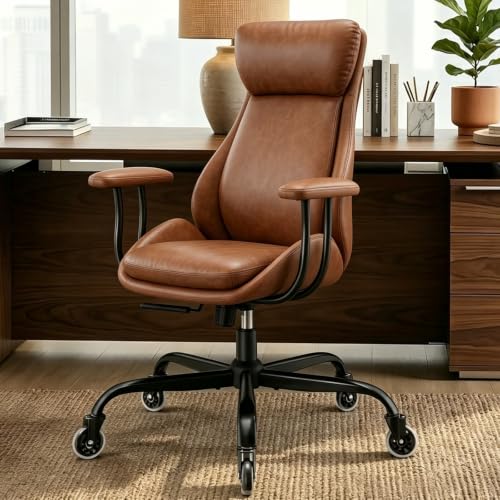
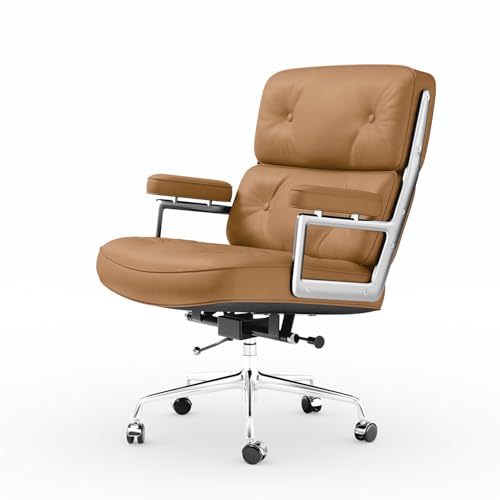
Who Should Buy Which Boardroom Chairs?
Boardroom seating is a shared purchase, so one person rarely gets a perfect personal fit from every chair. Buy for the group, the table and the longest regular meeting first.
Value Seekers Furnishing a Whole Boardroom
You buy chairs in sets, so a small saving per seat can grow into a large saving across a full room. Look for budget models with firm foam, a steel or reinforced base and a warranty that covers the tilt mechanism and casters. Simple fixed arms and easy to clean upholstery keep costs sensible without making the room look sparse. For a wider view of build standards, see our guide to the best quality chairs before you settle on a price per seat.
Hosts Who Welcome Clients and Guests
Your guests vary in height, build and patience, so choose chairs that feel welcoming within seconds of sitting down. A medium seat height, supportive back and arms that sit below the table edge suit most visitors without adjustment. Matching finishes and a consistent set matter here, because a mixed row of spare chairs signals that the room was an afterthought.
Buyers Who Want Top Performance for Executive Rooms
Premium spending pays off in smoother tilt action, denser foam that holds its shape and finer upholstery that resists wear at the arms and seat front. Ergonomic models with adjustable lumbar depth and polished bases also present a calmer, more finished look for leadership meetings. Spend more only where people sit longest, such as the head and long side positions, and keep simpler matching chairs for overflow seats used less often.
Key Features to Compare
Compare each factor below against your longest meeting and your actual table, not against a showroom sit of two minutes. A feature that helps for six hours may matter little for a weekly thirty minute check in.
Comfort and Cushioning
High density foam is the core comfort choice, because it supports your weight evenly and returns to shape after each meeting. A seat about 2 to 3 inches thick with a gently rounded front edge reduces pressure behind your knees and helps blood flow during long sessions. Very soft foam feels pleasant at first, then lets you sink until your posture slumps and your lower back takes the load. If your meetings often pass two hours, place cushion quality above decorative stitching or a slim profile.
Materials and Upholstery
A mesh back lets air move and suits warm rooms or south facing glass, while fabric seats give grip and a quieter, softer feel. Smooth leather and leather look surfaces wipe clean after coffee spills and look formal, but they can feel warm and may show scratches sooner. Wood trim on arms or backs suits traditional rooms, yet the main contact areas should stay padded. Choose one main material for the whole set, so cleaning, wear and color aging stay even across the room.
Ergonomics and Adjustability
Useful adjustment in a boardroom stays simple, because many people share each chair and few will reset complex controls. Prioritize seat height that lets feet rest flat, lumbar support that follows the curve of the lower back and a tilt lock that holds a slight recline for listening. Adjustable armrests help varied users, provided the arms still slide under the table. If you need far more personal adjustment for daily desk work, see our guide to the best office task chairs for that separate job.
Size, Dimensions, and Weight Capacity
Most boardroom seats are about 18 to 20 inches wide, with seat heights around 18 to 20 inches from the floor. Check the stated weight capacity for every model and leave a clear margin above the heaviest regular user, because guests will not announce their weight and chairs also carry bags and leaning loads. Wider seats feel generous, but each extra inch reduces how many chairs fit along the table. Match chair width to the table first, then choose the widest seat that still fits that count.
Style and Room Fit
Style should support the work in the room, not compete with it. Slim frames and low backs keep sight lines open to a presentation screen, while taller backs signal formality at the head of the table. Match chair color to the table finish and floor tone, and view samples under your actual lighting, because fabric can look darker in a windowless room. For a more formal single office look, see our guide to the best officer chairs and borrow its finish ideas for your boardroom set.
How to Measure Your Boardroom for Chairs That Fit
When you shortlist the best boardroom chairs for one room, start with the table rather than the chair catalog. Measure the table length and allow about 24 to 30 inches of table edge for each person, so elbows, notebooks and laptops do not crowd neighbors. Then measure the clear space behind each seat. You need room to pull a chair out, sit down and let someone pass behind during a meeting without asking seated people to move.
Next, check the height relationship between seat, arms and table. The underside of most tables leaves about 25 to 27 inches of clear height, so arms higher than that will block chairs from tucking in and will scrape the table edge. Mark a proposed layout on the floor with tape and leave the head positions extra space. Finally, measure the door, hallway turns and any elevator, because an assembled chair that cannot enter the room helps no one.
Common Mistakes to Avoid When Buying Boardroom Chairs
These errors usually appear after delivery, when returns in quantity are slow and costly.
- Buying by headline price alone leaves you with thin foam and weak casters that make the whole set feel tired within a short period.
- Choosing chairs wider than the table allows forces you to drop a seat or crowd guests shoulder to shoulder at every meeting.
- Ignoring arm height against the table underside leaves chairs standing away from the table and wastes floor space in a small room.
- Ordering a single showroom chair and assuming the full set will match ignores dye and finish variation between production runs.
- Skipping the warranty terms for tilt parts and casters leaves you paying for the parts that wear first on shared seating.
Upkeep That Keeps a Full Chair Set Looking Matched
Set every chair to a neutral starting point after large meetings, with the seat at a medium height and the tilt unlocked or locked upright, so the next group finds a consistent setup. Tighten base and arm bolts every few months, because shared use and frequent rolling loosen fixings gradually. Roll chairs rather than dragging them, since dragging twists casters and can bend a leg or crack a floor glide.
Vacuum fabric and mesh weekly with a soft brush, and wipe smooth upholstery with a damp cloth and mild soap, then dry it fully before use. Blot coffee spills at once, because dark drinks stain light fabric quickly and set harder once dry. Remove a wobbling chair from service until you repair it, so a small fault does not damage the frame.
FAQs
What features matter most for boardroom chairs in long meetings?
Comfort over time matters most, and the deciding test is a trial sit of at least thirty minutes in your own room. Sit, take notes and stand several times, because a boardroom chair must also let you rise quickly for a break or a screen presentation. If your legs tingle or you keep shifting to find support, reject the chair even when its short showroom sit felt fine.
Is an expensive boardroom chair worth the cost?
An expensive boardroom chair is worth the cost only when its extra years of use spread the price across many meetings. Divide the price by the expected years of service, then compare that figure with a cheaper set you may replace sooner. Pay the premium for board chairs used daily, and save on spare chairs kept for occasional overflow visitors.
How long should a good boardroom chair last?
A good boardroom chair should last about seven to ten years in regular office use, and longer in a room used only weekly. Lifespan depends on how often the chair rolls, swivels and carries weight each day. Replace or repair a chair when foam stays flattened after a weekend, the tilt leans to one side or a caster repeatedly sticks, because those signs show wear that cleaning cannot reverse.
How do you choose the right size boardroom chair for your table?
Choose the size by the gap between seat and tabletop, which should be about 10 to 12 inches for most adults. Sit at your own table and check that your forearms rest near table height without raised shoulders, while your thighs clear the table underside. If your team spans a wide height range, favor a mid range seat height and add one or two taller or shorter chairs at the ends.
The Bottom Line
Focus first on fit at the table, cushion support for your longest meeting and a finish your team can maintain. Those three checks will narrow any shortlist faster than chasing extra controls you may never reset. Match the set to the room you have today, with one spare chair if your budget and storage allow.
Use the product table to compare seat size, weight capacity and price for the best boardroom chairs on your shortlist, then order with confidence. A consistent, comfortable set helps every meeting start on time and keeps attention on the discussion, not on the seating.