Best Back Support Cushions in 2026: Matching the Right Model to Your Routine
Disclosure: We may earn a commission when you buy through links on this page, at no extra cost to you. As an Amazon Associate I earn from qualifying purchases. Learn more

Discover the best back support cushions for your needs. We match features to real use cases so you avoid overpaying and get the right fit the first time.
There is no single cushion that suits every back, chair and day. The best back support cushions are the ones matched to where you sit, how long you sit and which part of your back needs support. Use the comparison table below to check each model against your own routine first.
Start by naming your main seat and your main problem. Note whether your lower back aches in its curve, your upper back tires, or the cushion slides out of place.


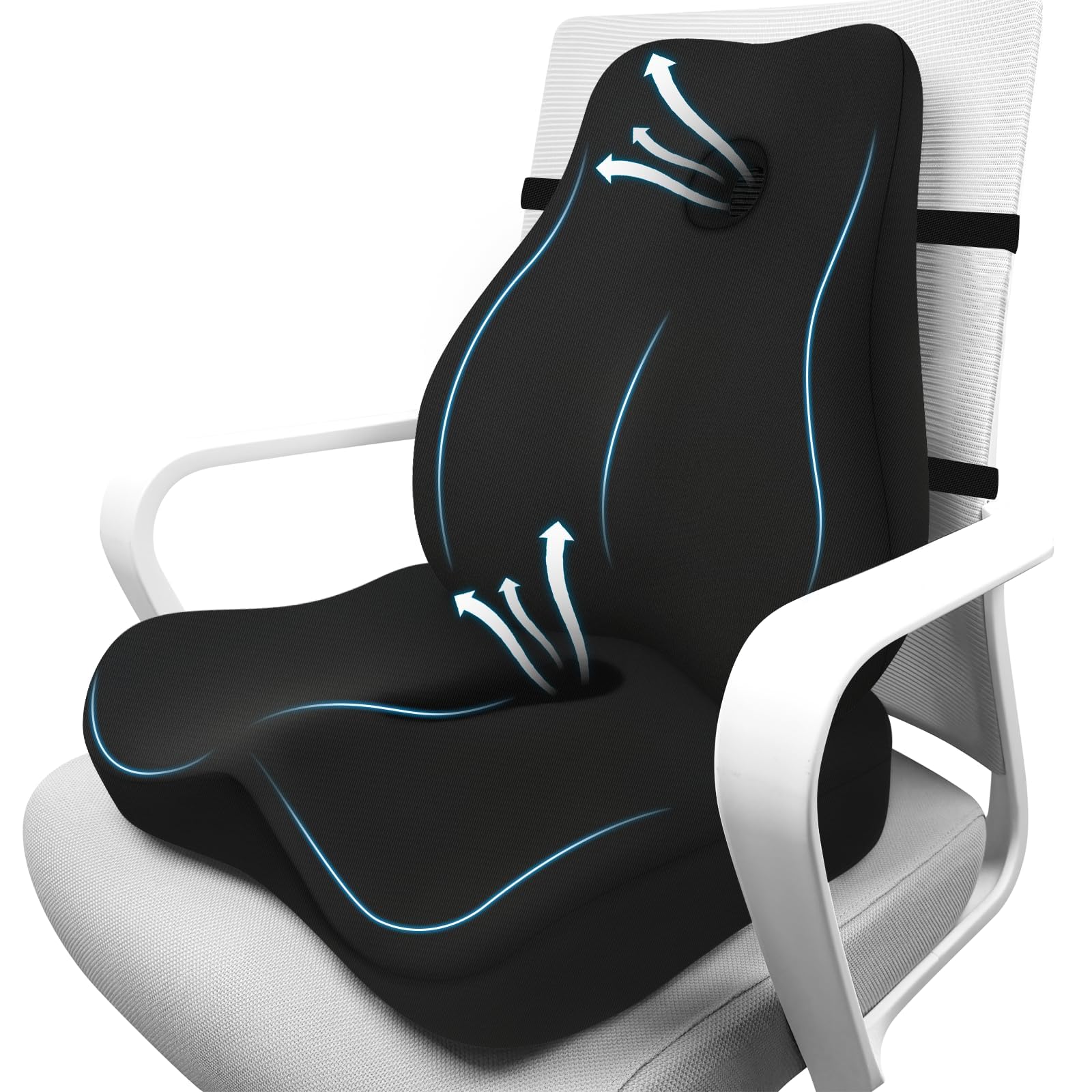
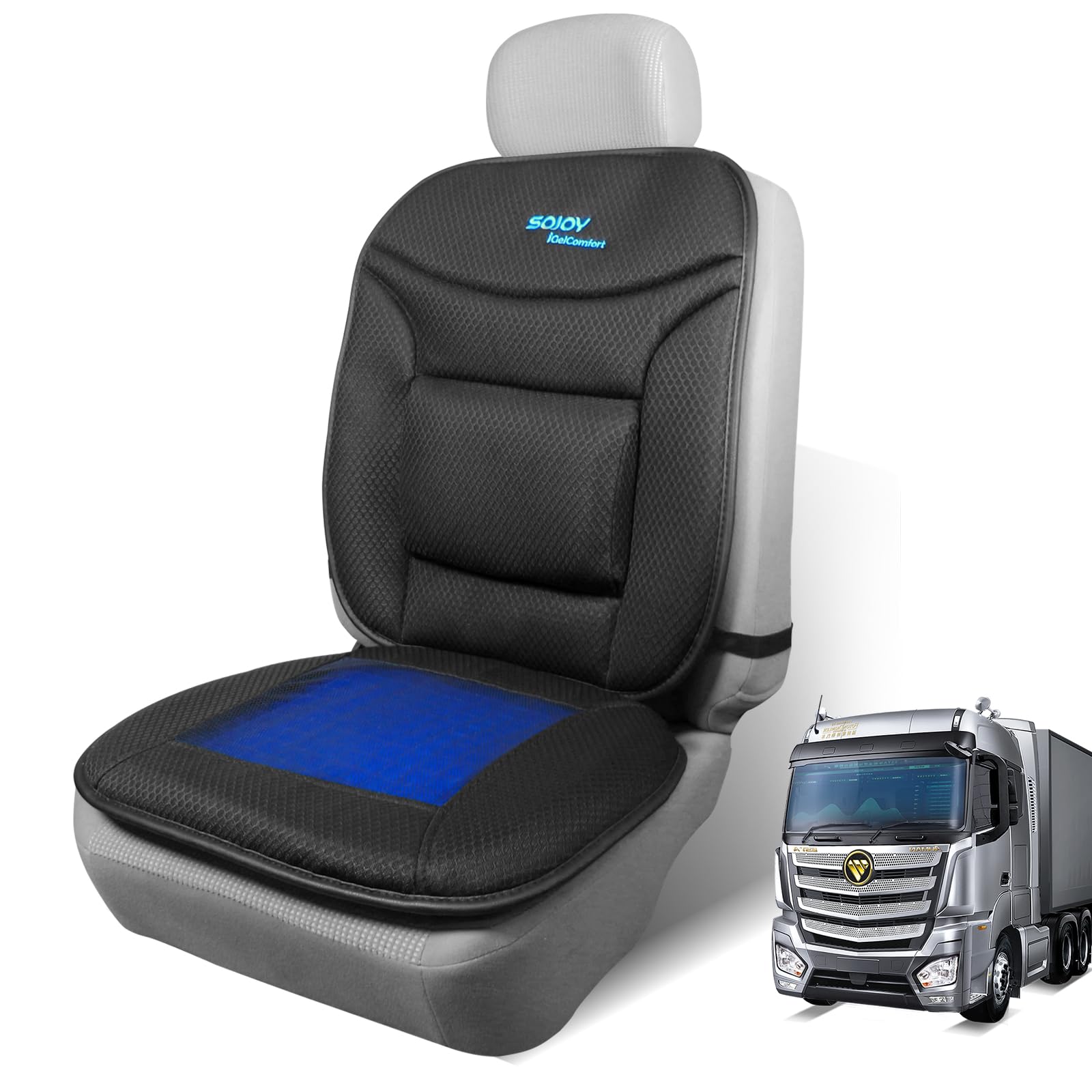
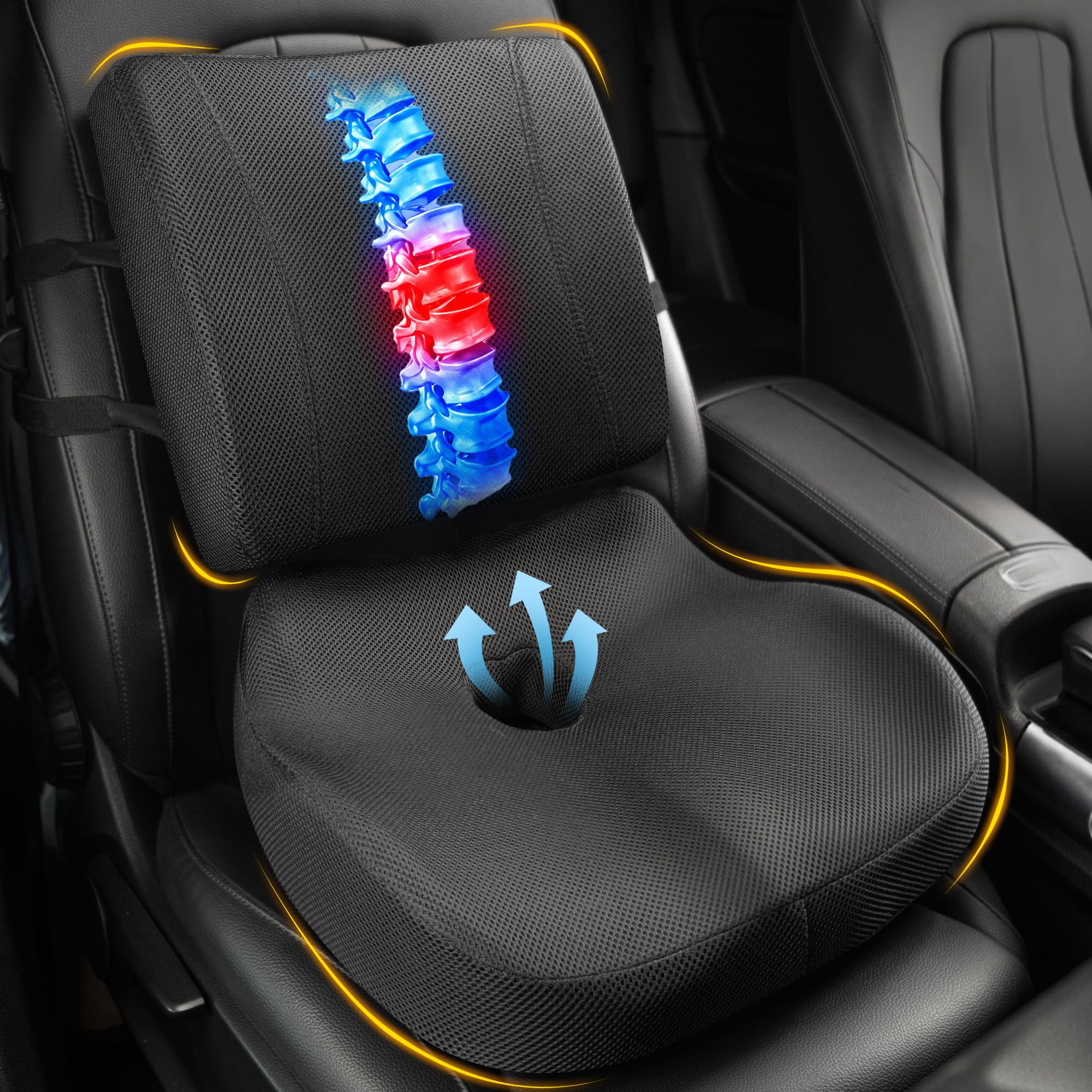
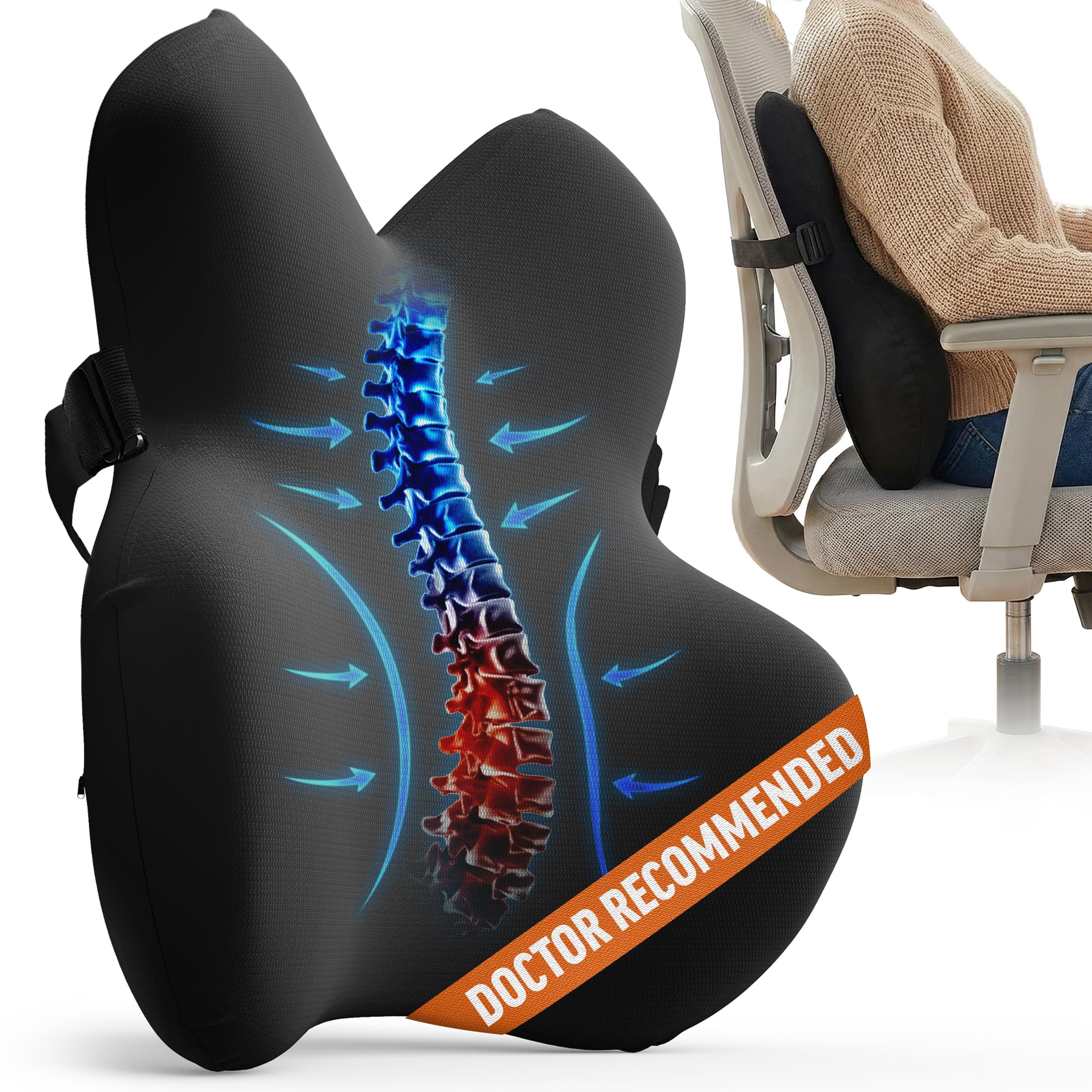
Who Should Buy Which Back Support Cushions?
Buy for the routine you repeat most days, not for an occasional trip. Your sitting hours, seat shape and budget point to different designs.
For People Who Want the Best Performance
You sit for long stretches and notice small flaws quickly, so pay for a shaped contour, firm foam and straps that keep the cushion in place. An adjustable design with a removable insert lets you fine tune the depth of support as your chair or needs change.
For Gift Shoppers
You are buying for someone whose chair and habits you may not know well, so choose a midsize lumbar design that fits most desk chairs and car seats. Look for a removable cover and a clear return policy, because the recipient may need to swap sizes.
For Value Seekers
You want steady support without paying for extras, so focus on dense foam, a washable cover and stitching that looks even and tight. A simple fixed contour often outlasts a gadget filled design, at about $25 to $45.
For First Time Buyers
You have never used a support cushion, so start with a medium firm lumbar cushion of average height and try it for a full week before judging it. Choose a seller with an easy return window, and keep the packaging until you know the fit suits your chair.
Back Support Cushions for Specific Needs
Support cushions differ mainly by the zone of the back they target. If you want plain padding without a shaped contour, see our guide to the best back cushions for simpler options. A cushion can improve comfort and support your sitting posture, but it cannot diagnose or treat a back condition. Seek prompt medical care for new leg weakness or numbness, loss of bladder or bowel control, pain after a fall or crash, or fever with back pain, and talk with your clinician about personal needs.
Best Lumbar Back Support Cushions: What to Prioritize
The best lumbar back support cushions fill the inward curve of your lower back so that area stays in contact with the chair instead of slumping into a gap. Prioritize a contour matching your chair back width, a depth that supports without pushing you forward, and foam that stays firm all day.
Best Back Support Cushion for Office Chairs: What to Prioritize
The right best back support cushion for office chairs choice depends on the chair behind it. Measure the flat part of the chair back, because a curved mesh back can make a thick cushion slide. If the chair itself sags or lacks shape, see our guide to the best chairs for back support as well. Choose straps that reach around your chair and a thickness that leaves enough seat depth for your thighs.
Best Auto Back Support Cushions: What to Prioritize
The best auto back support cushions are slimmer than desk models, because car seats are already contoured and a thick cushion can push you too close to the pedals and wheel. Prioritize a low profile shape, straps or a grip base, and a cover that tolerates heat in a parked car. Check that it does not interfere with seat belts or seat airbags.
Best Thoracic Back Support Cushions: What to Prioritize
The best thoracic back support cushions support the middle and upper back, between and below your shoulder blades. They are taller and flatter than lumbar designs, spreading pressure over a wider area. Choose one if your fatigue sits high on the back.
Key Features to Compare
Compare these factors in the same order each time. That is how you judge the best back support cushions on fit and function rather than on looks alone.
Support Zone and Contour Shape
The contour decides where the cushion touches you and how strongly it pushes. A lumbar roll gives focused support in one curve, a full back design spreads contact to the shoulder blades, and a wedge lifts the whole back evenly. Sit against the cushion and check for gaps at the sides and pressure points in the middle. A spot that digs in within ten minutes will bother you more over a full day.
Material and Fill
Memory foam molds to your back and spreads pressure well, but it can feel warm and slow to recover in a cold car. Firm molded foam keeps a stronger shape and suits people who want a clear push in the lower back. Mesh and lattice designs allow more airflow and feel cooler, though they give softer support. CertiPUR US certified foam has been checked for content and emissions.
Firmness and Pressure Relief
Firmness controls how much the cushion gives under your weight. A medium firm cushion suits most desk users, because it supports the curve without feeling like a board. Heavier users often need firmer foam, since soft foam can flatten until it adds little support. Good pressure relief feels even, with no ridge pressing into one spot.
Size and Fit for Your Chair or Seat
Measure your chair back, then compare its size with the cushion dimensions before you order. A cushion that is too wide will curl at the edges on a narrow chair, and one that is too tall can reach your neck or crowd a headrest. A cushion that fails at a desk may still work on the couch, and if the couch gives poor support, see our guide to the best sofas for back support. Leave seat depth so your knees stay clear of the seat edge.
Straps, Positioning and Cover
Straps decide whether the cushion stays where your back needs it. One strap can let the cushion swing, while two straps or an adjustable strap with a buckle hold it far more steady. A grip texture on the back panel helps on smooth seats and on bleachers, where our guide to the best stadium seat cushions with back support covers seating built for games. Choose a removable zippered cover in a breathable fabric if you run warm, so you can wash it easily.
Common Mistakes to Avoid When Buying Back Support Cushions
- Buying the thickest cushion you can find pushes you forward and steals seat depth your thighs need.
- Ignoring chair back shape means a cushion for a flat desk chair may rock on a curved car seat.
- Placing the cushion at the wrong height leaves the curve of your lower back unsupported while pressure lands higher up.
- Judging a cushion after one short sit leads you to return models that would suit you after a week.
- Choosing soft foam for long days results in a cushion that flattens by afternoon and stops supporting you.
- Skipping the return policy leaves you stuck with a size you cannot change once the trial days pass.
How to Make Your Back Support Cushion Last Longer
Keep the cushion out of direct sun when you can, because heat and light break down foam and fade covers over time.
Wash the removable cover on a gentle cycle and air dry it so the fabric and zipper keep their shape. Check straps and buckles every few weeks and tighten a strap that has stretched. If the foam stays dented after a night of rest, the cushion is done.
FAQ
How often should you replace a back support cushion?
Most people replace a back support cushion after about one to two years of daily use. Foam gives the clearest signal: if it stays compressed, feels lopsided, or no longer fills the curve of your back in the morning, its support is gone. Covers and straps wear out sooner, so replace those first when the foam still springs back.
What firmness in a back support cushion suits long workdays?
A medium firm back support cushion suits most people who sit through long workdays. It holds the lower back curve without the hard push that can tire lighter users. If you are heavier or the foam flattens by midday, step up one firmness level. Judge it at day end, because foam softens as it warms.
How do you wash a back support cushion safely?
You wash the removable cover, not the foam core, in most cases. Unzip the cover, wash it on a gentle cycle with mild detergent, and air dry it so it keeps its fit. Wipe the foam with a barely damp cloth and let it dry fully before you zip the cover back on. A few covers allow machine drying on low heat, so check the label.
Are cooling back support cushions worth it for warm offices and cars?
Cooling back support cushions are worth it if you regularly peel a warm cushion off your back at the end of the day. Mesh panels, lattice designs and cooling fabrics move more air than solid memory foam, which traps heat against the chair. The tradeoff is softer support, so choose ventilated foam if you also need a firm push.
Can one back support cushion fit both an office chair and a car seat?
Yes, one back support cushion can serve both seats if it is a slim lumbar design with long adjustable straps. Desk chairs have flatter backs, while car seats are narrower and curved, so a thick full back cushion rarely suits both. Measure each seat and test the cushion in the car first, because lost seat depth matters more there than at a desk.
Final Thoughts
Match the support zone to the part of your back that tires, check the size against your real chair, and pick a firmness your body weight will not flatten. Use the product table above to compare those points side by side.
Chosen that way, best back support cushions stop being a guess and become a simple fit decision. Buy the simplest design that fits your main seat well.