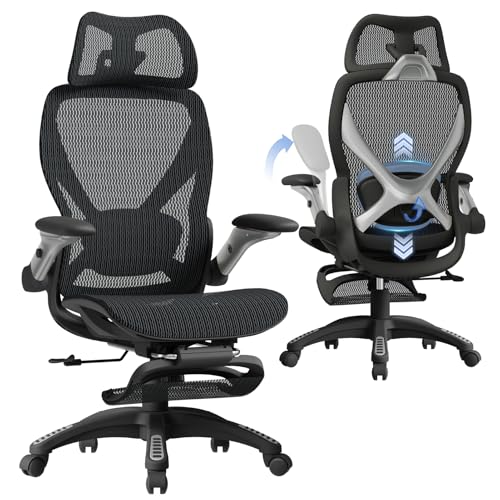
The Best Active Sitting Chairs: Buying Guide for 2026
Disclosure: We may earn a commission when you buy through links on this page, at no extra cost to you. As an Amazon Associate I earn from qualifying purchases. Learn more
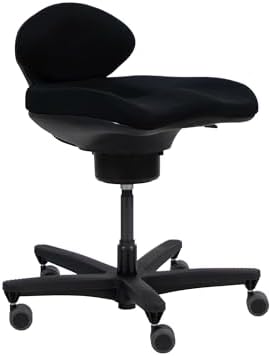
Choose the best active sitting chairs by seat height, movement base, cushioning and build for long hours at a desk.
Sitting still for hours can leave your back stiff, your legs restless, and your focus fading by mid afternoon. Active sitting chairs solve that problem by letting your body make small, constant movements while you work, so your core and legs stay gently engaged. The best active sitting chairs make that movement feel natural rather than tiring, and this guide explains how to judge the difference.
You will learn how seat shape, base design, height range, and cushioning change the way a chair feels across a full workday. Use the comparison table below to narrow your short list, then check the sizing and fit notes in each section before you order.


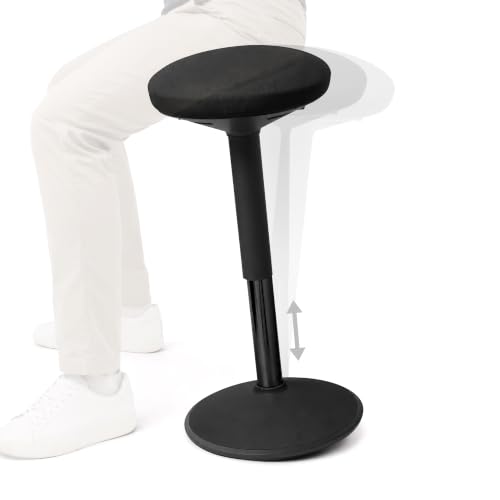

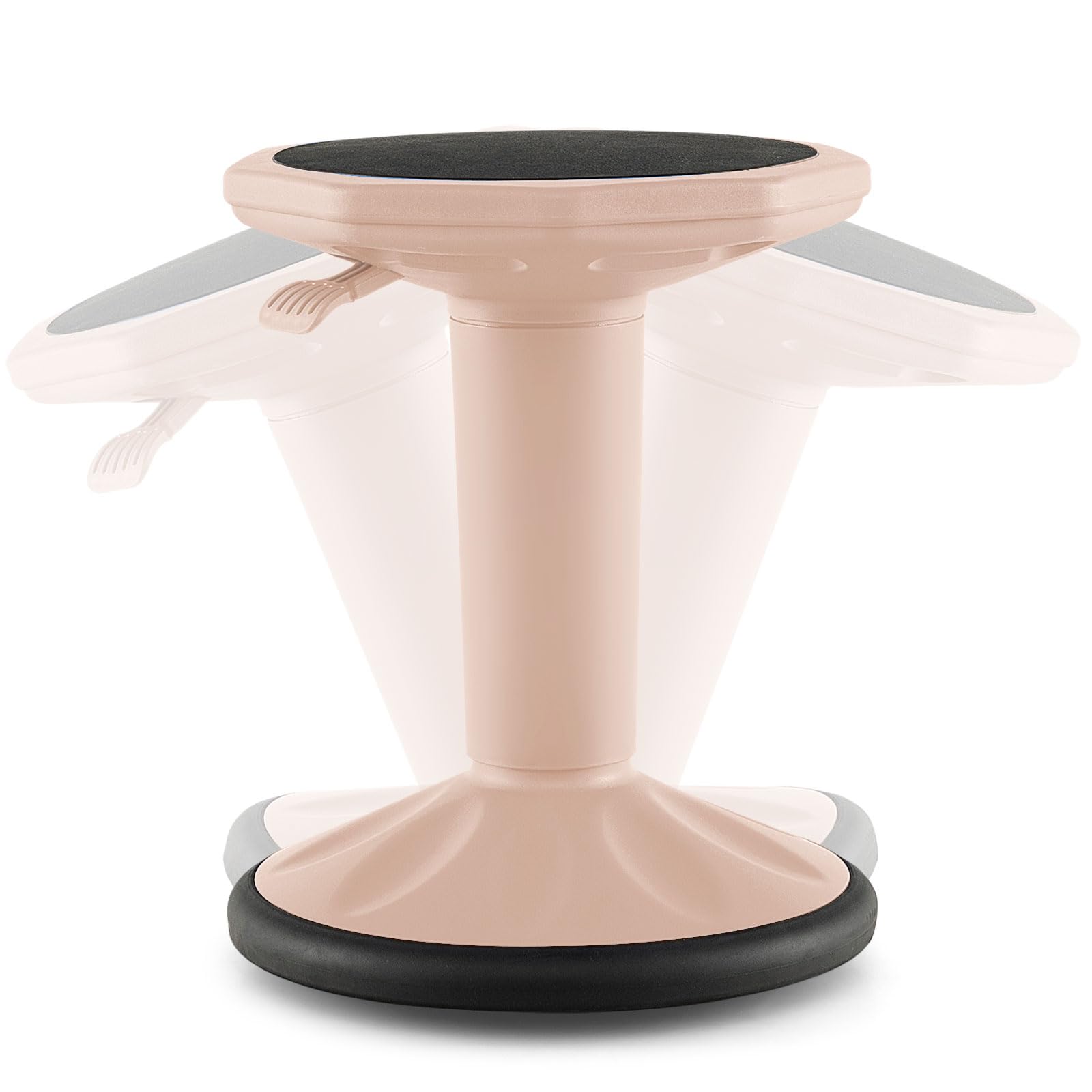


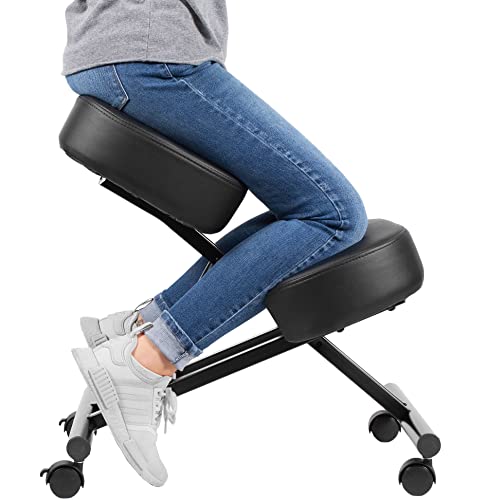

Who Active Sitting Suits and How to Judge Fit
The product table above gives you prices and basic specs at a glance, but fit is personal. A chair that feels lively and supportive to one person can feel unstable or cramped to another. The three groups below cover the most common reasons people switch to active sitting, and the fit checks that matter most for each group.
Desk Workers Who Sit Still Too Long
If you work at a desk for most of the day and catch yourself shifting, crossing your legs, or perching on the edge of your seat, a gentle rocking or wobbling base can turn that restlessness into useful movement. Look for a chair with a wide, stable base and a movement range you can limit, so the motion stays subtle during calls and typing. If your main concern is general seat comfort rather than movement, see our guide to the best chairs for sitting for a useful comparison point.
People Who Share a Chair or a Room
In a shared home office, the chair has to suit more than one body and still look tidy when work ends. Prioritize a wide seat height range, adjustable armrests that move out of the way, and a weight capacity that covers the tallest and heaviest user with room to spare. A compact footprint also helps, because a chair that rolls or rocks needs clear floor space around it to move safely.
People Returning to Movement After a Stiff Spell
If long sitting has left you stiff, start with the mildest movement options, such as a saddle style seat or a chair with a lockable rocking base, and build up your sitting time in short sessions. Active sitting asks more of your core and hips than a standard chair, so tired muscles in the first week are normal. If you have an existing back or joint condition, ask your doctor before changing how you sit.
How to Choose an Active Sitting Chair: Buying Guide
Choosing well comes down to six factors: how the chair adjusts, how strongly it is built, how it fits your room, what the warranty covers, how the cushion feels after hours, and what covers the seat. Work through each factor below, and use the specs in the product table above to compare the chairs on your short list side by side.
Ergonomics and Adjustability
Seat height is the first adjustment to check, because your feet should rest flat on the floor with your knees near a right angle. Most desk chairs adjust across about 16 to 21 inches, and taller users should confirm the top of that range before ordering. Lumbar support matters even without a tall backrest, since a shaped seat or a small curved pad can keep your lower back from rounding as you move. Adjustable armrests help your shoulders relax, and a tilt lock lets you pause the movement when you need a steady seat for detailed work. When you compare the best active sitting chairs on adjustability alone, the winners are the chairs you can fine tune in small steps rather than in two or three fixed positions.
Build Quality and Frame
The frame and lift carry your weight through thousands of small movements, so strength here matters more than in a static chair. A steel frame and a class 4 gas lift are the marks of a chair built for daily use, while a five point base with smooth casters keeps rocking and rolling stable. Check the stated weight capacity and stay comfortably under it, because a chair used near its limit will feel less steady and its lift will wear faster.
Style and Room Fit
Measure your desk height and the clear floor area before you fall for a color or finish. Your knees need room under the desk, the base needs room to move, and the chair needs a path to roll back when you stand up. If the chair will sit in a living area after work, you may also want to see our guide to the best sitting room chairs, which covers seating chosen mainly for looks and relaxed use.
Warranty and Return Policy
Read the warranty in parts rather than as a single number of years. The frame and gas lift usually carry the longest cover, while foam and fabric carry shorter cover, and the movement mechanism sits somewhere in between. A generous return window matters just as much, because active sitting feels unusual for the first few days and you cannot judge it from a quick sit in a store.
Comfort and Cushioning
Cushioning decides whether movement stays pleasant in hour six or becomes a distraction by lunch. High density foam holds its shape and support far longer than soft, low density foam, which can flatten and leave you sitting almost directly on the seat base. A seat that feels slightly firm on day one is usually the better long term choice, since foam softens a little with use. If your work truly runs all day, see our guide to the best chairs for sitting all day to compare how all day comfort needs differ from active sitting needs.
Materials and Upholstery
A mesh back lets air move across your back and helps you stay cool during long sessions, which is why so many ergonomic designs use mesh where the body leans. Fabric seats feel warm and grippy, which can help you stay centered on a moving base, while PU leather wipes clean in seconds but can feel warm in summer. Solid wood parts feel sturdy and age well, while MDF parts keep cost and weight down but dislike moisture and heavy loads. Choose the material that matches your climate, your cleaning habits, and how often the chair will move between rooms.
Types of Active Sitting Chairs
Active sitting chairs fall into a few broad families, and the family matters more than any single spec. The four groups below describe what each type does well, where it falls short, and who it suits, so you can match the product table above to your own workday. Shoppers who want a wider view of movement based seating can also see our guide to the best active chairs, which covers a broader mix of designs.
Premium and Executive Models
Premium and executive models pair strong frames with the widest adjustment ranges, taller backs, and finishes that suit a formal office. They cost more, often about $250 to $600, but they reward you with smoother movement and longer warranty cover. If you prefer a traditional executive look with active features added, see our guide to the best officer chairs for seating in that style.
Compact and Space Saving Models
Compact and space saving models use smaller bases, narrower seats, or stool style designs that tuck under the desk when not in use. They suit small apartments, shared rooms, and standing desk setups where floor space is tight. The trade off is a smaller movement range and a lower weight capacity on many models, so check both numbers carefully if you are tall or broad.
Ergonomic Models
Ergonomic models focus on posture first, with shaped seats, lumbar support, and careful limits on how far the base can tilt or rock. They are the easiest starting point if you are new to active sitting, because the movement feels guided rather than free. Many include a tilt lock, so you can switch between gentle motion and a fully steady seat within the same workday.
Budget Models
Budget models, often under $150, keep costs down with simpler bases, fewer adjustments, and lighter materials. They can be a sensible way to test whether active sitting suits you before you spend more. Expect shorter warranty cover and foam that softens sooner, and pay close attention to the weight capacity, since that is where budget chairs most often cut corners.
How to Make Your Active Sitting Chair Last Longer
A few small habits will keep the movement smooth, the lift reliable, and the upholstery looking good for years. All of the care below is about the chair itself, not about your desk or the rest of the room.
- Set the seat height so your feet rest flat, because a height that forces you to perch or dangle adds strain to the lift and the base.
- Tighten the base and armrest bolts every few months, since constant small movements slowly work fixings loose.
- Vacuum fabric and mesh weekly with a soft brush tool, and wipe PU leather with a damp cloth so dust and skin oils do not build up.
- Keep leather and PU leather out of direct sunlight, because steady heat and light dry the surface and lead to cracking.
- Roll the chair on a mat or a smooth floor where you can, since grit caught in the casters grinds at both the wheels and the floor.
- Use the tilt lock during tasks that need a steady seat, which reduces wear on the movement mechanism over time.
Frequently Asked Questions
What features matter most on an active sitting chair for long hours?
Seat height range, cushion quality, and a way to limit movement matter most for long hours. A chair you can raise so your feet rest flat, padded with foam that keeps its shape, will stay comfortable far longer than a softer seat. One extra point worth checking is caster quality, because smooth rolling reduces the small jolts that tire your legs when you shift position often.
How long should a good active sitting chair last?
A good active sitting chair should last about five to eight years of daily use. The gas lift and the movement mechanism usually show wear first, so chairs with replaceable lifts tend to outlast sealed designs. Your own clue that replacement time is near is a seat that slowly sinks during the day or a base that has developed a wobble you cannot fix by tightening the bolts.
Is an expensive active sitting chair worth the extra cost?
An expensive active sitting chair is worth it if you sit for most of your workday and need a wide adjustment range. Higher prices usually buy stronger frames, better foam, and longer warranty cover on the parts that wear. If you only plan to use the chair for an hour or two a day, a simpler model covers your needs and the extra spending brings little real benefit.
How do I choose the right size active sitting chair?
Choose the size by matching seat height, seat width, and weight capacity to your body and your desk. Your feet should rest flat, your thighs should sit fully on the seat without the front edge pressing behind your knees, and the capacity should sit comfortably above your weight. If you shop between two sizes, pick the wider seat, because a moving base feels less secure when the seat barely fits you.
Final Thoughts
Start with fit, then judge movement, then look at price. A chair with the right seat height, honest lumbar support, strong foam, and a movement style you can control will serve you better than a costly chair that almost fits. Compare your finalists in the comparison table above, keep the return window in mind while you adjust to the new way of sitting, and you will end up with one of the best active sitting chairs for the way you actually work.