
Best Ball Chairs for Office: A First Time Buyer's Guide for 2026
Disclosure: We may earn a commission when you buy through links on this page, at no extra cost to you. As an Amazon Associate I earn from qualifying purchases. Learn more
New to ball chairs for office use? Learn ball sizes, base types, and desk fit in plain language, plus the rookie mistakes to skip on your first order.
Buying your first ball chair is simpler than the listings make it look. Strip away the marketing and you are choosing three things: a ball, a base, and the right size for your desk. This guide explains each choice in plain language, starting with the basics, so comparing best ball chairs for office becomes a short and confident job.
You will not find product reviews here. Instead you get the specs translated, the rookie mistakes flagged, and a simple setup routine for your first week. The comparison table below shows how the main styles differ at a glance, and by the end you will know which questions to ask before you spend a dollar.





Ball Chairs 101: The Basics
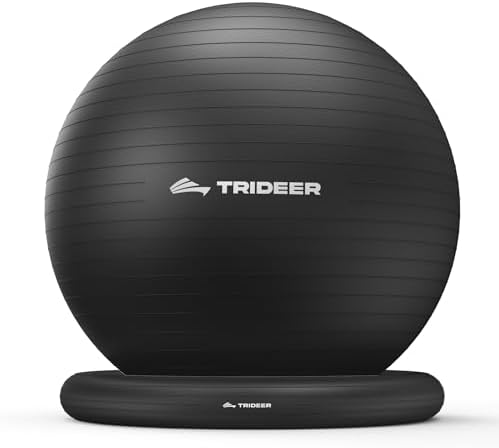
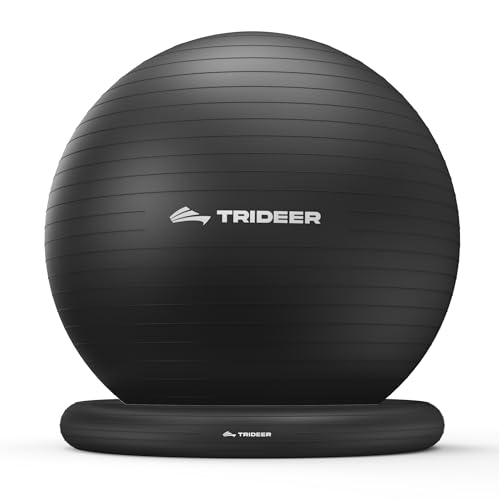
A ball chair is an exercise ball held in a frame so it can serve as a seat. The frame may be a low ring that keeps the ball still, or a taller base with casters that lets the chair roll. Some models add a backrest; many leave the ball bare. Sitting on the ball asks for small, constant balance adjustments, which is why fans call it active sitting.
Size comes before style. Your desk height governs the ball size you should buy, because your forearms need to rest level while you type. A standard desk stands about 29 to 30 inches high, and most adults pair it with a 65 cm ball. Shorter adults usually fit a 55 cm ball, and taller adults a 75 cm ball.
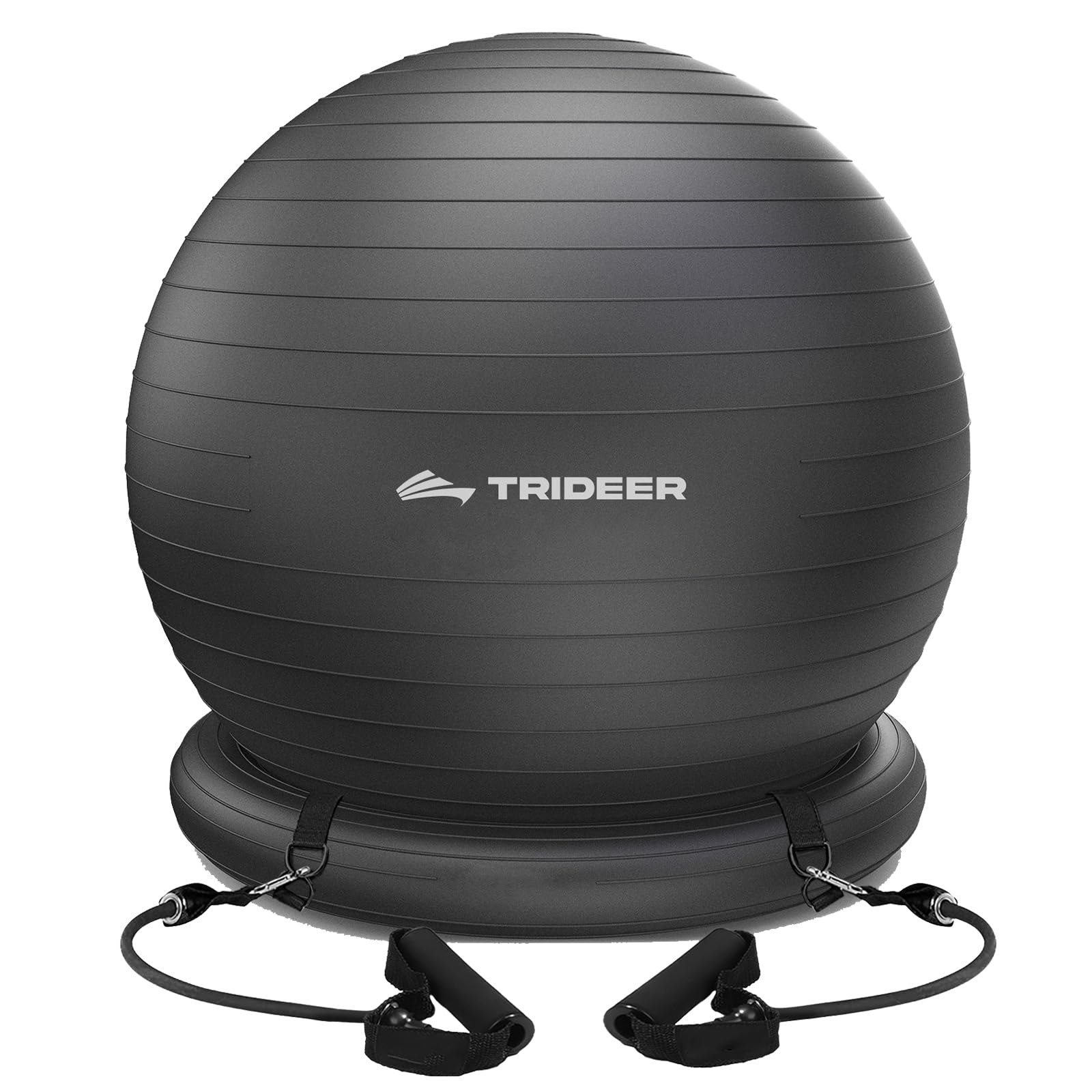
The base decides how the chair behaves on your floor. A base with wheels trades stability for roll, which suits open floor plans where you reach for files and printers. A ring base stays planted, which suits small rooms and carpet. The plain family behind both styles is covered in our guide to best ball chairs.
Key Specs Explained in Plain English
Star ratings and roundups of best reviewed office chairs tell you what other buyers felt; they cannot tell you whether a chair fits your desk. The five specs below can.
Features That Matter for Office
Office use adds demands a home corner never makes. You sit longer, you roll to reach things, and you share air with coworkers, so a quiet caster and a tidy footprint matter. Look for a stated weight capacity, a ball diameter in centimeters, and a base wide enough to feel planted. Chairs with the adjustability shoppers expect from best ergonomic office chair listings will state their seat height range plainly; treat a missing height range as a warning sign.
Ergonomics and Adjustability
On a ball chair, air is the adjustment. Add air to sit higher and firmer; release air to sit lower and softer. Your goal is level thighs and feet flat on the floor.
Guidance written for best ergo office chairs about lumbar support still applies in spirit: a small backrest or a cushion behind your lower back helps during long calls. If back pain persists week after week, talk with a clinician rather than shopping for a stronger chair.
Materials and Upholstery
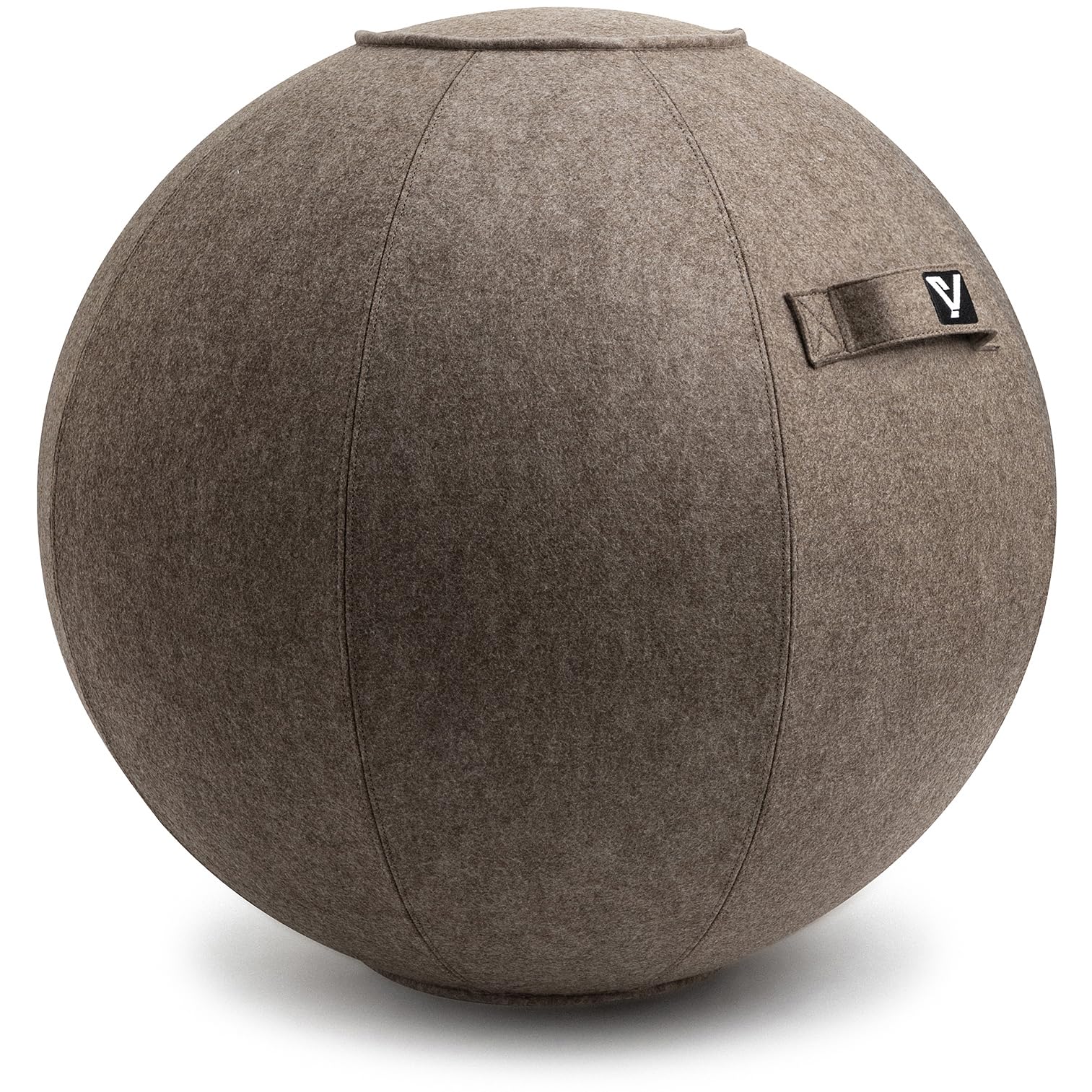
The ball itself is thick PVC in most models, sometimes with a fabric cover that adds grip and a warmer feel in a cool office. Covers zip off for washing, which helps in shared spaces. Bases come in plastic or metal; metal feels steadier and usually carries a higher weight rating. A mesh backrest breathes better than a padded one during long afternoons.
Warranty and Return Policy
Check two numbers: the frame warranty and the return window. One year on the frame is a fair minimum, and about 30 days to return gives you time to try the chair across real workdays. Balls are wear parts, so few warranties cover them for long. Keep the pump, the plug tool, and the receipt together in one drawer.
Style and Room Fit
A ball chair reads casual, so think about where it will live. In a client facing office, a covered ball in a dark color looks calmer than a bright gym finish. Leave room behind the desk for the base, which is wider than the ball. If the chair must impress, a conventional seat from the best office task chairs family may suit the room better.
Rookie Mistakes to Avoid
First time buyers tend to repeat the same handful of errors:
- Ordering the ball size a friend uses, without measuring their own desk first.
- Inflating the ball to its full printed size on the first day, before the material has stretched.
- Sitting a full shift on day one instead of building up in short sessions.
- Choosing casters for a carpeted room, where they barely roll and strain the base.
- Ignoring the weight capacity printed for the frame.
Getting Started: Setup and First Use
Unbox the chair and lay out the base, the ball, the pump, and the small parts bag. Inflate the ball to about 80 percent of its printed size and let it rest overnight; the material stretches, and a second round of air the next day brings it to full size. Set the chair at your desk and check that your feet rest flat.
Spend your first days in short sessions of about 20 to 30 minutes, then swap back to your old chair. Add time across the week as sitting on the ball starts to feel ordinary. Retighten any base screws after the first week, since new parts settle as they take weight.
Frequently Asked Questions
What features matter most in ball chairs for office?
A stated seat height range and a base matched to your floor matter most. Together they decide whether you can type with level forearms and move without fighting the chair. After those two, check the weight capacity printed for the frame. A chair that fits your desk and your floor will feel right long before styling details make any difference at all.
Is an expensive ball chair worth it?
It is worth it when the price buys a metal base and a thicker ball, the two parts that decide how the chair ages. Entry models run about $60 to $120, while metal base models with backrests run about $120 to $250. Skip paying extra for fashion colors or bundled accessories you will not use; the money belongs in the frame and the ball.
How do I choose the right size ball chair for my desk?
Measure your desk height first, then pick the ball that puts your seat a little below it. For a desk near 29 inches, most adults land on a 65 cm ball. Sit on the inflated ball before a full workday and try the mirror test: thighs level, feet flat, shoulders relaxed. If your knees sit higher than your hips, the ball is too small.
What features matter most for long hours at an office desk?
A backrest you can lean into between tasks matters most, because even active sitting gets tiring across eight hours. A fabric cover helps too, since it grips better than bare PVC when you shift position. Alternate the ball chair with a standard chair across the week; variety, not any single seat, is what keeps a long schedule comfortable.
How long should a good ball chair last in office use?
Expect the frame to serve for years and the ball to need replacement sooner, often after about two years of daily office use. A slow leak that returns after reinflation is the clearest sign the ball is done. Keep the size noted in your phone so a replacement ball matches the frame the first time you order it.
The Bottom Line
Measure your desk, pick the ball size that matches it, and choose a base that suits your floor. The product table above collects those details so your first purchase takes minutes, not days. Start with short sessions and build up slowly. Get those basics right and best ball chairs for office stop being a gamble and become a simple, comfortable seat for everyday work.


