Best And Most Comfortable Office Chairs of 2026: Complete Buying Guide
Disclosure: We may earn a commission when you buy through links on this page, at no extra cost to you. As an Amazon Associate I earn from qualifying purchases. Learn more
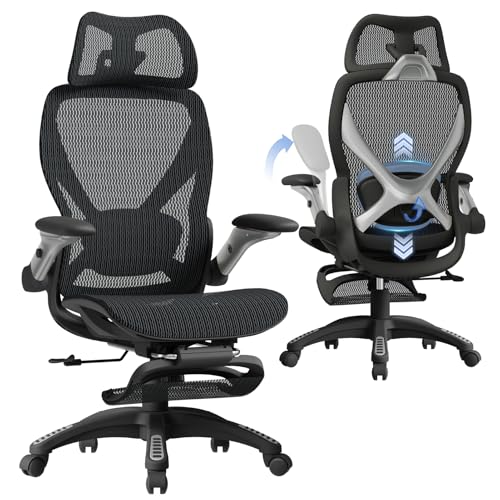
Choose the best and most comfortable office chairs by lumbar support, cushioning, sizing and adjustability for long workdays at home.
Sitting for most of the workday in the wrong chair leaves you shifting, slouching, and rubbing a sore lower back by mid afternoon. The best and most comfortable office chairs solve that problem with real lumbar support, a seat that fits your body, and adjustments you can set once and then forget. This guide explains how to compare those features with confidence.
Start with the comparison table below to see how models differ on size, support, and price range. Then use the sections that follow to match each feature to your body, your desk, and the way you actually work.
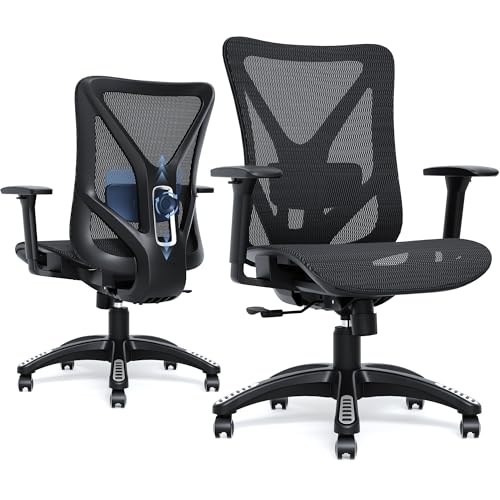
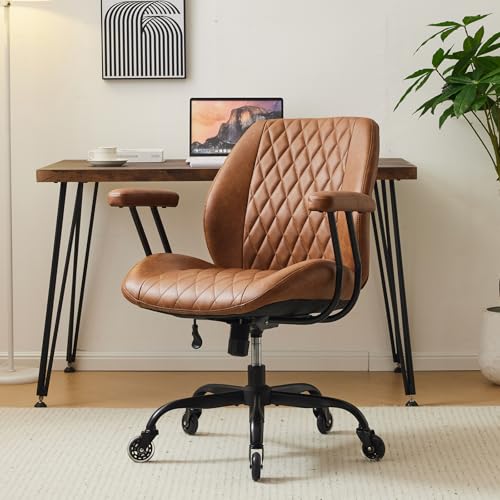
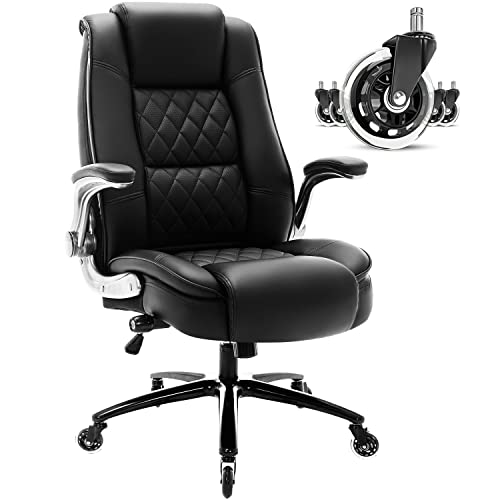


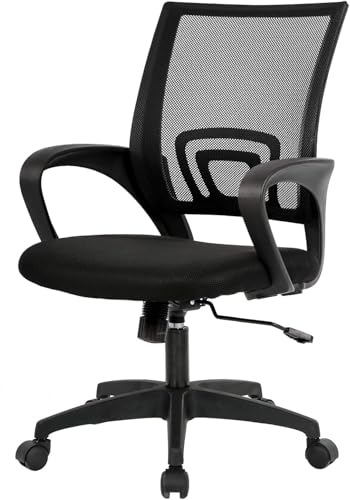
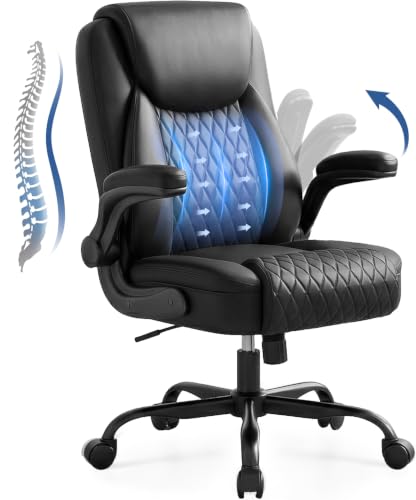
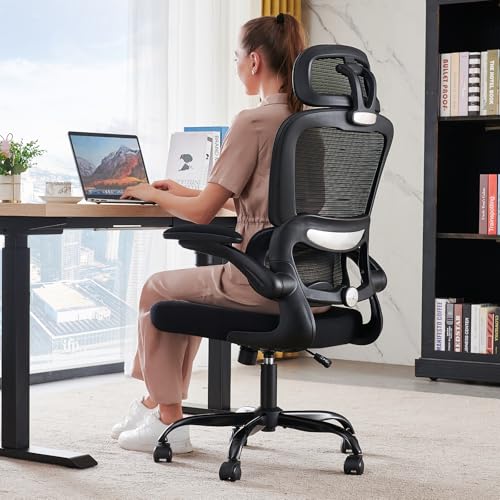
Who Should Buy a Comfortable Office Chair?
Comfort means different things depending on your hours, your body, and your space. The three groups below cover the most common situations, and each one points to a different set of priorities when you compare chairs.
Full Day Desk Workers
If you sit for eight hours or more, you need a chair built for endurance rather than short sessions. Look for adjustable lumbar support, a tilt lock that lets you lean back without fighting the chair, and a seat cushion that stays supportive late in the day. If your work is mostly typing and calls at a single desk, see our guide to the best office task chairs for models shaped around focused task work.
Home Office Users With Limited Space
A smaller room or a shared corner calls for a narrower frame, arms that flip up, and a base that tucks close to the desk. Compact space saving models give up some recline range and seat width, and that trade is worth it when the chair fits your room. Measure your floor space first, and check that the chair can roll clear of nearby furniture.
Taller and Heavier Users
If you are tall or carry more weight, standard sizing can leave your knees too high and the backrest too short. You need a higher weight capacity, a deeper seat, and a backrest that reaches your shoulder blades. A reinforced frame and a stronger gas lift matter more for you than extra padding, since the structure carries the load every day.
How to Choose a Comfortable Office Chair: Buying Guide
This is the section to read slowly, because these factors decide how a chair feels after a month of use. When shoppers ask what separates the best and most comfortable office chairs from average ones, the answer is almost always the fit and adjustment range covered below. You can also see our guide to the best reviewed office chairs to cross check how owners rate long term comfort.
Ergonomics and Adjustability
Good ergonomic design lets the chair adapt to you instead of forcing you to adapt to it. Seat height should let your feet rest flat with your knees near a right angle, and adjustable armrests should support your forearms without lifting your shoulders. A tilt lock holds the backrest at the angle you choose, while tilt tension controls how much effort reclining takes. Lumbar support is the most important piece, and it should press gently into the curve of your lower back, with height or depth adjustment if you can get it.
Size, Dimensions, and Weight Capacity
Start with three measurements: the width between the arms, the seat depth from front to back, and the highest and lowest seat height settings. Your seat depth should leave about two to three inches between the seat edge and the back of your knees. Check the stated weight capacity and stay comfortably under it, since a chair used near its limit wears faster and feels less stable. Finally, confirm the overall width fits your desk opening and your room.
Comfort and Cushioning
A seat made with high density foam holds its shape and supports you evenly across a long day. Thin or soft foam feels plush for ten minutes and then compresses until you feel the hard base underneath. A mesh back offers a different kind of comfort, letting air move so your back stays cooler, though it gives a firmer and more elastic feel. Think about which sensation you prefer, because cushioning style is a matter of personal taste as much as quality.
Build Quality and Frame
The frame, base, and lift cylinder decide how long a chair stays solid and quiet. A steel or reinforced nylon base with five points feels steadier than a thin four point base, and larger casters roll more smoothly on carpet. Look for a Class 4 gas lift, which is the sturdier rating commonly used on better chairs. Wobble at the armrests and flex in the backrest frame are early signs of weaker construction.
Warranty and Return Policy
Read the warranty by part rather than by headline, because coverage often differs for the frame, the gas lift, and the fabric or foam. Longer frame coverage signals that the maker expects the structure to last. Return terms matter just as much, since you cannot judge all day comfort in a showroom minute. A trial window of at least a few weeks lets you learn how the chair feels during real work.
Assembly and Delivery
Most office chairs arrive in a large box with the base, casters, seat, backrest, and arms packed separately. Assembly usually takes about 20 to 40 minutes with the included tool, and the hardest step is aligning the backrest bolts, which goes better with a second person holding the part steady. Keep the box until you are sure the chair fits you, because returns are far easier with the original packaging.
Types of Comfortable Office Chairs
Office chairs fall into a few broad families, and knowing them helps you read the product table above with clearer eyes. Each type below suits a different room, budget, and sitting style.
Compact Space Saving Models
These chairs use slim backs, narrower seats, and arms that fold away so the chair slides fully under a desk. They suit dorm rooms, small apartments, and shared spaces where floor area is tight. The trade off is less recline and less room to shift position. If your chair must disappear into a corner at night, this is your category.
Ergonomic Models
Ergonomic models offer the widest adjustment range, with movable lumbar support, seat depth adjustment, and arms that move in several directions. They are the safest choice for long hours and for people who share a chair with a partner of a different size. To compare dedicated designs, see our guide to the best ergo office chairs and note how their adjustment lists differ.
Premium Executive Models
Executive chairs pair thick padding, tall backs, and often a headrest with a more formal look for client facing offices. They feel generous and quiet, and the better ones keep solid ergonomic support under the padding. If appearance matters as much as comfort in your workspace, see our guide to the best stylish and comfortable office chairs for designs that balance both.
Choosing a Comfortable Office Chair for Your Situation
Best Inexpensive Comfortable Office Chairs
The best inexpensive comfortable office chairs keep the essentials and cut the extras, and knowing the difference protects your budget. Spend first on a supportive seat, a backrest with some lumbar shaping, and a stable base, because those decide daily comfort. Skip costly add ons like premium leather, powered features, or elaborate arm designs at this price level. Expect to pay around $100 to $250 for a solid budget model, and check the warranty closely, since shorter coverage is the most common compromise.
If you also want comfortable seating away from the desk, see our guide to the best comfortable chairs. Your desk chair still matters most, because it carries the longest hours of your week.
Common Mistakes to Avoid
Most comfort complaints trace back to a few buying errors rather than a defective chair. Watch for these before you order.
- Choosing by looks alone, so the chair matches the room but leaves your lower back unsupported all day.
- Ignoring seat depth, so the front edge presses behind your knees and cuts off easy movement.
- Skipping the weight capacity check, so the lift and base wear out years earlier than they should.
- Assuming a thicker cushion means more comfort, so you end up sinking into soft foam with no real support.
- Forgetting to measure your desk height, so the armrests collide with the desk and push your shoulders up.
Care and Maintenance Tips
A few small habits keep a chair supportive, quiet, and clean for years. All of them concern the chair itself rather than the rest of your office.
- Set the seat height so your feet rest flat, and reset it after anyone else uses the chair.
- Tighten the base and armrest bolts every few months, since normal rolling slowly works them loose.
- Vacuum fabric and mesh weekly with a soft brush, and wipe spills at once so stains do not set.
- Keep leather and faux leather out of direct sunlight, because steady heat dries the surface and starts cracks.
- Lift the chair by its base when moving it, rather than dragging it by the armrests across the floor.
- Check casters for trapped hair and grit, and clear them so the chair keeps rolling smoothly.
Frequently Asked Questions
How long should a good and comfortable office chair last?
A good and comfortable office chair should last about seven to ten years of daily use. The gas lift and seat foam usually show age first, through slow sinking or a cushion that stays flattened after you stand. One point many buyers miss is that caster wheels are cheap to replace on their own, so worn rolling does not mean the whole chair is finished.
How do I choose the right size comfortable office chair for my body and desk?
Choose the size of a comfortable office chair by matching seat depth, seat height range, and width between the arms to your own measurements. Sit with your back against the backrest and confirm a small gap behind your knees. Also measure the height from the floor to the underside of your desk, because armrests that cannot slide under it will force you to sit too far away.
What features matter most in a comfortable office chair for long hours?
For long hours, adjustable lumbar support, a supportive seat cushion, and a backrest that reclines with a lock matter most in a comfortable office chair. Breathable materials help during warm months, and a seat front edge that slopes down gently reduces pressure under your thighs. If your legs often feel restless by evening, that sloping edge is the detail to prioritize when you compare models.
Is an expensive comfortable office chair worth the higher price?
An expensive comfortable office chair can be worth it when the higher price buys a longer warranty, stronger frame parts, and finer adjustments. It is not worth it when the extra cost only buys styling or thicker surface padding. A useful test is cost per year: a chair at about $600 that lasts ten years can cost less per year than one at around $200 replaced after three.
Final Thoughts
Fit comes first, so match seat size and lumbar support to your body before you compare fabrics or colors. Use the product table above to narrow your list, then confirm dimensions and warranty terms on the product page. Chosen with that care, the best and most comfortable office chairs turn long desk hours into time your body can handle with ease, day after day.