
Best Zojirushi Rice Cooker: A Complete Buying Guide
Disclosure: We may earn a commission when you buy through links on this page, at no extra cost to you. As an Amazon Associate I earn from qualifying purchases. Learn more

Zojirushi has spent decades earning a reputation as the brand rice enthusiasts mention first, and once you start comparing options within its lineup, the differences are bigger than they first appear. Finding the best Zojirushi rice cooker for your household is less about picking a random model off a shelf and more about matching the brand's cooking technology, capacity range, and settings to how you actually cook. This guide breaks down what separates Zojirushi's tiers, how to size a unit correctly, and which features are worth caring about before you spend money on one.


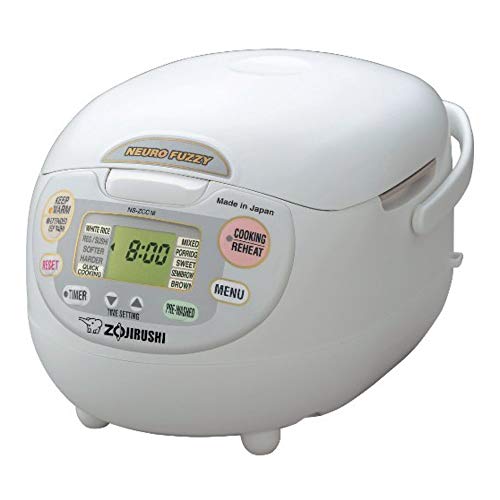

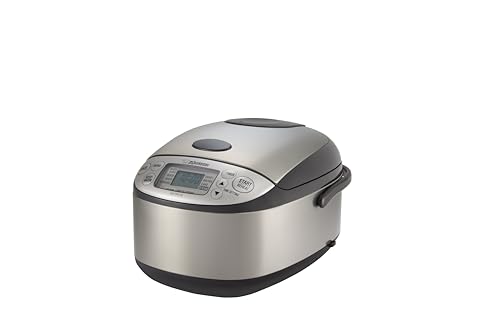


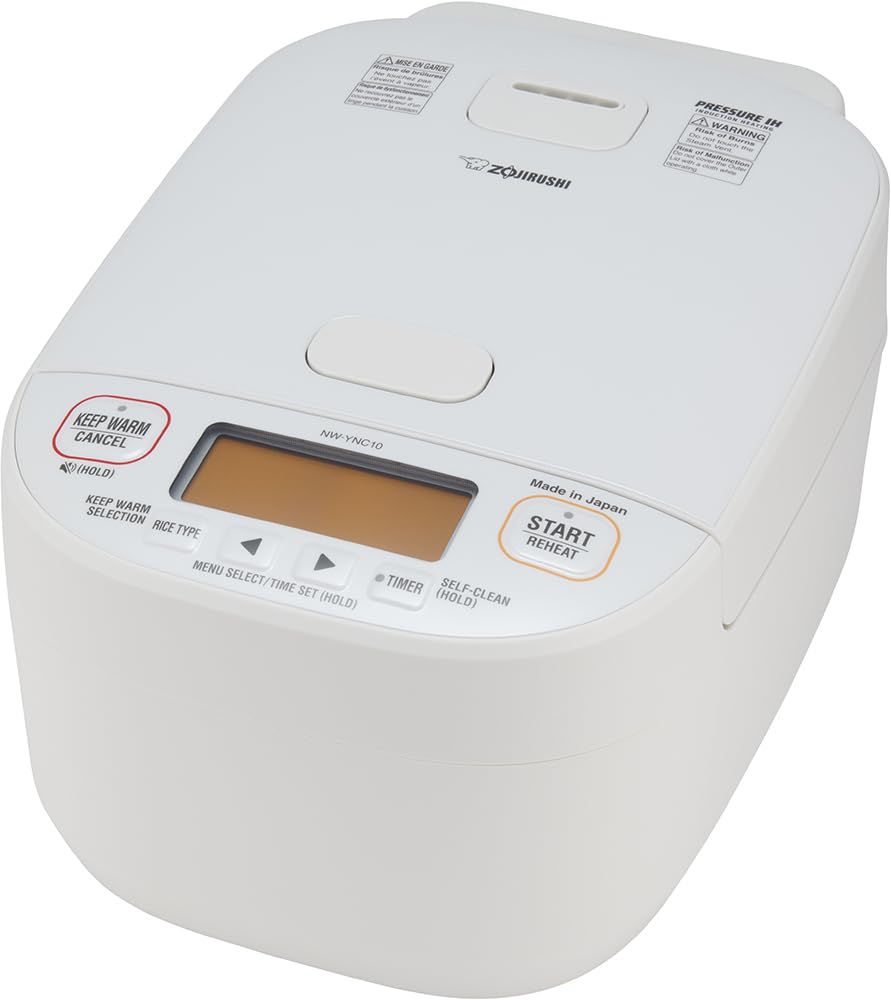
How Zojirushi's Cooking Technology Tiers Differ
Zojirushi's rice cookers fall into two broad technology tiers, and understanding the split matters more than any single feature on a spec sheet. The entry tier relies on microcomputer, or micom, control paired with a conventional heating plate at the bottom of the unit. A small onboard computer adjusts cook time and temperature based on programmed settings, which is a meaningful step up from a basic on-off switch but still heats the pan primarily from below.
The higher tier uses induction heating, often shortened to IH, where the entire pan itself becomes the heat source through electromagnetic current rather than a single heating element underneath it. This produces more even heat across the whole pot, faster temperature swings when the cooking cycle calls for them, and noticeably more consistent texture from the first cup to the last. Every induction model also includes the micom brain, so buyers are not choosing between smart control and even heat, they are choosing whether to pay for even heat on top of smart control.
Some Zojirushi lines add a neuro-fuzzy layer to the micom logic, where the microcomputer learns and adjusts cooking parameters slightly based on room temperature, rice quantity, and moisture rather than following one fixed program. It is a refinement on top of micom control, not a separate heating method, and it shows up mostly as slightly more forgiving results when measurements are not perfectly precise.
Choosing a Capacity for Your Household
Zojirushi measures capacity in its own rice cups, which are smaller than a standard US measuring cup, so a model's rated size can look misleading if you compare it to recipes written in cups. As a general rule, a small-capacity cooker suits one or two people who eat rice occasionally, a mid-size model in the five to six cup range covers most families of three or four, and a large-capacity unit is worth considering only if you regularly cook for a crowd or like having leftovers for meal prep.
Buying larger than needed is a common misstep. A rice cooker generally performs best somewhere in the middle of its capacity range rather than at the very minimum or maximum fill line, so a household of two running a large-capacity cooker at a quarter-full may actually get less consistent texture than they would from a properly sized smaller unit.
Matching Settings to the Rice You Actually Cook
One underrated part of shopping this lineup is checking which grain settings a given model actually offers, since this varies across the range. Most mid-tier and higher Zojirushi cookers include dedicated programs for white rice, sushi rice, brown rice, mixed grains, porridge, and sweet rice, each of which adjusts soak time, temperature curve, and total cook time for that grain's structure.
If sushi rice or brown rice is a regular part of your cooking, confirming a dedicated setting exists is worth more than chasing a slightly higher-end model that lacks it. Brown rice in particular benefits from a longer, gentler program because the bran layer resists water absorption, and a cooker without a specific setting for it will often turn out unevenly cooked or overly firm grains.
What the Keep-Warm Function Is Actually Good For
Every Zojirushi rice cooker includes a keep-warm mode, and it is genuinely useful for dinner timing, but it is not designed to hold rice indefinitely. Rice generally stays at good eating quality on keep-warm for several hours, and manufacturer guidance typically caps recommended holding time well under a full day, even though the unit will technically keep running longer than that.
Gathering the rice into a small mound at the center of the pan rather than spreading it flat helps slow moisture loss during an extended hold. For rice that needs to last past dinner, refrigerating and reheating a portion tends to produce better texture than leaving it on keep-warm overnight.
Caring for the Inner Pan and Everyday Maintenance
The nonstick inner pan is the single component most worth protecting, since it directly affects both cooking performance and how easy cleanup is. Wooden or silicone utensils are the safer choice for serving rice, and metal spoons or forks will shorten the coating's usable life noticeably faster than normal wear would.
- Wash the pan by hand with a soft sponge and mild soap rather than an abrasive scrubber
- Avoid the dishwasher, since most manufacturer guidance excludes the pan and accessories from dishwasher-safe parts
- Wipe the heating plate and exterior with a damp cloth, keeping water away from the control panel and vents
- Let the pan cool before washing to avoid warping thin nonstick coatings
Over years of regular use, some scratching is normal even with careful handling, and it is worth checking whether replacement inner pans are sold separately for the model under consideration before buying, since availability varies.
Zojirushi Versus a Generic Rice Cooker
A basic non-Zojirushi rice cooker with a single switch will cook plain white rice adequately for a fraction of the cost, and for households that eat one type of rice occasionally, that may genuinely be enough. Where Zojirushi's lineup earns its premium is in consistency across multiple grain types, the ability to fine-tune texture preferences, and build quality that tends to hold up over many years of daily use.
The gap becomes most obvious with brown rice, sushi rice, and mixed grains, where a single-setting cooker has no way to adjust for each grain's different cooking needs. Anyone deciding between the two is really deciding how much their rice variety and daily frequency of use matter to them, not just how much rice they eat overall.
Frequently Asked Questions
What is the difference between Zojirushi micom and induction heating models?
Micom models use a microcomputer with a conventional bottom heating plate, while induction models heat the entire pan through electromagnetic current for more even, adjustable cooking results.
How many cups of rice does a mid-size Zojirushi cooker make?
A mid-size model in the five to six cup range typically suits a family of three to four, producing roughly double that amount once the rice is cooked.
Can Zojirushi rice cookers handle brown rice well?
Yes, most mid-tier and higher models include a dedicated brown rice setting that uses a longer, gentler cooking cycle suited to the grain's tougher outer layer.
How long can rice safely sit on the keep-warm setting?
Manufacturer guidance generally recommends well under a full day, and quality noticeably declines the longer rice sits, even though the function will run for longer if left on.
Is the inner cooking pan dishwasher safe?
No, most Zojirushi inner pans and accessories should be hand washed with mild soap rather than placed in a dishwasher.
Is a Zojirushi worth it over a cheaper rice cooker?
It depends on how often you cook rice and how many grain types you use regularly, since the price premium mainly pays for even heating and dedicated grain settings rather than basic functionality.
Does neuro-fuzzy mean the cooker uses induction heating?
No, neuro-fuzzy describes a refinement to the microcomputer's cooking logic, not the heating method, and it can appear on models with either conventional or induction heating.
Making the Right Call for Your Kitchen
Picking within Zojirushi's lineup comes down to three questions worth answering honestly before you shop: how many grain types you actually cook, how many people you are feeding on a typical night, and whether even heating is worth the difference in price to you. A household eating plain white rice occasionally has very different needs than one rotating through brown rice, sushi rice, and mixed grains weekly.
Once those answers are clear, matching them to the right technology tier and capacity is straightforward, and the result is a rice cooker that fits daily use rather than one bought on brand name alone. For a broader look at how other rice cooker brands stack up, our guide to the best Cuckoo rice cooker covers a different approach to smart cooking technology, and if pressure cooking is also on your radar, our best stainless steel pressure cooker guide walks through that category separately. Rice pairs naturally with the rest of a Japanese-inspired kitchen setup too, so our best Japanese chef knife guide is worth a look if you are building out the rest of your cooking tools at the same time.


