
Best Compressor Ice Cream Maker: How to Choose for 2026
Disclosure: We may earn a commission when you buy through links on this page, at no extra cost to you. As an Amazon Associate I earn from qualifying purchases. Learn more

The best compressor ice cream maker fits your counter, servings and budget. Compare compact, family and large machines.
It is a warm Saturday, the kids have asked for ice cream twice already, and your freezer holds no bowl that was chilled the night before. That small moment is exactly where a compressor machine earns its place, since it chills and churns in one unit with no advance freezing. Finding the best compressor ice cream maker for your home comes down to space, servings and budget.
This guide walks through those three factors in plain order, and the product table gathers real models in one place so you can match a style of machine to the way your household actually eats dessert.
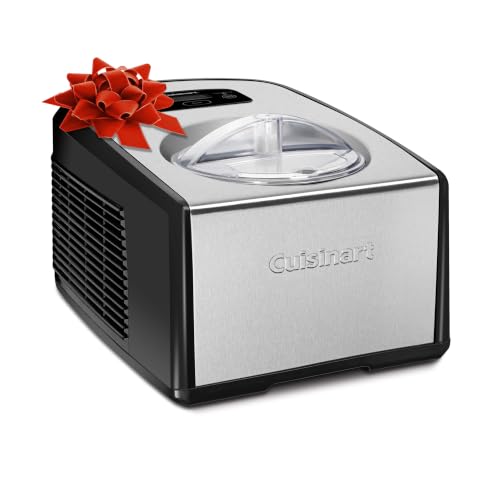
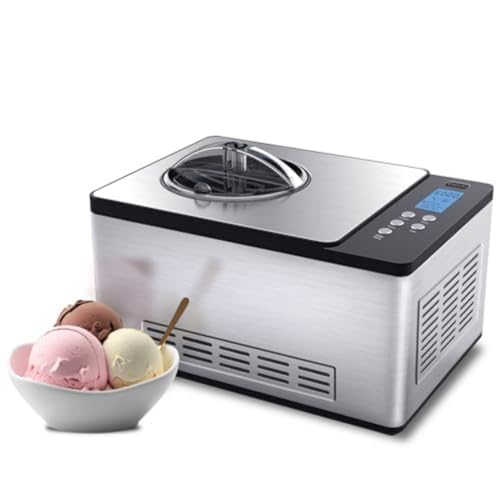
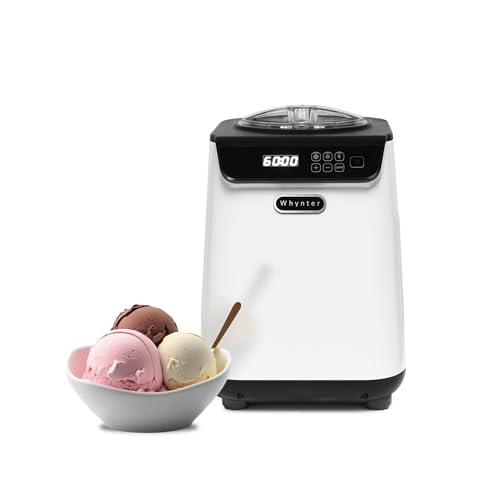
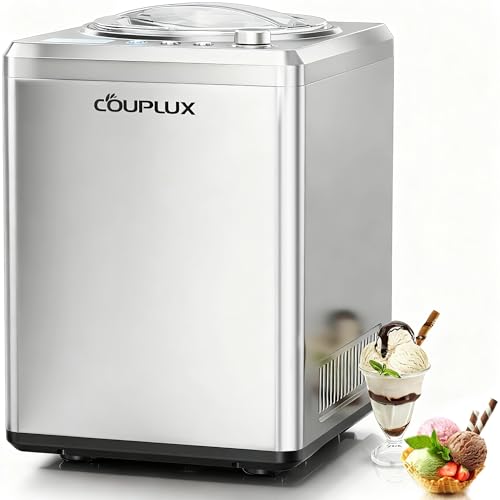
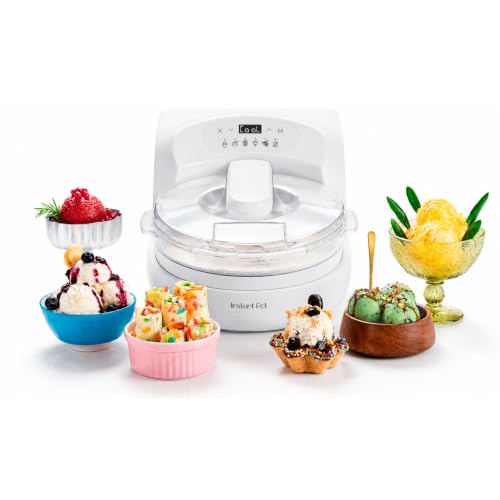

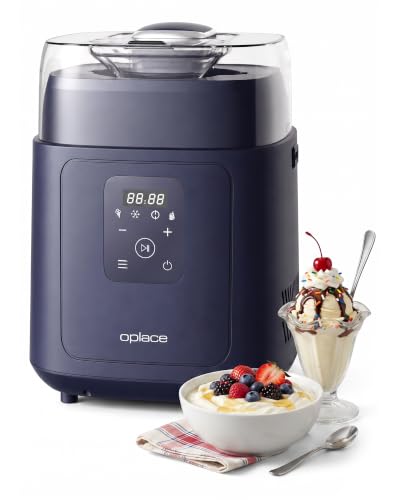

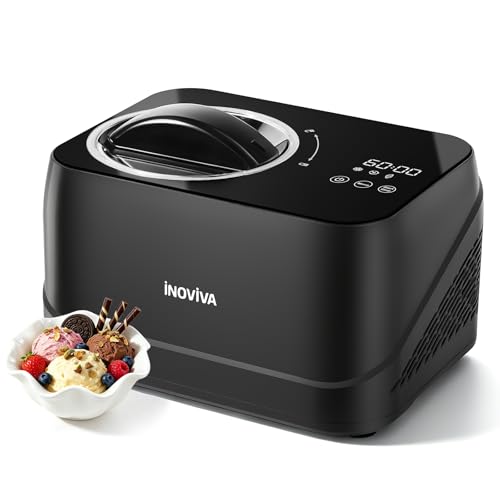
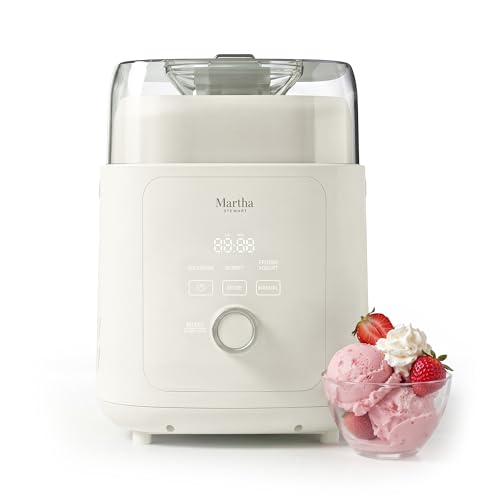
Quick Answer: Which Compressor Style Fits in 30 Seconds
If counter space is tight and you mostly make dessert for one or two people, a compact model of about 1 to 1.5 quarts suits you. Most families land on a standard 1.5 to 2 quart machine, which turns out a batch for four to six servings without dominating the counter. If you entertain often or like making two flavors for one gathering, look at larger models above 2 quarts and accept the extra weight and cost.
Before You Buy: A Quick Checklist for Choosing an Ice Cream Maker
Size: Match Capacity to Your Household
Capacity decides how much finished ice cream one batch gives you, and it is the first number to settle. A 1 quart batch serves about two to three people, a 1.5 to 2 quart batch covers most families, and 4 to 6 quart machines exist mainly for big gatherings rather than daily compressor use. Remember that ice cream expands as it churns, so the base mixture must sit below the stated limit. Households comparing the best ice cream maker for home use often find that one midsize batch eaten fresh beats a huge batch stored for weeks.
Which Type Fits Your Routine
Compressor models chill the mixture themselves, so you can pour in a room temperature base and start right away. Freezer bowl models cost less, but the bowl must sit in your freezer for many hours first, which fails you when the craving is sudden. Salt and ice churns and hand crank models ask for more work and more cleanup. Shoppers who begin with the best electric ice cream maker listings often move to a compressor once they realize the planning step, not the churning, is what stopped them making ice cream at home.
Wattage, Power and Energy Use
A compressor machine runs two jobs at once, turning the paddle and cooling the bowl, so it draws more power than a simple motor driven churn. Many home models draw about 100 to 250 watts while a batch runs, and a batch usually takes about 30 to 60 minutes. That still adds up to a modest amount of electricity per batch. Check that your circuit can share the load with other counter appliances, and avoid running the machine on an extension cord.
Safety Features and Certifications
Look for a recognized safety listing such as UL or ETL printed on the rating label, which shows the appliance was checked against United States safety standards. A lid that locks before the paddle starts keeps fingers and utensils out of a moving bowl, and an automatic shutoff helps if the motor strains on a thick mixture. Stable feet matter more than they sound, since a vibrating machine can creep toward the counter edge. Keep the vents clear while it runs, because blocked airflow makes the compressor work harder.
Counter Space and Dimensions
Measure before you fall for a capacity figure, because compressor units are among the largest and heaviest small appliances you can buy. Note the width, depth and height with the lid open, then check the cabinet clearance above your counter and the shelf where the machine will live between uses. Many models weigh enough that moving them daily becomes a chore, so a permanent spot near an outlet is the realistic plan. Leave a few inches of open space around the vents.
Realistic Budget Ranges
Set your budget with clear eyes, because a true compressor model costs far more than a freezer bowl churn. Under about $100 you are buying a freezer bowl or manual style, not a compressor at all. Entry level compressor models tend to sit at about $200 to $300, family size models with more modes run about $300 to $500, and large machines go over $500. Paying more mainly buys capacity, a removable bowl, extra paddles and a longer warranty, not a different basic result.
Types Compared: Three Compressor Layouts for Real Homes
Compressor machines split into three broad layouts, and the right one follows from your kitchen and your guest list. The product table above lists current examples of each layout with their capacities.
Compact Countertop Models
Compact models hold about 1 to 1.5 quarts and suit singles, couples and small apartments where storage is the hard limit. They chill a small batch well and tuck onto a shelf, but a second batch for guests means waiting for the first to finish and be served. Their bowls are often fixed in place, so cleaning means wiping the bowl where it sits. Choose this layout if you make ice cream a few times a month in modest amounts.
Standard Family Models
Standard models hold about 1.5 to 2 quarts and are the layout most homes settle on. That batch size covers a family dessert plus a little left over, and many include separate settings for ice cream, gelato and sorbet along with a mode that keeps a finished batch cold for a short while. Removable bowls appear more often in this group, which makes washing simpler. If you want one machine for weeknight treats and birthday dinners alike, start here.
Large and Soft Serve Capable Models
Larger models pass 2 quarts and add output for parties, though they claim serious counter room and can be heavy to shift. A smaller group of machines dispenses soft serve style desserts instead of scooping firm ice cream, which delights children but narrows what you can make. If that texture is your main goal, read our guide to the best soft serve ice cream maker before you commit. For everyone else, firm churned batches from a standard layout cover far more recipes.
What to Weigh in Compressor Models
Judge compressor machines on the factors that shape daily ownership rather than on novelty features. Capacity, footprint and weight come first, followed by how simply the controls run a batch, how the bowl and paddle come apart for washing, and how loud the compressor sounds in a quiet kitchen. Also weigh warranty length and the cost of spare parts. The wider guide to the best ice cream maker explains how these models sit alongside every other style.
Strengths and Trade Offs of Compressor Models
The clear strength is freedom from planning. You can decide at lunch to serve ice cream at dinner, run one batch, and then run a second flavor right after it with no bowl to chill again in between. Texture is steady too, since the machine holds a constant cold temperature through the whole churn instead of warming slowly the way a freezer bowl does. For homes that make frozen desserts often, that reliability is the whole case.
The trade offs are size, weight, noise and price. A compressor hums much like a refrigerator while it works, which some open plan kitchens make hard to ignore. Once you own one, our walkthrough of how to use an ice cream maker covers base temperatures, fill lines and timing for your first batches.
Common Mistakes to Avoid
- Buying the largest capacity on sale, then leaving it in a closet because it is too heavy to lift onto the counter.
- Pouring a warm cooked custard straight into the bowl, which stretches the churning time and gives a coarse texture.
- Filling past the stated line, so the expanding mixture pushes under the lid and coats the paddle shaft.
- Storing the machine with the lid sealed right after washing, which traps moisture and stale odors around the gasket.
- Judging value on the number of preset modes alone, when you will use two of them for nearly every batch.
Cost of Ownership and Care
Running costs stay low, since each batch uses a modest amount of electricity and the machine needs no ice, rock salt or freezer space given up to a bowl. Your real spending goes to ingredients, plus an occasional spare paddle, lid or gasket. Wipe the exterior with a damp cloth, wash the removable parts in warm soapy water, and never immerse the base, which houses the compressor and motor. Let every part dry fully before you reassemble it, and store the unit upright so the compressor oil settles as the maker intends.
Your Questions, Answered
What is the most reliable ice cream maker brand?
No single brand wins on reliability for every home, so judge the maker by the support behind the machine instead. Check how long the warranty runs, whether the compressor itself gets separate coverage, and how easily you can order a spare paddle or lid years later. A brand with a real service network protects you more than a famous name without one. Keep your receipt and register the purchase, since warranty claims go faster with both on file.
How do you clean an ice cream maker?
Start as soon as the batch is served, because dried dairy mixture hardens on the paddle and bowl rim. One point many owners miss is odor: if a faint sour smell lingers, wipe the bowl with a cloth dampened with a mild solution of baking soda and water, then rinse and dry it well. Store the machine with the lid resting ajar rather than sealed, so air moves through the bowl between uses and the gasket stays fresh.
Is an ice cream maker worth it?
It is worth it when your household eats ice cream weekly and enjoys choosing what goes into it, from the sweetness level to ingredients a family member must avoid. Control is the quiet benefit, since you decide on the cream, the sugar and the fruit. If dessert at home is a rare event, the money and the storage space will serve you better elsewhere, and small shop bought treats will cost less overall.
How long does an ice cream maker last?
A compressor model in regular home use can serve for many years, and its working life depends mostly on the sealed cooling system and the motor. Watch for early warning signs rather than a sudden failure: batches that take far longer to firm up, a compressor that sounds strained, or a paddle that stalls in mixtures it used to turn easily. Those changes point to a service visit or a planned replacement.
Are compressor ice cream makers worth it?
For frequent makers, yes, because the premium buys you batches on demand with no bowl taking freezer room between them. Run the simple math on your habits: if you churn twice a month or more, the extra cost over a freezer bowl model spreads thin across years of use. If you expect to churn a few times each summer and then forget the machine, that same premium sits idle, and the cheaper style would have served you just as well.
What is the best compressor ice cream maker?
The right answer is the model whose capacity, footprint and price match your kitchen, not the largest or the most expensive one listed. Start with the product table above, narrow it to the layout that fits your counter, and then compare bowl style, noise and warranty among the few that remain. A machine you can leave out, fill correctly and clean without dread is the one your family will actually use every week.
The Bottom Line
For most homes, a standard 1.5 to 2 quart compressor model gives the best balance of batch size, footprint and price, while compact kitchens do better with a smaller unit and keen hosts can justify a larger one. Match the machine to your space and habits first. The best compressor ice cream maker for your family is the one that fits your counter, your servings and your budget, and gets used often.


