Best Compact Vacuum Sealers (2026): Types, Fit and Buying Guide
Disclosure: We may earn a commission when you buy through links on this page, at no extra cost to you. As an Amazon Associate I earn from qualifying purchases. Learn more

Best compact vacuum sealer guide: compare external, handheld, and roll storage types by drawer fit, moist mode, and running cost.
Your freezer holds a large pack of chicken you split into three portions, but your counter already carries a coffee maker, a knife block, and a fruit bowl. A full size sealer would live on that counter forever, while a best compact vacuum sealer choice can slide into a drawer or stand in a narrow gap between appliances. This guide helps you choose by the space you actually have, the number of people you feed, and the budget you can justify.
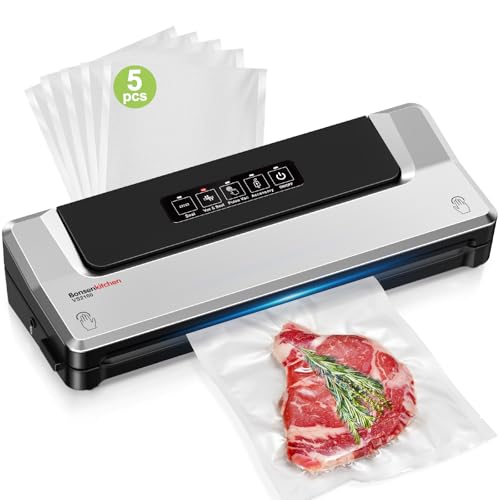
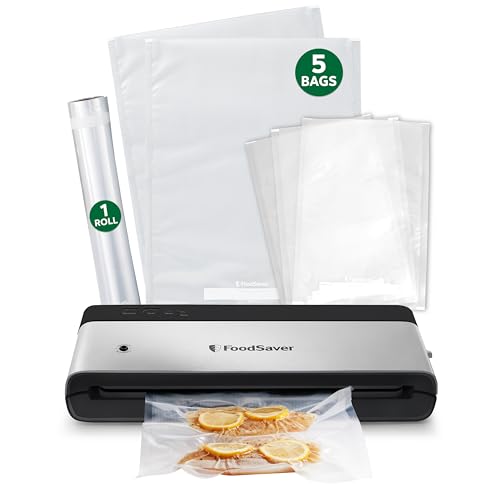
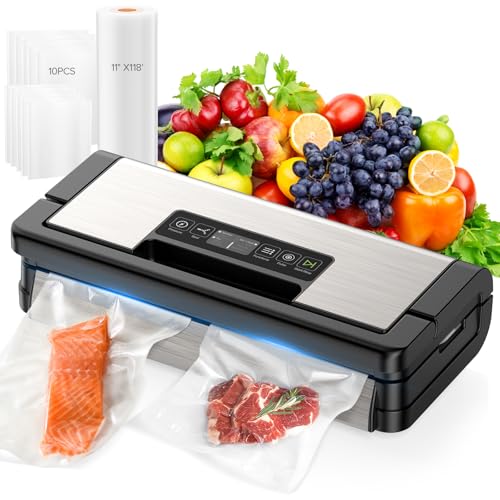
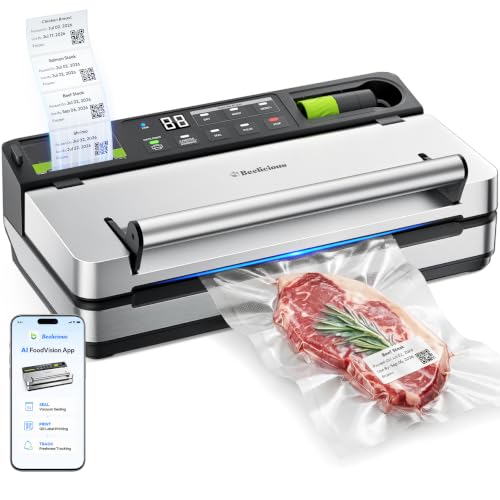
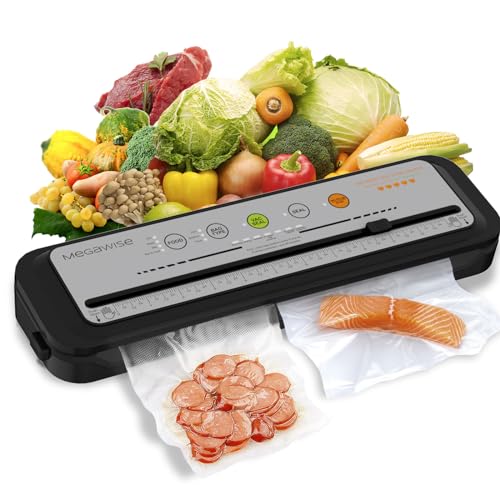
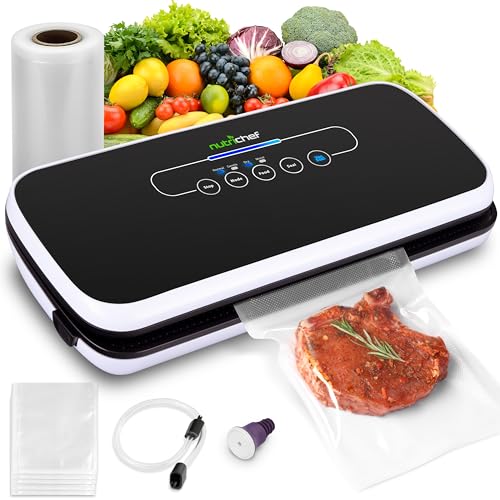
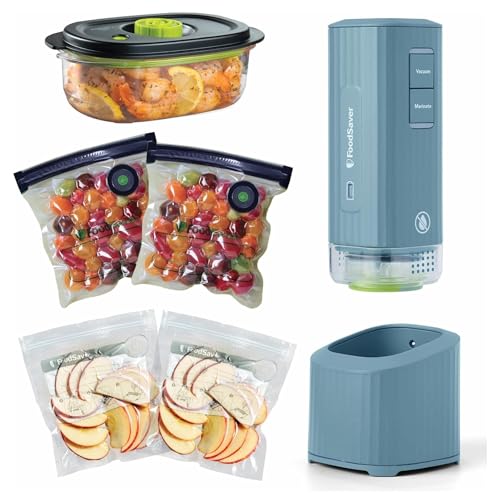
Compact models differ more than their footprints suggest. Some store a roll of bag material inside the body, some trade that storage for a slimmer shape, and some handle moist foods far better than others. The comparison table below lines up the main types side by side.



Quick Answer: Which Compact Type Fits Your Home in 30 Seconds
For most households, a slim external sealer with dry and moist settings covers weekly meal prep, freezer storage, and sous vide bags while still fitting in a deep drawer. If you seal mostly small portions, coffee, or jars, a handheld model takes the least room and costs the least to run. If you shop in bulk and seal many bags in one session, choose a slightly wider compact sealer with roll storage and a built in cutter, and accept a permanent counter spot.
Before You Buy: A Quick Checklist for Choosing a Vacuum Sealer
Which Type Fits Your Routine
External sealers are the standard compact form. You place the open end of a textured bag in the channel, close the lid, and the pump pulls air out before the bar seals the plastic. Handheld models work through a valve on special bags or containers, and they suit small, frequent jobs rather than a full freezer session. Chamber machines seal liquid rich foods beautifully, but they are rarely compact, so read our guide to the best chamber vacuum sealer only if counter space is not your limit.
Features Worth It, and Ones to Skip
A moist or wet mode is worth paying for, since it slows the pump and extends the seal time so juices stay in the food instead of being drawn into the channel. A built in cutter earns its space because straight cuts waste less bag material than scissors. Roll storage adds height and depth, so skip it if your drawer is shallow and buy precut bags instead. Treat a marinate function as a bonus rather than a reason to buy, since a sealed container in the fridge does the same job more slowly.
Wattage, Power and Energy Use
Most compact external sealers draw about 100 to 130 watts while sealing, and each cycle lasts well under a minute, so the electricity cost per bag is tiny compared with the cost of the bag itself. Power matters in a different way. A stronger pump reaches a firm vacuum on textured bags and holds up better when you seal ten bags in a row, while a weak pump may need a rest to cool down. For long bulk sessions, check the manual for a stated duty limit.
Safety Features and Certifications
Look for a UL or ETL listing, which means an independent body has checked the electrical design against a recognised safety standard. The heating bar should stop when the lid opens, and the body should stay cool enough to touch during normal use. A locking lid helps the seal form evenly, but it should release without force. Keep the machine away from sink splashes, and let the seal bar cool before you put the unit away.
Counter Space and Dimensions
Measure before you shop, and measure the storage spot rather than the counter. Note the width of your deepest drawer, the height under your upper cabinets, and whether the lid can open fully where you plan to use the sealer. Many compact models are about 15 inches wide and 3 to 6 inches tall, yet the open lid and the bag need extra room in front. A unit that stores on its side saves the most space, but only choose that style if the maker says side storage is safe.
Realistic Budget Ranges
Handheld models often cost under $50, and they make sense for light use with reusable valve bags. The main compact external range runs about $50 to $100, which usually buys dry and moist modes, a cutter, and a starter supply of bags. Spending about $100 to $200 adds stronger pumps, roll storage, and sturdier lids. Prices above that level usually pay for chamber or commercial designs rather than a better compact machine.
Three Compact Setups for Different Homes
For Most Homes: A Slim External Sealer With Dry and Moist Settings
This is the balanced choice for a household of two to four people who seal food two or three times a week. It handles family size packs split into portions, blocks of cheese, and sous vide bags, and it still slides into a drawer afterward. Standard compact models seal bags up to about 11 inches wide. If you often seal whole roasts or large trays, compare your needs with our guide to the best vacuum sealer range in full size form first.
For Tight Budgets and Small Jobs: A Simple Sealer Without Roll Storage
If you live alone, cook for two, or mainly seal coffee beans, snacks, and small portions of leftovers, a basic compact sealer or a handheld unit keeps costs and clutter down. Without roll storage the body is shorter and lighter, and precut bags remove the measuring step. A handheld model also works on matching containers for deli meats and cut fruit. Our guide to the best handheld vacuum sealer explains the valve bag system in more detail.
For Bulk Shoppers: A Wider Compact Sealer That Still Stores Upright
Warehouse club trips and hunting season create a different workload: dozens of bags in one sitting, many holding raw meat with juices at the seal line. Choose a compact model with a moist setting, a removable drip tray, and a pump rated for repeated cycles. Roll storage pays off here, since you can cut each bag to the size of its contents. If meat is the main reason you seal, our guide to the best vacuum sealer for meat covers portion sizes and freezer storage for that job alone.
How to Compare Compact Vacuum Sealers
Judge compact sealers on the factors that decide daily life with one: how much storage space the body truly needs, how well the moist mode protects the seal, how easy the channel and tray are to clean, and how much bags cost over a year of use. Also weigh noise, warranty length, and the availability of spare gaskets. Maker specifications and patterns in verified buyer reports are the best evidence you can compare.
Strengths and Limits of Compact Sealers
The clear gain is habit. A sealer that lives in a drawer gets used, and regular use is what turns bulk buying and batch cooking into real savings. Compact models also suit apartments and shared kitchens where a large appliance would crowd out work space. Portions in flat bags stack neatly and thaw faster than bulky containers.
The limits are just as real. A narrow channel cannot seal oversize bags, so large cuts may need to be divided first. Small pumps heat up during long sessions, which forces pauses a larger machine would not need. Handheld models depend on matching valve bags, so your bag supply is less flexible.
Common Buying Mistakes to Avoid
- Measuring the counter but not the drawer or cabinet where the sealer will actually live, so the lid cannot open or the body does not fit.
- Ignoring bag costs, then sealing low value items in pricey bags until the yearly bag bill passes the price of the machine.
- Buying extra functions such as marinate modes you will rarely use, while skipping the moist setting your food actually needs.
- Sealing liquids in a standard external model without freezing them first, which pulls fluid into the channel and weakens the seal.
- Choosing the narrowest channel to save space, then finding your usual bags do not fit through it.
Cost of Ownership and Care
Bags and rolls are the main running cost, and generic textured rolls usually cost less per bag than precut branded bags, provided the width matches your channel. A gasket may need replacing after a year or two of heavy use, and a fresh gasket costs far less than a new machine, so check that spares are sold before you buy. Electricity use is minor by comparison. For daily technique, including how to load a bag without wrinkles at the seal line, see our guide on how to use a vacuum sealer before your first bulk session.
Store the sealer with the lid unlatched, since a lid locked for weeks can flatten the gasket and weaken the vacuum over time. Wipe spills out of the channel the same day, because dried juices hold odors and can stop the next bag from sealing flat. Keep the unit in a dry cabinet rather than above a steamy dishwasher vent.
Your Questions, Answered
What is the most reliable vacuum sealer brand?
No single brand wins for every home, and reliability claims are hard to verify across models. A better test is the support behind the machine: a warranty of at least a year, spare gaskets and bags that are easy to order, and a manual with a clear duty limit. A sealer you can maintain with fresh gaskets will usually outlast a neglected premium model.
How do you clean a vacuum sealer?
Unplug the machine and wait until the seal bar is fully cool. Lift out the drip tray if your model has one, wash it in warm soapy water, and dry it completely before it goes back. Wipe the channel and the area around the gasket with a cloth that is damp rather than wet, and never scrub the seal strip with an abrasive pad. Leave the lid open briefly so moisture can evaporate before storage.
Is a vacuum sealer worth it for a small household?
It can be, if you regularly freeze portions, buy cheese or meat on sale, or throw away freezer burned food. The math works when the food you save in a few months covers the bags you used to seal it. A household that eats mostly fresh food and rarely freezes anything will use the machine too seldom to justify even a compact one.
How long does a compact vacuum sealer last?
Many home models give several years of service, and the first signs of age are usually soft parts rather than the motor. Watch for seals that take longer to form, a pump that sounds strained, or a gasket that stays flattened after resting open overnight. Resting the pump between bags during long sessions reduces heat stress and extends the life of a small machine.
Are compact vacuum sealers worth it compared with full size models?
For steady household portions, yes, because the smaller body is the reason the machine stays within reach and gets used. Compact models are also easy to carry to a second home, a rental cabin, or an RV. The tradeoff appears with very wide bags and marathon sealing sessions. If your normal work fits standard bag widths, you give up little.
What is the best compact vacuum sealer?
Start with your storage spot, then your food. A slim external model with a moist setting suits most homes, a handheld suits small fridge jobs, and a wider roll storage model suits bulk buyers. Rank space first, food type second, and session length third, and the right style usually becomes obvious. The product table above compares the main types on these points.
Final Thoughts
A compact sealer earns its place when it fits your storage, matches your portions, and costs little to feed with bags. Measure the drawer, count how many bags you would seal in a typical week, and pick the simplest model that covers that routine. Chosen that way, the best compact vacuum sealer for your home is the one you will still be using a year from now. Look back at the product table above before you order.