Best Cuckoo Rice Cooker: A Complete Home Buying Guide
Disclosure: We may earn a commission when you buy through links on this page, at no extra cost to you. As an Amazon Associate we earn from qualifying purchases. Learn more

Korean home cooks have relied on Cuckoo for decades, and the brand has become one of the most searched rice cooker names among American shoppers who want restaurant-quality rice without babysitting a pot on the stove. Between micom, pressure, and induction heating pressure models, though, the lineup can feel confusing if you have never shopped Cuckoo before. Finding the best cuckoo rice cooker for your household comes down to matching cooking technology, capacity, and daily habits to how you actually eat rice, not picking whichever model has the most buttons. In this guide, you will learn what separates each technology tier, how to size a cooker correctly, and which features are worth paying extra for.
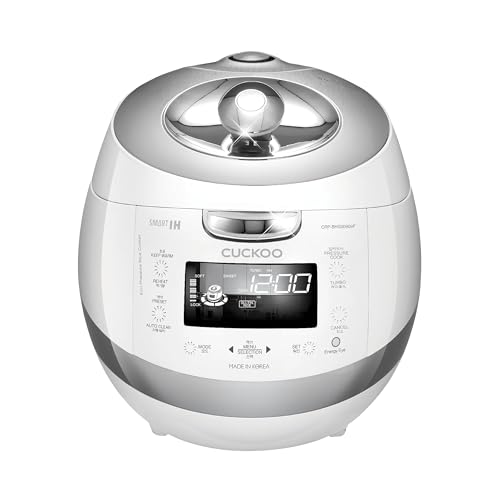
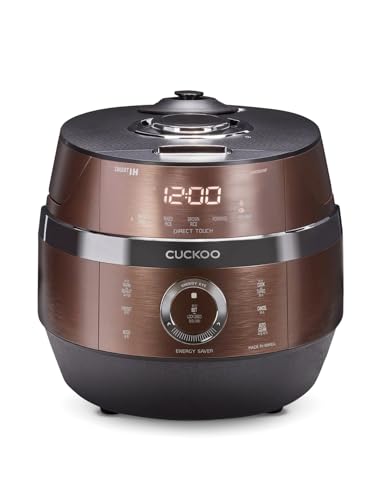
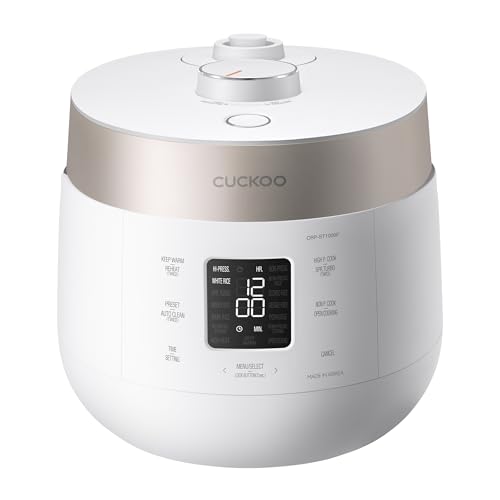
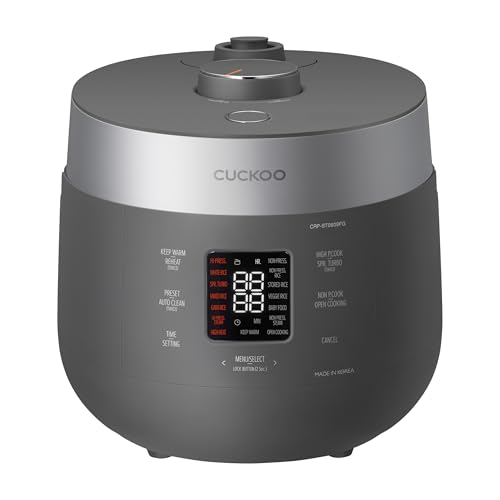
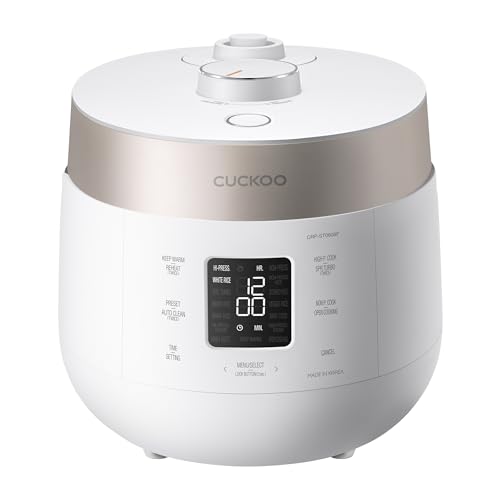
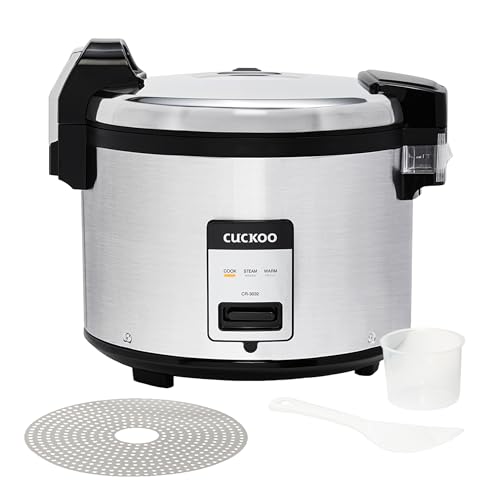
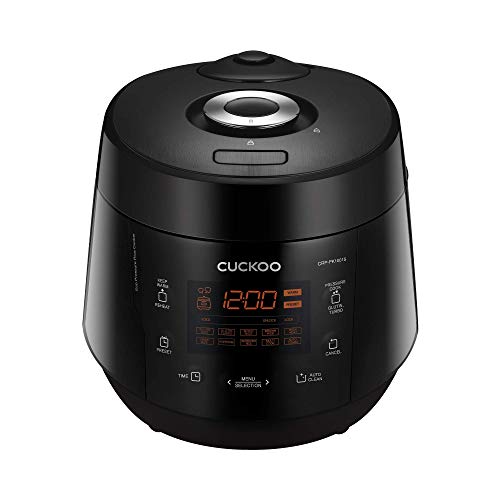
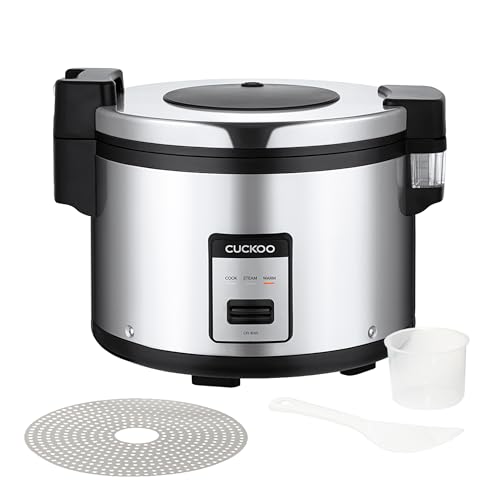
Key Factors to Consider When Choosing a Cuckoo Rice Cooker
Cuckoo builds everything from simple everyday cookers to advanced pressure models packed with dozens of menu settings. Before comparing specific features, it helps to understand which factors actually separate a solid pick from an oversized, over-featured appliance that ends up sitting unused on your counter.
Capacity and Household Size
Cuckoo rice cookers are sized by uncooked cup capacity, and getting this number right matters more than almost any other spec. A 3-cup model suits one or two people who eat rice occasionally, a 6-cup model is the sweet spot for a family of three to four, and a 10-cup or larger model fits bigger households or anyone who batch-cooks rice for the week ahead. Getting this number right is one of the fastest ways to narrow down the best cuckoo rice cooker for your kitchen, since most models need a minimum amount of rice in the pot to heat evenly, and a thin layer at the bottom of an oversized pot often cooks unevenly.
Pressure vs Non-Pressure Cooking
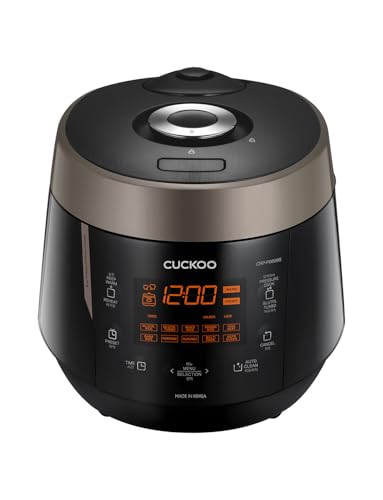
This is the biggest technology decision you will make. Non-pressure models rely on steady heat and careful timing to cook rice, producing a softer, fluffier grain that works well for everyday white rice. Pressure models raise the internal temperature above the normal boiling point, which changes the starch structure and produces the springy, slightly sticky texture common in Korean home cooking. If you eat rice daily and care about texture, pressure is usually the deciding factor people use when hunting for the best cuckoo rice cooker for regular use. If rice is more of an occasional side dish in your house, a non-pressure model saves money without much of a real downside.
Menu Programs and Grain Versatility
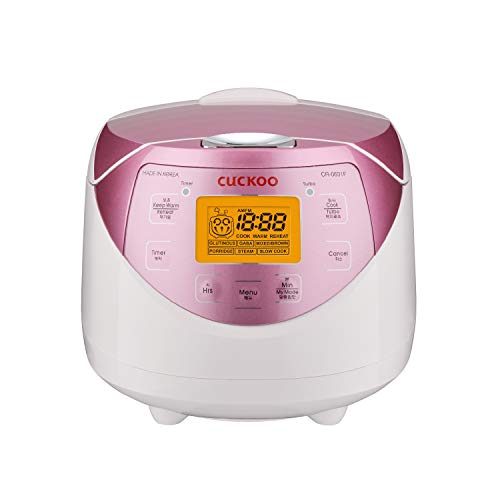
Most Cuckoo models include dedicated settings well beyond plain white rice, such as brown rice, GABA rice, mixed grains, porridge, and a faster turbo mode for busy weeknights. GABA settings hold the rice at a warm temperature before cooking to boost its nutritional profile, while turbo mode shaves time off the cycle at a small cost to texture. If your household regularly mixes grains or cooks porridge for kids, prioritize a model with more dedicated programs rather than a bare-bones option.
Inner Pot Coating and Cleaning
The inner pot takes the most wear of any component, so coating quality is worth checking closely before you buy. Look for a nonstick coating rated for repeated daily use and, ideally, an auto-clean cycle that steams the lid and pot after each meal. Stick to silicone or wooden utensils rather than metal ones to keep that coating intact for years instead of months.
Smart Features Like Voice Guidance
One thing that sets Cuckoo apart from most competitors is voice guidance, with many models announcing cooking status out loud in English or offering several other language options. It sounds like a minor detail, but it means you do not have to guess what a beep or blinking light means partway through a cycle. If you like extra convenience, also look for a delay timer so rice is ready exactly when you plan to eat.
Cooking Technology Tiers Explained
Cuckoo organizes its lineup into a few broad technology tiers, and understanding the differences makes it much easier to land on the right pick for your budget instead of overpaying for features you will rarely use.
Micom (Fuzzy Logic) Models
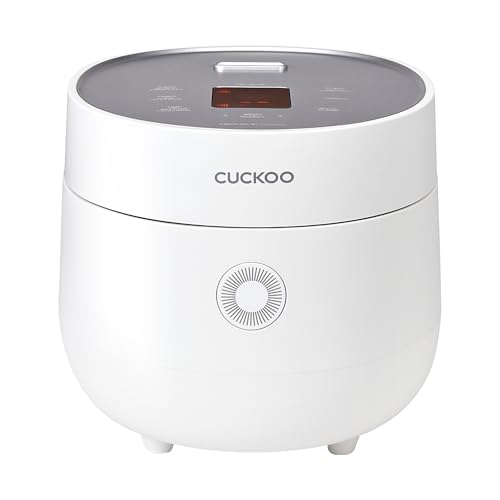
Micom models use a microcomputer and fuzzy logic to automatically adjust cook time and temperature based on the rice type and quantity you select. They are the most affordable entry point into the brand and still produce noticeably better rice than a basic on-off cooker, making them a sensible choice for anyone new to the lineup.
High-Pressure Models
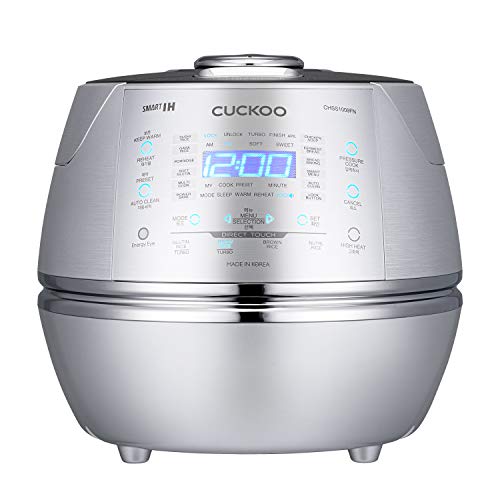
Pressure models add a sealed, pressurized cooking chamber on top of the same electric heating base. The added pressure cooks rice faster and produces the chewier, stickier texture many Korean households prefer. This tier tends to sit in the middle of Cuckoo's pricing and is a common starting point for anyone upgrading from a basic cooker.
Induction Heating Pressure Models
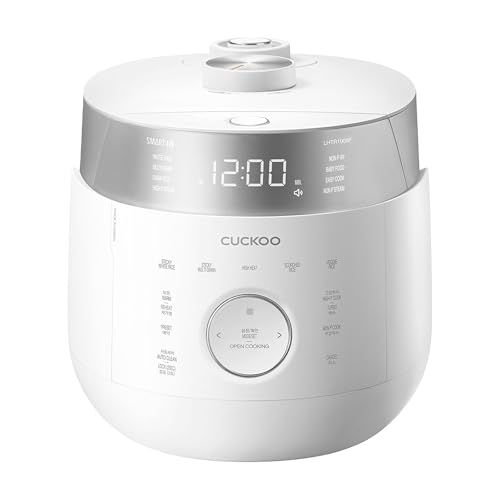
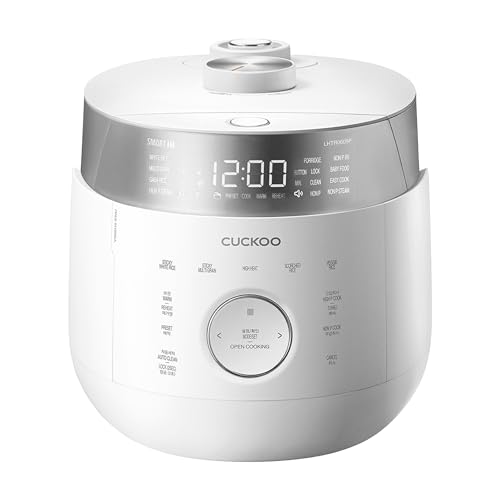
At the top of the lineup, induction heating pressure models combine pressure cooking with a heating element built into the pot itself rather than a plate underneath it, giving more precise, even control over every stage of cooking. This tier delivers the most consistent results across different rice types and is worth the extra cost mainly for households that eat rice daily and notice small differences in texture. If gentle, all-around heating without pressure sounds closer to what you want, it is worth comparing that approach against a Japanese-style induction rice cooker guide before you commit to the pressure route.
Tips for Getting the Best Results at Home
Buying the right model is only half the equation. A few simple habits make a real difference in the finished rice no matter which cooker ends up on your counter.
Rinse Before You Cook
Rinsing rice until the water runs mostly clear removes surface starch that would otherwise make the finished rice gummy. It only takes a minute and makes a noticeable difference regardless of which model or setting you use.
Match the Water Line to the Rice Type
Cuckoo pots include marked water lines for different rice varieties because white, brown, and mixed grains all absorb water differently. Using the wrong line is the single most common reason rice turns out too wet or too dry.
Let the Pot Rest Before Serving
Leaving the lid closed for five to ten minutes after the cycle ends lets moisture redistribute evenly through the pot. Serving immediately often leaves the bottom layer wetter than the top.
Mistakes That Ruin Otherwise Good Rice
Even the best cuckoo rice cooker will not save your rice if a few basics get skipped. Skipping the rinse is the most common misstep, since leftover starch clumps grains together no matter how advanced the machine is. Opening the lid mid-cycle lets steam escape and disrupts the programmed cooking flow, and ignoring the minimum or maximum fill lines leads to uneven texture or a messy boil-over. Using metal utensils inside the pot wears down the nonstick coating far faster than it should, shortening the life of the appliance. Slowing down for these small habits matters more than any single spec on the box.
Frequently Asked Questions
What size Cuckoo rice cooker should I buy?
A 3-cup model works well for one or two people, a 6-cup model suits a family of three to four, and a 10-cup or larger model is better for bigger households or weekly batch cooking. Matching capacity to your actual habits is the first step toward picking the best cuckoo rice cooker for your kitchen instead of guessing.
What is the difference between Cuckoo Micom and pressure models?
Micom models use programmed logic and standard heat to cook rice, while pressure models add a sealed chamber that raises internal pressure for a chewier, stickier texture. Pressure models generally cost more but cook faster.
Is a Cuckoo rice cooker worth the extra cost over a basic model?
It depends on how often you eat rice. Daily rice eaters who care about texture usually find that pressure or induction heating models make the difference in landing on the best cuckoo rice cooker for their kitchen, while occasional cooks are often satisfied with a simpler micom model.
Can Cuckoo rice cookers handle grains besides white rice?
Yes, most models include dedicated settings for brown rice, GABA rice, mixed grains, and porridge, each adjusted for that specific texture and cook time.
What does the voice guidance feature actually do?
It announces cooking status out loud, such as when the cycle starts, finishes, or switches to keep warm mode, and many models let you choose English or another supported language.
How long does a Cuckoo rice cooker typically last?
With regular care, most owners get many years of consistent use, though the nonstick coating on the inner pot is usually the first part to show wear.
Do I need to clean the inner pot after every use?
Yes. A quick rinse and wipe after each use keeps the nonstick coating intact and prevents leftover starch from affecting the next batch.
Final Thoughts
Choosing the best cuckoo rice cooker comes down to matching capacity and cooking technology to how your household actually eats rice, not chasing the model with the longest feature list. Micom models cover everyday needs affordably, pressure models step up texture and speed, and induction heating pressure models deliver the most consistent results for households that treat rice as a daily staple. Get the sizing and technology tier right, and the rest of the features become a matter of personal preference rather than a compromise.